CNA Job Outlook in Virginia for 2026
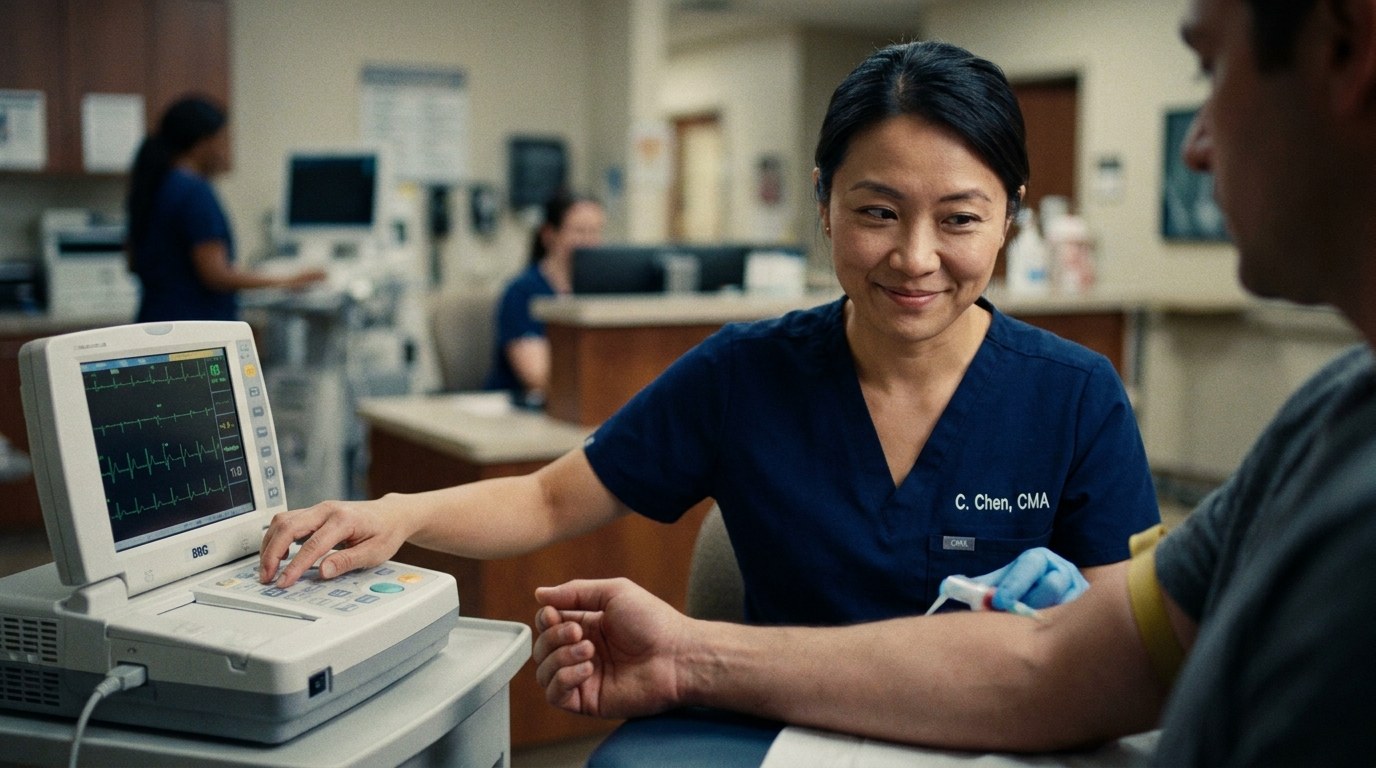
Virginia’s demand for Certified Nurse Aides is growing fast — and the Northern Virginia / DC metro corridor is one of the strongest markets in the Mid-Atlantic for CNA employment heading into 2026.
Whether you’re weighing a career change, exploring healthcare pathways for the first time, or simply trying to understand what the job market looks like before you commit to training, this guide gives you the data you need: real salary figures, Virginia Board of Nursing requirements, projected job openings, and an honest look at what the role involves day-to-day.
We’ll also cover something that doesn’t get enough attention in these guides — what happens after CNA, and what other hands-on, care-centered careers are thriving in the same Northern Virginia market right now.
If you’re drawn to care-centered, hands-on work and want to explore wellness career paths alongside CNA, you can apply now at AVI Career Training or call (703) 943-9841 to speak with an admissions advisor.
—
- BLS projects healthcare support occupations — including CNAs — to grow 15–18% nationally through 2032, much faster than the average for all occupations.
- Virginia CNAs earn a statewide mean wage of approximately $17–$19/hour; Northern Virginia and DC metro rates frequently exceed that range.
- Virginia requires a minimum of 120 hours of state-approved nurse aide training before candidates can sit for the NNAAP certification exam.
- CNAs must complete 12 hours of in-service training annually to maintain active Virginia Nurse Aide Registry status.
- Adjacent wellness careers — including Massage Therapy and Esthetics — are also seeing strong demand across Northern Virginia and offer flexible, client-centered career paths.
—
Why Demand for CNAs in Virginia Keeps Growing
Virginia’s CNA job market is expanding — and the driving forces behind that growth are structural, not temporary.
The U.S. Bureau of Labor Statistics classifies Certified Nurse Aides under SOC code 31-1131 (Nurse Aides, Orderlies, and Attendants) and projects this occupation group to see employment growth significantly faster than the national average through 2032. Nationally, healthcare support occupations as a whole are projected to grow 15–18% — compared to roughly 3–4% for all occupations combined.
Virginia is tracking ahead of those national trends in several key ways.
The aging population factor is real in Northern Virginia. Fairfax County — the most populous jurisdiction in the Commonwealth — has seen its 65-and-older population grow steadily over the past decade. That cohort drives disproportionate demand for assisted living facilities, memory care units, long-term care centers, and home health services. Every one of those settings relies heavily on CNAs as the front line of daily patient care.
The DC metro corridor creates additional demand pressure. The Northern Virginia Workforce Development Area — which includes Fairfax, Arlington, Loudoun, Prince William, and Alexandria — is one of the most economically active regions in the country. Healthcare facilities here compete for qualified workers, which translates directly into better pay, faster hiring, and more job options for CNAs compared to rural areas of the state.
Home-based care is accelerating the growth. The shift from institutional care to home health and community-based care settings is one of the defining trends in healthcare right now. This shift specifically increases demand for CNAs, who perform much of the hands-on personal care work that keeps patients out of hospitals and nursing facilities — exactly what policymakers and insurers are trying to achieve.
If you’re evaluating healthcare careers from a job security standpoint, the Virginia CNA market in 2026 offers a genuinely strong foundation.
—
CNA Salary Ranges in Virginia — What to Expect in 2026
Virginia CNAs earn competitive wages relative to training time — and the Northern Virginia area consistently ranks above the statewide average.
According to BLS Occupational Employment and Wage Statistics (OES) data, the statewide mean hourly wage for CNAs in Virginia runs approximately $17–$19 per hour, which translates to roughly $35,000–$40,000 annually for full-time work. These figures should be verified against the most current BLS OES release before publication, as wages in this sector have trended upward over the past two years.
Mean Hourly Wage
DC Metro Range
Through 2032 (BLS)
Northern Virginia is a higher-wage market for CNAs. The DC metro area consistently pays above statewide averages across virtually every healthcare occupation, and CNAs are no exception. Employers in Fairfax County, Arlington, and Alexandria face a tighter labor market and a higher cost of living — both of which push wages upward. Entry-level CNAs in this corridor commonly report hourly rates in the $19–$23+ range, with experienced CNAs and those in specialized settings earning more.
Setting matters for earnings. Pay varies meaningfully by workplace:
Long-Term Care and Skilled Nursing Facilities
This is where the largest share of CNAs work. Wages here are often mid-range but come with consistent hours, shift differentials for evenings and weekends, and strong benefits packages at established chains and nonprofit facilities.
Hospital Settings
Hospital-based CNAs (often called patient care technicians or nursing assistants in this context) typically earn at the higher end of the wage scale — and the DC metro has no shortage of major hospital systems actively hiring.
Home Health and Private Duty
Home health aides who hold CNA credentials often have more scheduling flexibility. Hourly rates vary widely depending on the agency and client arrangement, but this setting is growing fast as Virginia’s home-based care infrastructure expands.
—
Virginia State Board Requirements for Nurse Aide Certification
Becoming a Certified Nurse Aide in Virginia follows a clear, state-regulated pathway — and it’s one of the faster routes into healthcare of any credentialed role.
Here’s what the Virginia Board of Nursing requires:
Step 1: Complete a State-Approved Training Program (120 Hours Minimum)
Virginia requires candidates to complete at least 120 hours of state-approved nurse aide training. That total must include a required clinical component — hands-on patient care experience in an actual healthcare setting, not just classroom or lab work. Programs are offered through community colleges, vocational schools, and some healthcare employers.
Step 2: Pass the NNAAP Competency Evaluation
After completing your training, you must pass the Nurse Aide Competency Evaluation Program (NNAAP) exam — the national standardized test administered in Virginia by Prometric. The exam has two components:
Both portions must be passed to earn certification.
Step 3: Get Listed on the Virginia Nurse Aide Registry
Passing the NNAAP earns you placement on the Virginia Nurse Aide Registry, maintained by the Virginia Department of Health Professions. Registry listing is required to work in any Medicare- or Medicaid-certified facility — which covers the vast majority of nursing homes, assisted living facilities, and long-term care centers in the state.
Step 4: Maintain Your Certification (12 Annual In-Service Hours)
Active Virginia CNAs must complete 12 hours of in-service training annually to maintain registry status. This ongoing education requirement keeps certification current and ensures nurse aides stay up to date with evolving care standards.
For full, authoritative details on Virginia CNA requirements, visit the Virginia Department of Health Professions or the Virginia Board of Nursing directly.
—
CNA Career Trends Shaping the Industry in 2025–2026
The CNA role is evolving — and understanding where the field is headed matters as much as understanding where it is today.
Several macro trends are reshaping what it means to work as a nurse aide in Virginia and nationally.
Home-Based and Community Care Is Exploding
Medicare policy changes and insurer incentives are actively pushing care out of institutional settings and into homes and communities. This creates a surge in demand for CNAs who can work in home health, hospice, and community-based programs — often with more scheduling autonomy than facility-based roles.
Memory Care Is a Growing Specialty Area
Virginia’s aging population includes a growing number of residents living with Alzheimer’s and other forms of dementia. Memory care units within assisted living and skilled nursing facilities are expanding rapidly — and CNAs with specialized training in this area command higher wages and have strong job security.
Telehealth Support Roles Are Emerging
As telehealth expands, some healthcare systems are developing hybrid CNA roles that involve supporting remote patient monitoring and virtual care coordination alongside in-person duties. This is an early-stage trend but one worth watching, particularly in the tech-forward DC metro market.
CNA as a Career Launchpad, Not Just a Job
More healthcare systems and nursing schools are formally recognizing CNA experience as a strong foundation for LPN, RN, or allied health education. Virginia’s community college system — particularly Northern Virginia Community College (NOVA) — has articulation pathways that allow CNAs to credit their training toward further credentials.
This means many people entering CNA work in 2025–2026 aren’t treating it as a terminal career move. They’re using it strategically as an entry point into a broader healthcare career.
—
Marcus spent six years managing a sporting goods store in Fairfax before deciding he wanted work that felt more meaningful at the end of the day. He researched healthcare careers that didn’t require a four-year degree, landed on CNA training, and completed his 120-hour program through a local community college. Within three weeks of passing his NNAAP exam, he had two job offers — one from a memory care facility in McLean and one from a home health agency in Reston. He chose the memory care role for the schedule stability and has since started exploring LPN programs. His message to other career-changers: “The training is shorter than you think. The work is harder than you expect. But it’s real — and you feel it.”
—
Exploring Related Wellness Careers in Northern Virginia
CNA work isn’t the only hands-on, care-centered career path gaining momentum in Northern Virginia — and for some career-changers, adjacent wellness careers may be an even better fit.
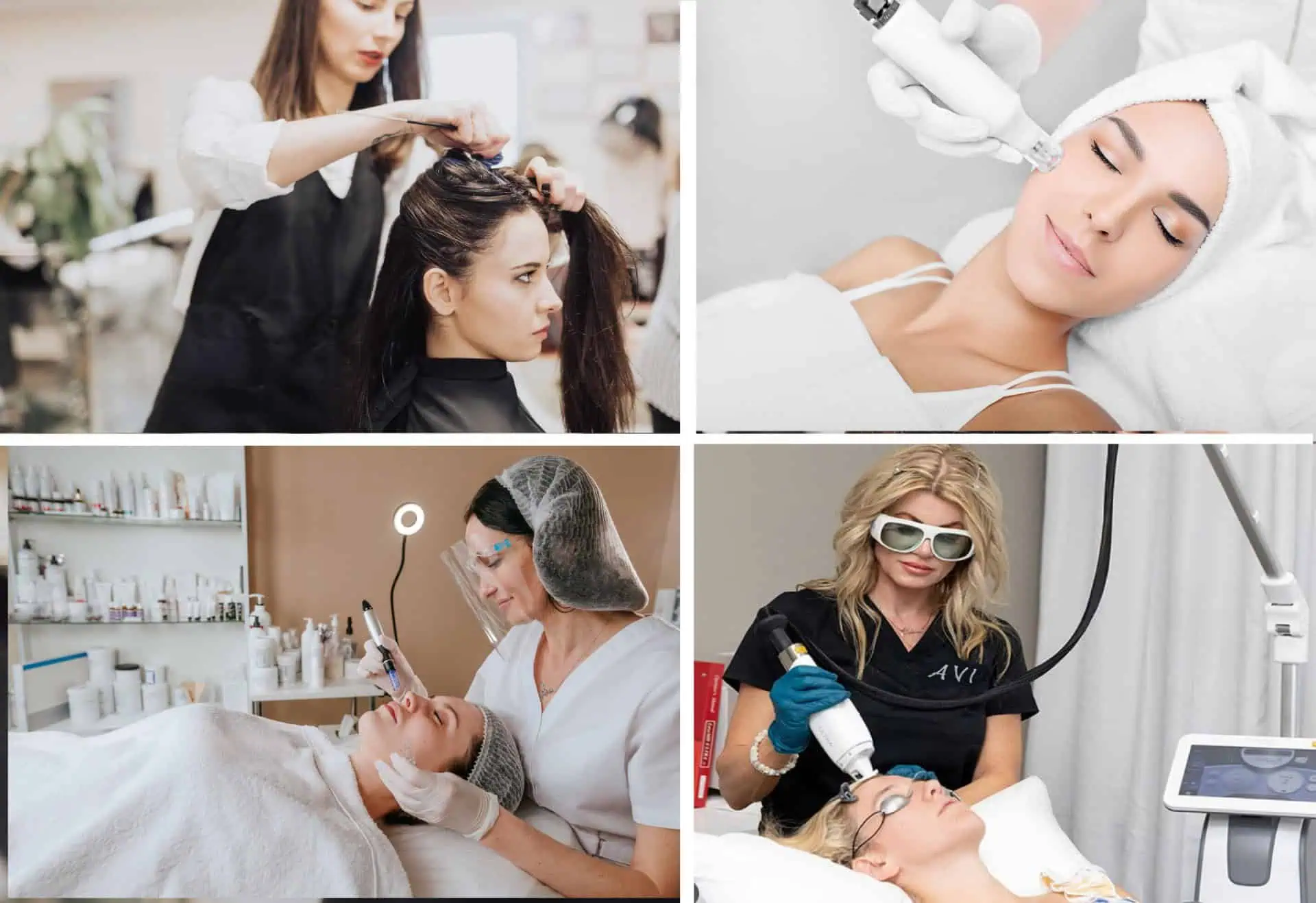
If what draws you to CNA work is the human connection, the hands-on nature of the role, and the idea of directly helping people feel better — those same qualities describe careers in Massage Therapy, Esthetics, and Cosmetic Laser Technology. These fields are also seeing strong demand across the Northern Virginia and DC metro area.
Here’s how they compare at a glance:
Massage Therapy
Licensed Massage Therapists (LMTs) work in spas, medical settings, chiropractic offices, athletic facilities, and private practice. Virginia requires 500 hours of training and a state licensing exam. Starting wages in Northern Virginia typically range from $40,000–$60,000+, with experienced therapists and those building private clientele earning considerably more. The work is genuinely therapeutic and deeply relationship-driven.
Esthetics
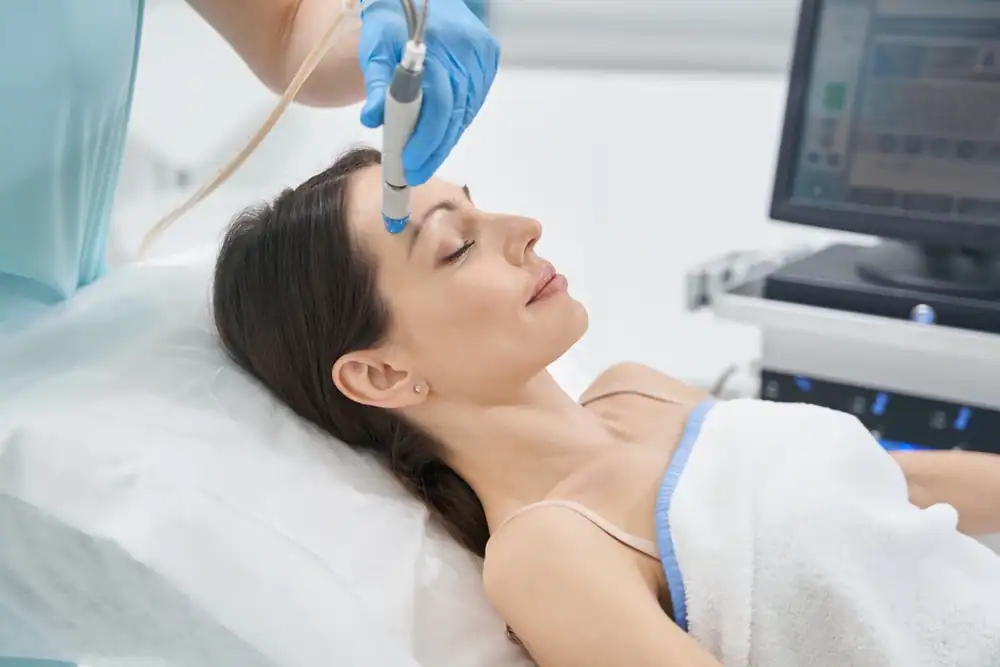
Licensed estheticians perform skincare treatments, facials, chemical peels, waxing, and more. The field has expanded significantly into medical and clinical settings alongside traditional spa work. Virginia’s Basic Esthetics program requires 150 hours of training — a relatively fast path to licensure.
Cosmetic Laser Technology
Cosmetic laser technicians operate laser and light-based equipment for hair removal, skin resurfacing, and body contouring. It’s one of the fastest-growing niches in aesthetic medicine — and the DC metro’s density of medical spas and dermatology practices makes Northern Virginia one of the best markets in the country for this specialty.
AVI Career Training, located in Vienna, Virginia, prepares students for all three of these career paths — and more. AVI is COE Accredited and SCHEV-certified, with licensed industry professionals delivering hands-on training in a real salon and spa environment. Programs are designed specifically for working adults and career-changers who need an efficient, credential-focused path to licensure.
Diane spent over a decade on the administrative side of a large Northern Virginia hospital system. She understood healthcare inside and out — but the desk work had worn her down. She wanted something hands-on, something where she’d see the direct impact of her work on real people. She researched CNA, considered it seriously, and then discovered Massage Therapy training at AVI Career Training in Vienna. “I wanted the human connection without the institutional setting,” she says. After completing AVI’s Massage Therapy program, Diane now works at a wellness center in Tysons Corner — three days a week, by appointment, with a client list she built herself. “It’s the same care instinct as healthcare. Just a different room.”
If you’re drawn to the care-centered, hands-on nature of CNA work but want to explore whether a wellness career path might align even better with your goals, AVI’s admissions team is a good first call. You can reach them at (703) 943-9841 or start your application today to learn what program fits your timeline and career goals.
—
Frequently Asked Questions About CNA Careers in Virginia
Q: How much does a CNA make in Virginia in 2025–2026?
A: Virginia CNAs earn a statewide mean of approximately $17–$19 per hour based on current BLS OES data. In the Northern Virginia and DC metro area, wages frequently range from $19–$23+ per hour due to higher cost of living and competitive labor demand. Verify the most current figures at BLS.gov.
Q: Is there high demand for CNAs in Virginia right now?
A: Yes. The BLS projects healthcare support occupations — including nurse aides — to grow 15–18% nationally through 2032, significantly faster than average. In Northern Virginia specifically, the aging population, growth of home health services, and expansion of memory care facilities are all driving sustained demand.
Q: How long does it take to become a CNA in Virginia?
A: Virginia requires a minimum of 120 hours of state-approved training before you can sit for the NNAAP certification exam. Many programs complete this training in four to eight weeks. After passing the exam, you can begin working as a certified nurse aide in Virginia.
Q: What are the Virginia Board of Nursing requirements for nurse aide certification?
A: You must complete a minimum 120-hour state-approved training program (including a required clinical component), pass the two-part NNAAP exam (written/oral knowledge test plus skills evaluation) administered by Prometric, and be listed on the Virginia Nurse Aide Registry. Active CNAs must also complete 12 hours of in-service training annually to maintain registry status.
Q: What other healthcare or wellness careers are in demand in Northern Virginia?
A: Beyond CNA, Northern Virginia has strong demand for Licensed Massage Therapists, licensed estheticians, cosmetic laser technicians, and other allied health and wellness professionals. The DC metro’s density of medical spas, dermatology clinics, wellness centers, and chiropractic offices creates consistent hiring demand across these fields.
Q: Does AVI Career Training offer a CNA program?
A: AVI Career Training does not offer CNA training. AVI specializes in hands-on beauty and wellness careers — including Massage Therapy, Basic Esthetics, Master Esthetics, Cosmetology, Cosmetic Laser Technology, Nail Technology, and Electrolysis. If you’re drawn to care-centered, hands-on work, AVI’s wellness programs may be a strong fit. Learn more or apply now at AVI.
Q: Can I work in Northern Virginia as a CNA without being on the Virginia Nurse Aide Registry?
A: No. You must be listed on the Virginia Nurse Aide Registry to work legally in any Medicare- or Medicaid-certified facility in the state — which includes the vast majority of nursing homes, assisted living facilities, and long-term care centers. Registry listing requires passing the NNAAP exam after completing an approved training program.
—
Ready to Launch a Hands-On Wellness Career in Northern Virginia?
AVI Career Training in Vienna, Virginia prepares students for in-demand careers in Massage Therapy, Esthetics, Cosmetology, Cosmetic Laser Technology, and more. COE Accredited. SCHEV Certified. GI Bill® accepted.
Apply Now at AVI Career Training
Call us: (703) 943-9841 | Vienna, VA — Tysons Corner Area
—
About AVI Career Training
AVI Career Training is a COE-accredited, SCHEV-certified beauty and wellness school located in Vienna, Virginia, serving the Northern Virginia and DMV area. Founded to make professional beauty and wellness education accessible, inclusive, and career-ready, AVI prepares students for Virginia state licensure in Cosmetology, Basic Esthetics, Master Esthetics, Massage Therapy, Nail Technology, Cosmetic Laser Technology, and Electrolysis.
AVI’s curriculum is built around inclusive techniques designed to work beautifully on every skin tone and hair texture — a core value that sets the school apart in the DC metro market.