Esthetician Classes From First Session To Virginia License
Esthetician classes at AVI Career Training take you from your very first hands-on session through every hour required to sit for the Virginia state board exam, giving you a clear, structured path to a rewarding career in skin care. Whether you are exploring Basic Esthetics or aiming for the advanced Master Esthetics credential, understanding exactly what the journey looks like—from enrollment to licensure—helps you make a confident decision about your future.
Key Takeaways
- Virginia requires 600 hours for a Basic Esthetics license and AVI’s program is built precisely around that requirement.
- Master Esthetics at AVI is 750 hours, preparing you for advanced clinical and spa services beyond the basic credential.
- AVI Career Training is COE-accredited, meaning your education meets nationally recognized quality standards.
- Title IV federal financial aid is available for qualifying programs, making training more accessible than many students expect.
- Classes are held at 112 Lawyers Rd NW Suite 3, Vienna, VA 22180—easy to reach from across Northern Virginia.
- After completing your hours and passing the state board exam, you graduate with a Virginia esthetics license ready for the job market.
What Does an Esthetician Actually Do?
Before diving into the class structure, it helps to understand the profession you are entering. Licensed estheticians are skin care specialists who perform facials, chemical exfoliation treatments, waxing, body wraps, and a wide range of corrective skin therapies. They work in day spas, medical offices, resort spas, salons, and even aboard cruise ships. The demand for skilled estheticians continues to grow as consumers place greater emphasis on skin health and self-care routines.
In Virginia, you must hold a state-issued license to practice esthetics professionally. That license requires documented education hours from an approved school, passing written and practical examinations through the Virginia Board of Cosmetology, and submitting a complete application. AVI Career Training’s programs are designed from the ground up to satisfy every one of those requirements.
Your Two Esthetics Pathways at AVI
Basic Esthetics: 600 Hours
The Basic Esthetics program is the foundational credential—600 program hours that cover everything the Virginia Board requires for licensure. From your very first session you will begin learning the science behind skin: anatomy, physiology, the layers of the dermis, and how various skin types and conditions respond to different treatments. Theory and hands-on practice run side by side throughout the program so that concepts are immediately reinforced in the student clinic.
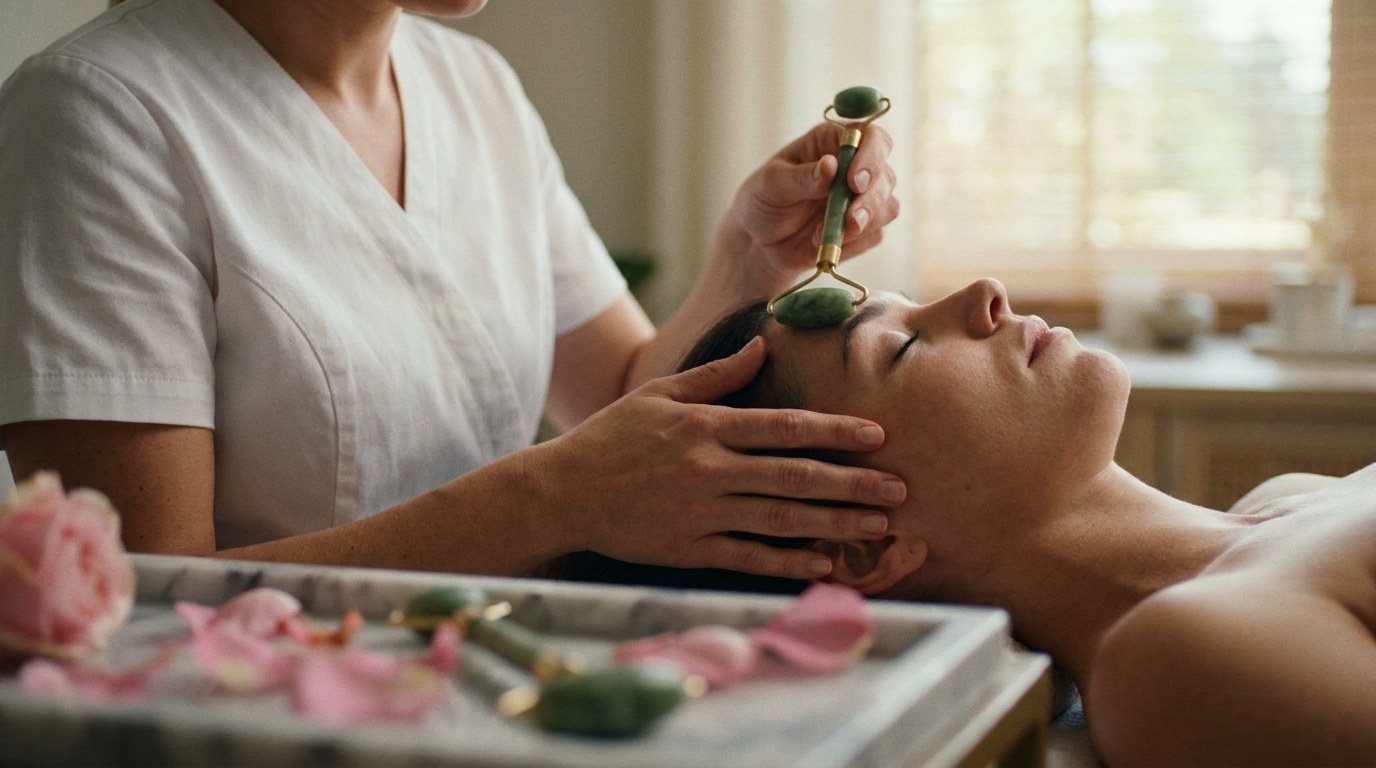
Core topics covered in the 600-hour program include facial massage techniques, cleansing protocols, steaming and extractions, hair removal methods including waxing and threading, basic chemical peels, makeup application, and sanitation and safety practices that meet both state and federal standards. You will also spend time on client consultation skills—an often underestimated but absolutely critical part of a successful esthetics career.
By the time you complete your 600 hours you will have worked on real clients in a supervised environment, built a personal portfolio of techniques, and developed the professional confidence that employers look for when hiring. From there, you sit for the Virginia state board written and practical exams, submit your application, and receive your license.
Master Esthetics: 750 Hours
For students who want to go further, AVI’s Master Esthetics program adds 150 additional hours of advanced curriculum on top of the basic foundation, totaling 750 hours. This expanded program introduces clinical-level skills including advanced chemical exfoliation, microdermabrasion concepts, lymphatic drainage techniques, specialized body treatments, and a deeper dive into corrective skin care for conditions such as hyperpigmentation, rosacea, and acne-prone skin.
The Master Esthetics credential positions graduates for roles in medical spas, dermatology offices, and high-end resort environments where employers seek practitioners who can handle complex client cases and advanced equipment. If your long-term goal includes working alongside medical professionals or eventually specializing in corrective skin treatments, starting with the Master Esthetics program is a smart investment.
Ready to take the first step? Apply to AVI Career Training today and get started on your esthetics journey.
What a Typical Week in Esthetics Class Looks Like
One of the most common questions prospective students ask is what a typical week of esthetics school actually feels like. At AVI, the structure balances classroom instruction with supervised clinic time so that skills build progressively. Early weeks focus heavily on foundational theory—skin biology, ingredient science, sanitation procedures, and tool safety—because confident technique depends on understanding the “why” behind every step.
As you progress through your hours, clinic time increases. You will begin seeing clients in the student clinic under the supervision of licensed instructor educators, performing services that real paying clients request. This real-world exposure is invaluable. By the time you approach your final hours, you are functioning much like a working esthetician, managing appointment flow, performing multi-step treatments, and handling client communication professionally.
Instructors at AVI bring industry experience into the classroom. You are not learning from textbooks alone—you are learning from professionals who have worked the treatment room floor and understand the practical realities of the profession. That combination of accredited curriculum and real-world mentorship is a defining feature of training at AVI Career Training.
Financial Aid and Making Your Education Affordable
Cost is a real consideration for most students, and AVI encourages you to explore every option before assuming esthetics school is out of reach financially. Title IV federal financial aid is available for qualifying programs at AVI, which can include grants and loans for eligible students. Federal financial aid eligibility depends on factors such as income, enrollment status, and program approval—your AVI admissions advisor can walk you through the Free Application for Federal Student Aid (FAFSA) process and help you understand what you may qualify for.
Because AVI is COE-accredited—accredited by the Council on Occupational Education—the school meets the quality standards that federal and many state financial aid programs require. Accreditation also matters to employers and to reciprocity licensing in other states, should you ever decide to relocate after building your career in Virginia.
To get a clear picture of current program tuition and available financial aid packages, contact AVI directly at (571) 520-4417 or visit the school at 112 Lawyers Rd NW Suite 3, Vienna, VA 22180. Financial aid advisors are available to help you build a plan that fits your situation.
From License to Career: What Comes Next
Completing your hours and passing the Virginia state board exam is a major milestone, but it is also just the beginning. Licensed estheticians in the Northern Virginia and greater Washington, D.C. metro area have access to a vibrant market of spas, wellness centers, medical practices, and boutique skin care studios. Many AVI graduates find that the combination of hands-on clinical training and professional development skills—client communication, retail recommendations, business basics—makes them stand out to hiring managers immediately after licensure.
Some graduates choose to work in established spas while building clientele, while others eventually move toward suite rental or opening their own practice. The esthetics license you earn in Virginia is your foundation. Where you take it depends entirely on your ambition and the strength of your training—and AVI is designed to make that foundation as solid as possible.
AVI also offers a range of other career programs if you ever want to expand your credentials, including Cosmetology at 1,000 hours, Nail Technology at 150 hours, Laser Technician at 120 hours, Massage Therapy at 625 hours, Medical Assistant at 600 hours, and ESL at 1,200 hours. Many students who begin in esthetics later add complementary certifications that broaden their service menu and earning potential.
Frequently Asked Questions
How many hours do I need to become a licensed esthetician in Virginia?
Virginia requires 600 hours of esthetics education from an approved school to be eligible to sit for the state board licensing exam. AVI’s Basic Esthetics program is structured at exactly 600 hours to meet this requirement. Students seeking advanced credentials can complete AVI’s Master Esthetics program at 750 hours, which prepares graduates for more specialized roles in the industry.
What is the difference between Basic Esthetics and Master Esthetics at AVI?
Basic Esthetics covers the 600 hours required for Virginia licensure and includes foundational skin care theory, facial techniques, waxing, basic chemical exfoliation, makeup application, and client consultation. Master Esthetics extends training to 750 hours and adds advanced clinical skills including more intensive chemical treatments, corrective skin care protocols, specialized body therapy, and techniques suited for medical spa or clinical environments. Both programs lead to licensure eligibility; the Master Esthetics track simply equips you for a broader and more advanced scope of practice.
Is financial aid available for esthetics programs at AVI Career Training?
Yes. Title IV federal financial aid is available for qualifying programs at AVI Career Training. Because AVI is COE-accredited, students who meet federal eligibility requirements may be able to access Pell Grants or federal student loans to help cover the cost of their education. The best way to find out what you qualify for is to complete the FAFSA and speak with an AVI financial aid advisor, who can help you understand your options. Contact AVI at (571) 520-4417 to get started.
What does the Virginia esthetics state board exam include?
The Virginia Board of Cosmetology administers both a written theory examination and a practical (hands-on) examination for esthetics licensure. The written portion tests your knowledge of skin science, sanitation, safety regulations, and Virginia cosmetology law. The practical portion requires you to demonstrate specific techniques on a model. AVI’s curriculum is designed to prepare you thoroughly for both components, with instructors integrating board preparation into coursework throughout your program hours.
How do I apply to AVI Career Training’s esthetics program?
Applying is straightforward. You can begin your application online or reach out to AVI directly to schedule a campus visit and speak with an admissions advisor. Advisors can answer questions about program schedules, financial aid, and what to expect on your first day. To start the process right now, visit avi.edu/apply or call the school at (571) 520-4417. The AVI campus is located at 112 Lawyers Rd NW Suite 3, Vienna, VA 22180, and the team is ready to help you take the first step.
Start Your Esthetics Career at AVI Career Training
The path from your first esthetics class to holding a Virginia license is well-defined, achievable, and genuinely exciting. At AVI Career Training, you get a COE-accredited program built around exactly what Virginia requires, taught by experienced industry professionals in a supportive hands-on environment. Whether you choose the 600-hour Basic Esthetics track or the 750-hour Master Esthetics program, every hour you complete brings you closer to a career you will be proud of.
Do not wait to get started. Apply to AVI Career Training now and take the first step toward your Virginia esthetics license. You can also call us at (571) 520-4417 or stop by our Vienna campus at 112 Lawyers Rd NW Suite 3, Vienna, VA 22180 to meet the team and see the facilities in person. Your future in skin care starts here.