
Beauty industry certifications are formal credentials that validate professional competence and legal eligibility to practice in specialized areas such as cosmetology, esthetics, nail technology, and massage therapy. The types of beauty industry certifications available range from entry-level state licenses to internationally recognized diplomas like CIDESCO, which is accepted in 45+ countries. Choosing the right credential shapes your career trajectory, your earning potential, and where in the world you can work. Avi Career Training in Fairfax County, VA, prepares students for exactly these credentials through accredited, hands-on programs.
Types of beauty industry certifications: an overview
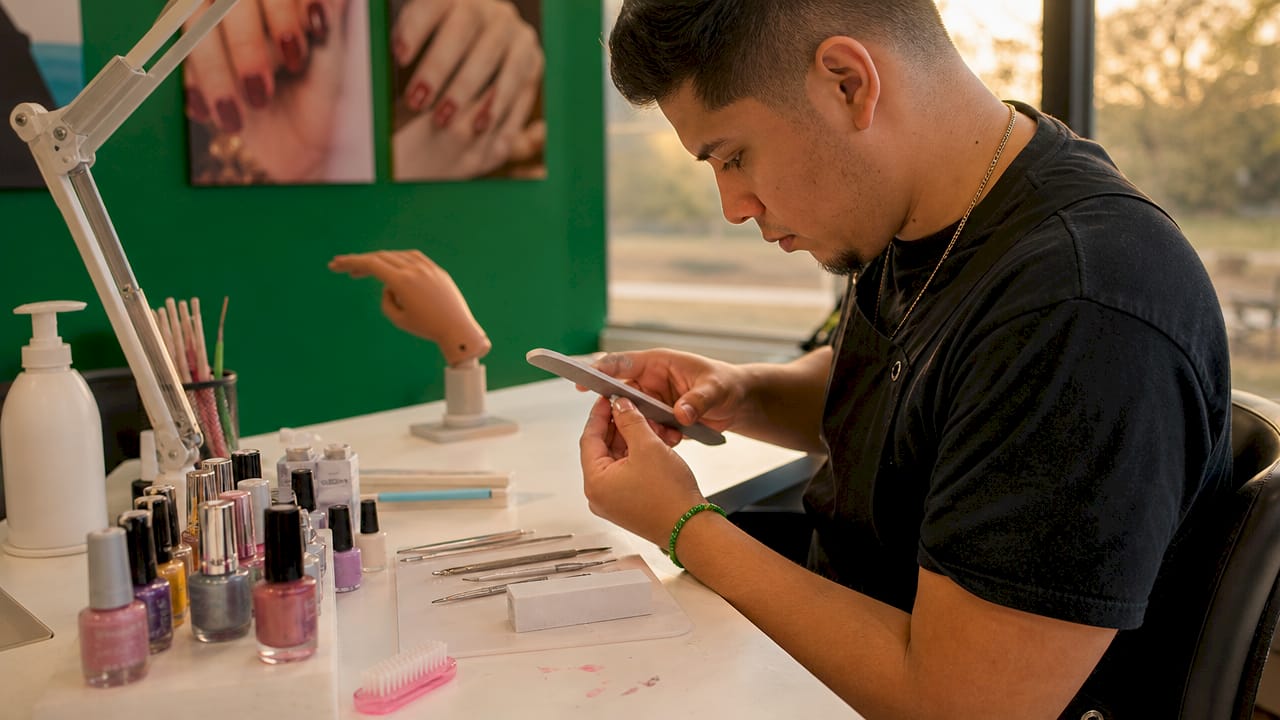
Beauty credentials fall into two broad categories: regulated qualifications and unregulated or endorsed programs. Regulated qualifications are overseen by bodies like VTCT and City & Guilds, which standardize curriculum quality and ensure legal recognition by employers and insurers. Unregulated programs, including many short courses, carry limited weight with professional insurers and most salon employers. Knowing the difference before you enroll protects your investment.
The major certification categories in the beauty industry include:
- Cosmetology: Full-service hair, skin, and nail training leading to a state cosmetology license. Most U.S. states require 1,000–1,500 training hours before you can sit the licensing exam.
- Esthetics: Focused on skincare, facials, waxing, and chemical exfoliation. Esthetician certification options vary by state but typically require 260–600 hours of training.
- Barbering: Covers shaving, beard grooming, and hair cutting for a barber-specific license. Barbering licenses are separate from cosmetology licenses in most states.
- Nail technology: Covers manicures, pedicures, gel, and acrylic applications. Nail technician certifications generally require 150–400 training hours depending on the state.
- Makeup artistry: Includes professional makeup application for film, bridal, and editorial work. Makeup artist certifications are largely unregulated in the U.S., making accredited programs especially important for credibility.
- Massage therapy: Requires a state license in most U.S. states, typically after 500–600 hours of training. Massage therapy is one of the most regulated beauty-adjacent fields.
- Permanent makeup and microblading: Covers semi-permanent pigment application techniques. These certifications often require a base esthetics license plus a specialty course.
Each category opens a distinct set of career pathways. A nail technician certification leads to salon work or independent contracting. An esthetics license opens doors to medical spas, luxury resorts, and skincare clinics. Understanding which category aligns with your goals is the first decision you need to make.
Understanding certification levels: entry-level to advanced
Beauty credentials follow a tiered structure. Knowing which level you are working toward helps you plan your time and budget accurately.
- Level 2 diplomas (entry-level). Level 2 diplomas take 6–12 months to complete and cover foundational skills. These are the starting point for most beauty careers and qualify graduates for junior salon roles.
- Level 3 and Level 4 diplomas (advanced). Level 3 and 4 programs take 1–2 years and prepare graduates for specialist or management positions. A Level 4 qualification in the U.K. system, for example, is equivalent to a first-year university credential and signals serious professional commitment.
- State cosmetology and esthetics licenses. In the United States, state licensing is the legal baseline for practice. You cannot legally offer paid services without it. These licenses require passing both a written and practical exam administered by your state board.
- Instructor certifications. Cosmetology instructor roles require the base license plus 600–1,000 additional training hours and a separate instructor exam. Instructor positions pay $45,000 to $95,000 annually, making this one of the most financially rewarding paths beyond salon work.
- Master-level and specialist qualifications. These credentials build on a base license with advanced technique training in areas like chemical services, medical esthetics, or permanent makeup. They signal expertise to high-end employers.
- CPD certificates. Continuing Professional Development certificates support skill expansion and are internationally recognized. CPD accreditation means training meets professional standards reviewed by independent bodies. CPD courses do not replace mandatory licensure. They supplement it.
Pro Tip: Always verify your state’s specific hour requirements before enrolling. Requirements vary significantly, and choosing a program that meets your state board’s minimums saves you from costly additional training later.
Internationally recognized certifications and their career advantages
Not all beauty credentials travel well. A state cosmetology license from Virginia is valid in Virginia and, through reciprocity agreements, in some other states. It carries no weight on a cruise ship or at a luxury spa in Dubai.
The CIDESCO diploma is the recognized gold standard for international beauty careers. CIDESCO is recognized in 45+ countries and is frequently required by cruise lines and five-star luxury spas. Earning a CIDESCO diploma signals that your training met a globally consistent curriculum standard. That portability is worth real money in career terms.
VTCT and ITEC qualifications are strong credentials within the U.K. and Ireland but have limited global reach. Professionals holding only VTCT or ITEC credentials often need additional testing or bridging courses when working outside those markets. For anyone planning an international career, CIDESCO is the credential worth pursuing from the start.
“Certification portability varies widely: state licenses are local, while international diplomas like CIDESCO facilitate luxury and cruise line job placements worldwide.” — Industry insight on credential mobility
The career advantages of international accreditation extend beyond geography. Luxury employers use internationally recognized credentials as a screening filter. A CIDESCO diploma on a resume signals that a candidate did not just meet a local minimum. It signals that they met a global one. That distinction affects both starting salary and the types of roles available.
For professionals interested in facial treatment specializations, pairing a state esthetics license with a CIDESCO or ITEC qualification creates a credential profile that opens doors at medical spas and destination resorts.
Specialized certifications and emerging trends
The beauty industry is adding new credential categories faster than most people realize. Organic, sustainable, and science-led certifications are now influencing both product professionals and service providers.
- Organic beauty certifications. Standards like COSMOS Organic, USDA Organic, and Ecocert require transparent ingredient sourcing, independent audits, and strict processing standards. Professionals who understand these certifications can advise clients with authority and build stronger trust.
- Science-led and microbiome-friendly labels. Consumers increasingly seek certifications that convert claims like “microbiome-friendly” or “clinically tested” into measurable, verifiable standards. Estheticians and product specialists who hold credentials in these areas differentiate themselves in a crowded market.
- Massage therapy licensure. Massage therapy is one of the most regulated beauty-adjacent fields in the U.S. Most states require 500–600 hours of training before licensure. A massage therapy license is a legal requirement, not an optional credential.
- Permanent makeup and microblading certifications. These specialty certifications typically require a base esthetics license plus a dedicated course covering pigment theory, skin anatomy, and bloodborne pathogen safety. Many states also require a separate permanent cosmetics license.
- CPD accreditation for continuing education. CPD-accredited courses meet professional standards reviewed by independent bodies and are recognized internationally. They are the right tool for expanding skills after licensure, not a substitute for it.
Pro Tip: If you are considering a specialty certification in organic beauty or microbiome-focused skincare, look for programs that include third-party audit training. Clients ask detailed questions, and the ability to explain certification standards builds immediate credibility.
Regulatory compliance is not optional in this space. Insurance providers for beauty professionals often require specific regulated qualifications before they will issue a policy. An unregulated short course, regardless of how well-taught, may leave you uninsurable for certain services.
Key takeaways
The most career-protective approach to beauty credentials is to start with a regulated, state-recognized license and then layer internationally recognized diplomas and CPD certificates on top.
| Point | Details |
|---|---|
| Regulated credentials matter most | VTCT, City & Guilds, and state boards set enforceable standards that employers and insurers recognize. |
| CIDESCO opens international doors | Recognition in 45+ countries makes CIDESCO the top credential for luxury and cruise line careers. |
| CPD supplements, not replaces, licensure | CPD certificates build specialist skills but do not satisfy legal practice requirements in any U.S. state. |
| Instructor roles reward patience | Earning 600–1,000 extra training hours beyond licensure unlocks instructor salaries of $45,000 to $95,000 annually. |
| Specialty certifications build client trust | Credentials in organic beauty, microbiome skincare, and permanent makeup differentiate professionals in a competitive market. |
What I’ve learned about choosing the right beauty certification
The single biggest mistake I see career explorers make is treating all beauty credentials as equivalent. They are not. A CPD certificate in lash lifting and a state esthetics license are not interchangeable. One lets you practice legally. The other helps you practice better. Confusing the two costs people time, money, and sometimes their ability to get insured.
My honest advice is to start with the credential that gives you legal permission to work, then build outward. Get your state license first. Once you are working and earning, add the specialty certifications that match what your clients actually ask for. The professionals I have seen reach educator or platform artist roles did not get there by collecting certificates. They got there by combining solid licensure with years of hands-on experience. Transitioning to educator roles typically requires 5–10 years of experience beyond licensure. That timeline is not a barrier. It is a roadmap.
The other thing worth saying plainly: international recognition matters more than most new students expect. If there is any chance you want to work abroad, on a cruise ship, or at a luxury resort, pursue CIDESCO alongside your state license from the beginning. Retrofitting international credentials later is possible but inefficient. Plan for where you want to be in ten years, not just where you want to start.
The beauty industry rewards professionals who treat their credentials as a career-long investment, not a one-time box to check. The career development opportunities available to credentialed professionals expand significantly with each additional recognized qualification.
— krishna
Avi Career Training: accredited programs for serious beauty careers
Avi Career Training in Fairfax County, VA, offers accredited cosmetology, esthetics, and massage therapy programs built around the credentials that actually matter to employers. Every program combines state board exam preparation with real-world, hands-on training in a professional salon environment.
Students at Avi benefit from externship placements at leading spas and salons across Northern Virginia, plus personalized mentorship from enrollment through graduation. Financial aid options are available for qualified students, making accredited training accessible regardless of budget. If you are ready to choose a program that prepares you for both state licensure and long-term career growth, the cosmetology school guide at Avi is the right place to start. Avi also offers esthetics training programs for students focused specifically on skincare and spa careers.
FAQ
What are the main types of beauty industry certifications?
The main types include cosmetology licenses, esthetics licenses, nail technician certifications, barbering licenses, massage therapy licenses, makeup artist certifications, and specialty credentials like permanent makeup or organic beauty certifications. Each requires different training hours and is regulated differently by state.
Is a CPD certificate the same as a beauty license?
No. CPD accreditation confirms that a course meets professional development standards, but it does not satisfy state licensing requirements. You still need a state-issued license to legally practice regulated beauty services.
Which beauty certification has the best international recognition?
The CIDESCO diploma is recognized in 45+ countries and is the most portable credential for international beauty careers, particularly in luxury spas and cruise line settings. Regional credentials like VTCT and ITEC have strong value in the U.K. but limited global reach.
How long does it take to earn a beauty certification?
Entry-level credentials like Level 2 diplomas take 6–12 months. Advanced Level 3 and 4 diplomas take 1–2 years. U.S. state cosmetology licenses typically require 1,000–1,500 training hours, while esthetics licenses require 260–600 hours depending on the state.
What certifications do I need to become a beauty instructor?
You need a base cosmetology or esthetics license plus 600–1,000 additional training hours and a passing score on an instructor exam. Instructor roles pay $45,000 to $95,000 annually and typically require several years of professional practice before the transition.