

Virginia Beauty Industry Job Market Outlook
Virginia’s beauty industry job market is growing steadily, with strong demand for licensed cosmetologists, estheticians, massage therapists, nail technicians, and related professionals across the Northern Virginia and Greater Washington, D.C. metro region. If you’ve been wondering whether a beauty or wellness career is a smart move right now, the data and regional trends point to a clear answer: yes, it is.
At AVI Career Training in Vienna, VA, we stay closely connected to the Virginia workforce landscape so our students graduate ready to step into real opportunities. Whether you’re switching careers, entering the workforce for the first time, or expanding your professional skill set, understanding the local job market is the first step toward making a confident decision.
Key Takeaways: Virginia Beauty Industry at a Glance
- Employment for skincare specialists in the U.S. is projected to grow 16% over the next decade, much faster than the average for all occupations, according to the U.S. Bureau of Labor Statistics (BLS).
- Massage therapist employment is expected to grow 18% nationally, with Northern Virginia representing one of the highest-density markets for wellness services on the East Coast.
- Cosmetologists and hairstylists remain in consistent demand across Virginia, supported by a robust network of salons, spas, and resort properties.
- The medical aesthetics sector, including laser technicians and medical assistants, is one of the fastest-growing segments in the beauty-adjacent workforce.
- Virginia licensing requirements mean that completing a COE-accredited program—like those at AVI Career Training—gives graduates a direct pathway to licensure and employment.
- Title IV federal financial aid is available for qualifying programs at AVI, making career training accessible for students who need financial support.
- Nail technology is a lower-barrier entry point to the industry, with flexible work arrangements and growing demand at full-service salons and nail studios throughout Virginia.
Why Northern Virginia Is a Smart Place to Launch a Beauty Career
Northern Virginia is one of the most economically robust regions in the entire country. The combination of high median household incomes, a dense professional population, and proximity to Washington, D.C. creates strong, consistent consumer demand for beauty and wellness services. People here invest in self-care, and that translates directly into jobs for skilled professionals.
Vienna and the surrounding communities—including Tysons, McLean, Reston, Herndon, and Falls Church—are home to hundreds of salons, medical spas, wellness centers, and dermatology clinics. These businesses are actively hiring licensed professionals, and they frequently partner with training institutions to recruit new graduates before they’ve even completed their programs.
For students training at AVI Career Training at 112 Lawyers Rd NW Suite 3, Vienna, VA 22180, this geographic advantage is real and tangible. You’re training in the heart of one of the best regional markets in the country.
In-Demand Beauty and Wellness Careers in Virginia
Cosmetology
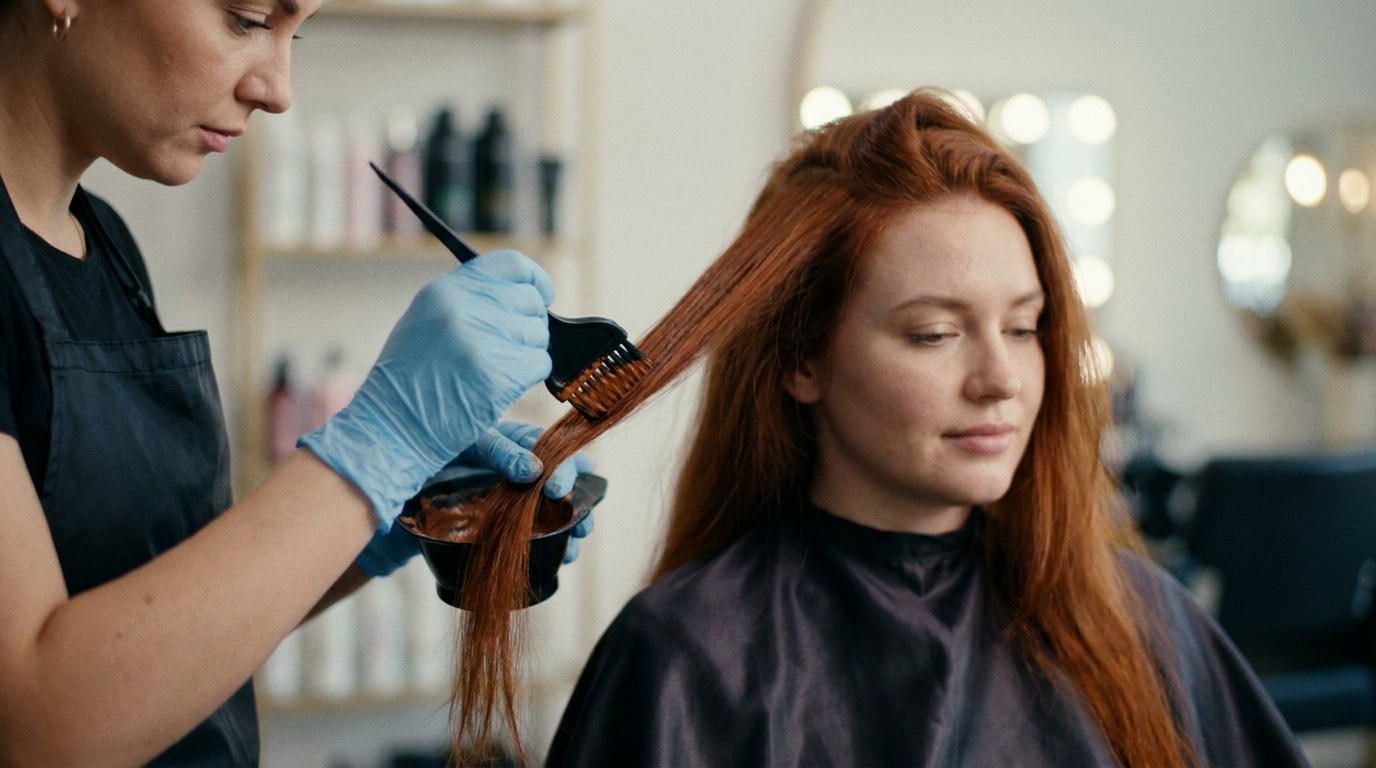
Licensed cosmetologists in Virginia perform hair cutting, coloring, chemical services, and styling. The demand for skilled stylists remains consistent because hair care is a recurring service—clients return again and again. Virginia requires 1,000 hours of training to qualify for the state board exam, which aligns exactly with AVI’s Cosmetology program. Salon suites and independent booth rental arrangements are increasingly popular, giving cosmetologists the freedom to build their own clientele and income.
Esthetics and Skincare
Skincare is one of the most exciting growth areas in the entire beauty industry right now. Consumer interest in professional facials, chemical peels, dermaplaning, and anti-aging treatments has surged, driven by social media, wellness culture, and increased awareness of skin health. Virginia licenses both basic and master estheticians.
AVI offers a Basic Esthetics program at 600 hours and a Master Esthetics program at 750 hours. The master esthetics credential opens additional service opportunities, including more advanced skincare treatments, which can significantly increase earning potential. Medical spas in Northern Virginia are particularly eager to hire licensed estheticians who are trained in clinical and advanced techniques.
Massage Therapy
Massage therapy continues to be one of the strongest sectors in the wellness economy. Virginia is home to a large number of massage therapy practices, spa chains, physical therapy offices, chiropractic clinics, and luxury hotels—all of which employ licensed massage therapists. AVI’s Massage Therapy program is 625 hours, and Title IV federal financial aid is available for eligible students, making this program accessible to a wide range of applicants.
The BLS projects an 18% growth rate for massage therapists nationally, and Northern Virginia’s affluent, health-conscious population makes local demand even stronger than national averages might suggest.
Nail Technology
Nail technology is a great option for students who want a faster path to licensure and a flexible career. Virginia requires 150 hours of training, which matches AVI’s Nail Technology program. Nail technicians can work in traditional nail salons, full-service beauty salons, or upscale day spas. The rise of nail art and specialty nail services has also created a premium tier of the market where skilled nail techs can command higher prices.
Laser Technician
Medical aesthetics is growing at a remarkable pace, and laser technicians are right at the center of that expansion. Services like laser hair removal, skin resurfacing, and photofacials are increasingly in demand at medical spas and dermatology offices throughout Northern Virginia. AVI’s Laser Technician program is 120 hours, making it an efficient way to enter a high-growth, technology-driven segment of the beauty industry.
Medical Assistant
For students interested in the intersection of beauty, aesthetics, and healthcare, the Medical Assistant program at AVI provides a strong foundation. Medical aesthetics practices, plastic surgery offices, and dermatology clinics need qualified medical assistants who understand both clinical protocols and patient care. AVI’s Medical Assistant program is 600 hours.
How Virginia Licensing Affects Your Job Market Readiness
In Virginia, working in most beauty and wellness professions requires a state license, and earning that license requires completing a state-approved training program and passing a licensing exam. This is actually good news for graduates of accredited programs like AVI Career Training: licensing creates a professional standard that protects the value of your credential and ensures employers know exactly what you’re qualified to do.
Because AVI Career Training is accredited by the Council on Occupational Education (COE), our programs meet the educational standards required by the Virginia Department of Professional and Occupational Regulation (DPOR). Graduating from an accredited institution also demonstrates to employers that your training meets recognized quality benchmarks.
If you’re ready to take the first step, apply to AVI Career Training today and connect with our admissions team to find out which program is the right fit for your goals.
What Employers in Virginia Are Looking For
Salon owners, spa directors, and clinic managers throughout Northern Virginia consistently highlight a few qualities when they talk about what makes a new hire stand out:
- Technical proficiency earned through hands-on training, not just classroom instruction
- Professional communication skills and the ability to consult with clients effectively
- Knowledge of sanitation and safety standards, which are strictly enforced in Virginia
- A positive, team-oriented attitude that fits salon or spa culture
- Willingness to continue learning, including advanced certifications and new techniques
AVI’s programs are designed to build all of these qualities. Our curriculum blends technical skill-building with the kind of professional development that helps graduates succeed in real workplaces, not just pass their licensing exams.
Frequently Asked Questions About Virginia’s Beauty Job Market
How long does it take to get licensed as a cosmetologist in Virginia?
Virginia requires 1,000 hours of cosmetology training at a licensed school before you can sit for the state board examination. AVI Career Training’s Cosmetology program is structured to meet this requirement. The actual time to complete 1,000 hours depends on your schedule and attendance, but many full-time students complete their training within approximately 12 to 14 months. After completing your program, you’ll apply to the Virginia Board of Cosmetology to take the practical and written licensing exams.
Is there financial aid available for beauty school programs in Virginia?
Yes. AVI Career Training participates in Title IV federal financial aid programs, which means eligible students can apply for federal grants and loans to help cover the cost of training. Title IV aid is available for the following programs: Cosmetology (1,000 hours), Basic Esthetics (600 hours), Master Esthetics (750 hours), and Massage Therapy (625 hours). To find out if you qualify, complete the FAFSA and then speak with AVI’s financial aid team. You can also start the conversation by visiting our application page.
What is the job outlook for estheticians in Northern Virginia specifically?
Northern Virginia is one of the strongest regional markets for estheticians in the entire Mid-Atlantic area. The concentration of medical spas, high-end day spas, dermatology practices, and plastic surgery offices in communities like Tysons, McLean, and Reston creates consistent demand for licensed skincare professionals. Estheticians who hold a master esthetics license and have training in advanced modalities are particularly competitive in this market. The BLS projects 16% national growth for skincare specialists over the next decade, and local demand in Northern Virginia trends favorably above national averages.
Can I work independently or open my own business after graduating from AVI?
Absolutely. Many AVI graduates go on to work as independent contractors in booth-rental salons, launch their own skincare or massage therapy practices, or eventually open their own businesses. Virginia allows licensed professionals to operate independently once they’ve met all licensing requirements. Entrepreneurship is a real and achievable path in the beauty and wellness industry, and the skills you build at AVI—including client consultation, service delivery, and professional standards—form the foundation for running a successful business.
How do I get started with AVI Career Training?
Getting started is straightforward. You can reach us by phone at (571) 520-4417, visit us in person at 112 Lawyers Rd NW Suite 3, Vienna, VA 22180, or submit your application online. Our admissions team will walk you through program options, help you understand financial aid eligibility, and answer any questions you have about scheduling and program requirements. There’s no pressure—just a genuine conversation about your goals and how AVI can help you reach them.
Start Your Beauty Career in Virginia Today
The Virginia beauty and wellness job market offers real opportunities for people who are ready to invest in professional training. From cosmetology and esthetics to massage therapy, nail technology, laser services, and medical assisting, AVI Career Training has programs designed to prepare you for licensure and employment in one of the region’s strongest industries.
Our COE-accreditation, experienced instructors, hands-on curriculum, and Northern Virginia location all work together to give you a genuine competitive advantage when you enter the job market. Don’t wait to take the next step toward a career you’re proud of.
Apply to AVI Career Training now and let’s talk about which program is right for you. We’re here to help you build the skills, earn the credentials, and launch the career you’ve been working toward.