Medical Vs Spa Esthetician: Which Pays More?
Medical estheticians generally earn more than spa estheticians, with national averages typically running $10,000–$20,000 higher per year depending on location, experience, and specialty services offered. That said, both career paths offer real earning potential, and the right choice depends on your personal goals, the training you pursue, and the environment where you thrive best. Let’s break down exactly what each path looks like — and how you can position yourself for the highest possible income.
Key Takeaways
- Medical estheticians typically out-earn spa estheticians due to specialized clinical skills and higher-demand services.
- Advanced training — such as a Master Esthetics program — is one of the most reliable ways to increase your earning potential in either setting.
- Spa estheticians can significantly boost income through tips, retail commissions, and building a loyal clientele.
- Location matters enormously — working in an affluent metro area like Northern Virginia can push earnings well above national averages.
- Both paths require state licensure, and additional certifications (like laser technology) can open doors to even higher pay.
- Federal financial aid (Title IV) is available at AVI Career Training for qualifying programs, making quality esthetics training more accessible.
What Does a Spa Esthetician Do?
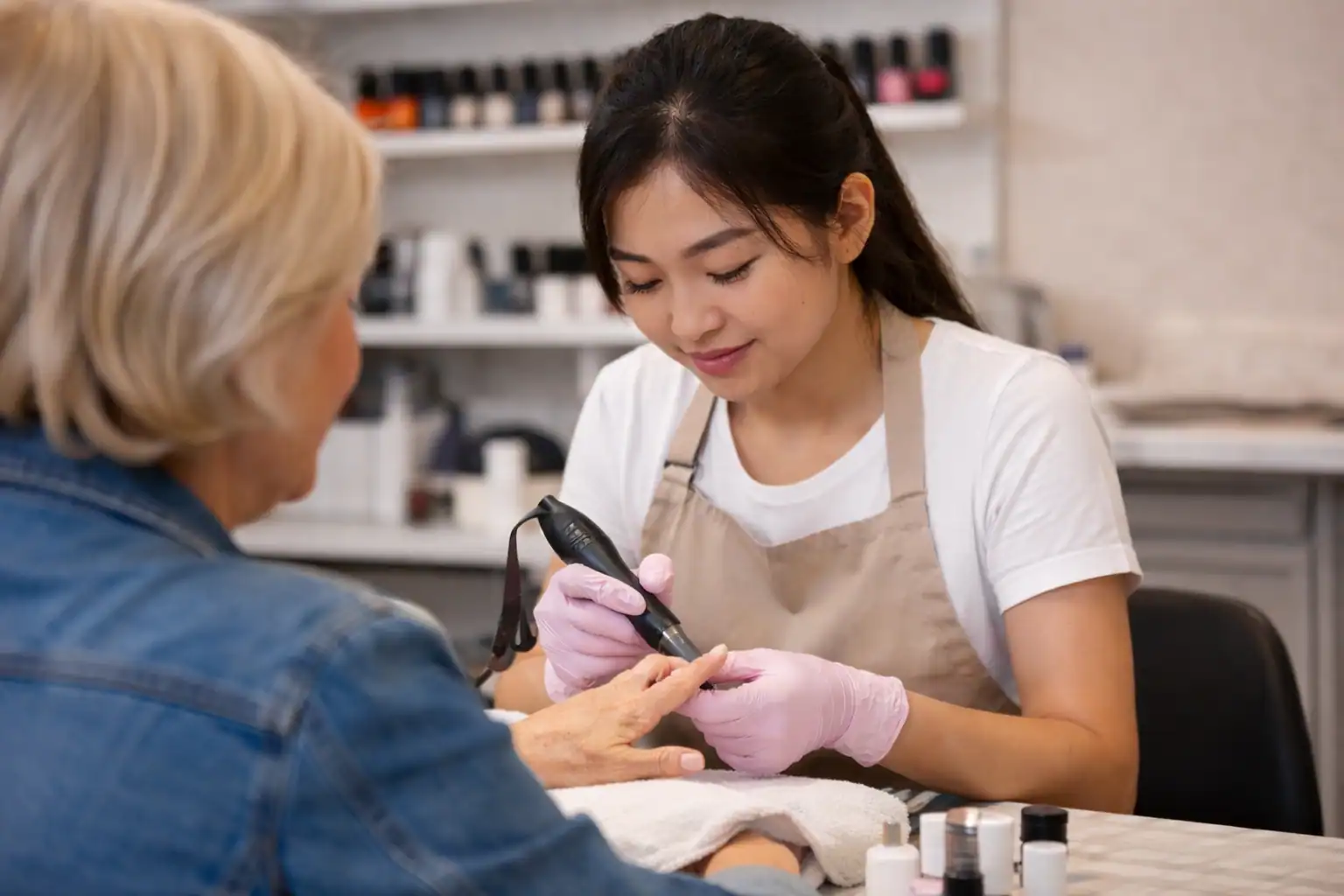
Spa estheticians work in day spas, resort spas, hotel wellness centers, and standalone skincare studios. Their days are filled with services like facials, body wraps, waxing, exfoliation treatments, and relaxation-focused skin therapies. The atmosphere is warm, client-centered, and focused on enhancing well-being and beauty.
A typical spa esthetician builds long-term relationships with regular clients, often supplementing their hourly wage or commission with gratuities and retail product sales. In a busy, high-end spa in a market like Northern Virginia, those extras add up fast. Experienced spa estheticians who develop a strong book of business can do very well for themselves — especially when they pursue continuing education to offer trending treatments.
In terms of base pay, the U.S. Bureau of Labor Statistics places skincare specialists (a category that includes spa estheticians) at a median annual wage in the mid-$40,000s nationally. Top earners in premium markets can exceed $60,000 or more when tips and commissions are factored in.
What Does a Medical Esthetician Do?
Medical estheticians — sometimes called clinical estheticians — work under the supervision of physicians, dermatologists, plastic surgeons, or other licensed medical professionals. Their environment is a medical spa (medspa), dermatology practice, plastic surgery center, or oncology support clinic rather than a traditional day spa.
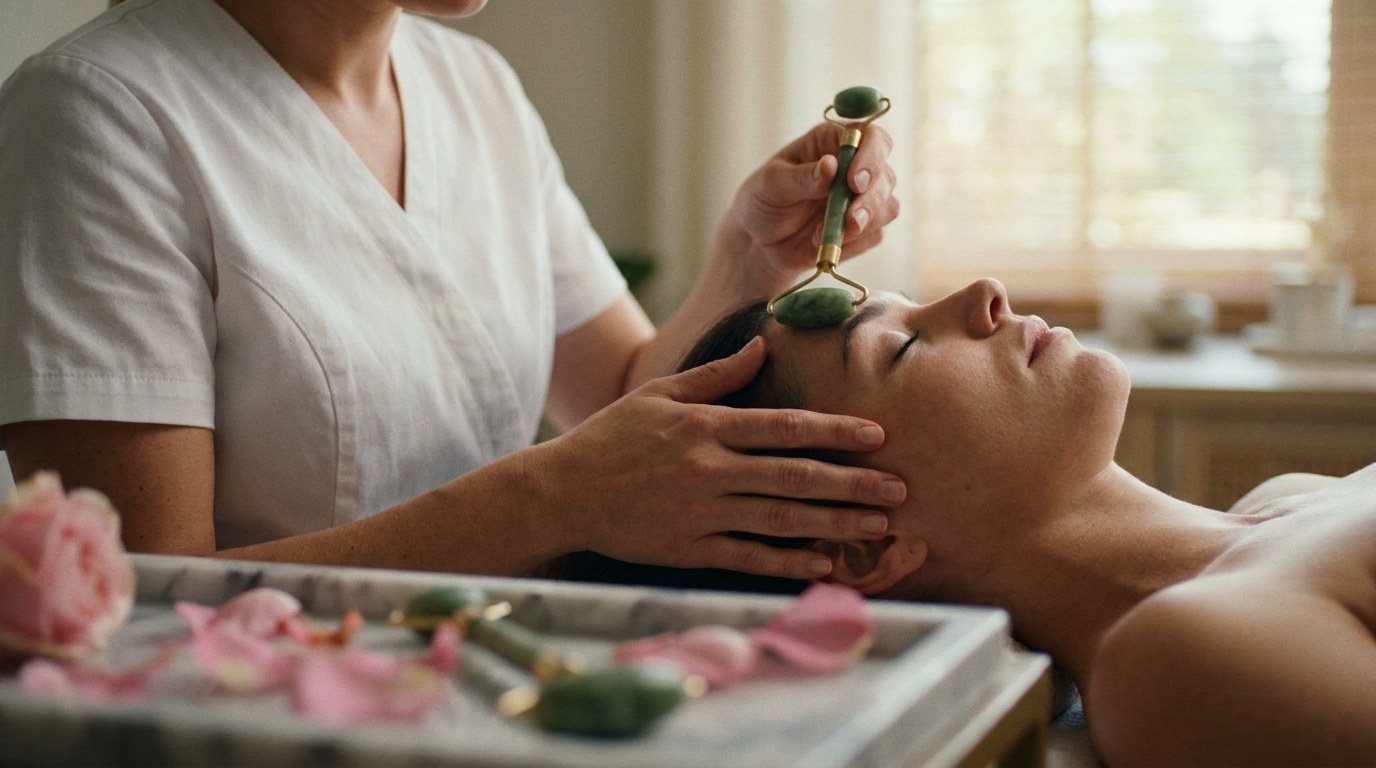
The treatments they perform go a step beyond what you’d find in a typical spa setting. Medical estheticians may assist with or perform procedures like chemical peels at clinical strengths, microdermabrasion, microneedling prep and post-care, photofacials, laser treatments, pre- and post-surgical skin care, and acne management protocols. These are higher-skill, higher-stakes services — and employers pay accordingly.
Because medical estheticians bring specialized knowledge and work in clinical environments with greater liability and precision requirements, their base pay is consistently higher than their spa counterparts. National salary data from platforms like Indeed and ZipRecruiter routinely show medical estheticians earning in the range of $55,000–$75,000 or more annually, with experienced professionals in wealthy suburban markets pushing beyond that ceiling.
Breaking Down the Pay Difference
So why the pay gap? A few factors drive it:
Specialized Training
Medical estheticians bring a deeper clinical skill set that takes more hours to develop. Employers in medical settings expect candidates who understand skin physiology, wound healing, contraindications for clinical treatments, and how to work in a HIPAA-compliant healthcare environment. That expertise commands a premium.
Service Price Points
Medical spa treatments tend to be priced significantly higher than traditional spa services. When a medspa charges several hundred dollars for a laser resurfacing session or a clinical-grade peel, there’s more revenue available to compensate the esthetician performing or assisting with that service.
Work Environment and Structure
Medical practices often offer structured salary packages with benefits — health insurance, paid time off, and sometimes even bonuses tied to client retention. Traditional spas more frequently use commission-based or hourly models without the same benefits package, which can affect total compensation when you compare apples to apples.
Tipping Culture
One area where spa estheticians have an edge: gratuities. Tips are embedded in the spa culture and can meaningfully supplement income. Medical settings, by contrast, have a more clinical culture where tipping is uncommon. For a spa esthetician with an established clientele and excellent service skills, this can narrow the gap between the two tracks.
How Training Determines Which Path You Can Take
Here’s the part that matters most if you’re planning your next move: your training determines which doors open to you.
In Virginia, working as an esthetician requires a state license. The minimum pathway is completing a Basic Esthetics program — AVI Career Training’s Basic Esthetics program is 600 hours — and passing the state board exam. That license will qualify you for most spa esthetician positions.
But if you’re aiming for a medical setting or want to stand out in a competitive market, a Master Esthetics program is the smarter investment. AVI’s Master Esthetics program runs 750 hours and covers advanced techniques and clinical skills that go well beyond the basics. That extra training is exactly what medical spas, dermatology offices, and plastic surgery practices look for when they’re hiring.
If you want to go even further and add laser treatments to your skill set, AVI also offers a Laser Technician program at 120 hours. Laser services are among the highest-revenue procedures in the medspa industry, and estheticians who can legally perform them in supervised settings are highly sought after — and compensated for it.
It’s also worth knowing that Title IV federal financial aid is available at AVI Career Training for qualifying programs, which can make this training accessible even if the upfront cost feels like a barrier right now.
Ready to take the first step toward a higher-paying esthetics career? Apply to AVI Career Training today and find the program that fits your goals.
Location Is a Major Factor — And Northern Virginia Is a Strong Market
If you’re in the Northern Virginia area, you’re already in a favorable position. The D.C. metro region has a dense concentration of medspas, high-end day spas, and dermatology practices, combined with a population that has strong disposable income and a genuine interest in professional skincare services. That combination drives both demand for estheticians and competitive pay rates.
Working out of a market like Vienna, VA — where AVI Career Training is located — puts you within easy reach of a wide range of potential employers, from boutique day spas in Tysons and McLean to busy medspa practices serving the broader region. Starting your training here means you’re already networked into a market with real opportunity.
Can You Transition From Spa to Medical Esthetics Later?
Absolutely — and many estheticians do exactly that. It’s quite common for someone to begin their career in a spa setting, build their technical skills and client service instincts, and then pursue advanced training to move into a clinical environment. The foundation you build as a spa esthetician — understanding skin types, mastering treatment protocols, developing your consultation skills — translates directly to medical esthetics work.
If you start with a Basic Esthetics license and later want to expand your credentials, continuing education and additional programs like Master Esthetics or Laser Technician training can open those doors. AVI Career Training is designed to support learners at different stages, whether you’re starting fresh or leveling up an existing career.
Frequently Asked Questions
Do medical estheticians need a different license than spa estheticians?
In Virginia, both medical and spa estheticians hold a state esthetician license issued by the Virginia Board for Barbers and Cosmetology. The difference is in the training and certifications that go beyond the minimum license requirements. Medical settings typically look for candidates with advanced training (such as a Master Esthetics program) and may require additional certification in specific procedures like laser treatments. Your license is the baseline — your education and skills are what differentiate you in the medical market.
How long does it take to become a medical esthetician?
At AVI Career Training, the Master Esthetics program is 750 hours, which students can complete on a schedule that fits their life. If you add a Laser Technician certification (120 hours), you can build a comprehensive clinical skill set in a relatively short period compared to a four-year degree. From enrollment to starting your first job in a medical setting, many students complete their preparation within a year or so of focused study.
Is the higher pay in medical esthetics worth the extra training?
For most people who pursue it, yes. The additional training in a Master Esthetics or Laser Technician program represents a relatively modest time investment compared to the long-term income difference between a spa and a medical esthetics career. When you factor in the typical salary premium over a 10- or 20-year career, the return on that extra education is substantial. It’s also worth noting that Title IV federal financial aid is available at AVI for qualifying programs, which can reduce the financial barrier to getting that advanced training.
Can spa estheticians earn as much as medical estheticians?
It’s possible, particularly for highly experienced spa estheticians in premium markets with a strong book of business, excellent retail sales skills, and a loyal clientele who tip generously. However, as a general rule, the medical pathway offers a higher and more consistent base income without relying as heavily on tips and commissions. If you thrive in a spa environment and are great at building client relationships, you can do very well — but the ceiling in medical esthetics tends to be higher.
How do I get started if I’m new to esthetics and have no prior experience?
No prior experience is needed to enroll in an esthetics program at AVI Career Training. Whether you’re changing careers entirely, just starting out, or returning to school after a gap, the Basic Esthetics program (600 hours) gives you everything you need to earn your Virginia esthetics license and begin working. If you already know you want to pursue the medical path, starting with the Master Esthetics program (750 hours) positions you even more competitively from day one. The best first step is simply reaching out to talk through which option makes sense for where you are and where you want to go.
Interested in learning more about AVI’s esthetics programs? Contact us or apply online — our admissions team is here to answer your questions and help you find the right fit.
The Bottom Line
Medical estheticians generally earn more than spa estheticians — but both careers offer genuine opportunity for people who are passionate about skincare and committed to excellent work. The key variable is training. The more advanced your skills and credentials, the more doors open to you and the higher the compensation you can command.
Whether your goal is a relaxing spa environment where you build lasting client relationships or a fast-paced medspa where you work alongside medical professionals on clinical skin treatments, AVI Career Training in Vienna, VA has a program designed to get you there. With COE accreditation, Title IV federal financial aid availability, and programs ranging from Basic Esthetics to Master Esthetics and Laser Technician training, AVI is built to help you launch a career you’re genuinely excited about.
Apply to AVI Career Training today and take the first step toward the esthetics career — and the income — you’ve been working toward.
AVI Career Training | 112 Lawyers Rd NW Suite 3, Vienna, VA 22180 | (571) 520-4417