Medical Assistant (NO FINANCIAL AID FOR THIS PROGRAM) vs. Esthetician: Which Career Is Right for You?
The medical assistant (NO FINANCIAL AID FOR THIS PROGRAM) and esthetics career paths both offer real jobs, real income, and a real future — without requiring a four-year degree. If you’re weighing your options, you’re in the right place. This guide breaks down what each path looks like, how long training takes, what you can expect to earn in Virginia, and — critically — which path opens doors you may not have considered yet.
Key Takeaways
– Medical assistant (NO FINANCIAL AID FOR THIS PROGRAM) programs take 9–12 months for a certificate; esthetics licensure in Virginia can be achieved in as few as 5–6 months
– Virginia estheticians earn approximately $35,000–$55,000+/year; medical estheticians and cosmetic laser technicians in the DC metro area can earn $45,000–$70,000+
– Virginia requires 600 clock hours of training for an Esthetics license — one of the more accessible licensing thresholds in the country
– Esthetics careers have a higher income ceiling than salaried MA roles — commission, tips, and self-employment create earning potential that a fixed hourly wage does not
– AVI Career Training in Vienna, VA offers both an Esthetics program and a Cosmetic Laser Technology program — two direct paths into the medical spa and clinical skincare market
If you’re ready to explore what an esthetics career in Northern Virginia looks like, apply now at AVI Career Training or call (703) 943-9841 to speak with an admissions advisor.
What Does a Medical Assistant (NO FINANCIAL AID FOR THIS PROGRAM) Actually Do?
Medical assistants (NO FINANCIAL AID FOR THIS PROGRAM) are the connective tissue of a clinical setting. They work in physician offices, urgent care clinics, hospitals, and specialty practices — handling both administrative and hands-on patient tasks.
On the clinical side, a medical assistant (NO FINANCIAL AID FOR THIS PROGRAM) might take vital signs, draw blood, prepare patients for exams, administer injections, or assist with minor procedures. On the administrative side, they manage patient records, schedule appointments, handle billing codes, and coordinate referrals. It’s a role that requires both attention to detail and genuine comfort working with patients.
Key facts about medical assisting:
– No universal national license is required, though certifications like the CMA (Certified Medical Assistant ) or RMA (Registered Medical Assistant ) improve hiring prospects
– Most employers prefer or require a certificate or associate degree from an accredited program
– Programs typically run 9–12 months for a certificate and up to two years for an associate degree
– Work is almost always in a salaried or hourly structure — income growth is tied to experience, employer, and setting
Medical assisting (NO FINANCIAL AID FOR THIS PROGRAM) is a stable, respected career. If you’re drawn to healthcare and want to work directly with patients in a clinical environment, it’s worth considering seriously. The Bureau of Labor Statistics (BLS) projects approximately 18% growth for medical assistants through 2032 — well above the national average for all occupations.
But here’s what most comparison articles skip over: you don’t have to become a medical assistant to work in a clinical, patient-facing environment. That’s where esthetics — and specifically medical esthetics — changes the conversation entirely.
What Does an Esthetician (NO FINANCIAL AID FOR THIS PROGRAM) Do — And Where Can They Work?
Most people picture an esthetician (NO FINANCIAL AID FOR THIS PROGRAM) giving facials at a day spa. That image is outdated — and it’s underselling the profession significantly.
Yes, estheticians perform facials, waxing, body treatments, and skincare consultations. But the scope of where they work and what they do has expanded dramatically over the past decade. Today’s estheticians are employed in:
- Medical spas (med spas) — the fastest-growing segment of the esthetics industry
- Dermatology offices — supporting physicians with pre- and post-procedure skincare
- Plastic surgery practices — preparing patients for surgery and managing recovery skincare
- Laser clinics — performing treatments like laser hair removal, IPL, and skin resurfacing
- Oncology settings — providing specialized skincare support for cancer patients
- High-end destination spas and resort properties
- Independent practice — with the ability to rent a suite and build a personal client base
An esthetician (NO FINANCIAL AID FOR THIS PROGRAM) who pursues advanced training in cosmetic laser technology can operate equipment that non-licensed aesthetics professionals cannot legally touch in many states. That’s a significant professional distinction — and a meaningful income driver.
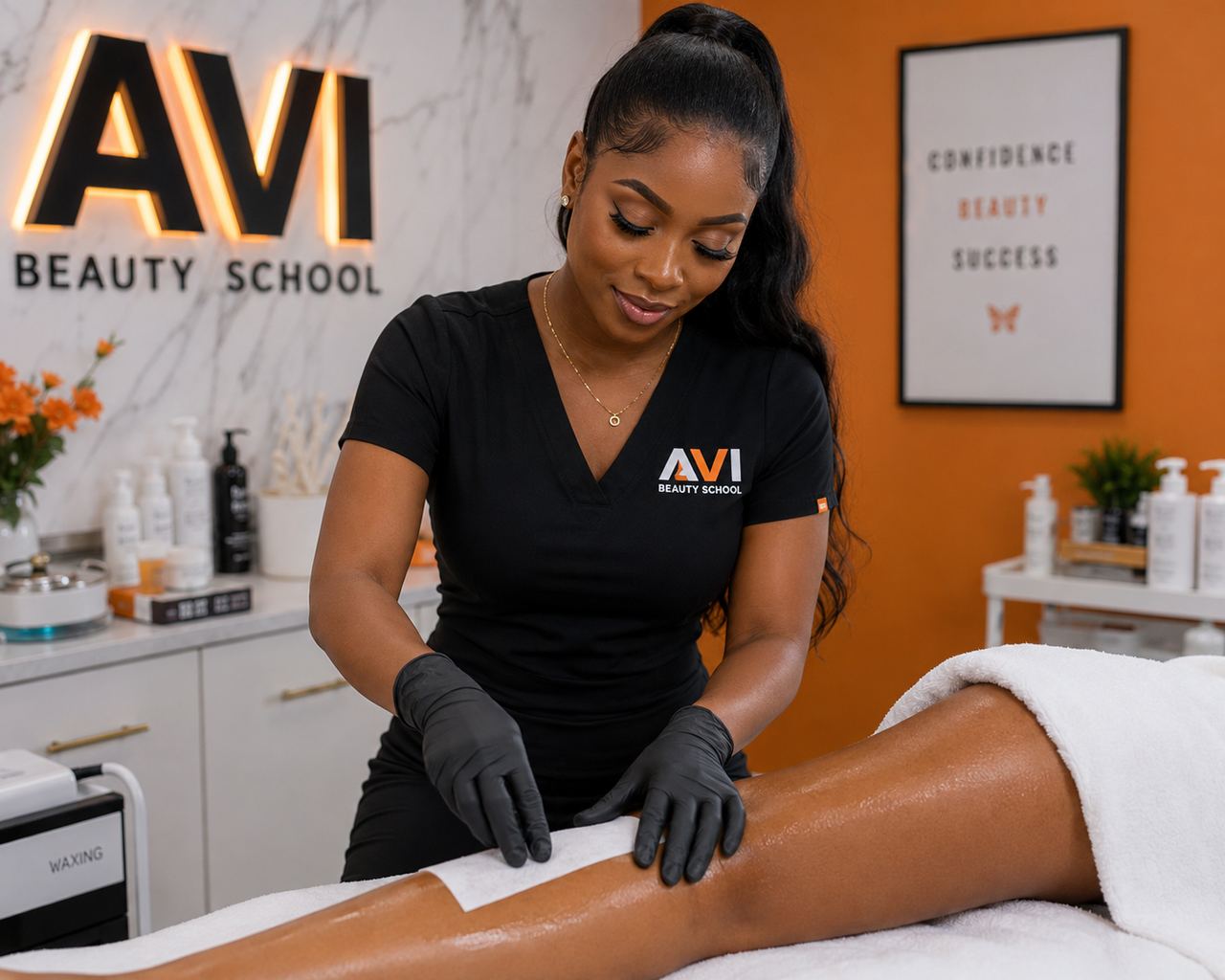
The clinical esthetics path is real, and it’s growing. If part of what draws you to medical assisting is the clinical environment, the patient interaction, and the sense that you’re helping people look and feel better — esthetics can deliver all of that, often with a shorter path to licensure and a higher income ceiling.
Training Time and Cost: A Side-by-Side Comparison
When you’re deciding between a beauty school vs. medical assistant (NO FINANCIAL AID FOR THIS PROGRAM) program, training length and cost are often the deciding factors. Here’s an honest, side-by-side look.
Medical Assistant (NO FINANCIAL AID FOR THIS PROGRAM) Programs
| Factor | Certificate Program | Associate Degree |
|---|---|---|
| Training Length | 9–12 months | 18–24 months |
| Setting | Vocational school / community college | Community college |
| Typical Tuition | $10,000–$18,000 | $6,000–$15,000 (in-state) |
| Licensure Required | No (certification optional) | No |
Certificate progra