Medical Assistant Schools in Virginia: What to Know
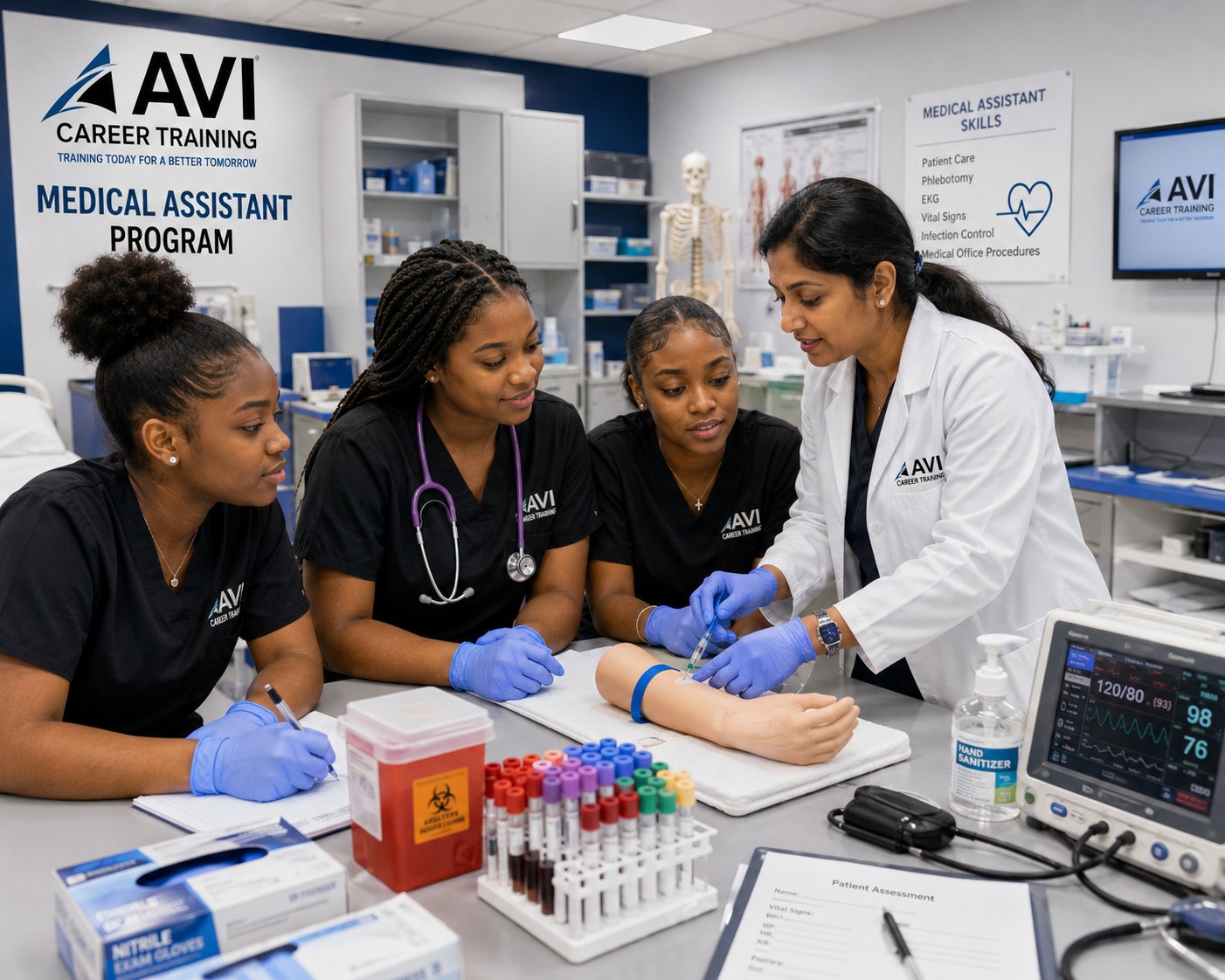
Medical assistant schools in Virginia typically offer certificate programs lasting 9 to 12 months, costing between $5,000 and $20,000, and do not require state licensure — though national certification through the CMA or RMA credential is the industry standard. Virginia’s healthcare sector is growing fast, and the Northern Virginia/DC metro area is one of the most competitive and well-compensated markets in the country for clinical support careers.
This guide gives you honest, specific information about medical assistant training in Virginia — including timelines, costs, and what the work actually looks like. It also introduces you to a parallel career track you may not have considered: the medical spa industry, where licensed estheticians, laser technicians, and electrologists work in clinical environments and often earn more than traditional medical assistants.
- Medical assistant training in Virginia typically takes 9–12 months and costs $5,000–$20,000 depending on the program
- Virginia does not require state licensure for medical assistants — but the CMA or RMA certification is the industry standard
- Medical assistants in Virginia earn an average of $38,000–$48,000/year (BLS, 2023)
- Medical spa careers — laser technician, electrologist, esthetician — often pay $45,000–$75,000+ with tips and commission
- AVI Career Training in Vienna, VA offers accredited clinical-adjacent training programs that launch careers in the booming med spa industry
Explore AVI’s Clinical Programs →
—
What Does a Medical Assistant Actually Do?
A medical assistant is a clinical support professional who works under the supervision of physicians and nurses in a medical office, clinic, or hospital setting. The role splits almost evenly between administrative tasks and hands-on patient care.
Administrative Duties
On the admin side, medical assistants handle scheduling, insurance verification, patient intake paperwork, billing codes, and electronic health record entry. In a busy primary care practice, this can be the majority of the workday.
Clinical Duties
Clinically, medical assistants take vital signs, prepare patients for exams, draw blood, administer injections, perform EKGs, and assist physicians during procedures. The work is fast-paced, patient-facing, and genuinely meaningful.
Where It Gets Interesting: Specialized Clinical Roles
Here’s something most career guides skip: not all clinical support careers follow the medical assistant path. The medical spa industry has created an entirely separate category of licensed clinical professionals — estheticians, cosmetic laser technicians, and electrologists — who work in clinical environments, interact closely with patients, and focus on skin health, hair removal, and aesthetic treatments.
The distinction matters because these two career tracks require different training, different licenses, and lead to different work environments. A medical assistant works in a doctor’s office or hospital. A licensed medical aesthetician or laser technician works in a med spa, dermatology clinic, or plastic surgery practice — often with a higher earning ceiling and more entrepreneurial flexibility.
We’ll get into the salary comparison in detail below. First, let’s cover what you need to know about medical assistant training specifically in Virginia.
—
Medical Assistant Training in Virginia — Timelines, Costs, and Licensing
Medical assistant training in Virginia is widely available, and the path is more straightforward than many people expect.
How Long Does Medical Assistant School Take in Virginia?
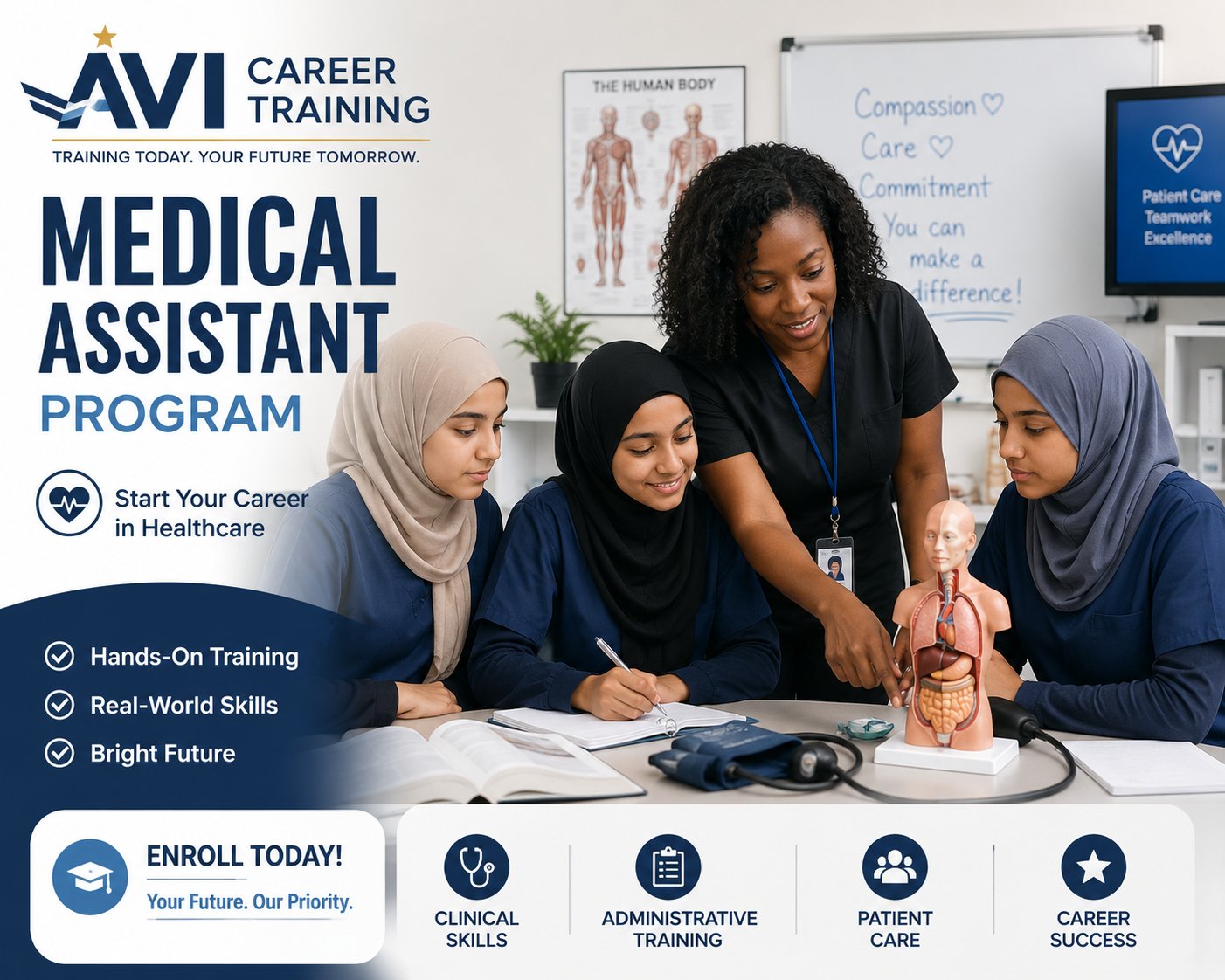
Most medical assistant programs in Virginia run 9 to 12 months for a diploma or certificate. An associate degree takes closer to 18 to 24 months. Community colleges — Northern Virginia Community College (NOVA), for example — offer accredited programs at multiple campuses throughout the region. Private healthcare training schools may run shorter, more intensive tracks.
What Does Medical Assistant Training Cost?
Tuition varies significantly by institution:
| Program Type | Typical Duration | Estimated Cost |
|---|---|---|
| Community College Certificate | 9–12 months | $5,000–$10,000 |
| Private Training School Diploma | 9–12 months | $12,000–$20,000 |
| Associate Degree (Community College) | 18–24 months | $8,000–$15,000 |
Does Virginia Require a License for Medical Assistants?
No — Virginia does not require state licensure for medical assistants. The profession is not regulated at the state level by the Virginia Department of Professional and Occupational Regulation (DPOR). However, most employers strongly prefer — and many require — national certification through the American Association of Medical Assistants (CMA credential) or the American Medical Technologists (RMA credential).
Those certification exams typically require graduation from an accredited program and a passing score on a national test.
What Is the Job Market Like for Medical Assistants in Northern Virginia?
The Northern Virginia and DC metro market is strong for healthcare support roles. Large health systems — Inova, NOVA Health, Kaiser Permanente, and many independent practices in Fairfax, Arlington, and Tysons Corner — all hire medical assistants regularly. The Bureau of Labor Statistics projects 14% job growth for medical assistants through 2032, faster than average for all occupations.
The trade-off: medical assisting is a well-established profession, which also means it’s a competitive one. Salaries are modest, advancement often requires additional credentials, and the work environment is demanding.
—
The Medical Spa Industry — Where Aesthetics and Healthcare Meet
The medical spa sector is one of the fastest-growing segments of the healthcare-adjacent economy — and Northern Virginia sits at the center of it.
Med spas operate at the intersection of clinical medicine and aesthetic wellness. They’re supervised by licensed physicians but staffed heavily by licensed estheticians, cosmetic laser technicians, and electrologists who perform the actual treatments. In Virginia’s affluent suburban markets — Vienna, McLean, Tysons, Arlington, Reston — med spas are everywhere, and demand for trained, licensed practitioners is real and growing.
What Treatments Happen in a Medical Spa?
A typical Virginia med spa offers services including:
The licensed professionals performing most of these services — particularly laser and electrolysis treatments — are not medical assistants. They’re cosmetic laser technicians and electrologists with specialized state-regulated training.
Where AVI Career Training Fits In
AVI Career Training in Vienna, Virginia trains students for exactly these roles. Located minutes from Tysons Corner in the heart of Northern Virginia’s med spa corridor, AVI offers accredited programs in:
AVI is accredited by the Council on Occupational Education (COE) and certified by SCHEV (Virginia’s State Council of Higher Education). These aren’t generic beauty school credentials — they’re the benchmarks for serious, career-ready training in Virginia.
—
Virginia Career Paths That Don’t Require a Medical Degree (But Pay Like One)
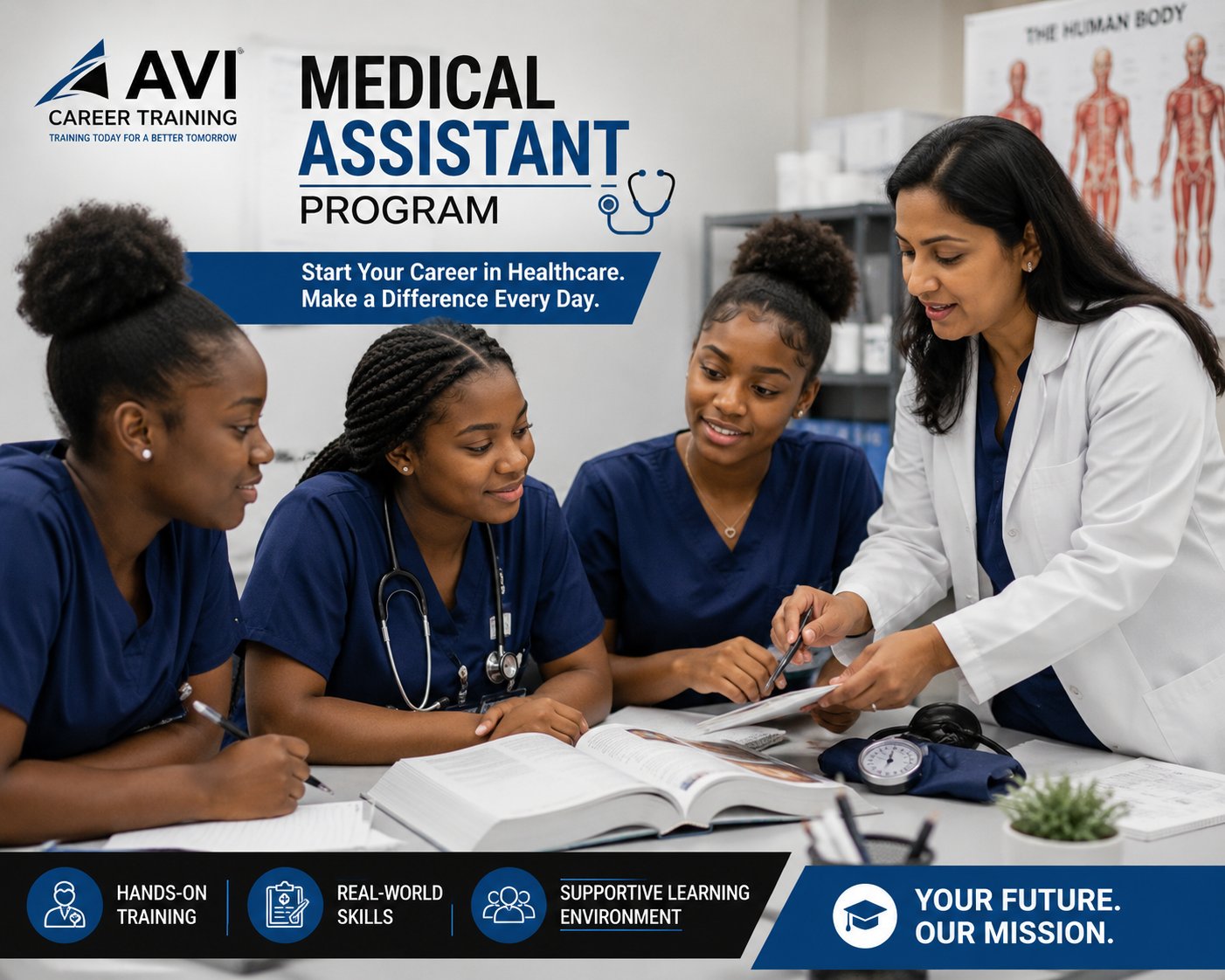
Let’s talk numbers — because salary is often the deciding factor when choosing a training program.
| Career | Avg. Salary in Virginia | Training Time | Earning Ceiling |
|---|---|---|---|
| Medical Assistant | $38,000–$48,000/yr | 9–12 months | Modest — requires additional credentials to advance |
| Licensed Esthetician (Med Spa) | $45,000–$65,000+/yr | 6–12 months | High — tips, commission, self-employment potential |
| Cosmetic Laser Technician | $50,000–$75,000+/yr | Varies by program | High — specialized skill, limited supply of qualified techs |
| Electrologist | $45,000–$70,000+/yr | Varies by program | High — only licensed permanent hair removal method |
The salary data tells a clear story. Medical assisting is a stable career — but the earning ceiling is real and relatively low. Esthetics, laser technology, and electrolysis all offer faster routes to $50,000+ income, especially in a high-cost, active market like Northern Virginia.
The other key difference: tips and commission. Medical assistants are salaried employees in clinical systems. Estheticians and laser techs working in med spas or independently often earn significantly more than their base pay through client relationships, retail sales, and services.
A Student Story: From Healthcare Curiosity to Med Spa Career
Consider someone like Daniela — a 29-year-old Arlington resident who spent two years as a receptionist at a dermatology clinic. She watched laser technicians and estheticians every day, saw the client relationships they built, and noticed that they seemed to genuinely love their work. She started researching medical assistant programs because she wanted to move into a clinical role — but after comparing the training timelines, salaries, and job types, she enrolled in AVI Career Training’s Esthetics program instead.
Six months later, Daniela completed her training, passed her Virginia State Board exam, and landed a role at a med spa in McLean. She started at $42,000 base — and with tips and retail commission, she hit $57,000 in her first full year. The clinical curiosity that led her to search “medical assistant schools in Virginia” took her somewhere better.
—
What Certifications Do You Need to Work in a Medical Spa in Virginia?
Working in a Virginia medical spa requires specific state-issued credentials — and the requirements differ based on the service you provide.
For Esthetics / Skin Care
Virginia requires a Cosmetology/Esthetics license issued by DPOR. To qualify, you must complete a state-approved esthetics training program (minimum 260 hours for Basic Esthetics in Virginia) and pass both a written and practical exam administered by the Virginia State Board of Cosmetology.
For Laser Treatments
Virginia regulates laser and light-based treatments. Requirements vary based on the specific device and procedure, and med spas must operate under physician supervision. Most employers require formal training in cosmetic laser technology from an accredited program. AVI’s Cosmetic Laser Technology program (NO FINANCIAL AID FOR THIS PROGRAM) prepares graduates for these clinical roles with hands-on, device-specific training.
For Electrolysis
Virginia is one of the states that does regulate electrologists. Practicing electrolysis without a license is illegal in Virginia. To become licensed, you must complete an approved training program, pass the American Electrology Association (AEA) board exam, and register with DPOR. AVI’s Electrolysis program (NO FINANCIAL AID FOR THIS PROGRAM) is designed to meet Virginia’s licensure requirements and prepares students for the AEA board exam.
AVI’s Cosmetic Laser Technology and Electrolysis programs are under 600 hours in length. Federal financial aid (Title IV/FAFSA) is not available for these programs. AVI offers payment plans and can help connect students with private financing options. Contact our admissions team at (703) 943-9841 to discuss your options.
—
Is Healthcare Career Training in Northern Virginia Worth It?
Yes — with the right program. Northern Virginia’s proximity to federal health agencies, major hospital systems, and a dense population of high-income households creates strong, sustained demand for healthcare and wellness professionals of all types.
The key question isn’t whether the market is good. It’s whether the specific training you choose leads to the career outcomes you want.
What to Look for in Any Healthcare-Adjacent Training Program
Whether you’re comparing medical assistant programs or clinical aesthetics training, ask these questions before enrolling:
AVI Career Training checks every one of those boxes for its programs. The school is COE-accredited, SCHEV-certified, and built around hands-on training in a real clinical learning environment. Instructors are licensed professionals — not just credentialed academics.
Another Student Story: A Career Pivot That Made Sense
Marcus was 36 years old, working in logistics, and tired of the grind. He’d always been interested in health and wellness — he’d even looked at CNA programs and medical assistant schools before realizing he wanted a role with more direct client interaction and less institutional bureaucracy. A friend mentioned AVI’s Massage Therapy program. Marcus did the research, scheduled a tour, and enrolled within the week.
After completing his Massage Therapy training at AVI, Marcus passed his MBLEx exam and accepted a position at a wellness clinic in Tysons Corner. The work is demanding — he sees six to eight clients a day — but he’s earning more than he expected and building a client base that could eventually support a private practice. He tells people: “I Googled medical assistant training and ended up finding exactly what I actually wanted.”
Talk to AVI Admissions About Your Options →
—