Summary:
You’ve seen the job posts. “Medical esthetician” at a med spa, a dermatology office, a plastic surgery practice. Then you look up how to get there in Virginia and land on pages from other states, talking about 975-hour programs and clinical credentials. It’s hard to tell what applies in Fairfax County and what doesn’t.
Here’s the short version. Virginia doesn’t issue a medical esthetician license. It issues two that matter: esthetician and master esthetician. Most of the confusion lives in the gap between them. We’ll walk through what each one covers, what falls outside both, and how to plan your route before you commit to tuition.
Is There A Medical Esthetician License In Virginia?
No. In most states “medical esthetician” is a job title or a specialty, not a license, and Virginia works the same way. The Virginia Board for Barbers and Cosmetology, which sits under DPOR, licenses estheticians at two levels. If a job post says medical esthetician, medical aesthetician or clinical skin care, that’s the employer describing the work, not naming a credential.
That’s why the 975-hour figure you may have run into doesn’t help you here. It belongs to one out-of-state school’s program, not to a Virginia rule.
The Virginia ladder is simpler. You complete 600 hours at a licensed school and pass the state board exams to become an esthetician. If you want the next level, you add a master esthetician license, which takes a further 600 hours of board-approved master training and its own exam.
What Can You Do With A Basic Esthetician License In Virginia?
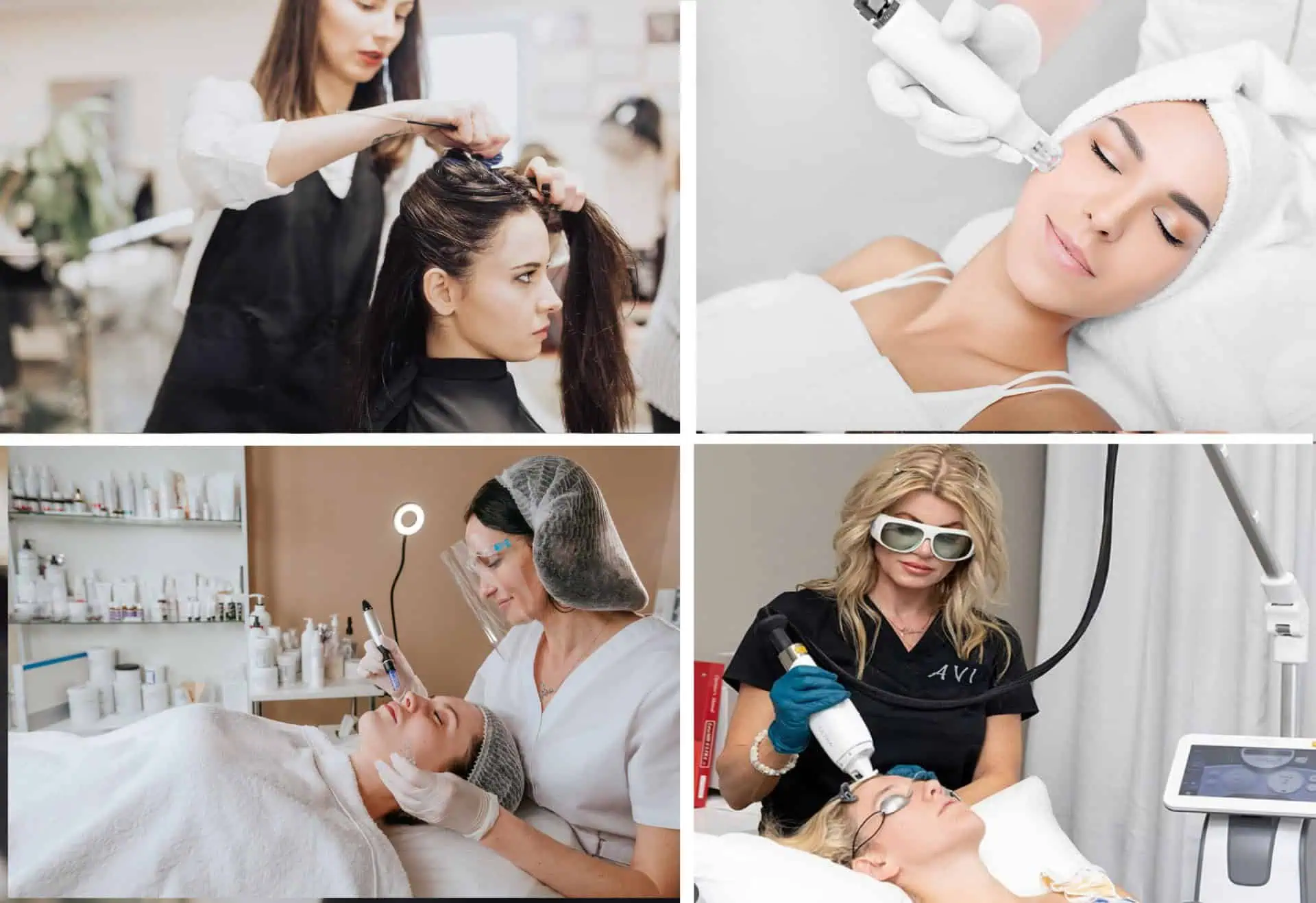
In Virginia, any paid skin-care service requires a license, so this is your entry point. It covers the core of the trade: skin analysis, consultations, facials done by hand and with machines, and the client care that goes with them. Waxing is part of the picture too, but estheticians do far more than facials and waxing, and the basic license is broader than most people expect.
Our Basic Esthetics 600 program prepares you for the Virginia state board exam. We teach from the Milady Standard Esthetics: Fundamentals textbook, and the coursework includes skin treatment, business theory and ethics. We also cover the Fitzpatrick skin type scale and the considerations for melanin-rich skin. In a county as diverse as Fairfax County, that isn’t a bonus topic. It’s what you’ll see in your treatment room on day one.
What a basic license doesn’t include is chemical exfoliation. That sits at the master level, which is where a lot of people get surprised.
You don’t need prior experience to start. Students going full-time typically finish in about 6 to 12 months, and you can ask us about part-time options if you’re working or managing a family. Once you’re licensed, plan on renewing every two years.
What Can A Master Esthetician Do In Virginia?
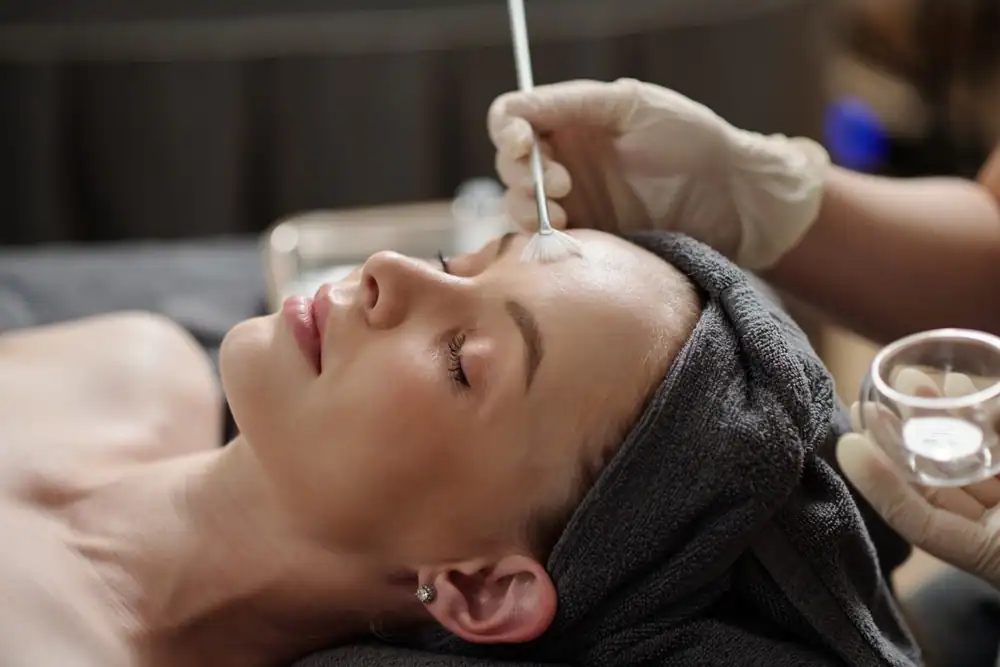
The master esthetician license is the closest thing Virginia has to what job posts call a medical esthetician. Under Virginia Code § 54.1-700, the master tier covers lymphatic drainage, chemical exfoliation and microdermabrasion of the epidermis. State regulations also spell out which exfoliators a master esthetician may use, including non-prescriptive AHAs and BHAs, enzymes, vitamin-based acids, Jessner and Modified Jessner solution, and TCA under 20%.
To qualify, you need a current esthetician license, then 600 hours of master training and a separate master exam. That’s roughly 1,200 hours across both licenses. The Board also lists other routes, such as three years of licensed experience in Virginia, so if you’re already working as an esthetician, check where you stand before you enroll in anything.
Our Master Esthetics program teaches microdermabrasion, chemical peels and facial treatments, and it’s designed to position graduates for roles in medical spas and high-end skin care settings. The state is firm about scope. Licensed spas and schools are responsible for making sure nobody practices beyond their license, which is why employers pay attention to which license you hold.
Two things the master license is not: a nursing credential, or a ticket to every treatment on a med spa menu. The next sections cover where the line sits and what it looks like in the Fairfax County job market.
What Do Fairfax County Med Spas And Dermatology Offices Hire For?
Fairfax County has no shortage of places that use the medical esthetician title: med spas, dermatology and plastic surgery offices, and luxury spas. Many Northern Virginia med spa postings ask for a license plus around two years of focused experience, often including chemical peels and laser work. That’s a lot to expect from someone fresh out of school.
Virginia regulates procedures rather than venues. There’s no “med spa license,” so employers lean on your state license and its scope to decide what you can do. In practice, that means the real path runs in order: get licensed, build experience, and add the master license when the work you want requires it.
If you commute across the DC area, it helps that we’re licensed by the Virginia, Maryland and DC boards, so our graduates can pursue licensure in all three jurisdictions.
Can A Virginia Master Esthetician Do Lasers, Microneedling Or Injections?
Not under the esthetician or master esthetician license. Neither tier includes microneedling or injections, and a medical esthetician generally isn’t required to have formal medical training. Those treatments belong to other licensed providers or to properly supervised delegation.
Lasers are their own category. Virginia Code § 54.1-2973.1 covers laser hair removal. It can be performed by a physician, physician assistant or nurse practitioner, or by a properly trained person working under their direction and supervision. Commentary on the Virginia licenses describes both esthetician tiers as defined without the use of laser technology. So when a job post lists chemical peels and lasers together, it’s usually combining two different sets of rules.
That’s where our Laser Technician Program comes in. It’s 120 hours and covers laser science, safety, equipment operation and regulations. It’s a separate step from the esthetician and master licenses, and it doesn’t replace the supervision requirements around laser work.
Before you plan around any laser role, check the Code of Virginia and the Board’s guidance directly, and ask our admissions team how the pieces fit for the job you have in mind.
Medical Esthetician Salary In Virginia: Is The Second 600 Hours Worth It?
Start with what the data does and doesn’t say. There’s no separate government category for medical estheticians, so the closest match is skincare specialists. The Bureau of Labor Statistics put their median pay at $45,330 a year, or $21.79 an hour, in May 2025. It projects 9% growth from 2025 to 2035, which it calls much faster than average, with about 14,200 openings a year.
Virginia sits below the national median, at roughly $36,000 to $39,000 in recent BLS data. Payscale, which relies on self-reported pay, lists an average of $21.69 an hour for the job title “Medical Esthetician,” with a range from $16.05 to $30.56. Fairfax County salaries tend to track with broader Northern Virginia trends, though individual employers and specialties vary.
So is the second 600 hours worth it? It depends on where you want to work. If you picture a facial studio or day spa, the basic license can get you started, and you can add the master license later. If you want to do peels and microdermabrasion in a med spa, a dermatology office or a plastic surgery practice, the master license is what allows it. It opens specific services and employers. It doesn’t guarantee higher pay, which still depends on the role, your experience and the employer.
Ready To Start Your Esthetician License Path In Fairfax County?
Virginia doesn’t license a medical esthetician. It licenses estheticians at two levels, and lasers, microneedling and injections sit under separate rules. Plan your route in that order: license first, then experience, then the master license if the work you want calls for it.
We’ve been training students in Fairfax County since 1985, and we’re accredited by the Council on Occupational Education. At AVI Career Training, you can move from Basic Esthetics 600 to Master Esthetics and on to the Laser Technician Program without changing schools. Our students come from Fairfax City, Fairfax Station, Tysons and beyond, and their reviews keep pointing to attentive instructors and a family-like atmosphere.
If you’re sorting out which license fits your goals, reach out to AVI Career Training. Ask about a tour, tuition and payment options, and part-time schedules, and we’ll help you map out the next step. Contact AVI Career Training today to enroll in our upcoming esthetician classes in Fairfax County.