Medical Assistant Careers in Virginia 2026: Complete Guide |
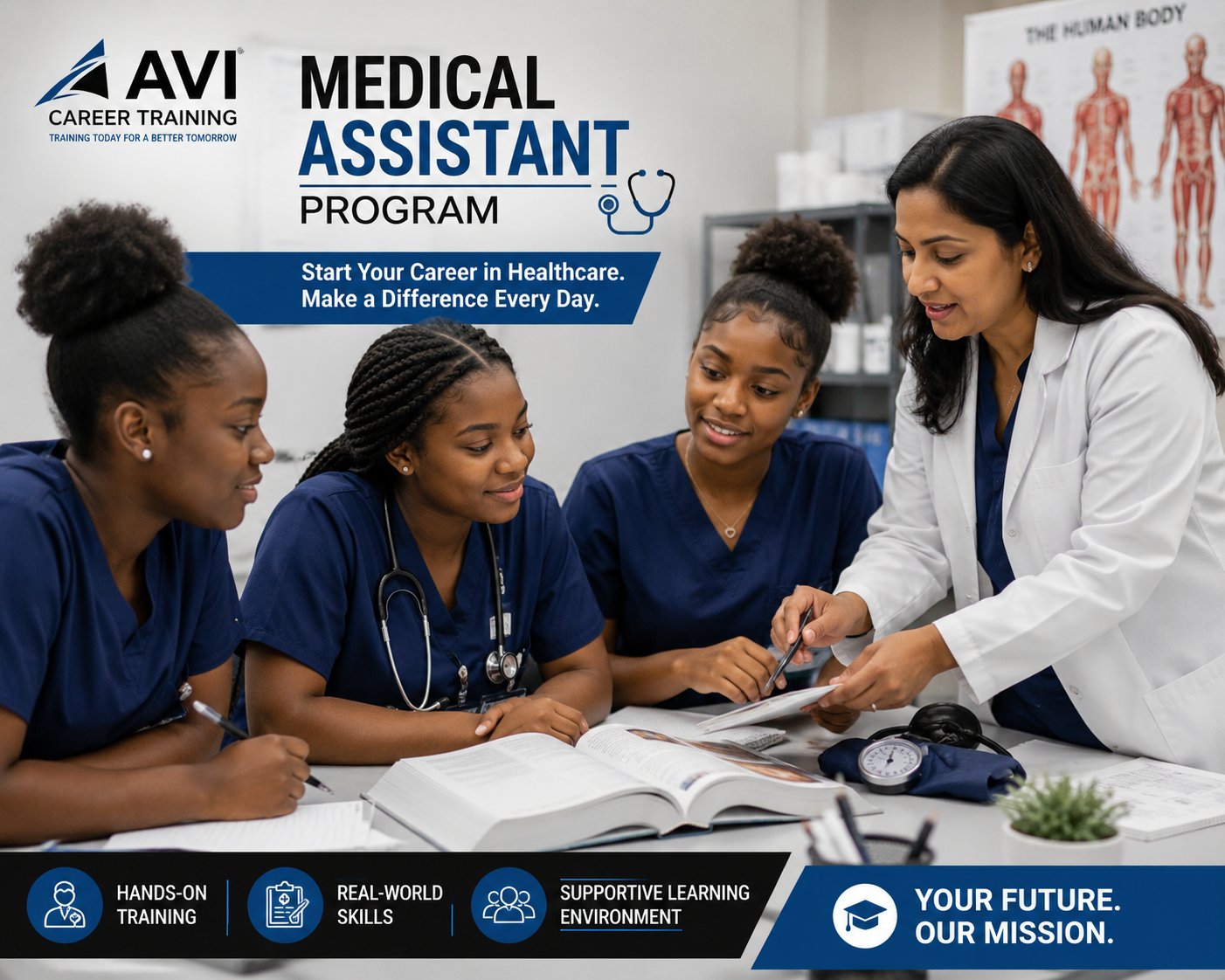
Medical assistant (NO FINANCIAL AID FOR THIS PROGRAM) careers in Virginia are projected to grow 15% through 2032 — nearly double the average rate for all occupations — making this one of the more established healthcare roles in the Commonwealth right now. If you’re exploring a career change or looking for a credential-based path that doesn’t require a four-year degree, the timing has never been better to understand what this field pays, what it takes to get in, and which adjacent roles — like medical esthetics and cosmetic laser technology — are growing just as fast.
This guide breaks down everything you need to know about medical assistant (NO FINANCIAL AID FOR THIS PROGRAM) careers in Virginia for 2025 and 2026, plus a look at the medical-adjacent beauty and wellness careers that are quietly outpacing many traditional healthcare tracks.
Ready to explore a fast-growing healthcare-adjacent career? Apply now at AVI Career Training and start building your path in medical esthetics or cosmetic laser technology in Northern Virginia.
Key Takeaways
- Medical assistant (NO FINANCIAL AID FOR THIS PROGRAM) jobs in Virginia are projected to grow 15% through 2032, faster than nearly all other occupations
- The median annual wage for medical assistants in Virginia is $38,000–$42,000, with Northern Virginia / DC metro wages running 15–20% higher than the state median
- Virginia does not require state licensure for medical assistants — national certification through AAMA or AMT strengthens your candidacy significantly
- Most MA programs take 9–12 months to complete; some accelerated options run as short as 6 months
- Medical esthetics and cosmetic laser technology are growing at comparable rates, offer higher earning potential in med spa settings, and require less training time — often 80 hours for Cosmetic Laser Technician certification
- AVI Career Training in Vienna, VA offers accredited Cosmetic Laser Technician and esthetics programs that lead directly into medical and med spa environments
Why Medical Assistant (NO FINANCIAL AID FOR THIS PROGRAM) Is Exploding in Virginia Right Now
Virginia’s healthcare economy is in the middle of a significant expansion. The U.S. Bureau of Labor Statistics projects national medical assistant (NO FINANCIAL AID FOR THIS PROGRAM) employment to grow 14–16% between 2022 and 2032 — categorized as “much faster than average.” In Virginia, that growth is accelerating even faster in specific regions.
Here’s why:
Northern Virginia’s aging population is driving outpatient demand. Fairfax, Loudoun, and Prince William counties are home to one of the most rapidly aging suburban populations on the East Coast. As the baby boomer generation moves further into retirement years, the need for outpatient clinical support — including front-line medical assistants — is surging in physician offices, urgent care clinics, and specialty practices.
Medical office campuses are expanding. Inova Health System, Kaiser Permanente, and a wave of private specialty practices have been adding facilities across Northern Virginia for the past five years. Each new clinic location needs clinical and administrative staff.
Post-pandemic outpatient growth has not slowed. The shift away from hospital-based care toward outpatient settings accelerated sharply after 2020 and has become permanent. Medical assistants are the backbone of outpatient clinical operations.
The Virginia Employment Commission (VEC) consistently lists healthcare support occupations among the top growth categories in the Commonwealth. Statewide, thousands of new medical assistant positions are projected to open between now and 2032 — both from growth and from replacing workers who retire or transition out.
In concrete terms: this is not a trend. It’s a structural shift in how healthcare gets delivered, and medical assistants are at the center of it.
What Does a Medical Assistant (NO FINANCIAL AID FOR THIS PROGRAM) Actually Do — and What Does It Pay in Virginia?
Many career changers misunderstand what a medical assistant actually does on the job. The role is broader than most people expect — and that breadth is one reason demand is so high.
Clinical Duties vs. Administrative Duties
Medical assistants (NO FINANCIAL AID FOR THIS PROGRAM) typically split their time between two categories of work:
Clinical duties include:
– Taking patient vital signs (blood pressure, temperature, weight)
– Drawing blood and collecting lab specimens
– Administering medications and injections under physician supervision
– Preparing exam rooms and sterilizing equipment
– Assisting during minor procedures
Administrative duties include:
– Scheduling patient appointments
– Managing medical records and electronic health record (EHR) systems
– Handling billing and insurance verification
– Answering phones and managing patient intake
The balance between clinical and administrative work varies by practice setting. Larger specialty clinics often hire MAs who lean heavily clinical. Smaller private practices frequently expect MAs to handle both.
Medical Assistant (NO FINANCIAL AID FOR THIS PROGRAM) Salaries in Virginia for 2025 and 2026
Here’s where the numbers get specific:
- Virginia statewide median annual wage: approximately $38,000–$42,000 (BLS May 2024 data)
- Northern Virginia / DC metro median: typically 15–20% above the state median due to cost-of-living adjustments — putting experienced MAs in the $44,000–$50,000+ range
- Entry-level (0–2 years): $32,000–$38,000
- Experienced (5+ years): $46,000–$55,000 in higher-paying settings
Specialization premiums matter. Medical assistants (NO FINANCIAL AID FOR THIS PROGRAM) who work in dermatology, plastic surgery, and med spa environments consistently earn above the standard MA wage, reflecting the premium those settings place on staff who understand both clinical protocols and aesthetic procedures.
Credentials and Certification: What Virginia Employers Actually Want
Virginia does not require state licensure for medical assistants (NO FINANCIAL AID FOR THIS PROGRAM). However, national certification has become a de facto hiring standard at most reputable practices. The two most recognized credentials are:
- CMA (Certified Medical Assistant) — awarded by the American Association of Medical Assistants (AAMA) upon passing the CMA exam
- RMA (Registered Medical Assistant) — awarded by the American Medical Technologists (AMT)
Employers in Northern Virginia, particularly those affiliated with large health systems, increasingly list one of these credentials as preferred or required. Earning certification before you apply puts you ahead of candidates who complete training without it.
The Medical-Adjacent Path: Esthetics and Cosmetic Laser Technology
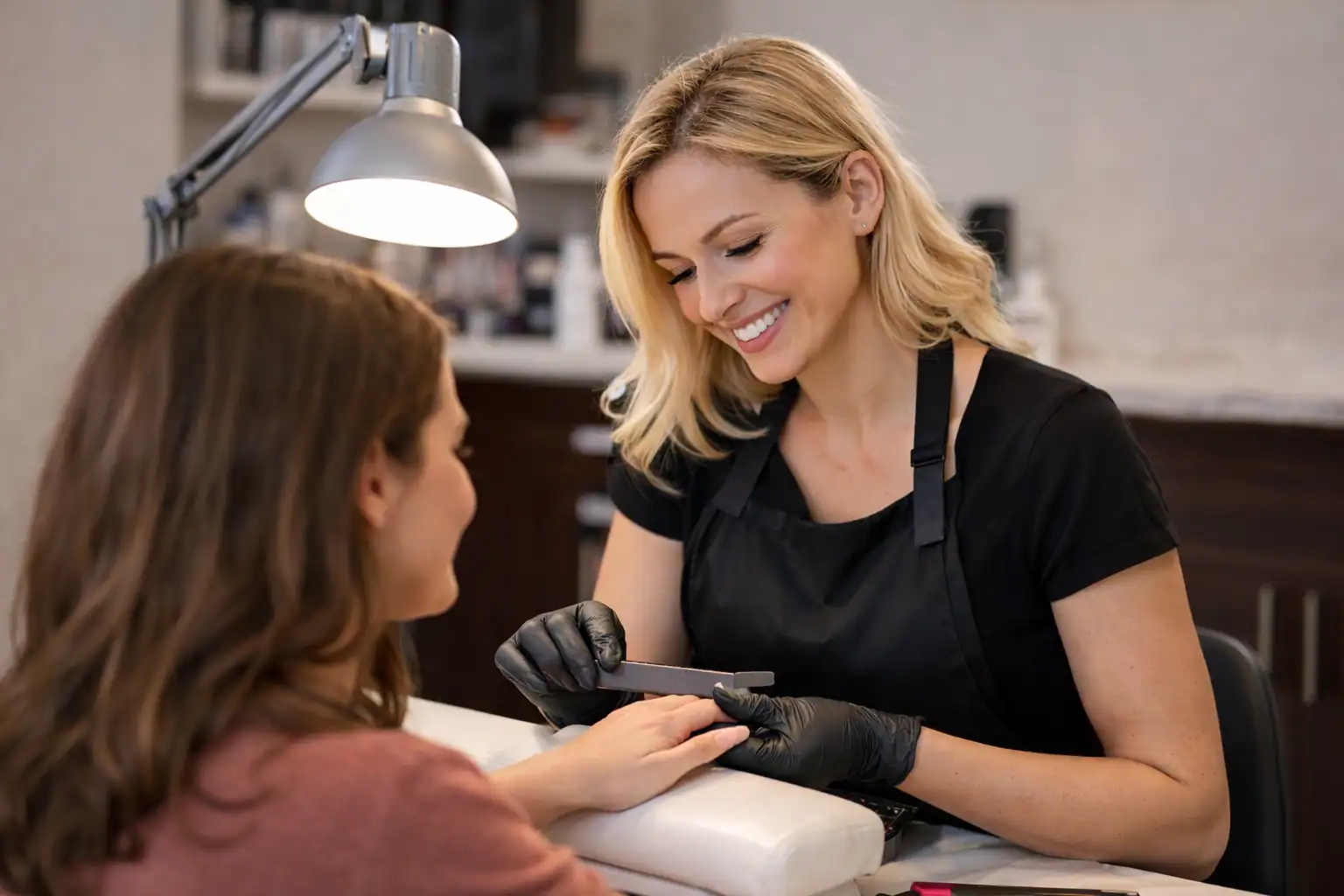
Not every person drawn to the medical assistant field is drawn to clinical work specifically. Many are drawn to the healthcare environment, patient interaction, and the idea of helping people look and feel better. If that describes you, it is worth knowing that medical esthetics and cosmetic laser technology are growing at a comparable pace — and in some Northern Virginia markets, faster.
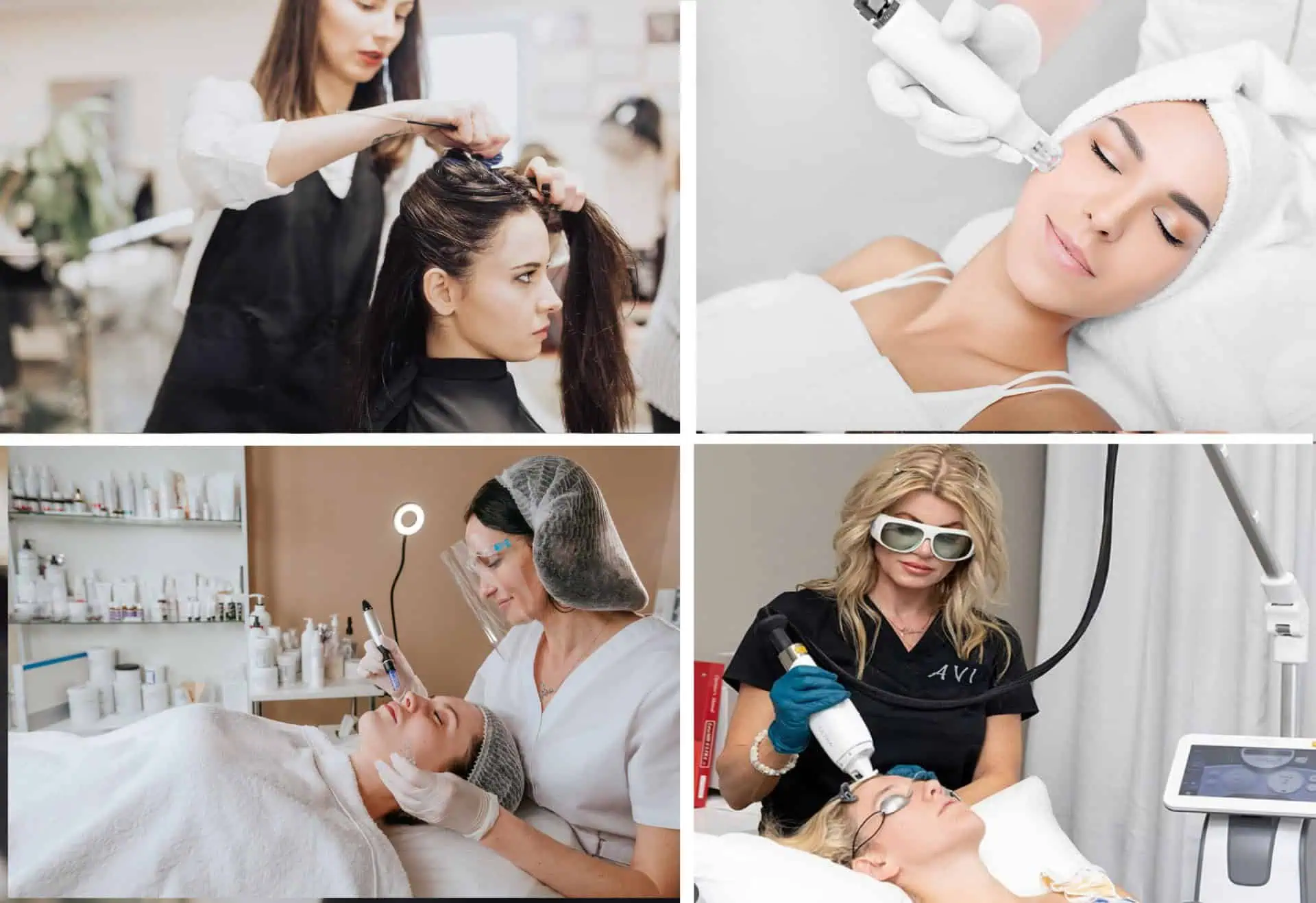
Med spas, dermatology offices, and plastic surgery practices across the Northern Virginia and DC metro area are actively hiring trained esthetic and laser professionals. These roles sit at the intersection of beauty and medicine, and they require focused, hands-on training rather than a four-year degree.
AVI Career Training in Vienna, VA offers programs that lead directly into these environments:
- Basic Esthetics — 600 clock hours, leading to a Virginia esthetics license
- Master Esthetics — 600 clock hours, leading to a Virginia master esthetics license
- Advanced Esthetic Laser — 900 clock hours, combining advanced esthetic and laser skills
- Cosmetic Laser Technician — 80 clock hours, a focused laser technology program
These are the lengths of AVI’s programs; applicants should confirm current licensure requirements with DPOR, the Virginia licensing board.
It is worth noting that Virginia does not issue a laser-specific license, so cosmetic laser technicians enter the workforce through employer credentialing and training rather than a state license. Esthetics and master esthetics, by contrast, are separate Virginia licenses issued through DPOR.
Choosing the Right Path for You
Both the medical assistant track and the medical esthetics track offer real career traction in Virginia right now. The right choice depends on what kind of work energizes you day to day.
- If you want to work in clinical settings — drawing labs, assisting with procedures, managing EHR systems — the medical assistant (NO FINANCIAL AID FOR THIS PROGRAM) path is a strong fit.
- If you are drawn to skin care, laser treatments, and the growing med spa industry, esthetics and cosmetic laser technology offer a direct route into that world with focused, hands-on training.
Either way, the Northern Virginia market is one of the strongest in the country for both tracks. The demand is real, the career paths are clear, and the training options are accessible.
Take the Next Step
If you are ready to move toward a career in medical esthetics or cosmetic laser technology, AVI Career Training in Vienna, VA is a strong place to start. Our programs are built around hands-on skill development and designed to prepare you for the specific demands of med spa and clinical esthetic environments in Northern Virginia.
Ready to apply? Visit avi.edu/apply to start your application today.
Have questions? Reach out through our contact page and a member of our team will be happy to help you figure out which program is the right fit for your goals.