Massage Therapy School in Northern Virginia
AVI Career Training in Vienna, Virginia offers one of the only COE-accredited Massage Therapy (NO FINANCIAL AID FOR THIS PROGRAM) programs in the Northern Virginia area — built to take you from zero experience to a Virginia massage therapy license through real, hands-on training.
If you’ve been searching for a massage therapy (NO FINANCIAL AID FOR THIS PROGRAM) school in Northern Virginia that combines accredited curriculum, practical clinic experience, and flexible payment options, you’re in the right place. This guide walks you through Virginia’s licensing requirements, what you’ll learn at AVI, how long the path takes, and what you report earning as a licensed massage therapist in the DC metro market.
Ready to take the first step? Apply now at AVI Career Training and get your application started today.
Key Takeaways
- Virginia requires a minimum of 500 clock hours of supervised massage therapy training for licensure
- Graduates must pass the MBLEx exam before applying for a Virginia massage therapy license through DPOR
- Mean annual wages for massage therapists in Virginia range from $52,000 to $62,000, with top earners clearing $75,000+
- BLS projects massage therapy employment to grow approximately 18–20% over the next decade — far faster than most occupations
- AVI Career Training is COE Accredited, accepts the GI Bill®, and offers flexible payment plans for students
What Does It Take to Become a Licensed Massage Therapist in Virginia?
Becoming a licensed massage therapist in Virginia follows a clear, step-by-step path regulated by the Virginia Department of Professional and Occupational Regulation (DPOR). Here’s exactly what that path looks like.
Complete 500 Clock Hours of Approved Training
Virginia state board requirements mandate a minimum of 500 clock hours of supervised massage therapy (NO FINANCIAL AID FOR THIS PROGRAM) education from an approved program. Those hours cover anatomy and physiology, massage techniques, pathology, professional ethics, and hands-on clinical practice. Not all schools are equal — accreditation matters when it comes to DPOR approval and program quality.
Pass the MBLEx
Once you complete your training hours, you’ll need to pass the MBLEx — the Massage & Bodywork Licensing Examination administered by the Federation of State Massage Therapy Boards (FSMTB). The MBLEx is the nationally recognized licensing exam used in Virginia and most other states. It covers areas including anatomy, physiology, kinesiology, pathology, massage application, ethics, and laws and regulations.
Submit Your Application to DPOR
After passing the MBLEx, you submit your licensure application to DPOR along with proof of your completed training hours and exam scores. Once approved, you hold an active Virginia massage therapy license — renewable every two years with continuing education requirements.
What About the Difference Between a Massage Therapist and a Massage Technician?
Virginia recognizes two licensing tiers: Massage Therapist (NO FINANCIAL AID FOR THIS PROGRAM) and Massage Technician. A Massage Technician license requires fewer training hours and carries more limited scope of practice. A full Massage Therapist license — the credential most employers and clients expect — requires the complete 625-hour program and MBLEx passage. AVI’s program prepares students for the full Massage Therapist credential, which opens the widest range of career options across spas, chiropractic offices, wellness clinics, and private practice.
What You’ll Learn in AVI’s Massage Therapy Program
AVI Career Training’s Massage Therapy (NO FINANCIAL AID FOR THIS PROGRAM) program in Vienna, VA is designed around one goal: preparing you to work with real clients in a professional setting from day one of your career.
Core Massage Modalities
Your training covers the techniques employers and clients actually request. That includes:
- Swedish Massage — the foundational modality that underpins most Western massage practice
- Deep Tissue Massage — targeting deeper muscle layers for chronic tension and sports recovery
- Prenatal Massage — specialized techniques for working safely and effectively with pregnant clients
- Sports Massage — addressing the needs of athletes for performance, recovery, and injury prevention
- Additional modalities as part of a well-rounded clinical curriculum
Each modality is taught with attention to proper body mechanics, draping protocols, and client communication — skills that protect both you and your clients throughout your career.
Anatomy, Physiology, and Pathology
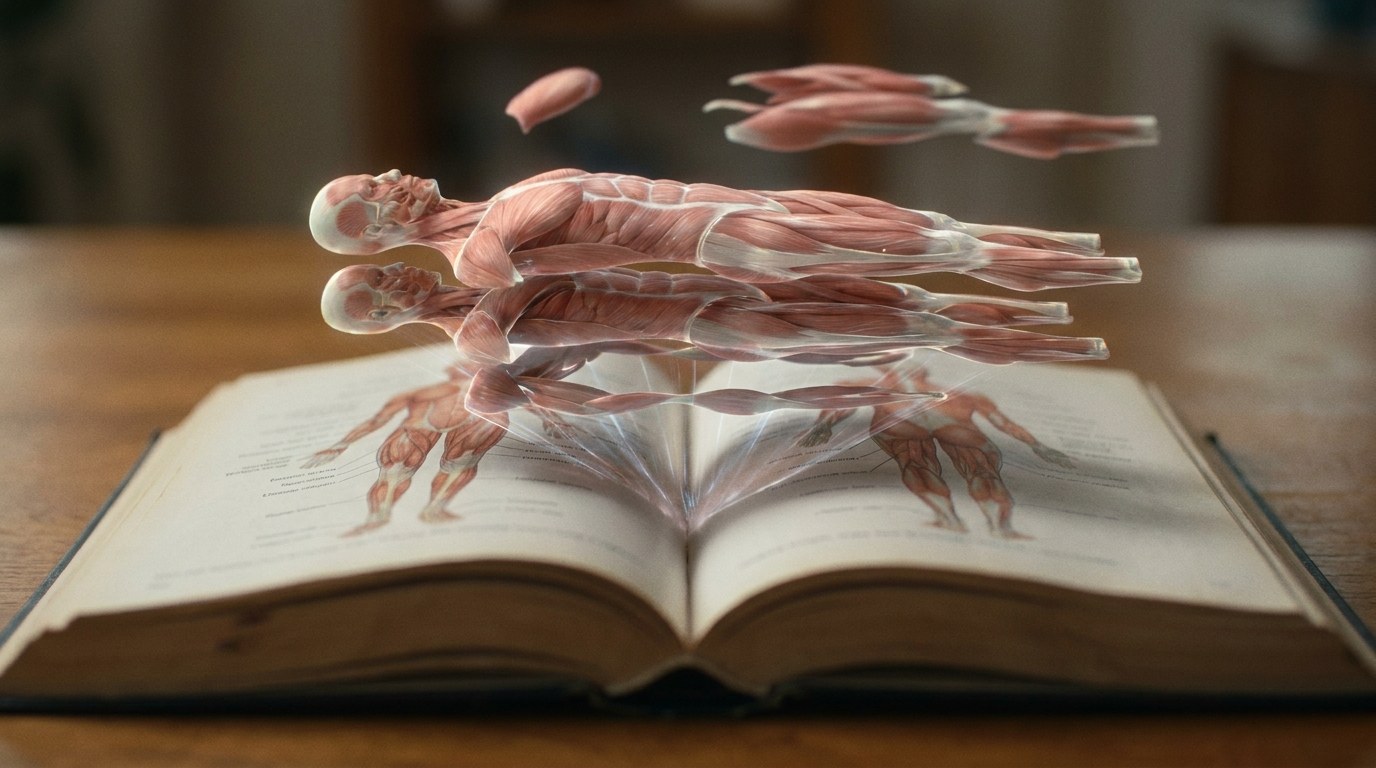
You can’t do this work safely without understanding the body. AVI’s curriculum builds a strong foundation in anatomy and physiology — muscles, bones, the nervous system, circulatory system, and how they all connect to what happens under your hands. Pathology training teaches you when massage is contraindicated, so you can make informed, ethical decisions for every client.
Hands-On Clinical Training
Theory and textbooks only go so far. A meaningful portion of your 500 hours happens in a real clinical setting, working on real clients under licensed instructor supervision. That experience is irreplaceable — it’s what separates graduates who are technically trained from graduates who are professionally ready.
Inclusive Client Care
AVI specifically trains students to serve a diverse clientele. The DC metro area is one of the most multicultural regions in the country. Your training reflects that — building the awareness and skills to provide excellent care across a full range of bodies, backgrounds, and health needs.