Laser Technician Training in Northern Virginia
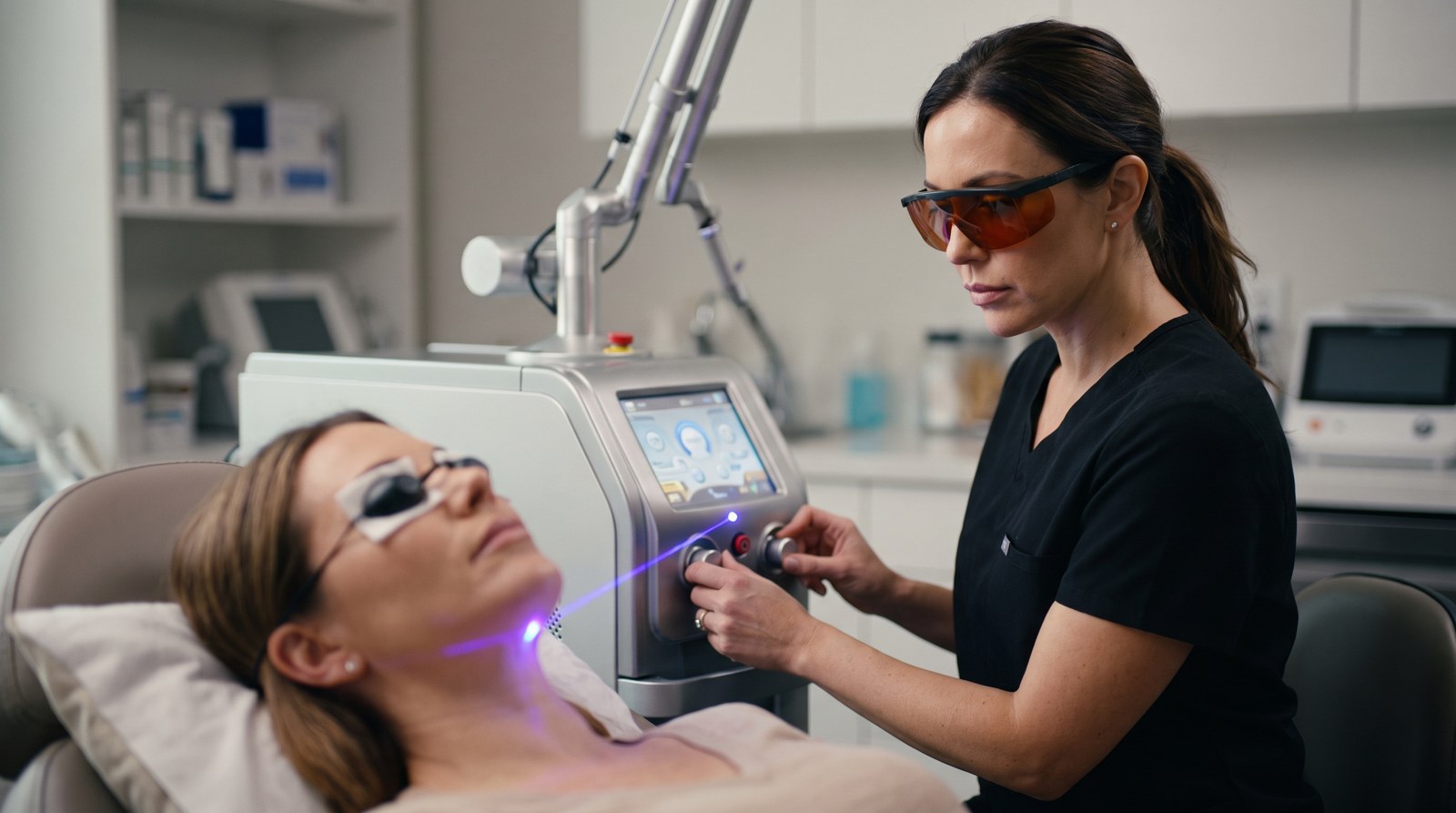
AVI Career Training’s Cosmetic Laser Technology program in Vienna, VA trains you as a cosmetic laser technician in Northern Virginia — with the hands-on clinical skills, safety protocols, and specialized credentials to work in the region’s fastest-growing med spa market.
The DC metro area is packed with med spas, dermatology clinics, and plastic surgery practices — and every one of them needs trained laser specialists. The demand is real, the salaries are competitive, and the path to getting licensed and employed is shorter than most people expect. This guide walks you through exactly what the role involves, what Virginia requires, what you’ll learn at AVI, and how to get started.
Key Takeaways
- Virginia regulates laser operation under esthetics licensure or medical supervision — there is no separate “laser technician” state license.
- Cosmetic laser technicians in the DC metro area typically earn $45,000–$70,000+ annually, with experienced specialists earning above that range.
- Laser roles at Northern Virginia med spas pay roughly 15–25% more than general esthetician positions due to specialized equipment training.
- AVI’s Cosmetic Laser Technology program covers all six Fitzpatrick Skin Types — preparing you to treat every client, not just lighter skin tones.
- Federal financial aid (FAFSA/Title IV) is not available for this program; payment plan options are available.
Apply to AVI’s Laser Program →
—
What Does a Cosmetic Laser Technician Actually Do?
A cosmetic laser technician uses FDA-cleared laser and light-based devices to perform clinical aesthetic treatments on clients — this is a technology-driven, results-focused role that goes well beyond traditional esthetics.
The most common treatments you’ll perform include:
This is a clinical, client-facing career. You’ll conduct consultations, assess skin type and contraindications, build personalized treatment plans, and operate sophisticated equipment — all while prioritizing client safety. The role sits at the intersection of healthcare, technology, and aesthetics.
Where Do Laser Technicians Work?
The Northern Virginia market gives you strong options. Laser specialists are employed at:
This is not the same career path as a general esthetician. The equipment is more advanced, the clinical knowledge required is deeper, and the compensation reflects that specialization.
—
Virginia Laser Technician Requirements: What You Need to Know
Virginia does not issue a standalone “laser technician” state license — this is the single most misunderstood fact about entering this field.
Instead, the Virginia Department of Professional and Occupational Regulation (DPOR) regulates cosmetic laser operation under two frameworks:
1. Esthetics licensure — individuals who hold a Virginia esthetician license (requiring 600 clock hours of approved training) may operate cosmetic laser devices within the scope of that license.
2. Medical supervision — laser technicians working in a medical setting (dermatology office, plastic surgery practice, or medical spa) may operate devices under the direct supervision of a licensed physician or other qualified medical professional.
In practical terms, most laser technician positions in Northern Virginia — especially at independent med spas — expect you to hold an active esthetics license plus specialized laser training. Employers want both. Having only one without the other limits your options.
How AVI’s Program Fits This Framework
AVI Career Training’s Cosmetic Laser Technology program (NO FINANCIAL AID FOR THIS PROGRAM) is a specialty add-on credential designed for students who are pursuing or already hold esthetics licensure. The program is structured to give you the laser-specific clinical knowledge that esthetics school alone does not cover — laser physics, equipment operation, safety protocols, contraindication assessment, and treatment planning.
Note: Confirm with AVI’s program director whether esthetics licensure is a co-enrollment requirement or a recommended prerequisite, as regulatory positioning may affect enrollment eligibility.
For authoritative Virginia licensing requirements, reference the Virginia Board of Cosmetology and Barbers via VA DPOR — the official regulatory body that oversees esthetics licensure in the state.
—
What You’ll Learn in AVI’s Cosmetic Laser Technology Program
AVI Career Training’s Cosmetic Laser Technology program (NO FINANCIAL AID FOR THIS PROGRAM) is built around clinical competency and real-world readiness — not just textbook theory.
Core Curriculum Areas
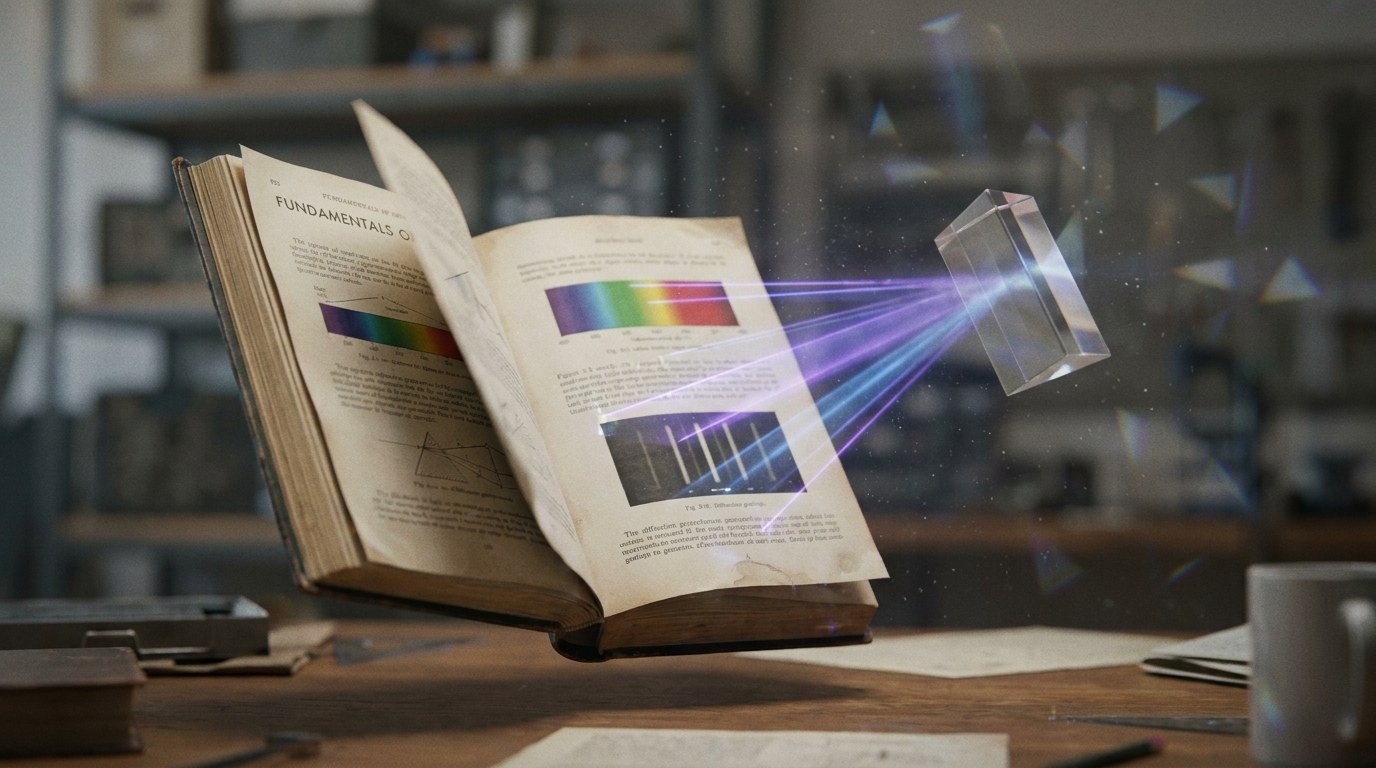
Laser Physics and Light Science
You’ll learn how laser and light energy interact with tissue — wavelengths, absorption, scatter, and the physics that make each device type effective for different targets (melanin, hemoglobin, water). Understanding the science behind the equipment makes you a safer, more effective technician.
Skin Anatomy and Physiology
Effective laser treatment starts with deep knowledge of skin structure. You’ll cover the layers of the skin, the role of melanin, hair follicle anatomy, and how different tissue types respond to laser energy.
Fitzpatrick Skin Typing — All Six Types
This is where AVI’s training stands apart from many programs. The Fitzpatrick Skin Type Scale (Types I–VI) classifies skin by melanin content and how it responds to UV and laser energy. Types IV, V, and VI — representing medium-brown to deeply melanated skin — carry a higher risk of hyperpigmentation or hypopigmentation if laser parameters are set incorrectly.
Many laser training programs default their instruction to lighter skin types. AVI explicitly covers all six Fitzpatrick types, preparing you to safely and effectively treat every client who walks through the door. In a diverse market like Northern Virginia and the broader DMV area, that is not a nice-to-have — it is a clinical necessity.
Laser Safety Protocols
Safety is non-negotiable. You’ll train on ANSI laser safety standards, optical hazard zones, proper protective equipment (including wavelength-specific eyewear), and the procedures that keep both you and your clients protected.
Contraindications and Client Assessment
Not every client is a candidate for laser treatment. You’ll learn to identify medical, pharmacological, and skin-related contraindications — including photosensitizing medications, active skin conditions, recent sun exposure, and hormonal factors — and conduct thorough consultations before any treatment begins.
Treatment Planning and Protocols
You’ll build treatment plans that match device selection, fluence settings, and session frequency to each client’s skin type, treatment goals, and medical history. This is where clinical judgment meets technical skill.
A Student Who Changed Direction
Consider someone like Priya, a 34-year-old who had worked in healthcare administration for nearly a decade. She wanted to move into a client-facing clinical role without going back to school for four more years. She enrolled in AVI’s Basic Esthetics program and added the Cosmetic Laser Technology credential. Within three months of completing her training, she was working at a Tysons Corner med spa performing laser hair removal and photofacial treatments — earning more in her first year than she had in her previous role. The combination of an esthetics foundation and specialized laser credentials made her immediately hireable in a competitive market.
—
Career Outlook — Laser Technician Salaries and Job Market in Northern Virginia
The Northern Virginia and DC metro market is one of the strongest in the country for cosmetic laser careers — and the data backs that up.
What Laser Technicians Earn in Virginia
Cosmetic laser technicians in the DC metro area — including Arlington, Fairfax, Reston, and Tysons Corner — typically earn between $45,000 and $70,000 annually. Experienced technicians at high-volume med spas, particularly those with a diverse treatment portfolio and strong client retention, frequently exceed that range.
According to regional salary data from the U.S. Bureau of Labor Statistics and aggregators like Indeed and ZipRecruiter, laser specialist roles in Northern Virginia consistently pay 15–25% more than general esthetician positions. The reason is straightforward: operating clinical laser equipment requires additional training, greater liability awareness, and deeper client assessment skills. Employers price that premium into compensation.
Why Northern Virginia Is a Strong Market
The Tysons Corner corridor, Fairfax County, and Arlington/Alexandria are dense with med spas, aesthetic clinics, and dermatology practices serving one of the highest-income populations in the United States. Consumers here spend on cosmetic services consistently — laser hair removal, skin rejuvenation, and anti-aging treatments are not luxury line items in this market. They’re routine appointments.
The global medical aesthetics industry is projected to grow significantly through 2030, driven by increasing acceptance of cosmetic procedures, advances in device technology, and a younger demographic of first-time med spa clients. Northern Virginia sits at the center of that growth curve.
From Nail Tech to Laser Specialist
Marcus had been a licensed nail technician for six years when he decided to expand his skill set. He had built a solid client base but wanted higher earning potential and a clinical edge. After enrolling in AVI’s esthetics and laser programs at the Vienna, VA campus, he transitioned into a laser specialist role at a Fairfax area med spa. The move added more than $18,000 to his annual income — and gave him a career path with room to grow into a lead technician role.
—
How to Enroll in AVI’s Laser Technician Program in Vienna, VA
Getting started at AVI Career Training is straightforward — and the Vienna, VA location puts you minutes from Tysons Corner, one of the most active med spa markets in the DMV area.
Program Details
AVI Career Training’s Cosmetic Laser Technology program (NO FINANCIAL AID FOR THIS PROGRAM) is a specialty credential designed to be completed efficiently alongside or following esthetics training. Contact AVI’s admissions team directly at (703) 943-9841 for current program hours, schedule formats (day and evening options may be available), and start dates.
Tuition and Payment Options
⚠️ Important: Financial Aid Availability for This Program
Federal financial aid (Title IV / FAFSA / Pell Grant) is not available for AVI’s Cosmetic Laser Technology program because it falls under 600 clock hours — the federal threshold for Title IV eligibility. The GI Bill® is also not applicable to this program for the same reason.
AVI offers payment plan options and private financing to help make the program accessible. Contact admissions at (703) 943-9841 to discuss tuition, current pricing, and payment schedule options that work for your situation.
If you are considering a broader training path — for example, combining esthetics licensure training with the laser specialty credential — the Basic Esthetics or Master Esthetics programs at AVI may qualify for federal financial aid and the GI Bill®. Ask admissions about combined program pathways.
Who Should Apply
This program is a strong fit if you:
Next Steps
Visit AVI’s Vienna, VA campus at 1595 Spring Hill Rd #720, Vienna, VA 22182 — located near Tysons Corner, easily accessible from the broader Northern Virginia and DC metro area. You can also call (703) 943-9841 to speak with an admissions advisor, ask questions about program sequencing, or schedule a campus tour.
Start Your Application Today →
—
Frequently Asked Questions: Laser Technician Training in Virginia
Q: How do I become a laser technician in Virginia?
A: Virginia requires laser technicians to either hold an active esthetics license issued by the Virginia Board of Cosmetology under VA DPOR, or work under licensed medical supervision. There is no separate laser technician license in Virginia. The most common path is completing an approved esthetics program (600 clock hours), obtaining licensure, and then adding a specialized laser training credential like AVI Career Training’s Cosmetic Laser Technology program.
Q: Do you need a license to operate laser equipment in Virginia?
A: Yes. Virginia does not allow unlicensed individuals to independently operate cosmetic laser equipment. You must hold a Virginia esthetics license or work under a licensed physician or qualified medical professional’s direct supervision. Operating laser devices without the appropriate credentials violates state law and poses serious safety risks.
Q: How long does laser technician training take?
A: Laser technician training length varies by program. AVI Career Training’s Cosmetic Laser Technology program is a specialty credential designed to be completed efficiently — contact AVI admissions at (703) 943-9841 for current program hours and schedule options. If you’re starting without an esthetics license, factor in the 600-hour esthetics requirement as well.
Q: How much does a cosmetic laser technician make in Virginia?
A: Cosmetic laser technicians in the Northern Virginia and DC metro market typically earn $45,000–$70,000 annually. Experienced specialists at high-volume Tysons Corner or Fairfax-area med spas often earn above that range. Laser roles pay 15–25% more than general esthetician positions due to the specialized clinical skills and equipment knowledge required.
Q: What’s the difference between an esthetician and a laser technician?
A: An esthetician performs skin care services including facials, exfoliation, waxing, and basic light therapies. A laser technician operates clinical-grade laser and light-based devices for treatments like laser hair removal, pigmentation correction, and skin rejuvenation. Laser technicians require additional specialized training beyond standard esthetics — and are typically compensated at a higher rate to reflect that expertise.