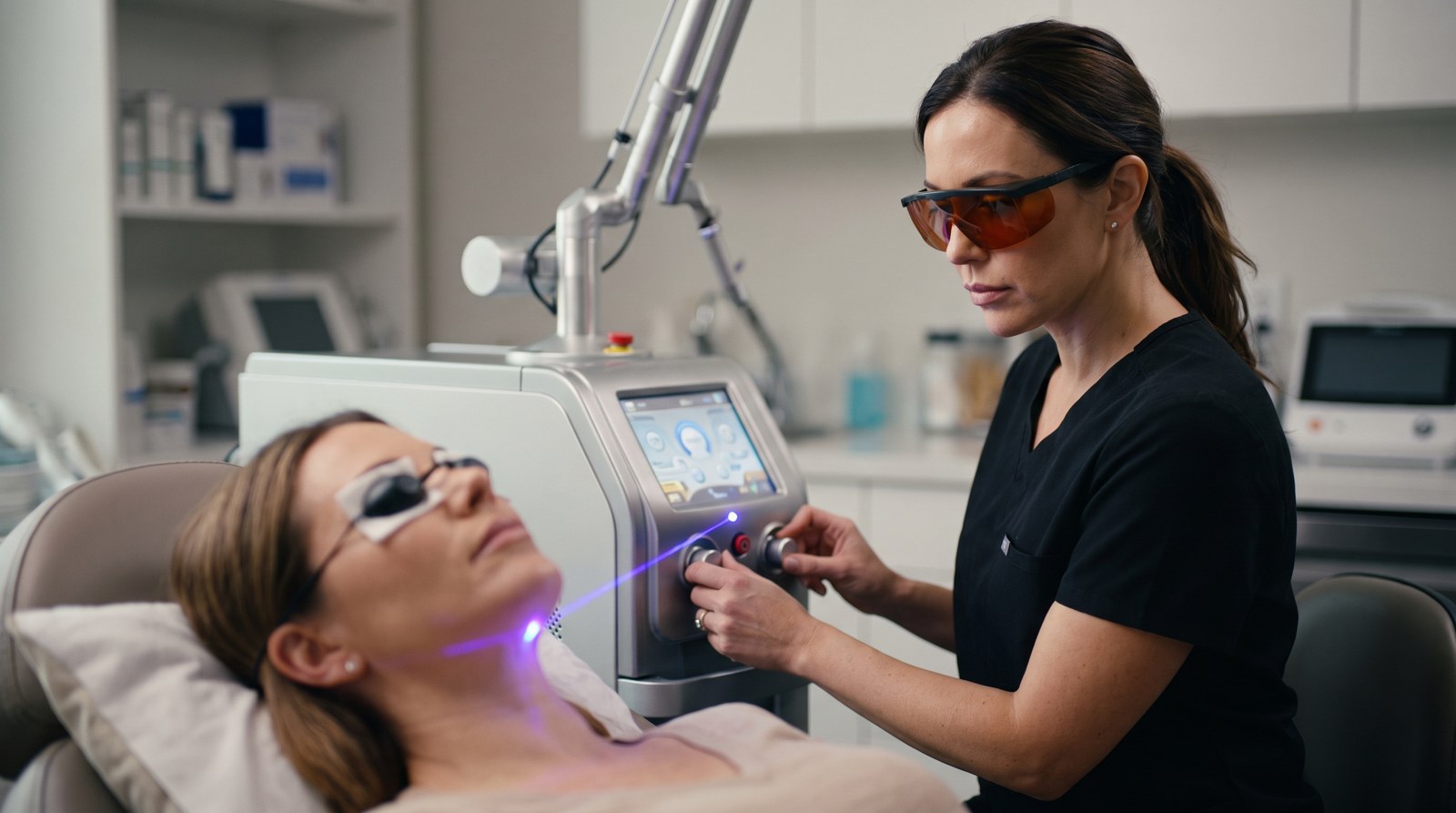
How to Become a Laser Technician in Virginia
Becoming a laser technician (NO FINANCIAL AID FOR THIS PROGRAM) in Virginia means completing an accredited cosmetic laser technology program, training under licensed instructors on real equipment, and entering the workforce under a supervising physician or medical director — no standalone state license required, but employer-recognized certification is essential.
If you’re drawn to a career at the intersection of beauty and clinical science, laser technology is one of the fastest-growing paths in the aesthetics industry. Demand for non-invasive cosmetic treatments — laser hair removal, skin rejuvenation, pigmentation correction, photo-facials — has surged over the past five years. And Northern Virginia’s medical spa market is one of the most active in the country.
This guide breaks down exactly what it takes: the Virginia regulatory framework, what a quality training program looks like, what you can expect to earn, and how AVI Career Training in Vienna, VA prepares graduates to enter this field with confidence.
Ready to take the first step? Apply to AVI’s Cosmetic Laser Technology program and start building a career in medical aesthetics.
Key Takeaways
- Virginia does not issue a standalone laser technician license — practitioners train through accredited programs and work under physician or medical director supervision
- Training programs range from 40 to 300+ hours nationally; AVI’s Cosmetic Laser Technology program provides hands-on clinical training with real equipment
- Laser technicians in Northern Virginia earn approximately $45,000 – $75,000+ annually depending on experience and setting
- The U.S. laser hair removal market is projected to grow significantly through 2030, driven by rising demand for non-invasive aesthetic treatments
- Proper training across all Fitzpatrick skin types (I–VI) is a patient safety requirement — and a core component of AVI’s inclusive curriculum
What Does a Laser Technician Do?
A laser technician (NO FINANCIAL AID FOR THIS PROGRAM) performs non-invasive cosmetic procedures using light-based technology. The role sits firmly at the crossroads of beauty and medical aesthetics — more clinical than a traditional esthetics position, but still deeply rooted in skin science and client care.
Day-to-Day Responsibilities
On a typical day, a laser technician might perform any combination of the following:
- Laser hair removal — the most common service, using targeted light energy to permanently reduce unwanted hair on the face, body, and bikini area
- Skin rejuvenation treatments — stimulating collagen production to improve texture, tone, and the appearance of fine lines
- Pigmentation correction — reducing sunspots, hyperpigmentation, and melasma using precise wavelength settings
- Photo-facials (IPL) — using intense pulsed light to address redness, rosacea, and uneven skin tone
- Pre- and post-treatment skin assessment — evaluating client skin type, reviewing contraindications, and documenting treatment responses
Beyond the technical treatments, laser technicians consult with clients, educate them on aftercare, and maintain detailed treatment records. In medical spa settings, they often collaborate closely with physicians, nurse practitioners, and licensed estheticians.
This is a precision-based, skill-driven career. Every treatment requires calibrating equipment settings based on the individual client’s skin tone, hair color, and treatment area. Getting those settings wrong isn’t just ineffective — it can cause burns, hypopigmentation, or permanent scarring. That’s why training quality matters so much.
Virginia Licensing Requirements for Laser Technicians
Here’s the regulatory reality that most generic career articles get wrong: Virginia does not currently issue a standalone “laser technician” state license.
Unlike cosmetologists or estheticians, laser technicians in Virginia are not licensed through the Department of Professional and Occupational Regulation (DPOR). Instead, the practice of cosmetic laser procedures falls under medical oversight — meaning laser technicians must operate under the supervision of a licensed physician or medical director.
What This Means for Your Career Path
The absence of a specific state laser license does not mean you can walk in off the street and start operating laser equipment. Employers — medical spas, dermatology clinics, laser centers — require documented training from a recognized program as a condition of employment. In many cases, they also require or prefer candidates who hold a Virginia esthetics license or are currently enrolled in an esthetics program.
Here’s a practical breakdown of the pathway most laser technicians in Virginia follow:
| Step | What It Involves |
|---|---|
| Complete accredited laser training | 40–300+ hours depending on program scope |
| Obtain esthetics training (common pathway) | Virginia esthetics license requires 600 hours |
| Secure employment under physician oversight | Required by Virginia medical guidelines |
| Maintain continuing education | Many employers require ongoing CE for laser certification |
The Virginia esthetics license — issued through Virginia DPOR — is not legally required to work as a laser technician, but it’s a practical asset. Many medical spas in Northern Virginia prefer or require esthetician credentials because laser clients often receive complementary skin treatments alongside laser services.
The Role of Accredited Training
Because Virginia doesn’t issue a laser-specific licen