Summary:
You’ve seen the ads. Learn beauty from home. Get certified in weeks. Start your dream career on your schedule. It sounds perfect, especially if you’re juggling a job, family, or both. But here’s what those ads don’t tell you: most online beauty courses won’t get you licensed in Virginia. And without a license, you can’t legally work as an esthetician, touch clients, or build the career you’re imagining. The truth is, beauty education isn’t one-size-fits-all. Some paths lead to real careers with solid income potential. Others leave you with a certificate you can’t use. Let’s talk about what actually matters when you’re comparing your options.
What Beauty Classes Actually Include
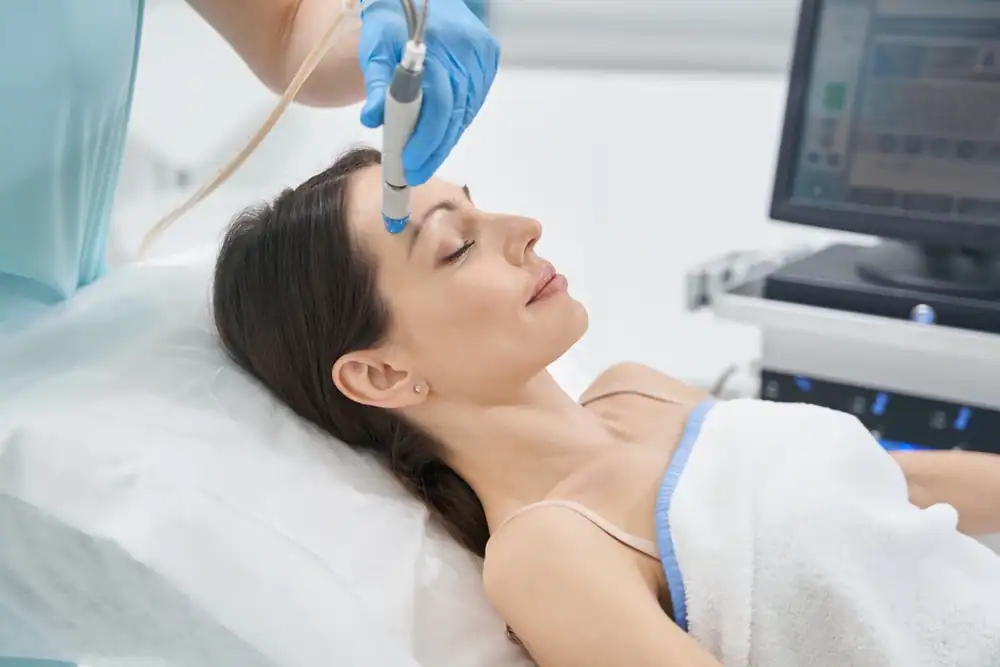
Traditional beauty classes happen in a physical school with real instructors, real equipment, and real people to practice on. You’re learning facials, waxing, chemical peels, microdermabrasion, and makeup application on actual skin, not just watching someone else do it on a screen.
In Virginia, you need 600 hours of approved training to sit for your esthetician license exam. That’s not 600 hours of watching videos. It’s 600 hours of classroom theory combined with supervised hands-on practice in a clinical setting.
Most programs break this down into theory and practical work. You’ll study skin anatomy, sanitation protocols, product chemistry, and state regulations. Then you apply what you’ve learned on mannequins first, then fellow students, and eventually real clients in a student clinic. This is how you build muscle memory, learn to read skin conditions in person, and get comfortable working under pressure.
Hands-On Training Requirements for Licensure
Virginia doesn’t mess around when it comes to licensing requirements. The state board wants proof that you can perform services safely and effectively before they let you work on paying clients. That means passing both a written exam and a practical exam where you demonstrate your skills in real time.
Online courses can’t give you that. You can watch a thousand tutorials on how to perform a facial, but until you’ve done extractions on real skin with different textures, sensitivities, and conditions, you haven’t actually learned the skill. You can’t practice proper draping techniques on yourself. You can’t get immediate feedback when your hand pressure is wrong or your product application is uneven.
Accredited beauty classes build in this hands-on requirement from day one. You’re in a classroom with professional-grade equipment, the same tools and products you’ll use in a real spa or salon. You’re being watched and corrected by licensed instructors who’ve been in the industry for years. When you make a mistake during a waxing service or mix a chemical peel incorrectly, someone catches it before it becomes a liability.
This is why employers and state boards care about where you trained. A program that meets Council on Occupational Education standards isn’t just checking boxes. It’s ensuring you’re prepared to work safely, competently, and professionally from day one. At AVI Career Training in Fairfax County, VA, we combine classroom instruction with supervised clinical hours, giving you the 600 hours Virginia requires plus the confidence to actually use those skills when you’re licensed.
Aesthetician Programs with Real Job Placement
Here’s something most people don’t think about until it’s too late: finishing school is one thing, but getting hired is another. Employers in Fairfax County, VA and across Northern Virginia want graduates who can step into a treatment room and start working with minimal additional training. They’re not looking to teach you basics you should have learned in school.
When you complete an accredited aesthetician program with externship opportunities, you’re not just earning a certificate. You’re building a portfolio, getting references from industry professionals, and making connections that lead to actual job offers. Schools with partnerships at leading spas and salons give you access to employers before you even graduate.
Compare that to finishing an online beauty course. You might have a certificate, but you have no clinical hours, no references from instructors who’ve watched you work, and no externship experience to put on your resume. Hiring managers can tell the difference immediately. They know which programs produce job-ready graduates and which ones don’t.
Job placement assistance matters more than most people realize. A school that offers resume help, interview prep, and direct connections to hiring salons isn’t just being nice. We’re invested in your success because our reputation depends on graduates who actually work in the field. When you’re comparing programs, ask about job placement rates, industry partnerships, and what kind of support you get after graduation. If a program can’t or won’t answer those questions, that tells you something important.
Online Beauty Courses: What They Can and Can't Do
Online beauty courses aren’t useless. They’re just limited. If you want to learn theory at your own pace, brush up on product knowledge, or explore whether the beauty industry interests you before committing to a full program, online courses can be helpful. They’re affordable, flexible, and accessible from anywhere.
The problem starts when people assume online training alone will get them licensed and employed. It won’t. Not in Virginia, and not in most states. Licensing boards require proof of hands-on training hours completed under supervision at an approved facility. An online certificate doesn’t count toward those hours, no matter how comprehensive the course claims to be.
That said, some schools now offer hybrid programs that combine online theory with in-person practical training. This can work if the program is state-approved and the hands-on component meets Virginia’s 600-hour requirement. You get some flexibility for the theory portion while still completing the clinical hours you need for licensure.
Why Virginia Requires In-Person Esthetics Training
Virginia’s licensing requirements exist for a reason. When you’re working inches from someone’s face with chemical exfoliants, hot wax, or extraction tools, there’s real potential for harm if you don’t know what you’re doing. The state board wants to ensure that anyone calling themselves an esthetician has been trained properly and tested rigorously.
That’s why the 600-hour requirement includes both written and practical exams. The written exam tests your knowledge of sanitation, skin anatomy, state regulations, and contraindications. The practical exam requires you to perform services in front of an examiner who’s evaluating your technique, safety protocols, and professionalism. You can’t fake your way through a practical exam. Either you’ve practiced enough to be competent, or you haven’t.
Online courses can help you study for the written portion. Some offer practice tests, flashcards, and video explanations of complex topics. But they can’t prepare you for the practical exam because they can’t give you hands-on experience. You need hours of repetition, feedback from instructors, and practice on different skin types and conditions. You need to learn how skin reacts to products in real time, how to adjust your technique based on client feedback, and how to handle unexpected situations that don’t happen in a controlled video demonstration.
This is why accredited esthetics training programs structure their curriculum around both components. You’re not just memorizing information for a test. You’re developing professional skills that keep clients safe and build your reputation in the industry. Schools that are approved by the State Council of Higher Education for Virginia and accredited by recognized bodies like the Council on Occupational Education have met specific standards for curriculum, facilities, and instructor qualifications. That accreditation matters when you’re applying for financial aid, transferring credits, or proving to employers that your training was legitimate.

Flexible Scheduling Without Sacrificing Quality
The biggest appeal of online beauty courses is flexibility. You can study at 11 PM after the kids are asleep or during your lunch break at your current job. Traditional beauty classes get criticized for rigid schedules that don’t accommodate working adults. But that’s changing.
Many accredited schools now offer day, evening, and weekend classes to fit different schedules. Some programs let you complete theory portions online while requiring in-person attendance only for hands-on labs and clinical practice. This hybrid approach gives you flexibility where it’s possible while ensuring you still get the supervised training hours Virginia requires.
Rolling admissions help too. Instead of waiting for a specific semester start date, you can begin training when it works for you. Programs that start new cohorts monthly make it easier to fit beauty school into your life without putting everything else on hold for months.
The key is finding a program that offers genuine flexibility without cutting corners on quality. Flexible scheduling shouldn’t mean fewer clinical hours, less instructor supervision, or rushed training. It should mean you have options for when and how you complete the same rigorous requirements as everyone else. Ask about class schedules, hybrid options, and whether the program accommodates students who work full-time. A school that’s serious about training working adults will have systems in place to support you without compromising your education.
Financial aid matters here too. If you’re working while going to school, you need a program that’s approved for Title IV funding, which includes Pell Grants and Direct Loans. You might also qualify for GI Bill benefits if you’re a veteran. These funding options make it possible to attend an accredited program without going into massive debt or draining your savings. Online courses are often cheaper upfront, but if they don’t lead to licensure and employment, they’re not actually saving you money. They’re costing you time and opportunity.
Choosing the Right Path for Your Beauty Career
The beauty industry is growing. Esthetician jobs are projected to increase 7% through 2034, with about 14,500 openings annually. Skincare represents over 40% of the beauty market, and consumers are spending more on professional treatments than ever before. The opportunities are real, but only if you have the credentials and skills employers are looking for.
Choosing between beauty classes and online courses isn’t just about convenience or cost. It’s about whether your training will actually get you licensed, employed, and earning. Virginia requires 600 hours of approved training, hands-on practice, and passing both written and practical state board exams. Online courses alone won’t get you there.
If you’re serious about a career in esthetics, look for an accredited program with flexible scheduling, financial aid options, experienced instructors, and real job placement support. We offer exactly that at AVI Career Training, with programs designed for working adults who need quality education without sacrificing their current responsibilities.