
Nail Tech Careers in Virginia: What You Can Earn and Where to Work
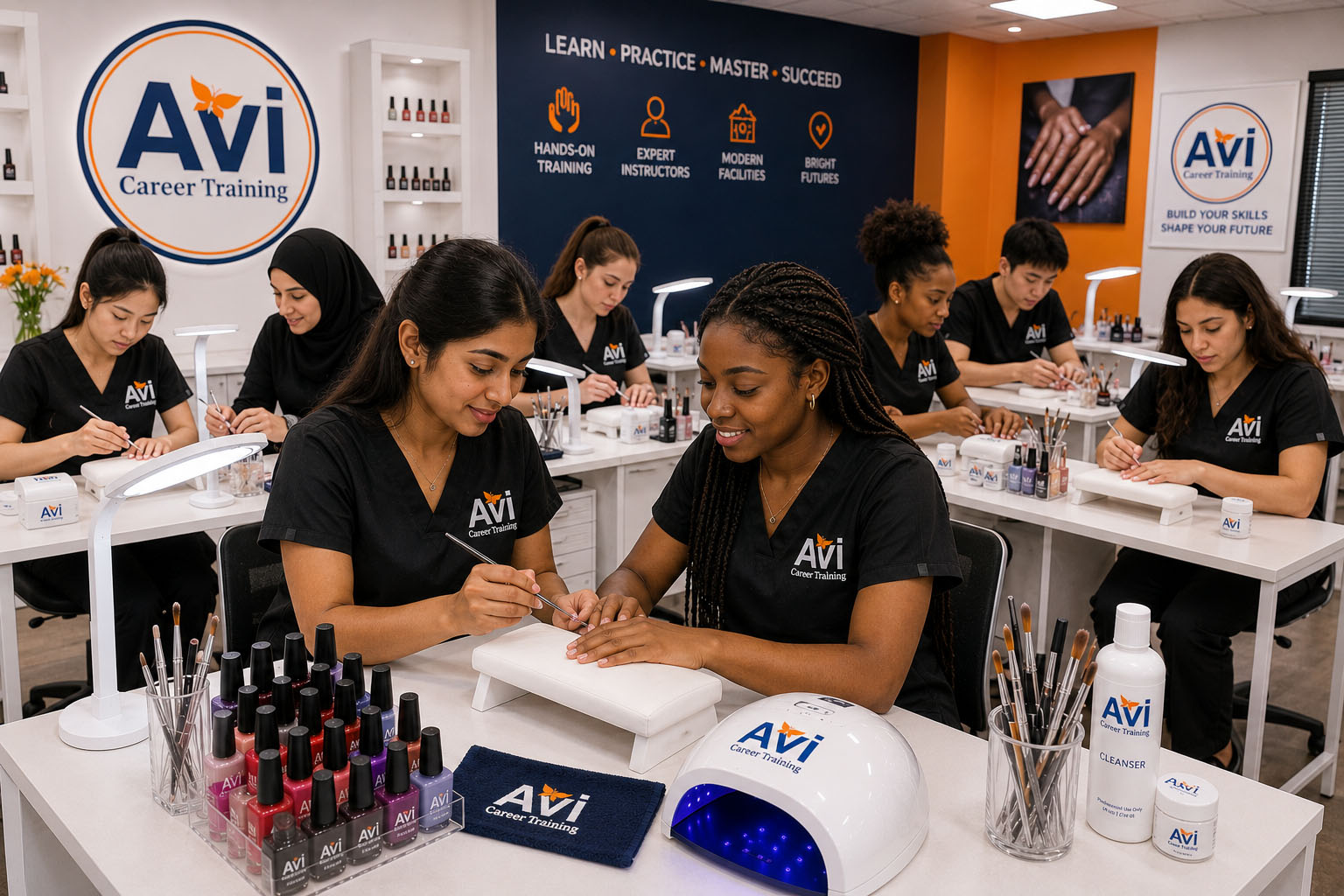
Nail technician salary in Virginia ranges from approximately $30,000 to $55,000+ per year — and in the DC metro area, tips and a high-income client base push real take-home pay well above what national data shows.
If you’re researching whether nail technology is worth pursuing in Northern Virginia, you’re asking the right question. The DMV market is one of the strongest in the country for beauty professionals. High disposable incomes in Fairfax County, Arlington, and Tysons Corner, combined with a dense professional workforce and year-round demand, create conditions where skilled nail techs thrive.
This guide breaks down exactly what nail techs earn in Virginia, where they work, what licensing requires, and how AVI Career Training’s Nail Technician program in Vienna, Virginia can get you State Board exam-eligible in as few as 8 weeks.
Key Takeaways
- Virginia nail techs earn a median wage in the $30,000–$34,000 range annually — with Northern Virginia/DC metro rates running 10–20% above the state median
- Top earners in the DMV — those with established clientele, nail art specialization, or salon ownership — report income of $50,000+
- Tips are not captured in BLS data — real take-home frequently exceeds the reported wage by a significant margin
- Virginia requires 150 clock hours of approved nail technology training plus passing the Virginia State Board written and practical exams
- AVI Career Training’s Nail Technician program (NO FINANCIAL AID FOR THIS PROGRAM) can be completed in as few as 8 weeks, putting you on the fastest legal path to licensure in Virginia
—
What Does a Nail Technician Actually Do?
A nail technician is a licensed beauty professional who provides a full range of nail care services — far beyond a simple polish change.
Day-to-day services include classic manicures and pedicures, acrylic nail enhancements, gel systems (hard gel and soft gel/gel polish), dip powder applications, nail art and design, cuticle care, and basic nail health assessment. Skilled nail techs also advise clients on nail conditions that may warrant a referral to a dermatologist or podiatrist — making the role part technician, part client consultant.
The breadth of the skill set is why nail technology training matters. Anyone can apply polish. A licensed nail tech understands product chemistry, sanitation and infection control, nail anatomy, and how to adapt techniques for clients with different nail types and skin tones. That expertise is what commands premium prices — and repeat clients.
The Nail Tech’s Role Is Expanding
Nail art has exploded as a creative and social media-driven category. Intricate hand-painted designs, chrome and mirror finishes, 3D nail art, and seasonal nail trends now drive significant client demand. Nail techs who develop strong artistry skills — on top of solid technical foundations — can charge considerably more per service and build social media followings that function as organic marketing.
For clients in Northern Virginia, nail appointments are a regular maintenance item, not an occasional splurge. That consistent, repeat-visit demand is a key reason nail technology career opportunities in the DMV are so strong.
—
Nail Technician Salary in Virginia and the DC Metro Area
The honest answer to “how much do nail techs make in the DC metro” is: more than the national average — and potentially much more once tips and self-employment income are factored in.
According to the U.S. Bureau of Labor Statistics (BLS), the national median annual wage for manicurists and pedicurists sits in the $30,000–$34,000 range. Virginia’s figures track closely to the national median at the state level — but that number masks significant regional variation.
💰 DMV Salary Snapshot
- U.S. Median (BLS): ~$30,000–$34,000/year
- Northern Virginia / DC Metro Premium: 10–20% above Virginia state median
- Top Earners in DMV (established clientele, nail art specialization, booth rental/ownership): $50,000+
- Gel manicure rate in NoVA: $55–$90+ per service
- Tips: NOT captured in BLS data — frequently add $10,000–$15,000+ to annual take-home
Why Northern Virginia Pays More
Fairfax County consistently ranks among the wealthiest counties in the United States. Tysons Corner, McLean, Arlington, and Alexandria are home to a dense concentration of federal government employees, defense contractors, tech professionals, and hospitality workers — all with disposable income and high service expectations.
That client base is willing to pay premium rates. A gel manicure that runs $40 in a rural market easily commands $65–$90 in Tysons or Arlington. When a nail tech performs six to eight services per day at those rates — plus tips averaging 15–20% — the math moves well beyond what any BLS wage report reflects.
The Real Earning Picture: Tips + Self-Employment
Two factors dramatically shift nail tech income upward that salary surveys consistently undercount:
Tips are the most obvious. Clients who receive high-quality nail services tip regularly. At an average of $10–$15 per service across a full client schedule, tips alone can add $15,000–$20,000 to annual income.
Booth rental and self-employment give experienced nail techs full control over their pricing. Instead of working on commission or hourly wage, a booth renter pays a flat weekly or monthly fee to a salon and keeps 100% of service and tip income. In the NoVA market, this model is particularly lucrative for techs with a loyal clientele.
Consider this: A nail tech in Vienna, Virginia renting a booth, charging $75 per gel manicure, and seeing seven clients per day with average $12 tips clears roughly $87 per hour in gross service income before the booth fee — a figure that no national salary database will ever show you.
—
—
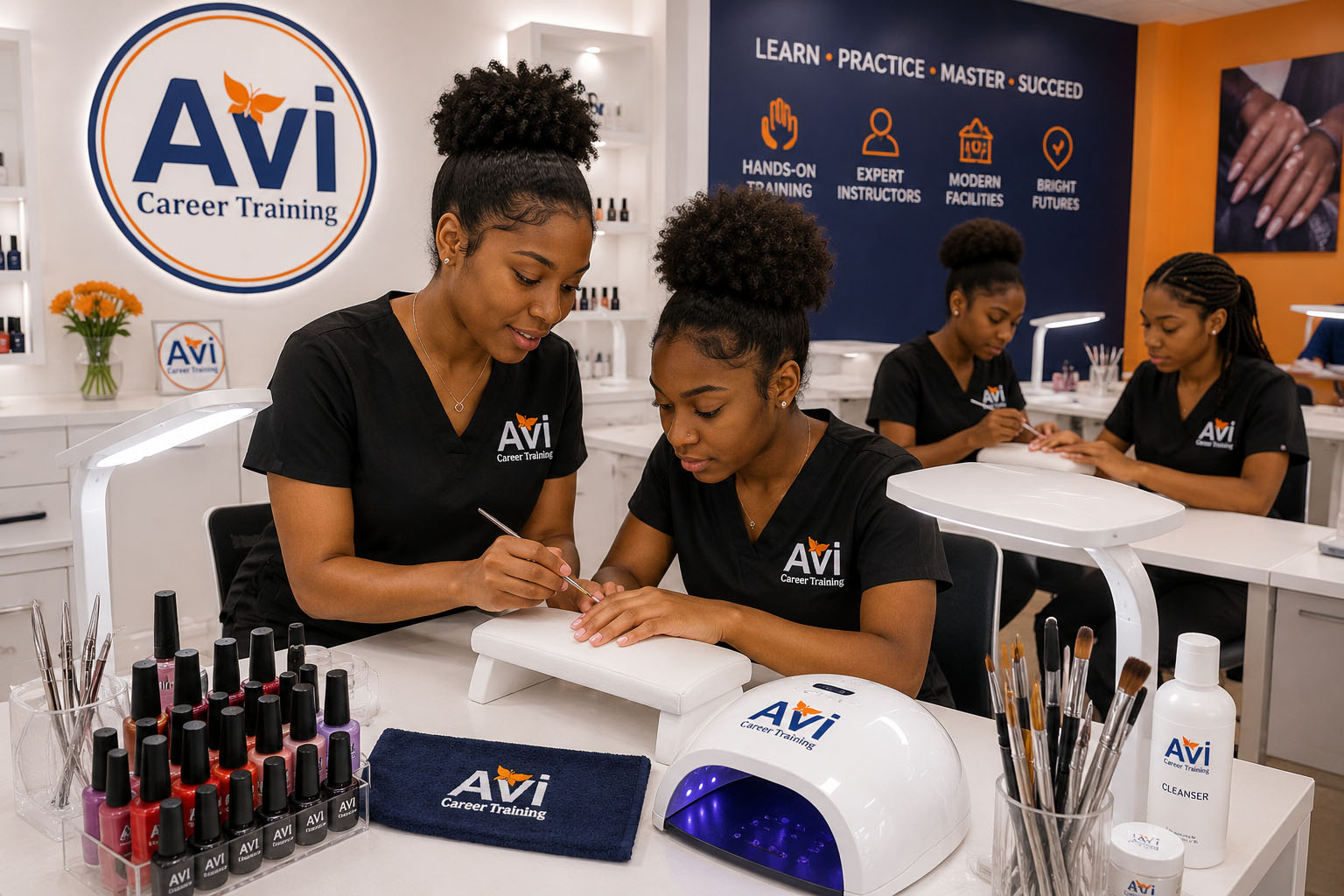
Where Do Nail Technicians Work in Northern Virginia?
Nail technician jobs in Northern Virginia span a wider range of settings than most people expect — and the DMV’s unique economic and demographic profile creates work environments you won’t find in most markets.
Traditional Nail Salons
The most common entry point. Standalone nail salons are everywhere in NoVA — in strip malls, mixed-use developments, and neighborhood retail corridors from Reston to Woodbridge. These environments offer consistent client volume, mentorship from senior techs, and a straightforward employment structure. Many new nail tech graduates start here to build speed, confidence, and a client base.
Upscale Day Spas
Northern Virginia’s affluent communities support a robust day spa market. Spas in Tysons Corner, Great Falls, and Arlington often employ nail technicians alongside estheticians and massage therapists. These positions typically pay higher hourly rates, attract higher-spending clientele, and offer a more curated working environment. Tips in spa settings tend to run higher as well.
Hotel and Resort Spas
The DC metro area is home to luxury hotel properties — from Tysons to Old Town Alexandria to the Capitol Waterfront — that maintain full-service spa facilities. Hotel spa positions often include benefits packages, consistent scheduling, and exposure to an international clientele. For nail techs interested in a hospitality-adjacent career, this is a strong pathway.
Medical-Adjacent Nail Clinics and Podiatry Offices
A growing niche in the DC metro involves nail techs working alongside podiatrists or in medical nail clinics that serve clients with diabetes, peripheral neuropathy, or other conditions requiring specialized nail care. This work requires additional knowledge but commands higher rates and offers a differentiated career path.
Mobile Nail Services
Mobile nail technicians travel to clients’ homes, offices, or events. In a market like Northern Virginia — where professionals have packed schedules and disposable income — mobile services command premium pricing. Bridal parties, corporate wellness events, and private home visits are all viable revenue streams for a mobile nail tech with strong client relationships.
Booth Rental and Self-Employment
Experienced nail techs in NoVA frequently move into booth rental arrangements, effectively operating as independent business owners within an established salon. This model provides maximum income control and schedule flexibility — particularly attractive for nail techs building a following on Instagram or TikTok.
The DMV’s combination of federal employees, military families at nearby bases like Fort Belvoir and Quantico, a strong hospitality sector, and a highly educated professional class creates year-round, consistent demand that insulates nail technology career opportunities from seasonal slowdowns that affect other markets.
—
Virginia Licensing Requirements: What You Need to Start Working
You do need a license to do nails in Virginia — and the path to getting it is straightforward.
The Virginia Board for Barbers and Cosmetology, operating under the Virginia Department of Professional and Occupational Regulation (DPOR), sets the following requirements for nail technician licensure:
Virginia Nail Technician License Requirements
- ✅ Complete 150 clock hours of approved nail technology training at a licensed school
- ✅ Pass the Virginia State Board written examination
- ✅ Pass the Virginia State Board practical examination
- ✅ Submit application and fees to DPOR
- ✅ Renew your license every 2 years
How Long Does It Take?
Virginia’s 150-hour requirement is among the lower thresholds in the country — which is genuinely good news for career changers and people who want to enter the workforce quickly. With a focused, full-time training schedule, students at AVI Career Training can complete all required hours and become eligible to sit for the Virginia State Board exam in as few as 8 weeks.
Compare that to a two- or four-year degree program, and the value proposition is clear: you can be licensed and earning income in the same season you decided to make a change.
What Happens at the State Board Exam?
The Virginia State Board exam has two components. The written portion tests your knowledge of nail science, product chemistry, anatomy, sanitation, and state regulations. The practical portion requires you to demonstrate hands-on skills on a model — showing the examiner that you can perform services safely and correctly. Strong nail technology training programs prepare you for both components throughout your coursework, not just at the end.
For official licensing information, visit the Virginia DPOR website.
—
—
How to Start Your Nail Tech Career at AVI Career Training
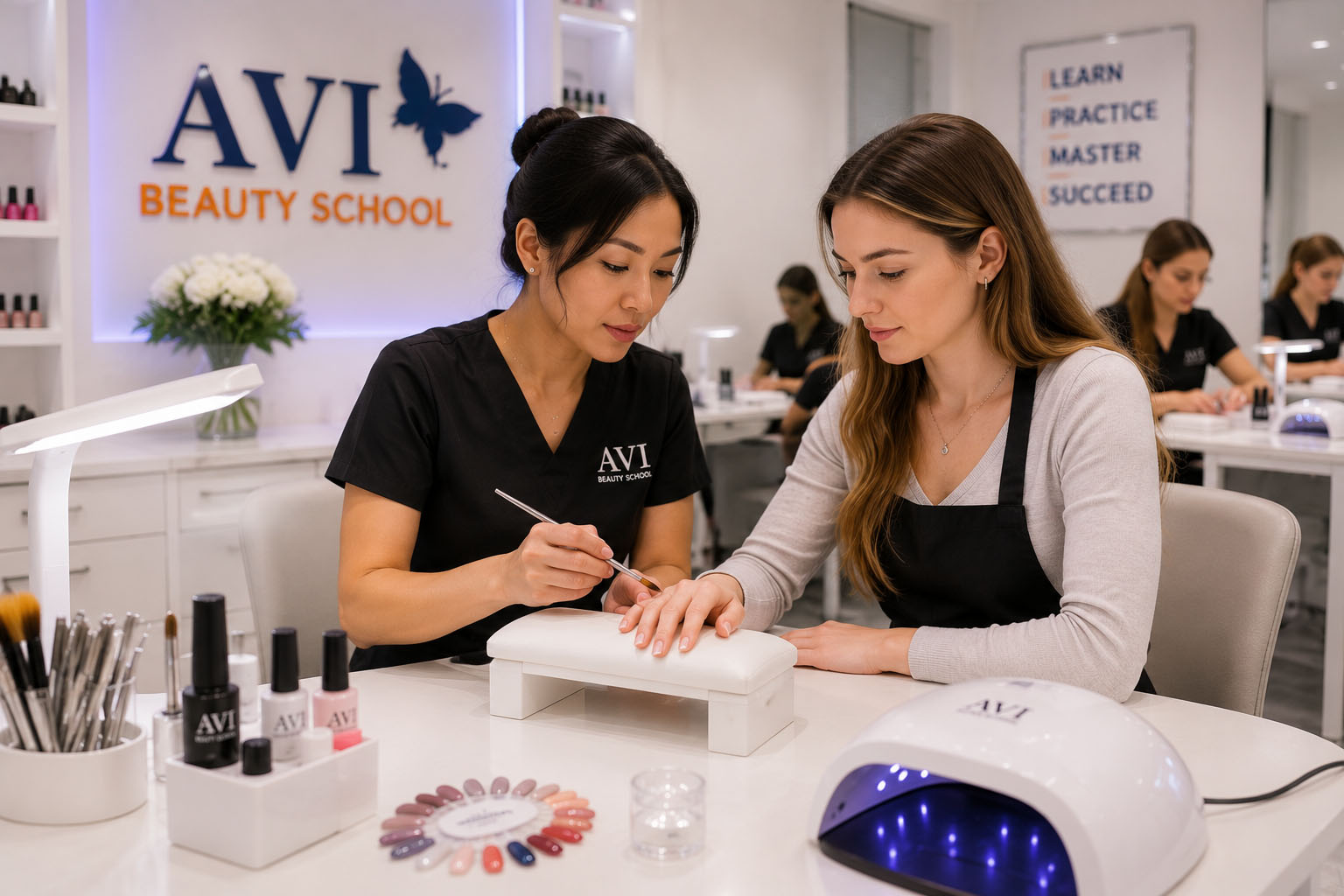
AVI Career Training’s Nail Technician program (NO FINANCIAL AID FOR THIS PROGRAM) in Vienna, Virginia is built around one goal: getting you licensed, skilled, and ready to earn — as efficiently as possible.
What the Program Covers
AVI’s Nail Technician curriculum covers every service and topic the Virginia State Board requires, including:
The curriculum is intentionally inclusive — training students to work beautifully on every skin tone and every nail type. That’s not a marketing line; it’s a core instructional value at AVI. Beauty professionals who can confidently serve a diverse clientele have a meaningful competitive advantage in a market as diverse as Northern Virginia.
A Student Story: Career Change at 34
Keisha had spent a decade in retail management in Fairfax. She was good at it, but she wanted to build something she owned. She’d been doing nails for friends on weekends for years and kept hearing: “You should do this professionally.” She enrolled in AVI’s Nail Technician program (NO FINANCIAL AID FOR THIS PROGRAM), completed her 150 hours, passed both State Board exams on the first attempt, and within three months of graduating was renting a booth in a Tysons-area salon. By her first anniversary in the industry, she had a full client roster and a growing Instagram following — two things her retail career never gave her.
COE Accreditation: Why It Matters
AVI Career Training is accredited by the Council on Occupational Education (COE) and certified by the Virginia State Council of Higher Education for Virginia (SCHEV). COE accreditation is a nationally recognized credential that signals educational quality and institutional accountability. When employers and licensing boards see a COE-accredited school on your transcript, it carries weight.
Program Details at a Glance
- Program: Nail Technician
- Required Hours: 150 clock hours (Virginia State Board minimum)
- Timeline: As few as 8 weeks
- Location: Vienna, Virginia (Tysons Corner area)
- Accreditation: COE Accredited · SCHEV Certified
- Financial Aid: NOT available — this program is under 600 hours and does not qualify for federal financial aid (Title IV / FAFSA). Payment plans and private financing options are available. Contact admissions to discuss.
- GI Bill®: Contact AVI to confirm current program eligibility
- Phone: (703) 943-9841
A Second Story: Military Spouse, New Start
Danielle moved to Northern Virginia when her husband was assigned to a nearby installation. Starting over professionally in a new state is never easy. A friend told her about AVI. The short program timeline fit her family’s schedule, the Vienna location was convenient to their housing, and the hands-on format suited how she learned. Eight weeks later, she was State Board exam-eligible. She now works at a spa near Fort Belvoir, building the kind of portable, licensure-based career that moves with a military family.
—

—
Is Nail Technology a Good Career in 2024 and Beyond?
Yes — and the data supports it. The BLS projects continued employment growth for manicurists and pedicurists, driven by consumer spending on personal care services and the steady expansion of the beauty and wellness industry. For the full national outlook, see the BLS Occupational Outlook Handbook for Manicurists and Pedicurists.
The DMV market specifically benefits from structural demand factors that other markets don’t have: a large, stable federal government workforce, a military presence across multiple installations, a growing tech and professional services sector, and a hospitality industry anchored by one of the most-visited cities in the world. Those factors don’t disappear in an economic downturn the way discretionary consumer spending in other sectors does.
Nail technology also gives you something most careers don’t: ownership potential. Whether through booth rental, mobile services, or eventually opening your own salon, the license you earn is the foundation of a business you control.
The combination of a short training pathway, a low barrier to licensure in Virginia, strong regional market conditions, and meaningful earning upside — including tips and self-employment — makes nail technology one of the more financially rational career training decisions available in Northern Virginia right now.
—
Frequently Asked Questions
Q: How much does a nail technician make in Virginia?
A: Virginia nail technicians earn approximately $30,000–$34,000 per year in median reported wages, according to BLS data. In Northern Virginia and the DC metro area, wages typically run 10–20% above the state median due to a higher cost of living and affluent client base. Tips — which BLS does not track — can add $10,000–$20,000 or more to annual take-home pay. Established nail techs in the DMV with booth rental arrangements or strong nail art specializations routinely report total income exceeding $50,000.
Q: How long does it take to become a nail technician in Virginia?
A: Virginia requires 150 clock hours of approved nail technology training. At AVI Career Training in Vienna, Virginia, students can complete those hours and become eligible to sit for the Virginia State Board exam in as few as 8 weeks with a focused training schedule.
Q: Do I need a license to do nails in Virginia?
A: Yes. The Virginia Board for Barbers and Cosmetology, under DPOR, requires all nail technicians to hold an active state license. You must complete 150 clock hours of approved training, pass both the written and practical Virginia State Board exams, and submit your application to DPOR. Practicing without a license is illegal and can result in fines and penalties.
Q: What are the best places to work as a nail tech in Northern Virginia?
A: Northern Virginia offers nail technician jobs across a range of settings: traditional nail salons (the most common entry point), upscale day spas in Tysons Corner and Arlington, hotel and resort spas near DC, medical nail clinics, and mobile nail services for home and event clients. Experienced nail techs with an established client base often move into booth rental arrangements for maximum income and schedule control.