
Nail Tech Careers in Virginia: 2026 Job Outlook
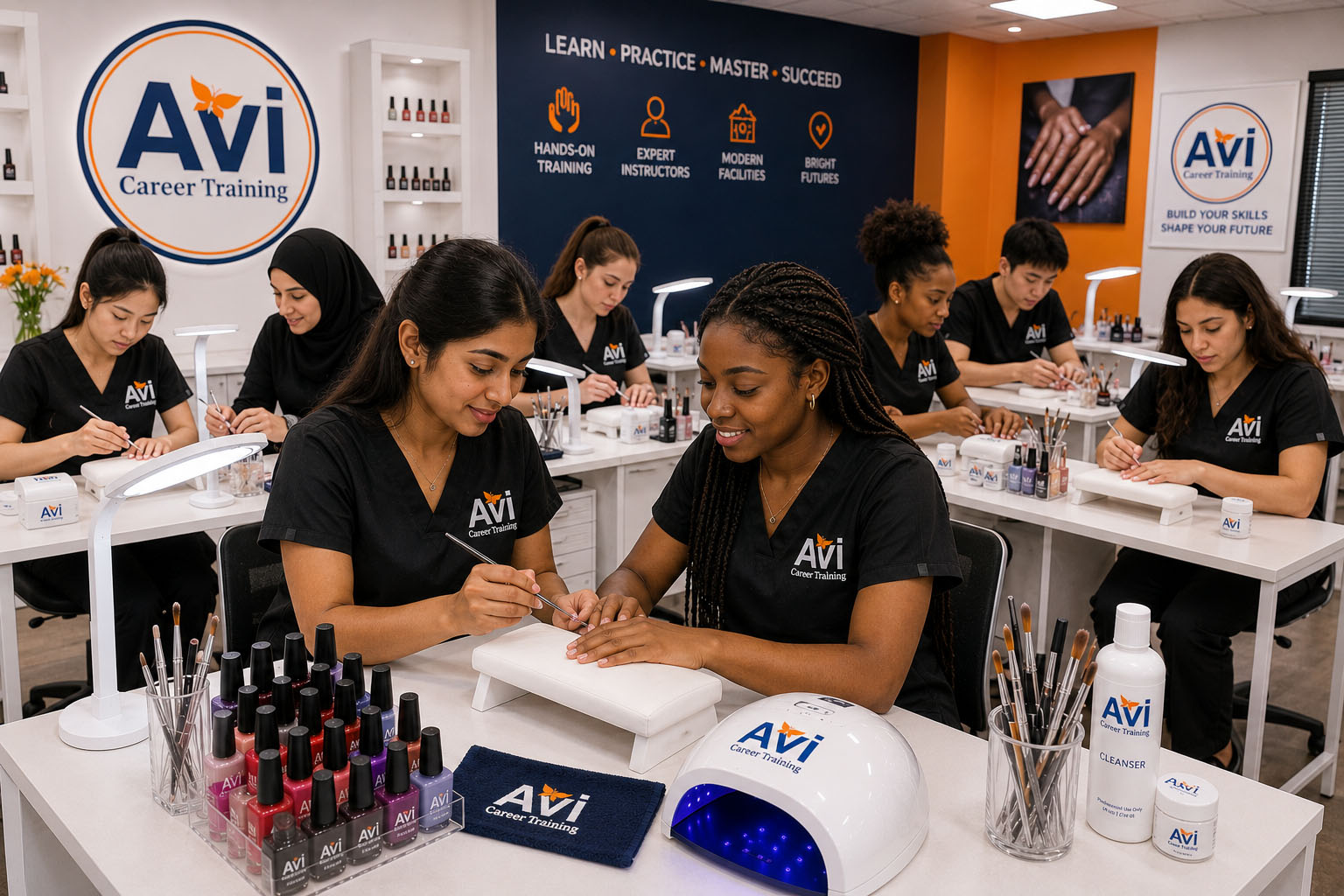
The nail technician job outlook in Virginia for 2026 is strong — demand is growing, wages in the Northern Virginia market are well above the national average, and the path from zero experience to licensed professional takes as little as eight weeks. If you’re weighing a career change or looking for a hands-on trade that pays well without a four-year degree, nail technology deserves a serious look.
This guide covers everything you need to make an informed decision: Virginia salary data, licensing requirements, the industry trends shaping the field right now, and exactly how to get started at a nail technician school in Northern Virginia.
—
- Virginia requires 150 clock hours of approved training to sit for the nail technician state board exam.
- The Virginia median wage for nail technicians ranges from $32,000–$38,000/year; Northern Virginia/DC metro techs with tips and clientele can earn $45,000–$60,000+.
- The BLS projects employment for manicurists and pedicurists to grow at a steady pace through the mid-2030s, driven by nail art culture and wellness demand.
- AVI Career Training’s Nail Technician program (NO FINANCIAL AID FOR THIS PROGRAM) in Vienna, VA is DPOR-approved and COE-accredited.
- Graduates can sit for the Virginia State Board exam and start earning — often within two to three months of enrolling.
—
The Nail Industry in 2026 — Is Demand Actually Growing?
Yes — the nail industry is growing, and Virginia is one of the stronger markets in the mid-Atlantic region. After a sharp contraction during the pandemic, the salon industry rebounded faster than most analysts predicted. By 2023, nail salons had recovered to pre-pandemic revenue levels nationally. By 2025 and into 2026, the market has expanded further, driven by cultural momentum that shows no signs of slowing.
The U.S. Bureau of Labor Statistics (BLS) groups nail technicians under Manicurists and Pedicurists. The BLS Occupational Outlook Handbook projects this occupation to add jobs steadily over the coming decade, consistent with overall growth in personal care services. The broader personal appearance worker category is projected to grow faster than many office-based occupations through the mid-2030s.
In Virginia specifically, the Tysons Corner corridor, Fairfax County, Arlington, and Alexandria represent some of the highest-earning nail service markets on the East Coast. The DMV area’s concentration of dual-income households and proximity to the nation’s capital creates steady, high-frequency demand for professional nail services. Clients in this market aren’t just getting a basic manicure — they’re booking specialty nail art appointments, gel extension services, and nail restoration treatments that command premium prices.
What Is Driving Nail Industry Growth in 2026?
Three forces are accelerating demand for skilled nail technicians right now:
—
What Nail Technicians Earn in Virginia Right Now
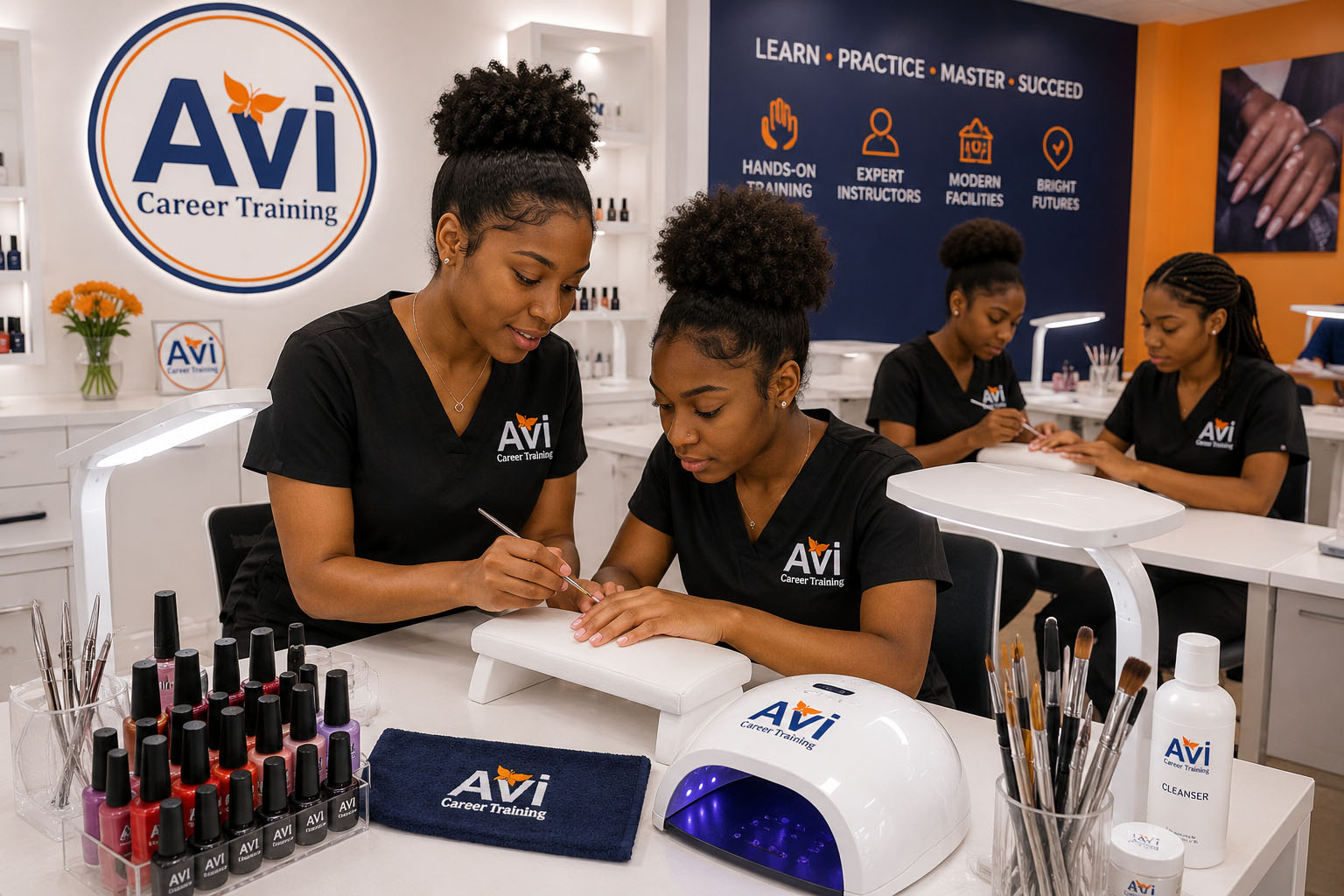
Nail technician salary in Virginia varies meaningfully by experience level, location, and employment model — but the earnings picture is genuinely competitive for a career that requires 150 hours of training rather than four years and $100,000 in student debt.
How Much Do Nail Technicians Make in Virginia?
Here’s a realistic breakdown of what you can expect at different career stages:
$28K–$34K
First 1–2 years; building clientele in a salon or spa setting
$36K–$45K
Established client base; tip income factored in
$50K–$60K+
Suite rental model, loyal clientele, specialty services
The Virginia statewide median wage for manicurists and pedicurists sits in the $32,000–$38,000/year range based on BLS Occupational Employment and Wage Statistics data. That figure reflects base wages reported by employers and does not fully capture tip income — which in the Northern Virginia market can be substantial.
For technicians working in the Tysons Corner area, Reston, McLean, and Arlington, the combination of base wages, tips, and retail commission frequently pushes total annual earnings to $45,000–$60,000+ for experienced professionals with a steady book of clients. Suite renters who run their own book can earn more — though they carry business overhead costs as well.
Fairfax County and the DC metro area consistently rank among the highest-paying markets for nail technicians in the country. Proximity to an affluent, service-oriented client base — combined with Virginia’s relatively low cost of licensing — makes this one of the best regions in the country to build a nail tech career.
—
Virginia Licensing Requirements — What You Need to Know
Virginia nail technician license requirements are among the most accessible in the country. Here’s exactly what the Virginia Department of Professional and Occupational Regulation (DPOR) requires.
How Many Hours Do You Need to Become a Nail Technician in Virginia?
Virginia requires 150 clock hours of nail technology training at a DPOR-approved school. This is the minimum required before you’re eligible to sit for the Virginia State Board exam. Compared to cosmetology (1,000 hours) or esthetics (600 hours), the 150-hour requirement makes nail technology one of the fastest entry points into a licensed beauty career in the state.
What Does the Virginia State Board Exam Include?
The exam has two parts:
1. Written (Theory) Exam — Tests your knowledge of nail anatomy, sanitation and disinfection protocols, product chemistry, and Virginia state laws and regulations.
2. Practical (Hands-On) Exam — Evaluates your technical execution of core nail services under examination conditions.
Both parts must be passed to receive your Virginia nail technician license. At AVI Career Training, your training directly prepares you for both components — theory is woven into every class, and hands-on practice is the centerpiece of the program.
Why DPOR Approval and COE Accreditation Matter
Your school must be approved by the Virginia Department of Professional and Occupational Regulation (DPOR) for your training hours to count toward licensure. No DPOR approval means no license eligibility — full stop.
COE accreditation (Council on Occupational Education) is an additional quality credential that signals the school meets rigorous educational standards. AVI Career Training holds both DPOR approval and COE accreditation, giving students confidence that their training investment is legitimate and their hours will be recognized.
License renewal in Virginia is required every two years. Renewal keeps you current with any regulatory changes and is a simple administrative process once you’re working in the field.
—
Industry Trends Shaping Nail Tech Careers in 2026
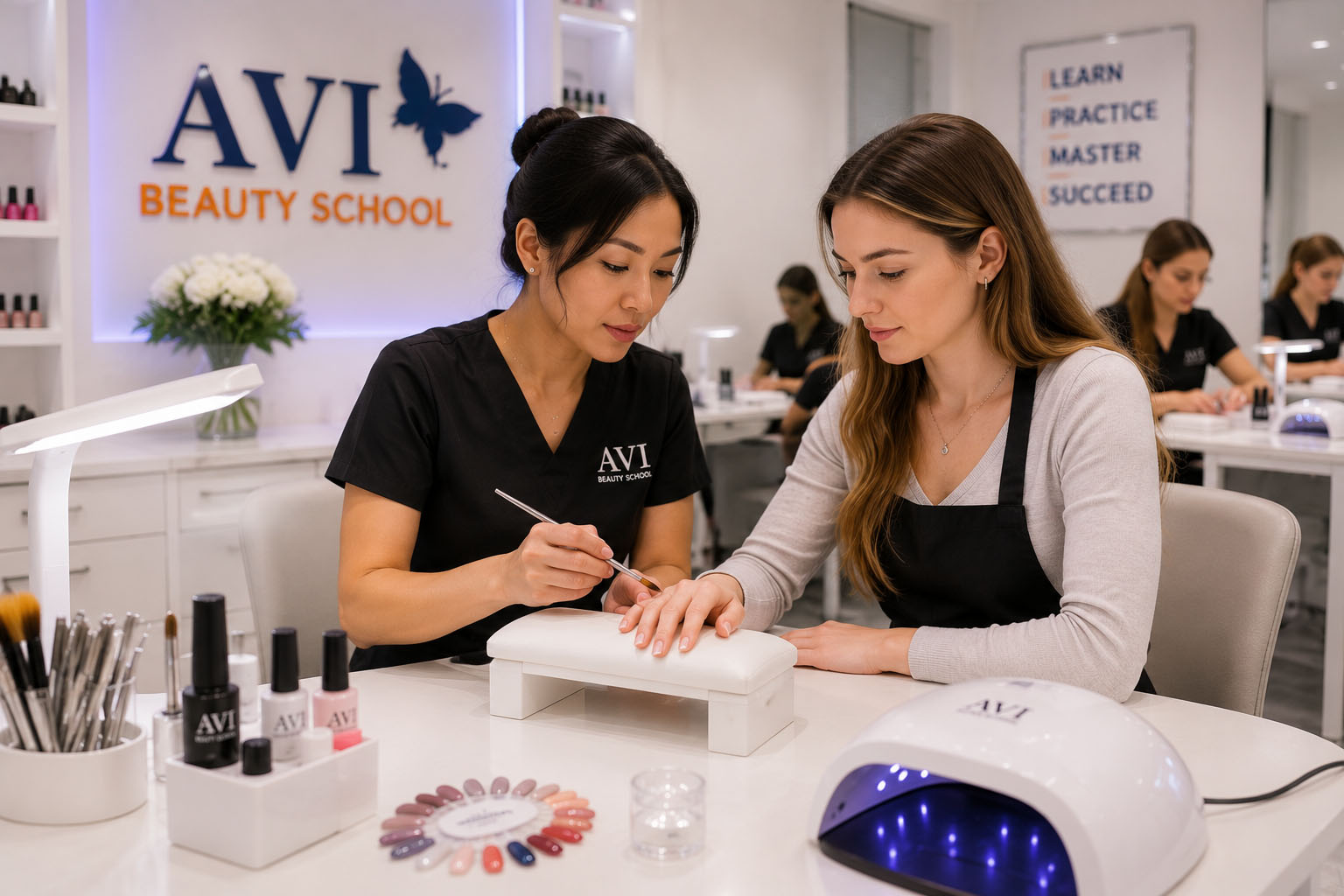
The nail technology industry in 2026 looks meaningfully different from five years ago. Understanding these shifts helps you position your career for long-term growth — not just your first job.
1. Nail Art Has Become a Premium Service Category
Nail art — from intricate hand-painted designs to 3D nail extensions and chrome powders — is no longer a niche specialty. It’s a mainstream service that clients actively seek out and pay significantly more for. Technicians who develop strong nail art skills can charge $75–$150+ per service in the Northern Virginia market, compared to $30–$50 for a standard manicure.
2. Nail Health and Wellness Services Are Expanding
Clients are paying more attention to nail health, not just nail aesthetics. Nail restoration services, treatment overlays for damaged nails, and cuticle care treatments are growing demand segments. This trend pulls in clients who might have avoided salons due to nail damage concerns — and creates upsell opportunities for skilled technicians.
3. Inclusive Shade Matching Is Now a Client Expectation
The modern nail client — across every skin tone — expects technicians who can recommend shades that complement their complexion beautifully. Brands have expanded their shade ranges significantly, and technicians who understand how color reads against different skin tones deliver a noticeably better client experience. At AVI Career Training, inclusive technique is built into the curriculum from day one.
4. Sustainable and Clean Products Are Growing in Demand
10-free, vegan, and cruelty-free nail polish formulations are moving from specialty boutiques into mainstream salon shelves. Clients in Northern Virginia’s educated, health-conscious market are increasingly asking about product ingredients. Nail technicians who can speak to product safety and sustainable options are gaining competitive advantage.
5. The Suite Rental Model Is Reshaping How Nail Techs Work
The independent suite model — where a nail technician rents their own private suite rather than working as an employee — is growing rapidly across Northern Virginia and the broader DMV area. Suite rental platforms have expanded in Tysons, Reston, and Fairfax. This model offers scheduling flexibility, direct client relationships, and higher per-service earnings — at the cost of managing your own business overhead. Many nail tech graduates now enter the field with entrepreneurship as their long-term goal from day one.
—
How to Start Your Nail Tech Career in Northern Virginia
Starting a nail tech career in Northern Virginia is a clear, step-by-step process — and it’s faster than most people expect.
How Long Does Nail Technician School Take in Virginia?
At AVI Career Training, the Nail Technician program (NO FINANCIAL AID FOR THIS PROGRAM) covers Virginia’s required 150 clock hours of hands-on training. Depending on your schedule and class availability, most students complete the program in as few as 8 weeks. That’s eight weeks from enrollment to eligible to sit for the Virginia State Board exam — not eight months, not two years.
How to Become a Nail Technician in Virginia — Step by Step
Here’s the path from zero to licensed:
- Enroll in a DPOR-approved nail technician program (like AVI’s) in Vienna, Virginia
- Complete 150 clock hours of hands-on nail technology training
- Pass both parts of the Virginia State Board exam — written and practical
- Apply for your Virginia nail technician license through DPOR
- Start working — in a salon, spa, medical setting, or as an independent suite renter
A Real Path Forward: Two Student Stories
Scenario 1: The Career Changer
Imagine someone in their 30s who has spent a decade in retail — steady work, but no real career trajectory. She’s always been drawn to nail art but assumed it wasn’t a “real” career. After researching the Northern Virginia job market and discovering AVI’s eight-week program, she enrolls. Within three months of completing training, she passes her Virginia State Board exam and accepts a position at a high-end Tysons-area spa. Within her first year, she builds a loyal client base and her take-home — base wages plus tips — surpasses what she made in retail.
Scenario 2: The Recent Graduate
A 22-year-old who recently finished community college and wanted a career he could build quickly without more debt. He completes AVI’s Nail Technician program (NO FINANCIAL AID FOR THIS PROGRAM) in eight weeks, passes his state boards, and starts renting a suite in Reston while building his clientele on social media. The Instagram account he starts to showcase his nail art work grows his booking calendar within six months.
Tuition and Payment Options
Important: AVI’s Nail Technician program is under 600 hours, which means it does not qualify for federal financial aid (Title IV / FAFSA). Federal Pell Grants and federal student loans are not available for this program.
That said, AVI works with students to make training accessible:
Contact AVI’s admissions team at (703) 943-9841 to discuss payment options that work for your situation.
—

—
Frequently Asked Questions
Q: How much do nail technicians make in Virginia?
A: Virginia nail technicians earn a median base wage of approximately $32,000–$38,000 per year according to BLS data. In the Northern Virginia and DC metro market — including Fairfax County, Arlington, and the Tysons corridor — total annual earnings including tips and retail commission commonly reach $45,000–$60,000+ for experienced technicians with established clientele.
Q: How many hours do you need to become a nail technician in Virginia?
A: Virginia requires 150 clock hours of nail technology training at a DPOR-approved school. This is one of the lowest hour requirements for a licensed beauty career in the state, making nail technology one of the fastest paths to licensure.
Q: Is nail technology a good career in 2026?
A: Yes — particularly in Northern Virginia. The combination of steady industry growth, strong local wages, low hour requirements for licensure, and expanding service categories (nail art, wellness services, suite rental entrepreneurship) makes nail technology a genuinely viable career path for people who want to work with their hands and build a loyal client base.
Q: What is the job outlook for nail technicians?
A: The BLS projects steady employment growth for manicurists and pedicurists through the mid-2030s. Personal care services overall are growing faster than many office-based occupations. Nail art culture, repeat appointment cycles, and the expansion of wellness-adjacent nail services are all contributing to sustained demand for skilled nail technicians.