
Medical Assistant vs. Esthetician: Which Career Is Right for You?
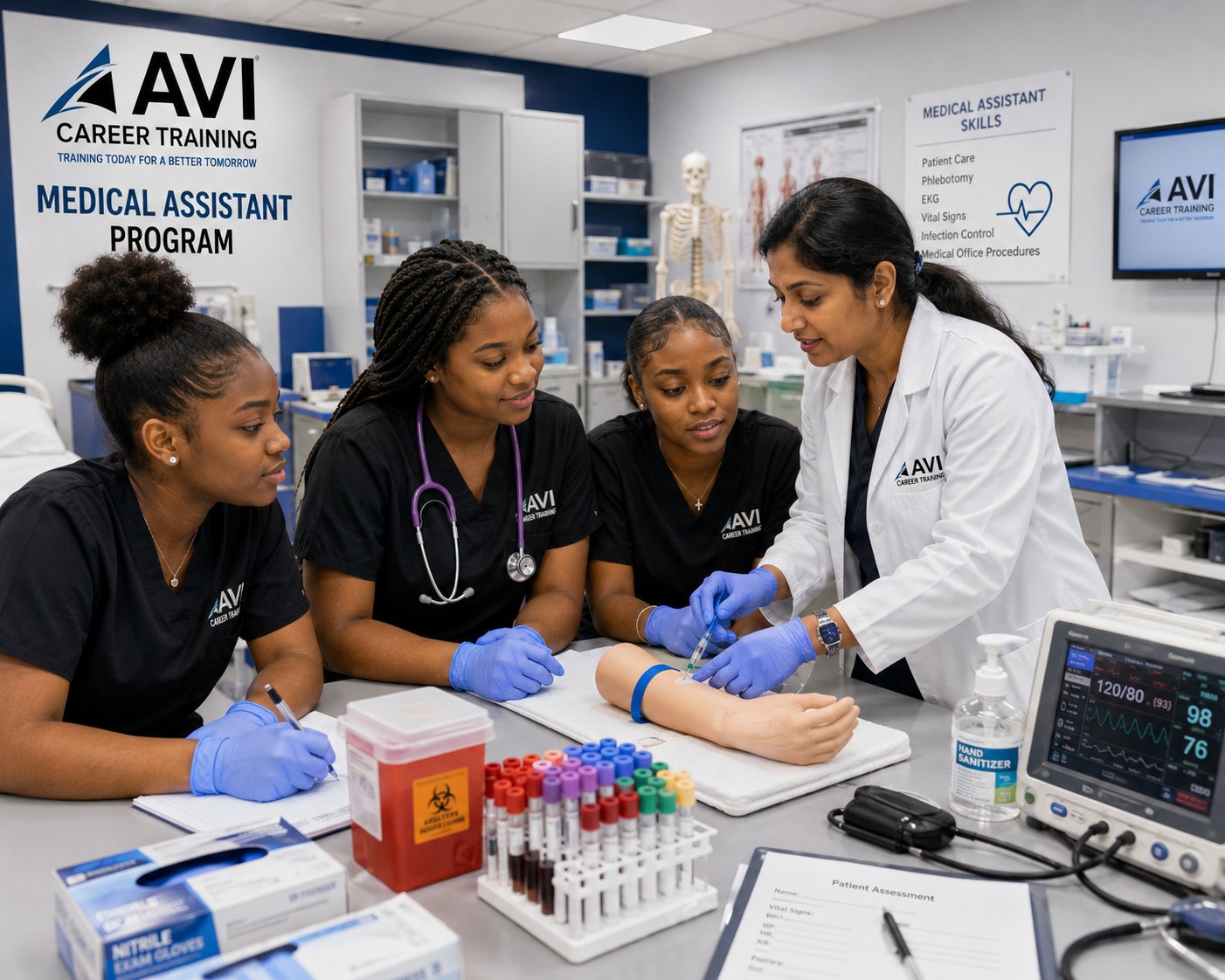
If you’re weighing a medical assistant vs. esthetician career, both are real, in-demand paths — but they differ dramatically in training length, day-to-day work environment, and earning ceiling. The right choice depends on how fast you want to start working, what kind of environment energizes you, and whether you want the freedom to build something on your own terms.
This guide breaks down both paths with real numbers, real timelines, and a clear look at where they overlap — because in Northern Virginia’s booming med-spa and cosmetic industry, beauty and medicine cross paths more than most people realize.
Key Takeaways
—
Training Time: How Fast Can You Start Working?
Speed to income is one of the biggest practical differences between these two paths.
Medical assistant programs typically fall into one of two formats: a certificate program (9–12 months) or an associate degree program (approximately 2 years). Both require structured coursework in clinical procedures, pharmacology, medical terminology, and patient care. Most programs also include an externship component, which adds time before you’re fully job-ready.
Esthetics programs in Virginia operate under a different model. The Virginia Department of Professional and Occupational Regulation (DPOR) requires 600 clock hours of training to sit for the Virginia State Board licensing exam. At AVI Career Training in Vienna, Virginia, students completing the Basic Esthetics program can be state-board eligible in approximately 6–8 months — and many begin building their clientele before they’ve even graduated.
That gap matters enormously if you’re a career-changer who needs income sooner rather than later, or if you’re weighing the real cost of two more years of school against a faster, licensed path to work.
Ready to get started? If speed to licensure matters to you, apply to AVI Career Training today and talk to an admissions advisor about your timeline.
—
Esthetician vs. Medical Assistant Salary: What Do the Numbers Say?
Salary is where this comparison gets more nuanced — and more interesting — than most career comparison sites will tell you.
According to the U.S. Bureau of Labor Statistics (BLS), the national median annual wage for medical assistants is approximately $42,000 per year. For estheticians, the national median sits at approximately $38,410 per year.
At first glance, the MA wins. But that national median hides several important factors:
The Northern Virginia / DC Metro Difference
Both professions earn significantly more in the Washington, DC metro area than national medians reflect. Northern Virginia is one of the highest-earning regions in the country across nearly every occupation — and that holds true for both medical assistants and licensed skin care professionals.
The Ceiling for Estheticians Is Much Higher
A salaried position in a day spa is just one option. Estheticians with strong retail skills, loyal clientele, or specializations in medical esthetics can see their income grow substantially beyond the national median. Tips, product commissions, and booth rental income are revenue streams medical assistants simply don’t have access to.
Medical estheticians and cosmetic laser technicians working in dermatology offices, plastic surgery practices, and med spas in the DC metro market can earn $50,000–$80,000+ depending on the setting, their specialization, and their client volume. These are market ranges, not guarantees — but they reflect a real earning ceiling that a standard spa esthetician position alone doesn’t always show.
Entrepreneurial Income Potential
Medical assistants work for employers — period. Estheticians can build their own businesses. Whether that means renting a suite, building a loyal private clientele, or eventually opening a spa, the entrepreneurial upside is real and accessible. Many estheticians report that their income grows every year as their reputation builds — a trajectory that’s harder to replicate in a salaried clinical role.
—
Work Environment & Day-to-Day Reality
Beyond the salary numbers, the daily experience of each career is dramatically different — and for many people, this is the deciding factor.
The Medical Assistant Experience
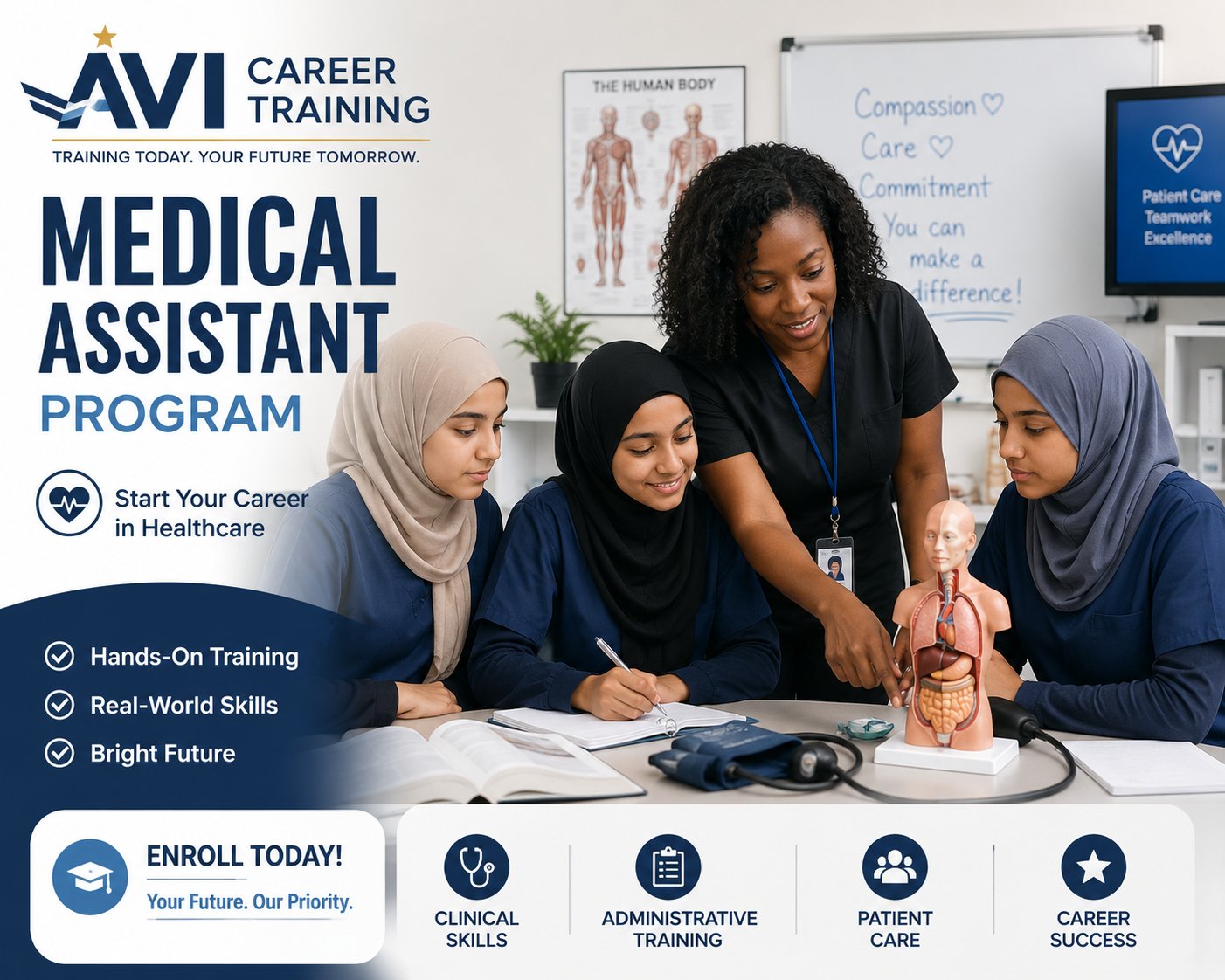
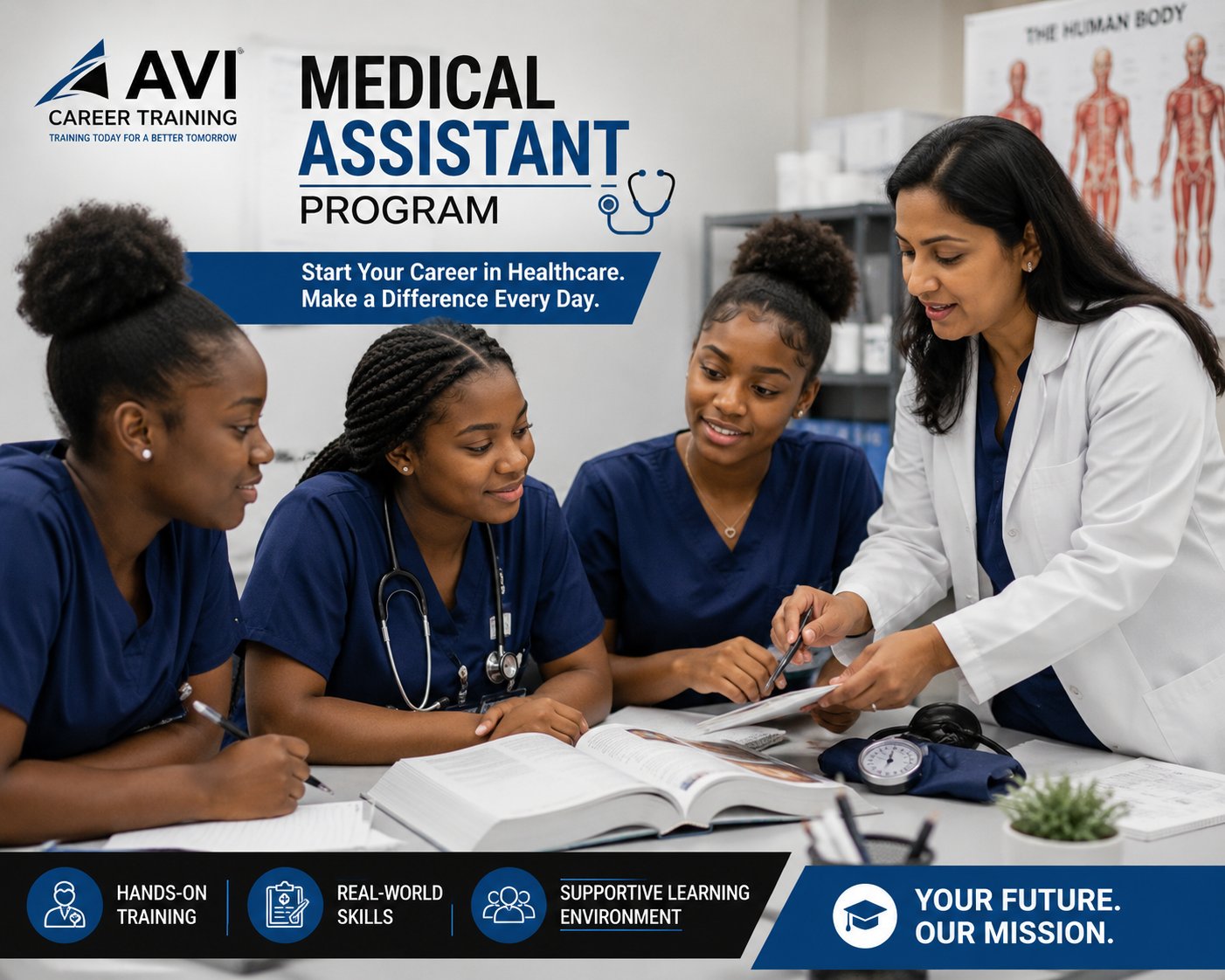
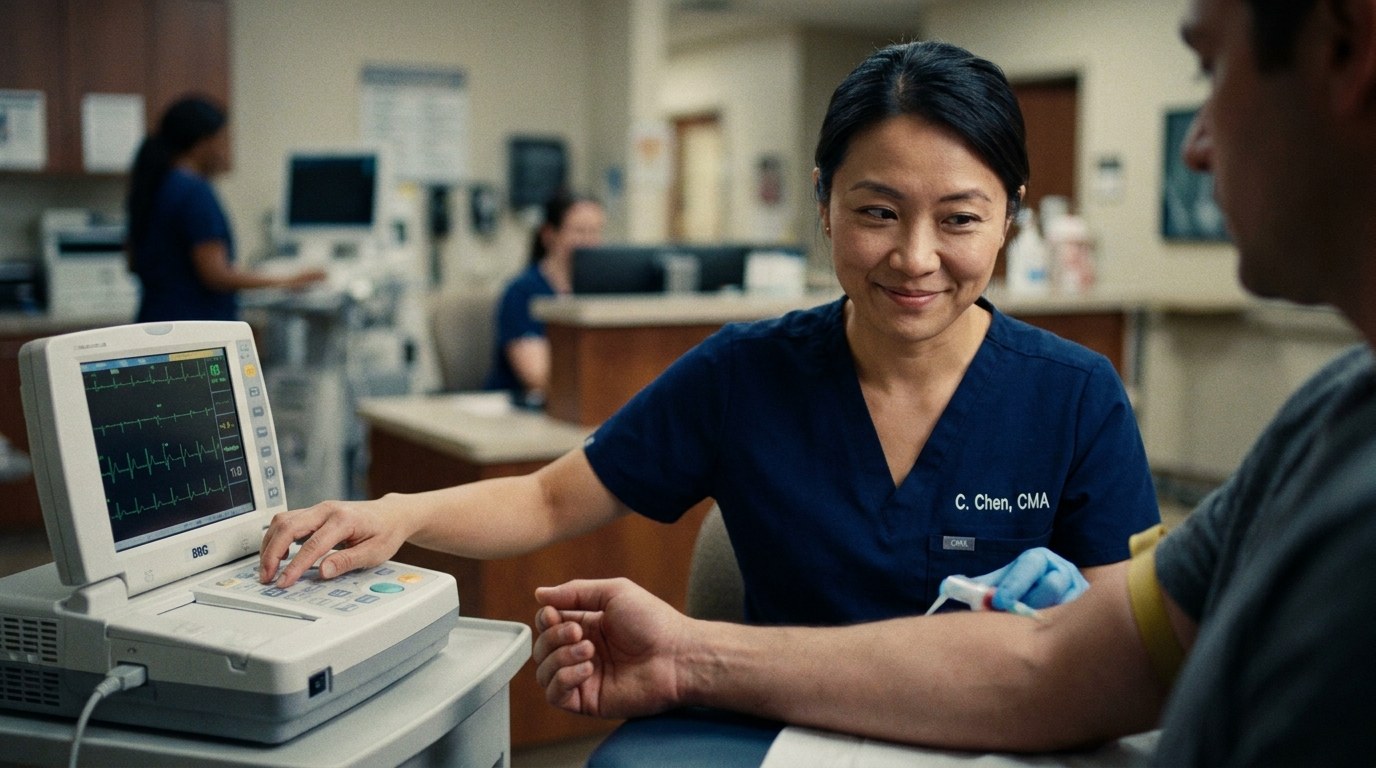
Medical assistants work in physician offices, urgent care clinics, hospital outpatient departments, and specialty practices. The work is structured, fast-paced, and closely supervised by licensed physicians and nurses. Duties typically include taking patient vitals, preparing exam rooms, administering injections, managing medical records, and handling front-desk administrative tasks.
It’s meaningful, important work — but it’s also regulated by strict protocols, emotionally demanding at times, and rarely offers the kind of autonomy that appeals to entrepreneurially minded career-changers.
The Esthetician Experience
Estheticians work in day spas, resort spas, medical spas, dermatology offices, salons, and private suites. The work is hands-on, client-relationship-driven, and highly personal. Your day might include facial treatments, chemical peels, waxing, dermaplaning, or advanced skin care consultations — depending on your specialization and work setting.
The pace varies by setting, but estheticians generally have more control over their schedules, their clientele, and their income than their counterparts in clinical roles. For people who thrive on creative expression, personal connection, and building something of their own, esthetics often fits better — even if the starting salary numbers look similar on paper.
Mini-Story: Keisha was a certified nursing assistant for six years in Northern Virginia. She loved working with patients but felt burned out by the clinical structure and the emotional weight of the hospital environment. She enrolled in the Basic Esthetics program at AVI Career Training in Vienna, VA and was state-board eligible within seven months. Today she works at a medical spa near Tysons Corner, doing advanced facials and chemical peels — combining her passion for wellness with a career that finally fits her personality.
—
Career Crossover: Where Beauty Meets Medicine
Here’s the part of this comparison most career guides skip — and it’s the most important section if you’re drawn to the clinical side of healthcare but also energized by beauty and wellness.
Medical esthetics and cosmetic laser technology sit exactly at the intersection of both fields.
Can You Work in a Medical Setting With an Esthetics License?
Yes — and many licensed estheticians do exactly that. Medical estheticians work in dermatology offices, plastic surgery practices, cosmetic clinics, and medical spas. They perform advanced skin treatments, pre- and post-procedure skin care, chemical exfoliation, and customized facial protocols — often working alongside physicians and nurse practitioners.
Cosmetic laser technicians operate hair removal lasers, skin rejuvenation devices, and body contouring equipment in clinical settings. In Virginia, laser technicians typically work under physician oversight — but the training pathway runs through a beauty and wellness license, not a medical credential.
AVI’s Programs at the Beauty-Medicine Crossover
AVI Career Training in Vienna, Virginia offers two programs that speak directly to this intersection:
These programs attract students who want the clinical edge — the prestige and earning potential of a medical-adjacent career — without committing to a two-year medical assistant degree or navigating the rigid hierarchy of a healthcare institution.
Financial aid is available for qualifying AVI programs, and GI Bill® benefits are accepted. Talk to an AVI admissions advisor at (703) 943-9841 to find out which program fits your goals.
Mini-Story: Marcus separated from the Army after eight years of service and was considering a medical assistant certificate program — until a friend mentioned that his GI Bill® benefits could be applied at AVI Career Training. He enrolled in the Cosmetic Laser Technology program, completed his training, and is now working at a cosmetic clinic in the Tysons Corner area. His military background — precision, professionalism, client communication — translates directly to the med-spa environment.
—
Beauty School vs. Medical Assistant Program: Making Your Decision
Before you commit to either path, ask yourself these questions honestly. Your answers will point you in the right direction faster than any salary chart.
Questions to Ask Before You Enroll
1. Do you want to own your own business someday?
If entrepreneurship is part of your long-term picture, esthetics gives you a realistic, license-backed path to suite ownership, private practice, or spa ownership. Medical assisting does not.
2. Do you prefer wellness and appearance-focused work, or diagnostics and clinical care?
Be honest with yourself here. If working on skin, helping people feel confident, and building aesthetic results energizes you — that’s an esthetics career, not a clinical one.
3. How fast do you need to start earning?
600 hours vs. 9–24 months is a significant difference, especially if you have bills to pay or a family depending on you.
4. Does the work environment matter to you?
A spa or medical spa environment is categorically different from a physician’s office or urgent care clinic. Think about where you’d spend 40 hours a week with the most energy.
5. Is financial aid availability important?
AVI Career Training offers financial aid for qualifying programs and accepts GI Bill® benefits. If funding your education is a key concern, talk to an admissions advisor about what options apply to the specific program you’re considering.
6. Do you want to work on clients of every background?
AVI’s curriculum is explicitly built around inclusive techniques — training students to provide expert skin care across all skin tones and all backgrounds. If serving a diverse clientele matters to you, AVI’s approach stands apart.
—
Esthetics Career Outlook in Virginia: What the Data Shows
The Northern Virginia and DC metro region is one of the strongest markets in the country for licensed esthetics professionals. The density of medical spas, cosmetic dermatology practices, resort and hotel spas, and high-end day spas in the Tysons Corner, Arlington, Alexandria, and Bethesda corridor creates consistent, growing demand for skilled, licensed estheticians.
According to the BLS Occupational Outlook Handbook, employment of skin care specialists is projected to grow faster than the national average over the coming decade — driven by increased consumer interest in skin health, cosmetic procedures, and appearance-focused wellness.
For students completing training in Vienna, Virginia and entering the Northern Virginia job market, the geographic advantage is real. This is not a market where new graduates struggle to find work — it’s a market where skilled, licensed, professionally trained estheticians are in active demand.
—
Frequently Asked Questions
Q: Is it better to be a medical assistant or an esthetician?
A: It depends entirely on your goals. Medical assisting is better for those drawn to clinical care and structured healthcare environments. Esthetics is better for those who want faster training, entrepreneurial freedom, and client-relationship-focused work — especially in a strong market like Northern Virginia.
Q: How long does it take to become a medical assistant vs. an esthetician?
A: Medical assistant programs take 9–24 months depending on whether you pursue a certificate or associate degree. Virginia esthetics licensure requires 600 clock hours of training — AVI Career Training students can be state-board eligible in approximately 6–8 months.
Q: Do estheticians make more money than medical assistants?
A: The national median for medical assistants (~$42,000/year) is slightly higher than for estheticians (~$38,410/year), but estheticians have access to tips, retail commissions, and entrepreneurial income streams that can raise their actual earnings significantly. Medical estheticians and cosmetic laser technicians in the DC metro area can earn $50,000–$80,000+ depending on setting.
Q: What beauty careers are similar to medical assisting?
A: Medical esthetics and cosmetic laser technology are the closest beauty-side equivalents to medical assisting. Both involve working in clinical or medical spa environments, often alongside physicians and nurses, performing appearance-focused treatments. AVI Career Training offers both Esthetics and Cosmetic Laser Technology programs in Vienna, Virginia.
Q: Can I work in a medical setting with an esthetics license?
A: Yes. Licensed estheticians work in dermatology offices, plastic surgery practices, cosmetic clinics, and medical spas throughout Northern Virginia. Cosmetic laser technicians operate in similar settings under physician oversight. An esthetics license — not a medical credential — is the typical pathway into these roles.
Q: What are the fastest skin care careers without a degree in Virginia?
A: Virginia’s esthetics license is one of the fastest professional credentials available in the state — requiring 600 clock hours and no college degree. Graduates sit for the Virginia State Board licensing exam and can enter the workforce as licensed estheticians. AVI Career Training in Vienna, VA is COE-accredited and SCHEV-certified, making it a trusted path to licensure.
Q: Does AVI Career Training accept GI Bill® benefits?
A: Yes. AVI Career Training accepts GI Bill® benefits for qualifying programs. Veterans and military-affiliated students should contact AVI admissions at (703) 943-9841 to confirm eligibility and program details.
Q: What is medical esthetics, and how is it different from regular esthetics?
A: Medical esthetics is a specialty within the broader esthetics field, focused on advanced skin treatments performed in clinical or medical spa settings — such as chemical peels, laser treatments, pre- and post-surgical skin care, and cosmetic procedure support. Medical estheticians typically have additional training or certifications beyond the base esthetics license, and they often earn at the higher end of the esthetician salary range.
—
About AVI Career Training
AVI Career Training is a COE-accredited (Council on Occupational Education), SCHEV-certified beauty and wellness career school located in Vienna, Virginia — serving students from across the Northern Virginia and greater Washington, DC metro area, including Tysons Corner, Arlington, Fairfax, Alexandria, and Bethesda.
AVI offers hands-on, state-board focused training in Cosmetology, Basic Esthetics, Master Esthetics, Nail Technology, Massage Therapy, Electrolysis, and Cosmetic Laser Technology. AVI’s curriculum is built around inclusive beauty education — training students to work skillfully and confidently on every skin tone and hair type.