Medical Assistant (NO FINANCIAL AID FOR THIS PROGRAM) vs. Esthetician: Which Career Fits You?
If you’re comparing a medical assistant (NO FINANCIAL AID FOR THIS PROGRAM) vs. esthetician career, both are hands-on, people-centered paths — but they lead to very different day-to-day realities, licensing structures, and earning ceilings, especially in the Northern Virginia and DC metro market.
This guide breaks down both careers side by side: what you’ll actually do every day, how long training takes, what you can earn, and which path gives you more independence and upward mobility. If you’re drawn to healthcare-adjacent work but also want a creative, client-focused career — read this before you make any decisions.
Quick note on AVI Career Training: AVI is a COE-accredited beauty and wellness school in Vienna, VA. We do not offer medical assistant training. What we do offer is a licensed path into the fastest-growing corner of the healthcare-beauty overlap — esthetics, medical esthetics, and cosmetic laser technology. We’ll be transparent about that throughout this article.
If you’re ready to explore the esthetics path, apply now to start your application at AVI Career Training.
Key Takeaways
- Medical assistants (NO FINANCIAL AID FOR THIS PROGRAM) in Virginia work under physician supervision and do not hold an independent state license
- Virginia requires 600 clock hours of training to earn an esthetics license through DPOR
- Licensed estheticians in Northern Virginia’s med spa market can earn $50,000–$70,000+
- AVI’s Esthetics program can be completed in approximately 6–9 months
- Medical estheticians and cosmetic laser technicians work in clinical and medical spa settings — bridging beauty and healthcare
What Does a Medical Assistant (NO FINANCIAL AID FOR THIS PROGRAM) Actually Do?
Medical assistants (NO FINANCIAL AID FOR THIS PROGRAM) keep clinical operations moving. They work in physician offices, outpatient clinics, urgent care centers, and hospital departments — handling both administrative tasks and basic clinical duties.
On any given day, a medical assistant (NO FINANCIAL AID FOR THIS PROGRAM) might take patient vitals, prepare exam rooms, draw blood, administer injections, update electronic health records, schedule appointments, and process insurance paperwork. The role is genuinely varied, and it places you at the center of patient care.
The Reality of the MA Role
Here’s what many career guides leave out: in Virginia, medical assistants (NO FINANCIAL AID FOR THIS PROGRAM) are not licensed by the state. There is no Virginia state license for medical assisting. Your scope of practice is defined entirely by the supervising physician — and it can vary significantly from one practice to the next.
That means no independent practice. No ability to hang a shingle, set your own rates, or move into a private or entrepreneurial setting without a supervising physician’s authorization. Your career ceiling is largely determined by the clinic you work in, not by credentials you’ve earned.
That’s not a knock on medical assisting — it’s a legitimate, stable healthcare career. But if you’re someone who values professional independence, wants to build a clientele, or is drawn to the idea of eventually working for yourself, it’s an important structural limitation to understand.
MA Work Environment
Most medical assistants (NO FINANCIAL AID FOR THIS PROGRAM) work in:
- Primary care and specialty physician offices
- Urgent care and walk-in clinics
- Hospital outpatient departments
- Community health centers
Hours are typically structured around clinic schedules — often Monday through Friday, daytime hours. Evenings and weekends are less common but not unheard of, particularly in urgent care settings.
What Is a Medical Esthetician — and How Is It Different?
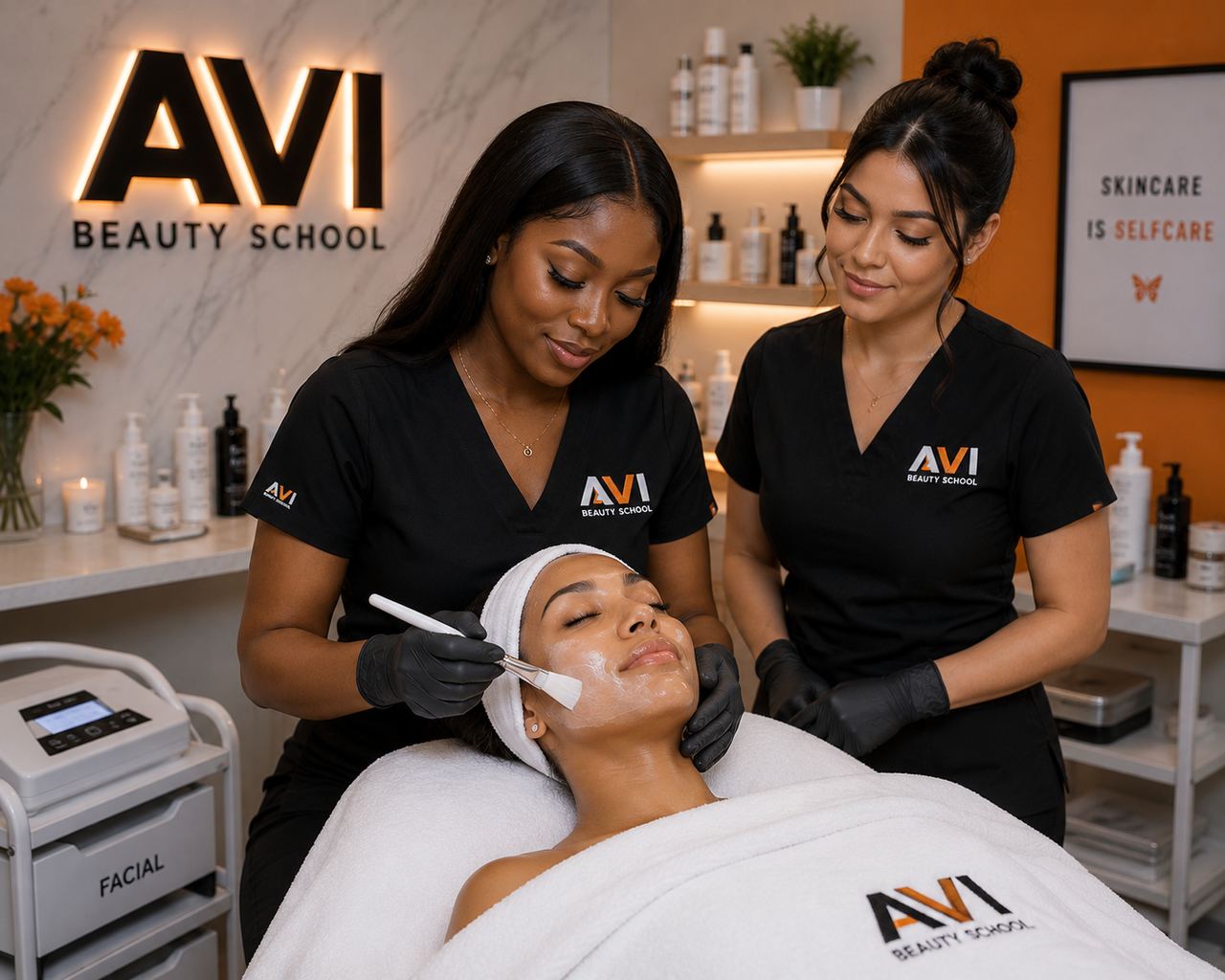
A medical esthetician (NO FINANCIAL AID FOR THIS PROGRAM) is a licensed esthetician who has expanded their practice into clinical and medical settings. This is not a separate license — it starts with the same Virginia esthetics license every working esthetician holds, then builds outward through advanced training and certification.
Medical estheticians (NO FINANCIAL AID FOR THIS PROGRAM) perform services like:
- Chemical peels and enzyme treatments
- Microdermabrasion and microneedling (where permitted)
- Pre- and post-surgical skincare protocols
- Acne treatment programs
- Laser-adjacent and light-based treatments (with additional certification)
- Hydrafacials and clinical-grade skin treatments
They work in med spas, plastic surgery practices, dermatology offices, and high-end clinical wellness centers — exactly the settings that blur the line between healthcare and beauty.
Why This Path Appeals to “Medical-Minded” Career Seekers
If you’re drawn to the medical assistant (NO FINANCIAL AID FOR THIS PROGRAM) path because you want science-based work, hands-on client interaction, and a clinical environment — the medical esthetician career path delivers all of that. And it adds something the MA role typically doesn’t: independent licensure.
Once you hold a Virginia esthetics license, you can work in a med spa, build a private client roster, rent a suite, or eventually open your own practice. Your credentials belong to you — not to your supervising physician.
Adding a Cosmetic Laser Technician certification extends your reach even further. Laser hair removal, IPL photofacials, and other energy-based treatments are among the highest-demand services in the DC metro market right now — and licensed estheticians with laser training are positioned to earn at the top of the esthetics pay scale.
If you’re interested in exploring this path, AVI Career Training offers both Esthetics and Cosmetic Laser Technician programs at its Vienna, VA campus — with financial aid available and GI Bill® acceptance for eligible veterans.
Training Time, Cost, and Licensing — Side by Side
This is where the two pat