Medical Assistant vs Esthetician: Which Career Is Right for You?
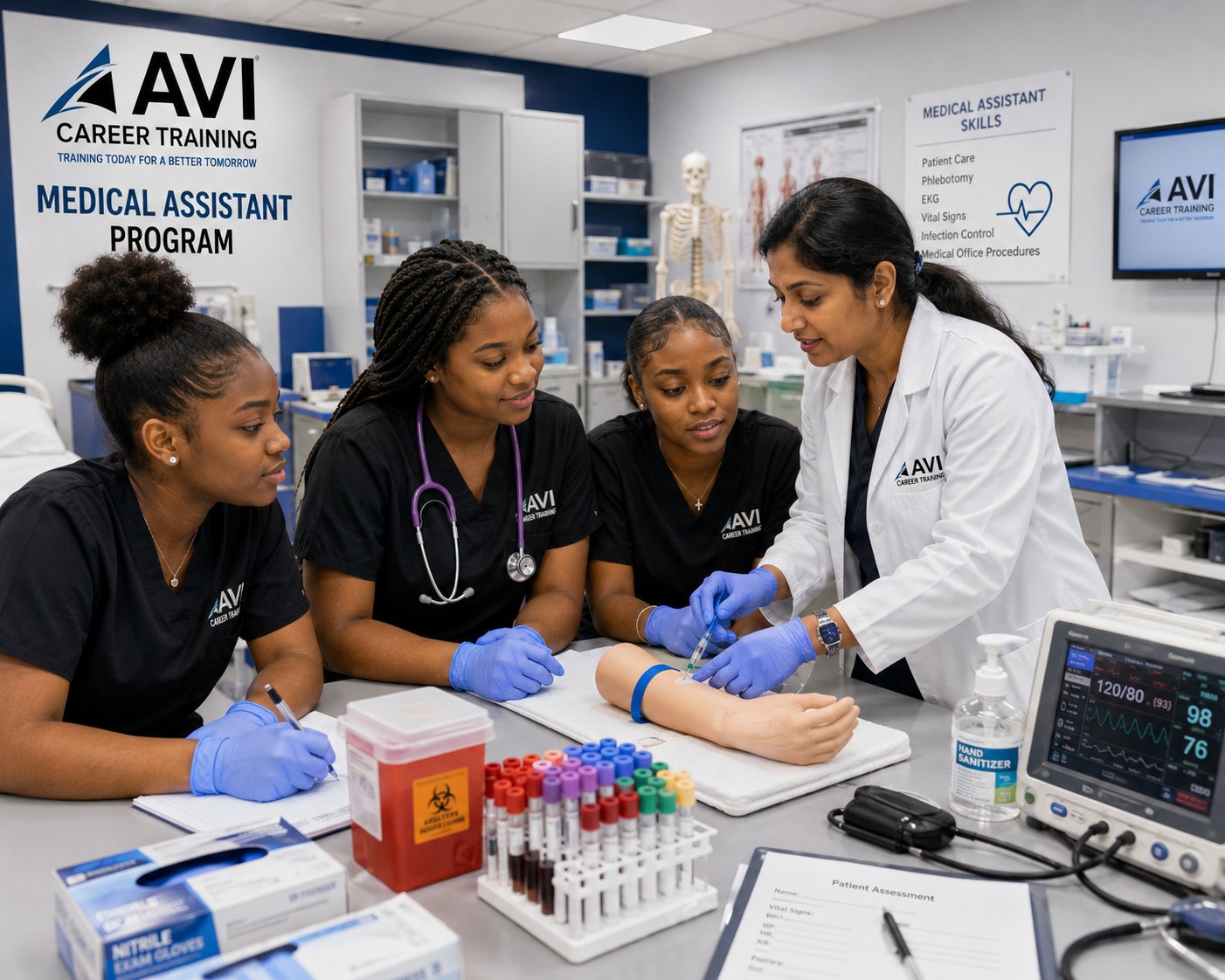
If you’re weighing a medical assistant vs esthetician career, both are real, respectable paths — but they lead to very different daily lives, work environments, and earning structures. One keeps you in clinical exam rooms; the other puts you in medspas, wellness studios, and increasingly, clinical skincare settings that blur the line between beauty and healthcare.
This guide breaks down both careers side by side — training time, salary, licensing in Virginia, and long-term growth — so you can make a decision based on facts, not assumptions.
⚡ Key Takeaways
- Esthetics licensure in Virginia requires 600 clock hours — often faster than medical assistant programs running 9–24 months
- Medical assistants in Virginia earn approximately $38,000–$48,000/year; estheticians in medspa/clinical settings can match or exceed this with tips and specialization
- Medical assistants in Virginia are not state-licensed — their credentials are employer-dependent; Virginia estheticians carry portable state licensure through the Virginia State Board
- Cosmetic laser technicians and electrologists represent fast-growing medical-adjacent specialties with strong earning potential in the DC metro area
- AVI Career Training in Vienna, Virginia offers Esthetics, Cosmetic Laser Technology, Electrolysis, and Massage Therapy — all with Virginia State Board licensure pathways
Ready to explore a faster path? Apply to AVI Career Training today or call (703) 943-9841 to talk through your options.
—
What Does Each Career Actually Look Like Day-to-Day?
The biggest difference between a medical assistant and an esthetician isn’t salary or training time — it’s the environment you’ll spend 40+ hours a week in.
A medical assistant ‘s typical day looks like this: you arrive at a physician’s office, urgent care clinic, or hospital outpatient facility. You’re rooming patients, recording vital signs, updating electronic health records, scheduling follow-ups, and occasionally performing clinical tasks like drawing blood or administering injections — depending on your employer and state guidelines. The work is fast-paced and purpose-driven, but it’s also heavily administrative. A significant portion of your day involves paperwork, insurance documentation, and navigating clinical protocols.
An esthetician’s typical day is client-facing from the moment the first appointment begins. You’re performing facials, chemical peels, microdermabrasion, waxing, or lash services. In a medspa setting, you may be assisting with laser treatments, operating IPL devices, or administering medical-grade skincare protocols under physician oversight. You’re building ongoing client relationships — many clients return monthly — and your income often reflects the quality of those relationships through tips, retail commissions, and repeat bookings.
Is a Medical Assistant the Same as an Esthetician?
No — these are distinct career paths with different training, licensing, and work environments. A medical assistant is a healthcare support professional trained in both administrative and basic clinical tasks within a medical facility. An esthetician is a licensed skincare specialist trained in facial treatments, skin analysis, hair removal, and increasingly, clinical skincare technologies. While both may work in medspa environments, their scopes of practice, credentials, and daily responsibilities are fundamentally different.
Which Environment Fits Your Personality?
Ask yourself honestly: Do you want to support a physician’s workflow, or do you want to own the client relationship yourself? Do you thrive in a structured medical hierarchy, or do you prefer a creative, wellness-centered environment? Medical assisting suits people who are detail-oriented, comfortable with clinical settings, and interested in a clear healthcare ladder. Esthetics suits people who are relationship-driven, passionate about skin and wellness, and want more autonomy over their client experience and income.
Neither answer is wrong. But it’s worth being honest with yourself before you invest months of training.
—
Training Time and Licensing Requirements in Virginia
Training timelines are one of the most practical factors when comparing these two careers — and the difference is more significant than most people realize.
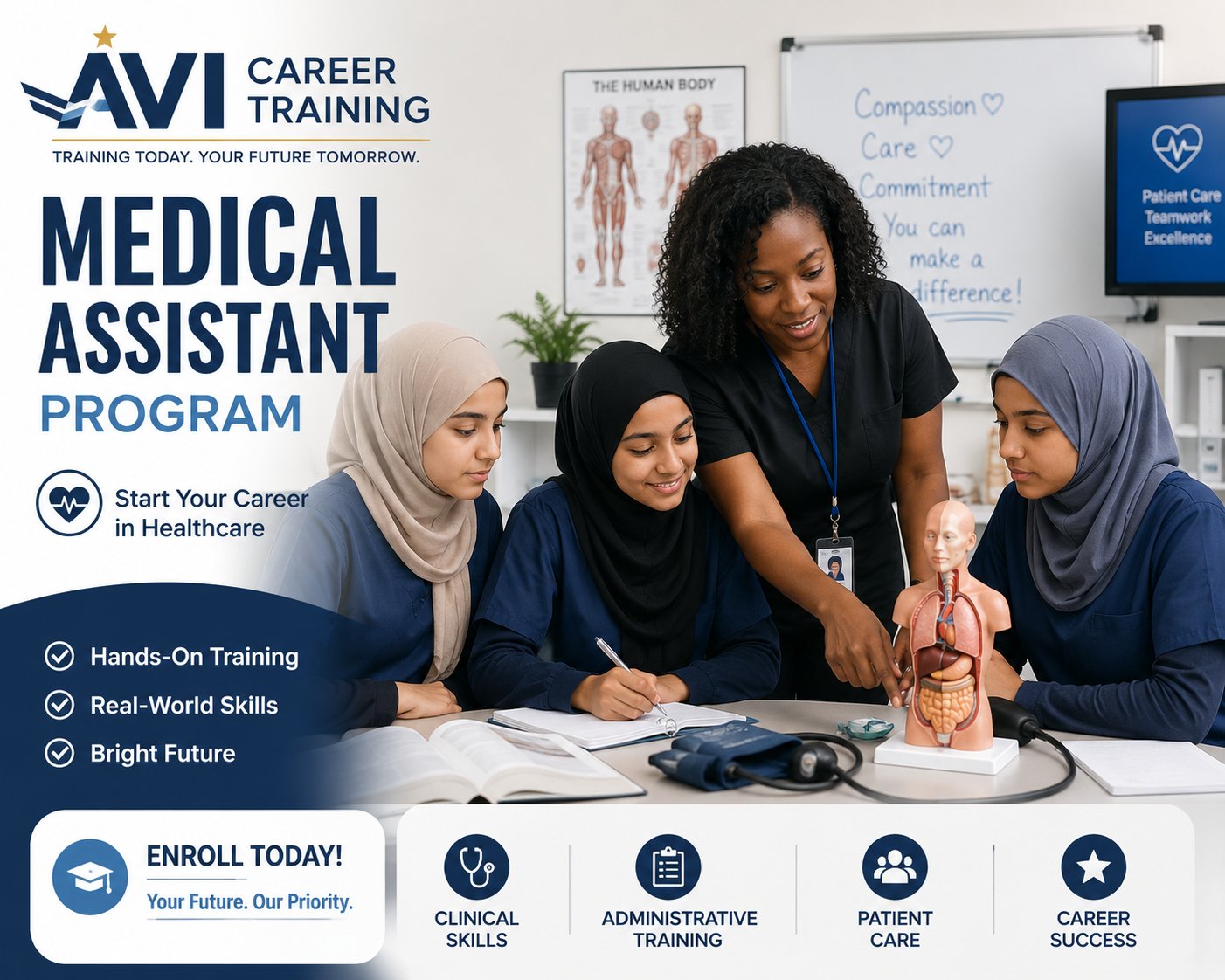
Medical assistant programs in Virginia typically run anywhere from nine months to two years, depending on whether you enroll in a certificate program or an associate degree track at a community college. After completing your program, you can pursue voluntary national certifications — the Certified Medical Assistant (CMA) through the American Association of Medical Assistants, or the Registered Medical Assistant (RMA) through American Medical Technologists. Here’s the critical detail: Virginia does not require state licensure for medical assistants. Your employability depends almost entirely on which certifications your employer recognizes and values.
Esthetics in Virginia follows a clearer, state-regulated path. The Virginia Board of Barbers and Cosmetologists requires 600 clock hours of training to sit for the Virginia State Board esthetics exam. Once you pass, you hold a portable, state-issued license that travels with you regardless of employer. That credential means the same thing at a luxury spa in McLean, a medspa in Tysons Corner, or a dermatology practice in Fairfax.
Medical Assistant
⏱ 9–24 months training
📋 No Virginia state license required
🏥 Employer-dependent credentials
🎓 Optional national certifications (CMA, RMA)
Esthetician (Virginia)
⏱ 600 clock hours required
📋 Virginia State Board license — portable
💆 Works in spas, medspas, clinics
🎓 Pathway to specialization (laser, electrolysis)
Cosmetic Laser Technology is a growing specialty in the Northern Virginia and DC metro market. Virginia regulates cosmetic laser procedures, and professionals operating laser devices must meet specific requirements under Virginia Department of Professional and Occupational Regulation (DPOR) guidelines. AVI Career Training’s Cosmetic Laser Technician program prepares students for exactly this credential pathway — with hands-on training on the devices actually used in medspa settings across the DMV area.
Electrolysis in Virginia is licensed through the Board of Barbers and Cosmetologists. Electrologists are in consistent demand in the DC metro market, particularly among clients seeking permanent hair removal — a service no laser or waxing treatment can fully replicate.
The bottom line on training: if speed to licensure matters to you, the esthetics path through a school like AVI Career Training can get you to a state-issued credential faster than most medical assistant programs get you to your first externship.
—
Salary and Earning Potential — What the Numbers Actually Say
The assumption that healthcare careers always pay more than beauty careers doesn’t hold up when you look at the actual numbers — especially in the Northern Virginia and DC metro market.
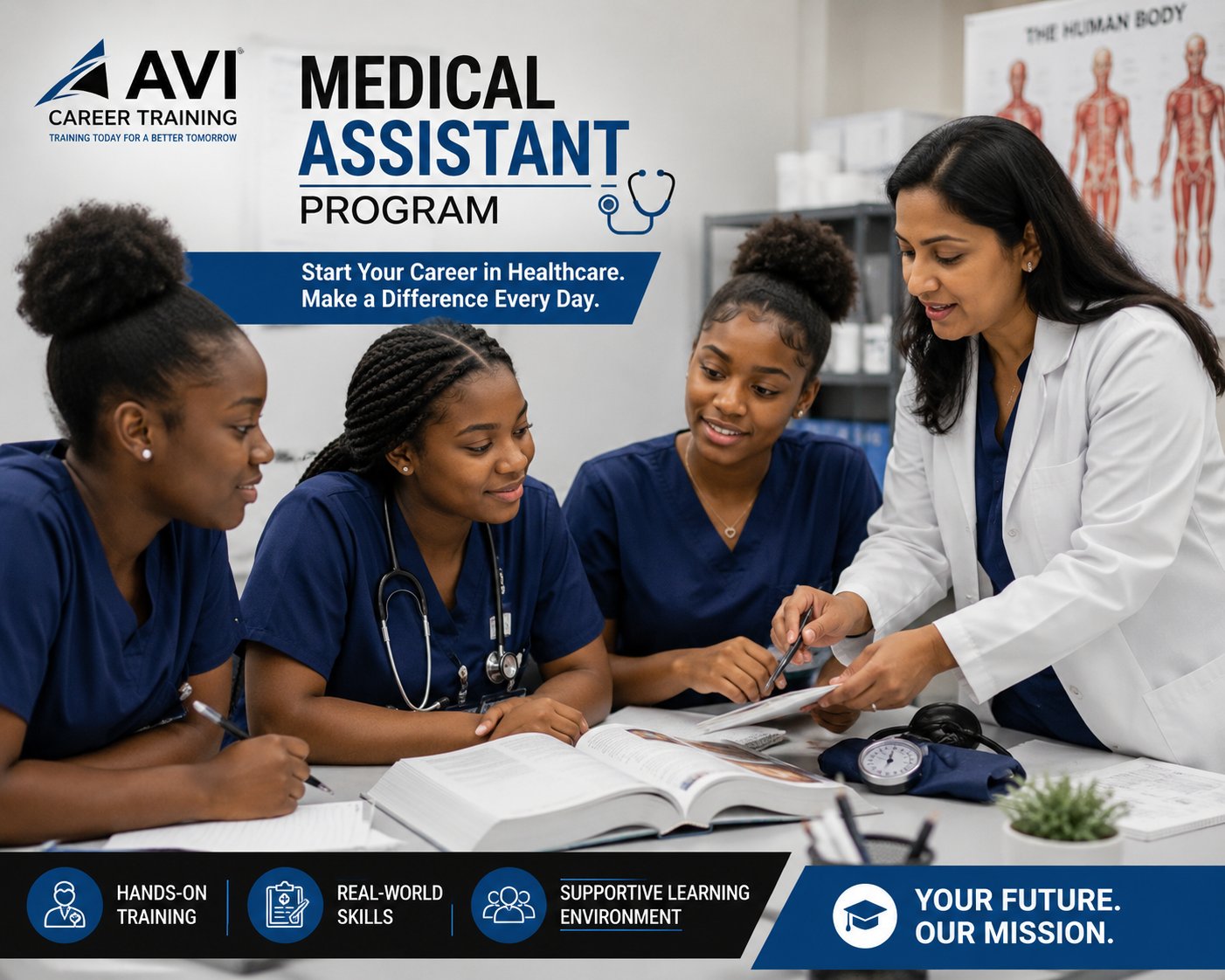
According to the U.S. Bureau of Labor Statistics (BLS), medical assistants in Virginia earn approximately $38,000–$48,000 annually, with the DC metro market sitting at the higher end of that range due to cost of living adjustments. The national median for medical assistants is around $37,000–$40,000. These are solid, stable wages — but they’re base salaries with limited room for tips, commissions, or self-employment income.
Estheticians tell a more variable story — and that variability works in your favor if you specialize. The BLS reports a national median for skincare specialists of around $38,000–$42,000, but this figure dramatically undersells what’s possible in clinical and medspa settings. Estheticians who work in medspas, perform chemical peels and advanced treatments, or operate cosmetic laser devices can earn significantly more — particularly when you factor in:
Do Medical Assistants Make More Than Estheticians?
Not necessarily — and the gap is much smaller than most people assume. In standard clinic settings, medical assistants may edge out entry-level estheticians on base salary. But estheticians in medspa or clinical settings, especially those with laser or advanced skincare credentials, can match or exceed medical assistant salaries — with greater earning upside through tips, commissions, and self-employment. In the high-income DC metro market, specialized beauty and wellness professionals are in strong demand.
Real Story: From Career Crossroads to Medspa Chair
Consider someone like Maya — a Northern Virginia resident who spent months researching medical assistant programs after leaving a retail management job. She was drawn to the healthcare field but dreaded the administrative side of clinic work. After discovering that Virginia’s esthetics license required just 600 clock hours of training, she enrolled in AVI’s Basic Esthetics program instead. Within eight months of graduating, she was working at a Tysons Corner medspa, performing advanced facials and assisting with laser consultations. Her base salary was comparable to the medical assistant positions she’d been considering — but her tips and retail commission pushed her total earnings significantly higher. More importantly, she loved her work.
—
Where Can Each Career Take You? Growth, Specialization, and Flexibility
Career trajectories matter as much as starting salaries — and both paths offer genuine advancement, just in different directions.
Medical assistants who want to move up typically need additional education. The most common advancement paths include:
Each of these steps requires going back to school, investing more time, and accumulating additional credentials. The ladder exists — but every rung costs more time and money.
Estheticians have a broader range of entrepreneurial and specialization options that don’t always require returning to a traditional classroom:
What Careers in Skincare Are Similar to Medical Assistant Work?
If you’re drawn to medical assisting because of its clinical, patient-facing nature, clinical esthetics and cosmetic laser technology offer a remarkably similar experience — skin assessment, treatment protocols, client follow-up, and working alongside physicians and nurse practitioners in medspa environments. Many of the same soft skills transfer directly: attention to detail, professionalism, documentation, and client communication.
Can an Esthetician Work in a Medical Spa or Clinical Setting?
Yes — and this is one of the most important things to understand about the modern esthetics career. Licensed estheticians are employed throughout the Northern Virginia medspa corridor, from Tysons Corner and Vienna to Reston and Fairfax. They perform advanced treatments, operate cosmetic laser devices under appropriate supervision, conduct skin consultations, and work directly alongside dermatologists and plastic surgeons. The clinical environment is absolutely accessible to licensed estheticians — and in many ways, the medspa setting offers better day-to-day working conditions than a traditional physician’s office.
The DMV area’s medspa industry has grown substantially over the past decade, and that growth shows no signs of slowing. Northern Virginia’s high-income demographics mean consistent demand for professional skincare services, laser treatments, and wellness therapies — all delivered by licensed esthetics professionals.
—
If You Want Skin, Wellness, and Clinical Work — There’s a Third Path
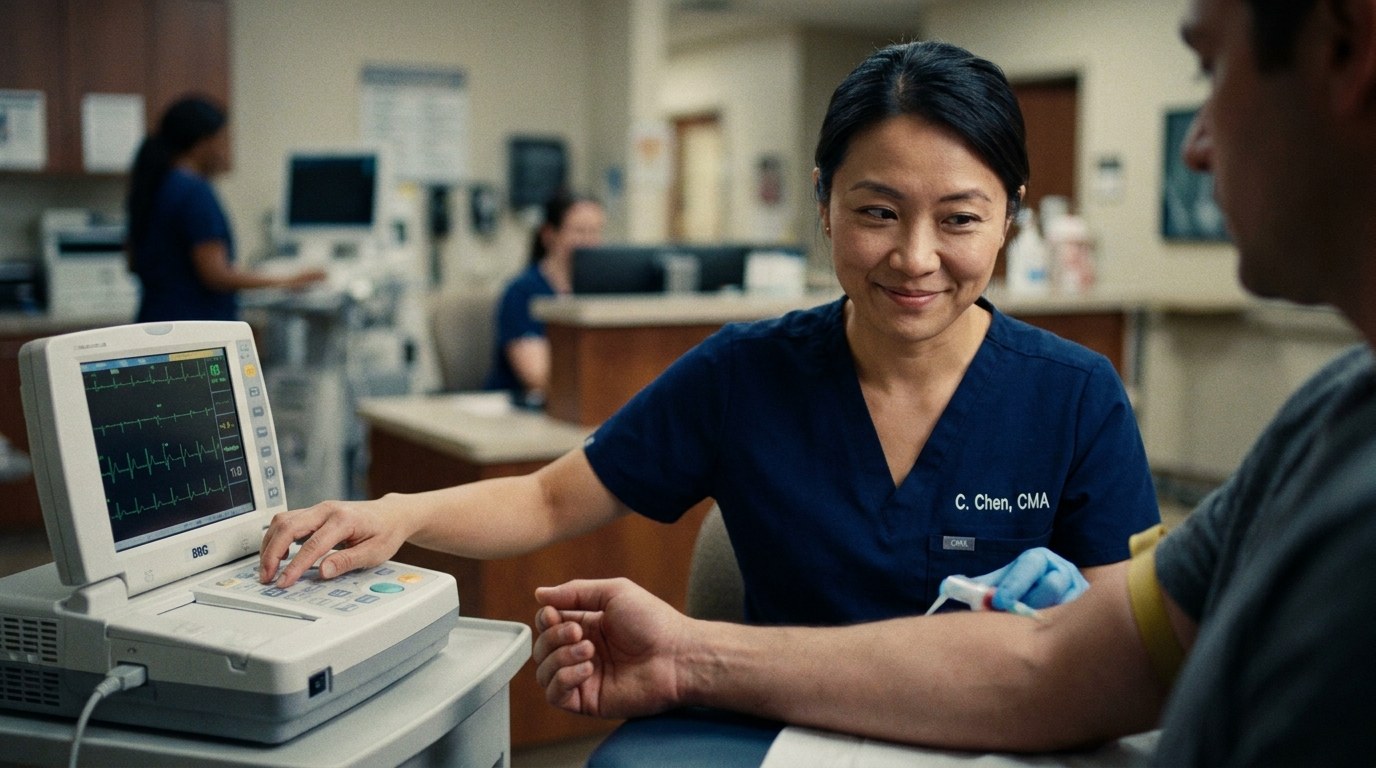
If what draws you to the medical assistant path is the idea of doing meaningful, skilled, client-centered work in a professional setting — but the administrative and clinical support nature of the job doesn’t fully excite you — there’s a third direction worth considering seriously.
AVI Career Training in Vienna, Virginia offers a portfolio of programs specifically designed for students who want to work at the intersection of beauty, wellness, and clinical care:
🌿 Basic Esthetics
600 clock hours · Virginia State Board license · Facials, peels, waxing, skin analysis · Medspa and spa employment
💡 Cosmetic Laser Technology
Laser & light-based treatments · Fast-growing medspa specialty · Clinical and aesthetic applications · High earning potential in DC metro
⚡ Electrolysis
Virginia Board licensure · Permanent hair removal · Specialized, in-demand skill · Strong client loyalty and referral base
🤲 Massage Therapy
Virginia Board licensure · Clinical and wellness settings · Strong demand across Northern Virginia · Complements esthetics credential
Real Story: A Career Changer Who Found His Clinical Home
David spent three years as a medical receptionist at a Northern Virginia dermatology practice. He watched estheticians and laser technicians work directly with patients on skin concerns he found genuinely fascinating — and he saw how those professionals built long-term relationships that the clinical support staff rarely had the chance to develop. When he decided to make the shift, he enrolled in AVI Career Training’s Cosmetic Laser Technology program. He already understood the clinical environment and the importance of protocols. What AVI gave him was the hands-on technical training and Virginia credentials to actually be in the treatment room — not just checking patients in.
AVI Career Training is COE Accredited and SCHEV Certified, with licensed industry professionals as instructors. Financial aid is available for qualifying programs. GI Bill® benefits are accepted. And our Vienna, Virginia campus puts you at the center of one of the most robust medspa and wellness markets in the entire DMV area.
“Beauty education should be inclusive — and so should career opportunity. At AVI, we train students to serve every client, build real skills, and launch careers that last.” — AVI Career Training
⚠️ Financial Aid Note: Please note that some AVI programs are under 600 hours and do not qualify for federal financial aid (Title IV/FAFSA). Contact AVI’s admissions team directly at (703) 943-9841 to discuss tuition, payment plan options, and private financing alternatives for specific programs.
—
Frequently Asked Questions
Q: Is a medical assistant the same as an esthetician?
A: No. A medical assistant is a healthcare support professional who works in clinical or physician office settings, performing administrative and basic clinical tasks. An esthetician is a licensed skincare specialist who performs facial treatments, chemical peels, laser-assisted treatments, and wellness services in spa or medspa environments. Both may work in medspas, but their training, licensing, and scope of practice are distinct.
Q: How long does it take to become a medical assistant vs an esthetician?
A: Medical assistant programs in Virginia typically run nine to 24 months at community colleges or vocational schools. Becoming a licensed esthetician in Virginia requires 600 clock hours of training, which many students complete in a focused program faster than a standard MA curriculum. Virginia’s esthetics path leads to a portable state-issued license; medical assistants in Virginia are not state-licensed.
Q: Do medical assistants make more than estheticians?
A: Not consistently. Medical assistants in Virginia earn approximately $38,000–$48,000 annually. Estheticians in medspa and clinical settings, particularly those with cosmetic laser or advanced skincare credentials, can earn comparable or higher amounts when tips, retail commissions, and self-employment income are included. The high-income Northern Virginia and DC metro market strengthens earning potential for both careers.