
Medical Assistant Schools in Northern Virginia: What to Know
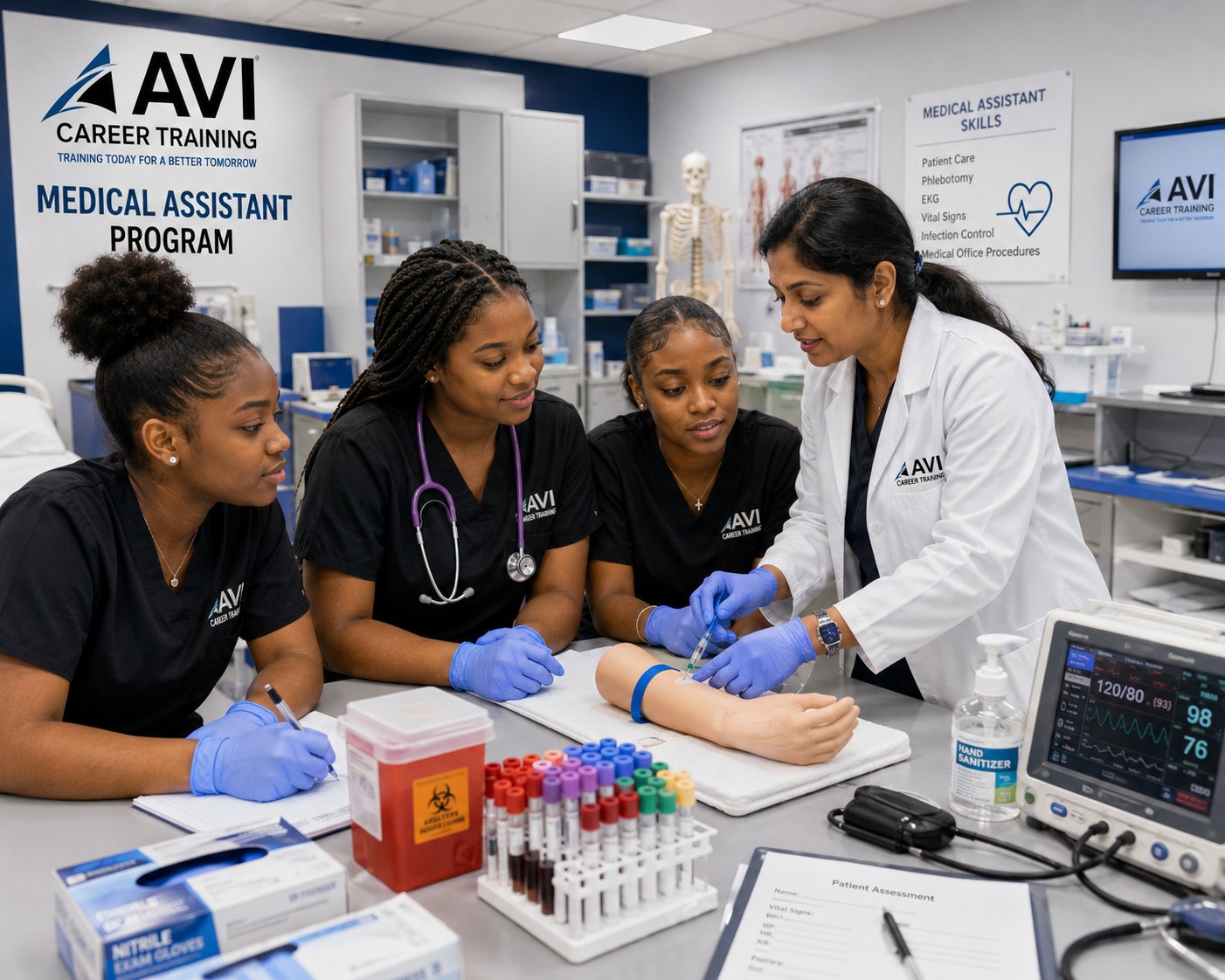
Medical assistant schools in Northern Virginia range from community colleges to private career schools — and knowing what separates a strong program from a costly mistake can save you months of time and thousands of dollars.
This guide covers what medical assistants actually do, what Virginia requires, what to look for in a training program, and — critically — whether a clinical setting is truly where you want to spend your career. For some readers, the answer will be yes. For others, a faster, equally rewarding path in wellness and aesthetics may be a much better fit.
- Medical assistant programs in Virginia typically run 9–18 months for a certificate; associate degrees take ~2 years.
- Virginia does not require state licensure for medical assistants — but national certifications like the CMA (AAMA) are strongly employer-preferred.
- BLS projects medical assistant employment to grow 16% from 2023–2033 — much faster than the national average for all occupations.
- Northern Virginia median MA wages run 10–20% above the national median of $42,000 due to area cost of living.
- Hands-on wellness careers in esthetics, massage therapy, and cosmetic laser technology can be trained in less time, lead to Virginia state licensure, and serve the booming medspa industry right here in the DMV.
—
What Does a Medical Assistant Actually Do?
A medical assistant is a multi-role healthcare worker who handles both clinical tasks and administrative duties — and the balance between the two depends heavily on the specific employer.
On the clinical side, medical assistants take patient vitals, prepare exam rooms, administer injections, assist physicians during procedures, draw blood, and handle basic laboratory tasks. On the administrative side, they schedule appointments, manage medical records, handle billing codes, verify insurance, and check patients in and out.
Most medical assistants work in:
The work is meaningful and patient-facing — which is exactly why it attracts people who want to help others. But the environment is distinctly clinical: fluorescent lighting, fast-paced scheduling, a physician-led hierarchy, and regular exposure to illness. That context matters when you’re deciding if this is the right career for you.
—
Virginia’s Requirements for Medical Assistants (No State License Required — But Credentials Matter)
Virginia does not require medical assistants to hold a state license to work in the field. This surprises many people researching medical assistant certification in Virginia — and it’s one of the most commonly misunderstood facts about this career.
That said, the absence of a state license requirement doesn’t mean credentials don’t matter. Most Northern Virginia employers — particularly larger health systems, specialty practices, and urgent care networks — strongly prefer or outright require candidates who hold a nationally recognized certification.
The Two Primary National Certifications
CMA — Certified Medical Assistant (AAMA)
Issued by the American Association of Medical Assistants. Requires graduation from a CAAHEP- or ABHES-accredited program and passing a comprehensive exam. Recertification every 60 months.
RMA — Registered Medical Assistant (AMT)
Issued by the American Medical Technologists organization. Eligibility pathways include formal education or documented work experience. Also requires passing a national exam.
Of the two, the CMA credential is generally viewed as the more rigorous and widely recognized — particularly by hospital systems and large physician groups in the DC metro area.
2023–2033 (BLS)
NoVA typically 10–20% higher
program length
in Virginia
One important note for anyone who has served: Virginia state laws and VA healthcare facility policies may impose additional requirements for certain clinical tasks performed by medical assistants. Always verify current requirements with the Virginia Department of Health Professions (DHP) before enrolling in any program.
—
Medical Assistant Training Programs in Northern Virginia: What to Look For
Finding good medical assistant training in Northern Virginia means knowing what separates a quality program from one that simply collects tuition. Here’s what matters most.
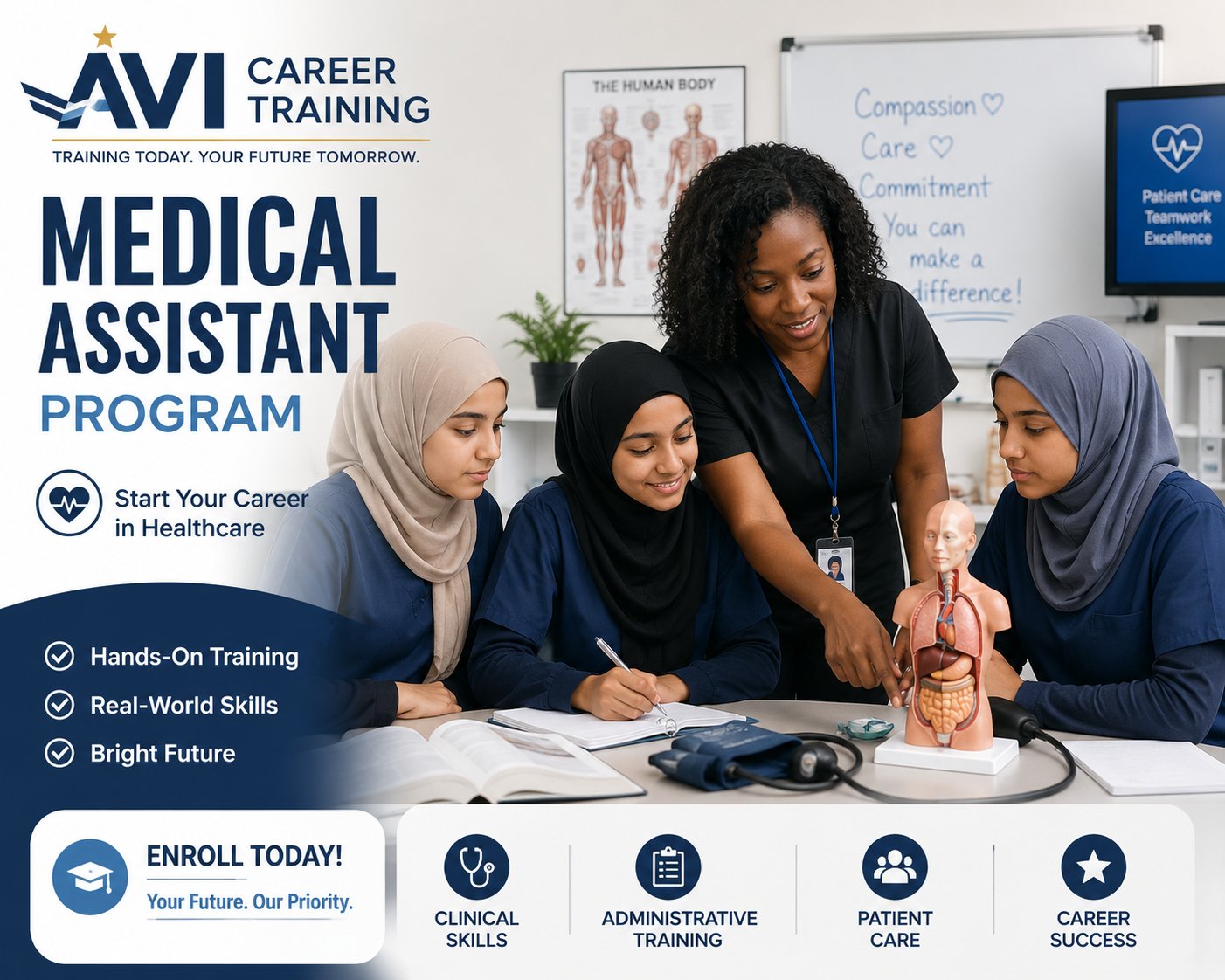
Accreditation
For the CMA (AAMA) exam specifically, candidates must graduate from a program accredited by CAAHEP (Commission on Accreditation of Allied Health Education Programs) or ABHES (Accrediting Bureau of Health Education Schools). If CMA eligibility is your goal, confirm accreditation before you apply — not after.
Program Length and Format
Certificate programs typically run 9–12 months of focused coursework. Associate degree programs from community colleges run approximately 2 years and include general education requirements alongside the core medical assisting curriculum. Both pathways can lead to national certification eligibility, but the time and cost commitments differ significantly.
Externship or Clinical Placement
Hands-on experience in an actual clinical setting is non-negotiable. Look for programs that include a structured externship of at least 160–200 hours in a physician’s office, clinic, or hospital setting. This is where you develop the practical skills and professional references that actually get you hired.
Cost and Financial Aid
Program tuition in the Northern Virginia area varies widely — from approximately $7,000–$18,000 for certificate programs at private career schools, to lower community college tuition rates for those who qualify for in-state pricing. Always ask about federal financial aid eligibility, including Pell Grants and subsidized loans, before committing.
Pass Rates and Job Placement Support
Ask any program you’re seriously considering: What is your CMA/RMA first-attempt pass rate? Do you offer job placement assistance? Schools with strong outcomes should be willing to share this data directly.
—
Healthcare-Adjacent Careers You Can Train for Faster in Northern Virginia
Here’s something the generic medical assistant articles don’t tell you: a large percentage of people who search for “medical assistant schools” are actually motivated by something broader than clinical medicine.
They want to help people. They want hands-on, people-focused work. They want a career that feels meaningful — one that doesn’t require four years of college to enter. They want something with real earning potential in the DC metro market.
If that description fits you, it’s worth asking a harder question before you commit to an MA program: Do you actually want to work in a physician’s office — or do you want to work in wellness?
Those are genuinely different environments. One is clinical, fast-paced, and physician-directed. The other is client-centered, touch-based, and increasingly lucrative in the medspa and wellness industry that’s expanding right here in Northern Virginia.
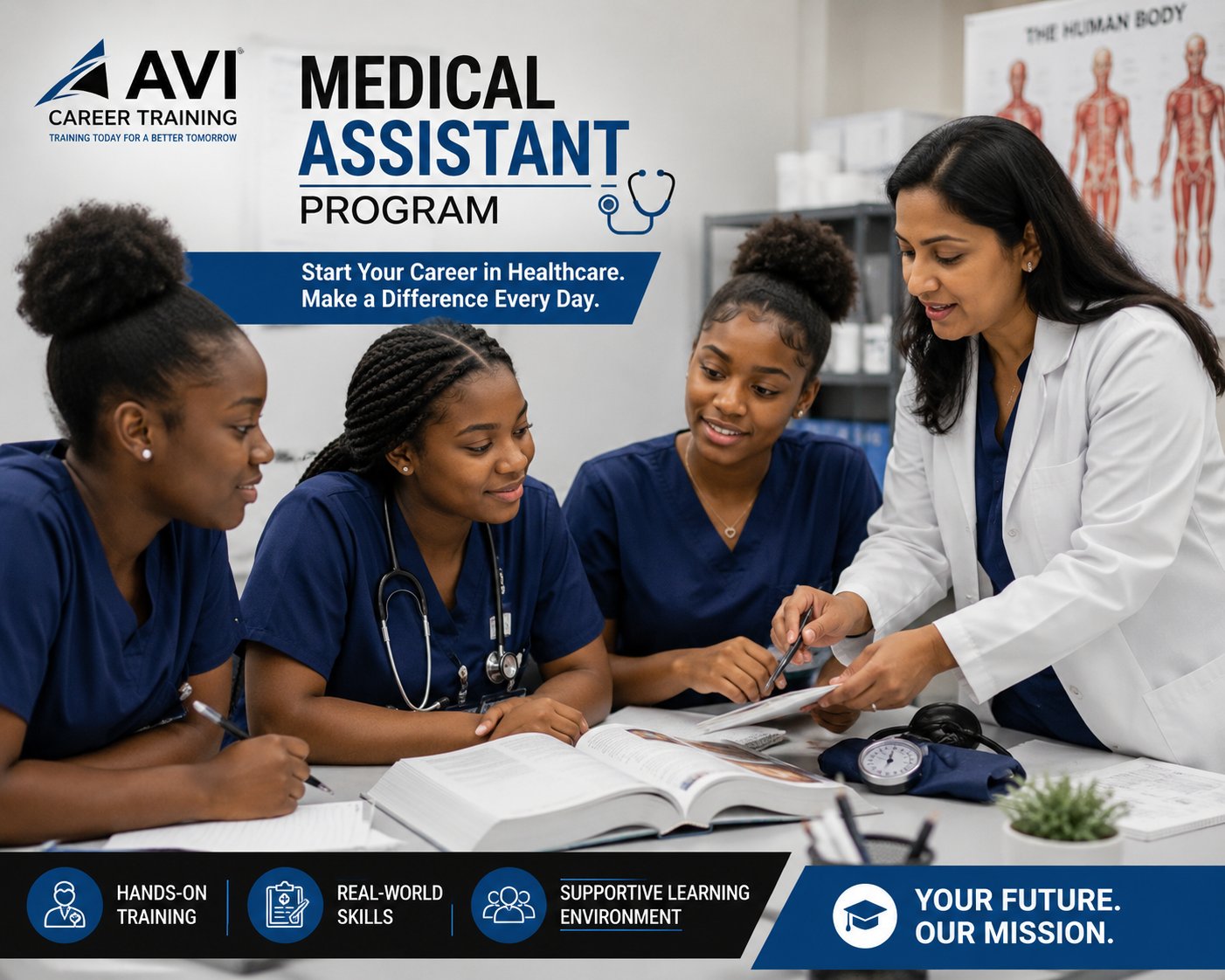
AVI Career Training: Allied Wellness Programs in Vienna, VA
AVI Career Training, located at 1595 Spring Hill Rd #720 in Vienna, Virginia — minutes from Tysons Corner and accessible across Fairfax County, Arlington, and the broader DMV — offers state-licensed career training in wellness fields that intersect directly with the healthcare and aesthetics industry.
AVI is COE Accredited (Council on Occupational Education) and SCHEV Certified (State Council of Higher Education for Virginia). These aren’t just logos on a website — they’re the credentials that matter when an employer is deciding whether to trust your diploma.
AVI’s programs include:
These programs qualify for GI Bill® benefits, making them a strong option for veterans and active-duty military members transitioning into civilian wellness careers.
Ready to explore your options? Apply at AVI Career Training or call (703) 943-9841 to speak with admissions.
A Story Worth Considering
Take someone like Daniela — a career-changer in her 30s from Falls Church who spent two years assuming she needed a medical assistant certificate to work in the aesthetics and wellness space. After researching programs and talking to an AVI admissions advisor, she realized that her actual goal — working with clients on skin health and laser treatments at a Tysons-area medspa — was much more directly served by an esthetics or cosmetic laser program than by a clinical MA certificate. She enrolled at AVI, completed her program, passed her Virginia State Board exam, and now works at a medspa a few miles from where she grew up.
The medical assistant path wasn’t wrong — it just wasn’t hers.
—
How to Choose the Right Career Path — Medical or Wellness?
The honest answer is: it depends on the specific environment and type of work that will make you want to show up every day.
Use this framework to self-sort before you invest time and money into any program.
| Factor | Medical Assistant Path | AVI Wellness Programs |
|---|---|---|
| Work Environment | Physician offices, urgent care, clinics | Spas, medspas, wellness centers, private practice |
| Program Length | 9–18 months (certificate); ~2 years (associate) | Varies by program; some completed faster |
| Virginia Licensing | No state license required; national cert preferred | Virginia State Board license required (DPOR) |
| Client Interaction | Patient care in clinical, physician-directed setting | Client-centered, wellness- and results-focused |
| Medspa Crossover | Limited unless in cosmetic medicine clinic | Direct pathway into NoVA medspa industry |
| GI Bill® Eligible | Depends on specific school/program | Yes — AVI accepts GI Bill® |
| Self-Employment Potential | Very limited | High — licensed estheticians and massage therapists can build independent practices |
Ask Yourself These Three Questions
1. Do you want to work directly under a physician’s supervision in a clinical setting?
If yes — a medical assistant program with CAAHEP or ABHES accreditation is your clearest path.
2. Do you want to deliver hands-on care in a spa, medspa, or wellness environment?
If yes — esthetics, massage therapy, or cosmetic laser training is a faster, more direct route to that specific career.
3. Is your goal financial stability with a credential you can earn in less than two years?
Both paths can deliver that. The difference is where you’ll work and what that daily experience looks and feels like.
—
—
Frequently Asked Questions
Q: How long does it take to become a medical assistant in Virginia?
A: Most certificate programs in Virginia run 9–12 months of full-time study. Associate degree programs at community colleges take approximately two years and include general education coursework alongside the core medical assisting curriculum. Both pathways can lead to national certification eligibility.
Q: Do medical assistants need a license in Virginia?
A: No. Virginia does not require medical assistants to hold a state license. However, most employers in the Northern Virginia and DC metro area strongly prefer or require candidates who hold a nationally recognized certification — either the CMA (AAMA) or the RMA (AMT). Always verify current state requirements with the Virginia Department of Health Professions.
Q: How much do medical assistants make in Northern Virginia?
A: The national median annual wage for medical assistants was approximately $42,000 in 2023, according to the U.S. Bureau of Labor Statistics. Northern Virginia and the DC metro area typically pay 10–20% above the national median due to regional cost of living — placing many NoVA MA salaries in the $46,000–$50,000 range, with higher compensation for certified and experienced professionals.
Q: What is the difference between a medical assistant and a clinical esthetician?
A: A medical assistant works in physician-directed clinical settings — taking vitals, assisting with procedures, managing records, and supporting patient care under a doctor’s supervision. A clinical or master esthetician works in medspas, dermatology clinics, or wellness centers, delivering skin care treatments, chemical peels, and advanced facial services. Both fields involve client or patient care, but the environments, licensing requirements, and daily work are meaningfully different.
Q: What healthcare-adjacent careers can I train for in less than a year in Virginia?
A: Several wellness and aesthetics careers in Virginia can be entered through programs shorter than a traditional medical assistant certificate. These include licensed esthetics, massage therapy, and cosmetic laser technology — all of which lead to Virginia State Board licensure through the Virginia Department of Professional and Occupational Regulation (DPOR). AVI Career Training in Vienna, Virginia offers programs in all three fields and accepts GI Bill® benefits.
Q: Is AVI Career Training accredited?
A: Yes. AVI Career Training is accredited by the Council on Occupational Education (COE) and certified by the State Council of Higher Education for Virginia (SCHEV). These accreditations confirm that AVI meets rigorous standards for curriculum quality, student outcomes, and institutional integrity — and they matter when employers review your credentials.