
Medical Assistant Schools in Virginia: Your 2025 Guide
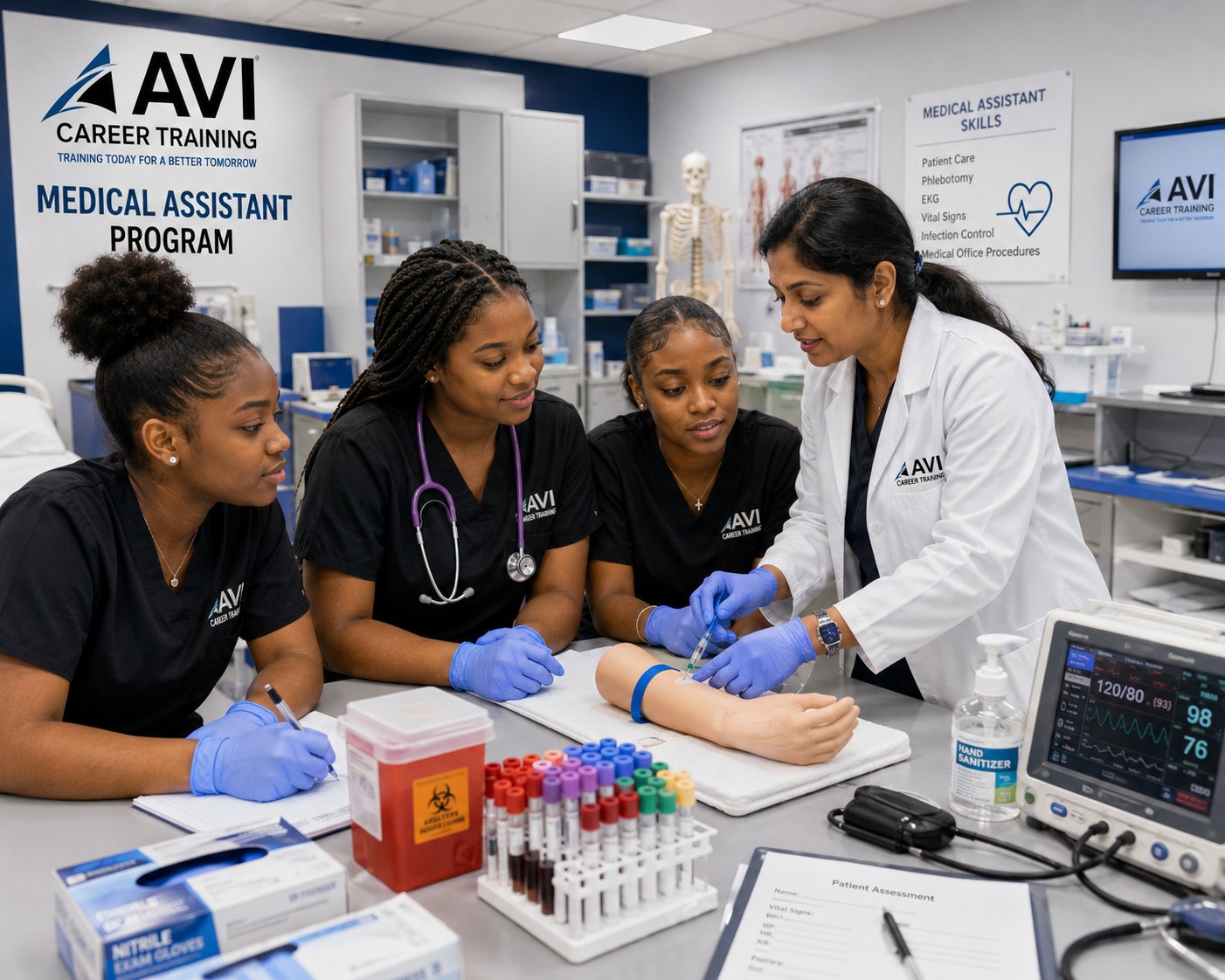
Virginia offers multiple accredited pathways into medical assisting — and if you’re researching medical assistant schools in Virginia, you’re entering one of the fastest-growing segments of the healthcare job market. Whether you’re drawn to clinical work, administrative healthcare roles, or the growing world of dermatology and medical spa settings, this guide walks you through what the path looks like, what it pays, and what your options are across Northern Virginia.
- Virginia does not require state licensure for medical assistants — national certifications like the CMA or RMA are employer-driven
- The median annual wage for medical assistants in Virginia ranges from approximately $39,000–$44,000; Northern Virginia/DC metro wages trend higher due to regional cost of living
- BLS projects approximately 14% growth in medical assistant employment through 2032 — well above the national average for all occupations
- Typical MA program lengths run 9 months to 2 years, depending on certificate vs. associate degree format
- Professionals working in dermatology clinics and medical spas often come from esthetics and laser technology backgrounds — a faster-to-credential alternative worth exploring
If your interest in healthcare leans toward skin care, laser treatments, or cosmetic services in a clinical setting, there’s a parallel career track worth knowing about. AVI Career Training in Vienna, Virginia offers COE-accredited programs in Esthetics and Cosmetic Laser Technology — programs that place graduates directly in medical spa and clinical beauty environments. Apply today to learn more, or keep reading for the full Virginia medical assistant landscape.
—
What Does a Medical Assistant Actually Do?
What Does a Medical Assistant Actually Do?
Medical assistants are multi-role healthcare workers who split their time between clinical tasks and administrative responsibilities. The specific breakdown varies by employer, but most MAs handle a combination of both.
On the clinical side, medical assistants typically:
On the administrative side, they handle:
What most people don’t realize is that medical assistants frequently work in specialty settings — not just primary care. Dermatology offices, cosmetic surgery clinics, and medical spas are all common employers of MAs. In those environments, the work often blends clinical support with skin care, aesthetic procedures, and patient education — which is exactly where the worlds of traditional medical assisting and clinical esthetics begin to overlap.
—
Medical Assistant Requirements in Virginia — No State License Required, Here’s What That Means
Virginia does not require medical assistants to hold a state license — but that doesn’t mean credentials don’t matter. Here’s what actually shapes your employability.
National Certifications Employers Expect
National Certifications Employers Expect
While Virginia doesn’t mandate licensure through the Virginia Department of Professional and Occupational Regulation (DPOR), most healthcare employers in the region expect candidates to hold — or be working toward — a national credential. The two most common are:
Both credentials require continuing education for renewal, signaling to employers that you stay current.
Program Lengths and Formats
Program Lengths and Formats
Medical assistant programs in Virginia typically run:
| Format | Length | Credential Awarded |
|—|—|—|
| Certificate / Diploma | 9–12 months | Certificate + CMA eligibility |
| Associate Degree | 18–24 months | Associate of Applied Science |
| On-the-Job Training | Varies | No formal credential |
Certificate programs are faster and often more affordable. Associate degrees provide broader general education alongside clinical training, which can open doors to other healthcare roles later.
Accreditation — What to Look For
Accreditation — What to Look For
Two accrediting bodies specifically validate MA programs:
Graduating from a CAAHEP- or ABHES-accredited program is a prerequisite for the CMA exam. If a program lacks this accreditation, you won’t be eligible to sit for the most widely recognized credential — regardless of how long or expensive the program is.
> Quick tip: Always verify a school’s accreditation status directly through the accrediting body’s website before enrolling.
—
—
Medical Assistant Salary in Northern Virginia: What to Expect
Medical assistant salaries in Northern Virginia run above the state and national medians — and understanding the factors that move that number helps you make a better career decision.
Virginia Baseline Numbers
Virginia Baseline Numbers
According to the U.S. Bureau of Labor Statistics (BLS), the median annual wage for medical assistants in Virginia falls in the $39,000–$44,000 range (verify current data at BLS.gov). The national median sits around $38,000–$40,000, meaning Virginia tracks at or slightly above the national figure.
Northern Virginia / DC Metro Premium
Northern Virginia / DC Metro Premium
The Northern Virginia and DC metro area consistently shows wages above the statewide median for medical assistants. This reflects:
MAs working in specialty settings — dermatology offices, cosmetic clinics, and medical spas — may see different compensation structures than those in primary care or hospital settings. Specialty environments sometimes offer higher hourly rates, performance incentives, or commission-adjacent structures tied to procedure volume.
Career Growth and Earning Ceiling
Career Growth and Earning Ceiling
The BLS projects approximately 14% growth in medical assistant employment through 2032 — significantly faster than average across all occupations. For Northern Virginia job seekers, that growth is compounded by the region’s expanding healthcare and medical spa sectors.
That said, the earning ceiling for MAs without additional credentials can be limited. Many professionals in dermatology and aesthetic medicine settings pursue supplemental credentials in esthetics or laser technology to expand their scope and income potential.
—
Medical Spa & Clinical Aesthetics — A High-Growth Alternative Career Path
Not every person drawn to clinical healthcare work needs — or wants — a traditional medical assistant role. If your interest is in skin care, cosmetic procedures, lasers, or aesthetic medicine, there’s a faster, credential-backed path worth serious consideration.
The Medical Spa Industry Is Booming
The Medical Spa Industry Is Booming
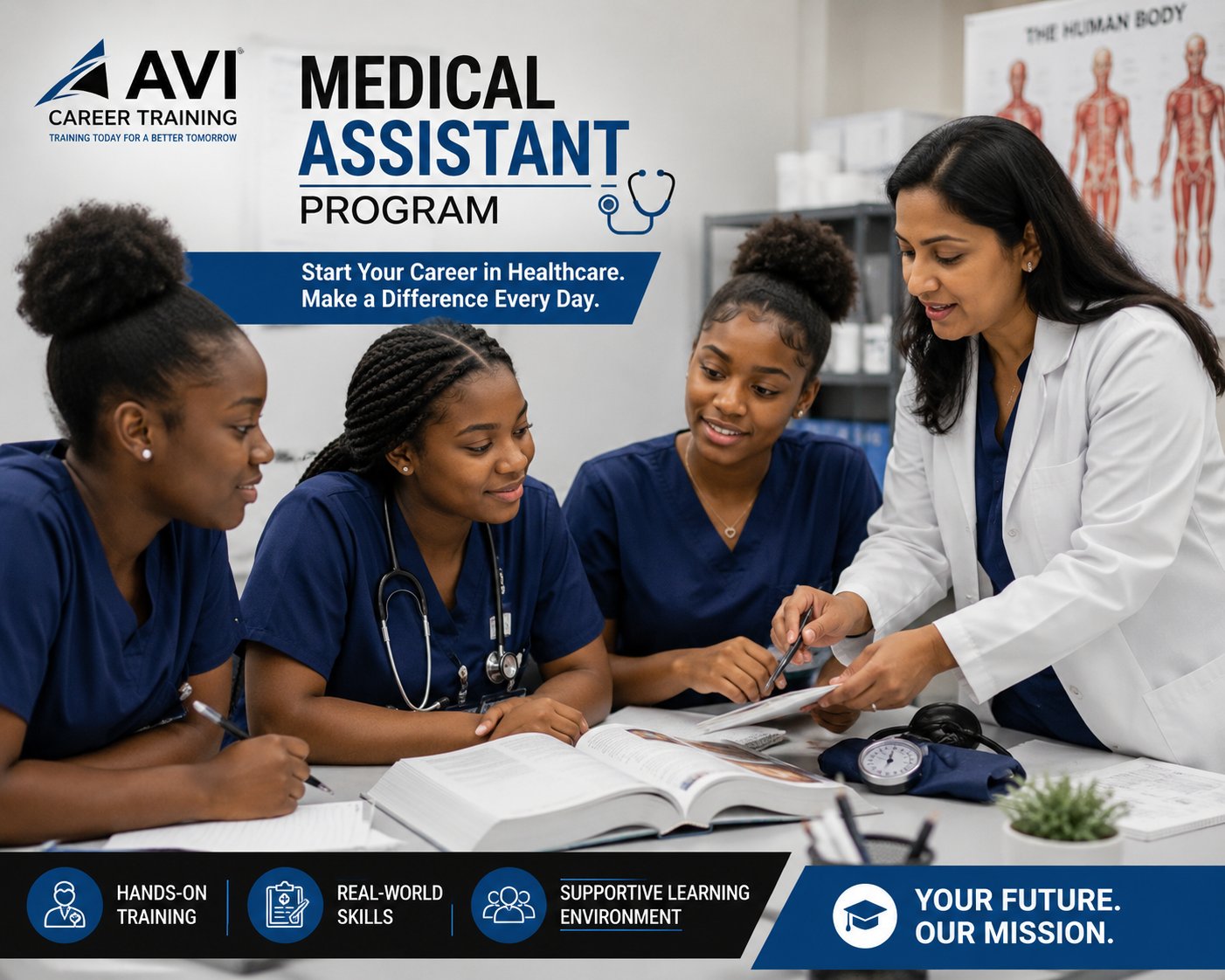
Medical spas — facilities that bridge luxury spa services with clinical-grade treatments — are one of the fastest-growing segments of the U.S. healthcare-adjacent economy. Northern Virginia and the DC metro area have seen significant growth in med spa locations, and that growth drives demand for trained professionals.
The people staffing these clinics don’t always come from traditional medical assistant backgrounds. Many are licensed estheticians or cosmetic laser technicians — professionals with state-regulated credentials and hands-on training in:
Meet Destiny: Destiny was working a front-desk job at a dermatology clinic in Fairfax when she started researching ways to move into the treatment room. She looked at traditional MA programs but was drawn to the hands-on, client-facing work she’d been watching daily. She enrolled in AVI Career Training’s Esthetics program, passed her Virginia State Board exam, and was hired at a Northern Virginia med spa within two months of graduating — doing the clinical skin care work she’d been eyeing from the front desk.
Why Esthetics and Laser Technology at AVI?
Why Esthetics and Laser Technology at AVI?
AVI Career Training in Vienna, Virginia is a COE-accredited, SCHEV-certified career school that offers hands-on training specifically designed to place graduates in competitive beauty and wellness markets — including clinical settings like medical spas and dermatology support roles.
AVI’s Esthetics program prepares students for the Virginia State Board licensure exam. This is a regulated, credential-backed track — unlike medical assisting in Virginia, where no state license is required. Graduating with a Virginia esthetician license signals verified competency to employers.
AVI’s Cosmetic Laser Technology program trains students for clinical environments where laser and light-based treatments are performed. This includes the technical knowledge and hands-on practice needed for medical spa settings across Northern Virginia, Tysons Corner, Arlington, and the broader DMV area.
Both programs reflect AVI’s commitment to inclusive training — building skills that work beautifully across every skin tone and client demographic, which is essential for any professional working in the diverse Northern Virginia market.
Meet Marcus: Marcus was a Navy veteran transitioning out of service at Quantico and looking for a healthcare-adjacent career that offered flexibility and strong earning potential. He’d considered medical assisting but wanted something with more entrepreneurial upside. After learning that AVI accepts the GI Bill®, Marcus enrolled in the Cosmetic Laser Technology program. The hands-on training prepared him for a clinical laser technician role at a Tysons-area med spa — a career path he hadn’t considered before discovering AVI.
> A note for veterans: AVI Career Training accepts the GI Bill®, making both Esthetics and Cosmetic Laser Technology accessible to eligible veterans and service members. Northern Virginia’s large military and veteran population makes this a significant benefit worth exploring. Contact AVI’s admissions team to learn about your eligibility.
—
How to Choose the Right Healthcare-Adjacent Career School in Northern Virginia
Whether you’re evaluating medical assistant programs or clinical beauty training, the school-selection checklist is largely the same. Here’s what actually matters.
School Selection Checklist
School Selection Checklist
- Accreditation — Is the school accredited by a recognized body (CAAHEP, ABHES, COE)? This affects credential eligibility and employer recognition.
- Licensing Prep — Does the program prepare you for a specific, verifiable license or certification exam?
- Hands-On Training — What percentage of your time is spent in practical application vs. classroom instruction?
- Financial Aid Availability — Does the program qualify for federal aid (Pell Grant, federal loans)? Are private financing or payment plans available?
- Job Placement Support — Does the school offer career services, industry connections, or externship placements?
- Location and Schedule — Is the campus accessible to where you live or work? Are flexible scheduling options available?
- State Compliance — Is the school certified by your state’s oversight body (in Virginia, that’s SCHEV — the State Council of Higher Education for Virginia)?
How AVI Career Training Meets the Mark
How AVI Career Training Meets the Mark
For students pursuing clinical beauty careers — not traditional medical assisting — AVI Career Training checks the critical boxes:
AVI does not offer a medical assistant program. What AVI offers is a credential-backed, hands-on alternative for people drawn to clinical beauty, skin care, and laser technology — fields that intersect directly with the medical spa and dermatology industries where MA and aesthetician careers often converge.
If that sounds like your path, apply today or call (703) 943-9841 to speak with an admissions advisor.
—
—
Frequently Asked Questions
Frequently Asked Questions
Q: How long does it take to become a medical assistant in Virginia?
A: Most medical assistant certificate programs in Virginia take between 9 and 12 months to complete. Associate degree programs run 18 to 24 months. The timeline depends on the program format (full-time vs. part-time) and the school’s curriculum structure.
Q: Do medical assistants need to be licensed in Virginia?
A: No. Virginia does not require medical assistants to hold a state license. However, most employers — especially in specialty settings like dermatology and medical spas — expect national certification such as the CMA (from AAMA) or RMA (from AMT). These are voluntary credentials earned through accredited training plus a passing exam.
Q: What is the average salary for a medical assistant in Northern Virginia?
A: Medical assistants in Virginia earn a median annual wage of approximately $39,000–$44,000, according to U.S. Bureau of Labor Statistics data. The Northern Virginia and DC metro area typically trends above the state median due to regional cost of living and healthcare employer density. Specialty settings, including dermatology and medical spas, may offer different compensation structures.
Q: What’s the difference between a medical assistant and a clinical aesthetician?
A: A medical assistant is a multi-role healthcare worker who handles both clinical support tasks (vital signs, specimen collection, assisting with exams) and administrative duties (scheduling, billing, records). A clinical aesthetician — or licensed esthetician working in a medical setting — is specifically trained in skin care, chemical treatments, and light-based procedures. Both roles appear in dermatology offices and medical spas, but they hold different credentials, follow different scope-of-practice rules, and typically receive different training. In Virginia, estheticians are licensed through the DPOR; medical assistants are not state-licensed.
Q: Can beauty school training lead to medical spa or clinical careers?
A: Yes — and this is one of the most underappreciated career paths in the Northern Virginia market. Licensed estheticians and cosmetic laser technicians regularly work in medical spas, dermatology clinics, and cosmetic surgery support environments. AVI Career Training’s Esthetics and Cosmetic Laser Technology programs are specifically designed to prepare graduates for these clinical-adjacent roles. The training is hands-on, the credentials are state- or nationally recognized, and the career trajectory leads directly into the growing med spa industry.
Q: Does AVI Career Training offer a medical assistant program?
A: No. AVI Career Training does not offer a medical assistant program. AVI specializes in beauty and wellness career training — including Esthetics, Cosmetic Laser Technology, Cosmetology, Massage Therapy, Nail Technology, and Electrolysis. For students drawn to clinical environments and skin care, AVI’s Esthetics and Cosmetic Laser Technology programs offer a direct, credential-backed path into medical spa and dermatology-adjacent careers.
Q: What medical assistant certification should I pursue in Virginia?
A: The two most recognized credentials for medical assistants in Virginia are the CMA (Certified Medical Assistant) from the American Association of Medical Assistants (AAMA) and the RMA (Registered Medical Assistant) from the American Medical Technologists (AMT). Both require graduation from an accredited program — look for CAAHEP or ABHES accreditation — plus a passing exam score. The CMA is more widely recognized by Northern Virginia healthcare employers.
Q: Is financial aid available for medical assistant programs in Virginia?
A: Financial aid eligibility for MA programs depends on the specific school and program structure. Programs at CAAHEP- or ABHES-accredited institutions that meet federal Title IV requirements may qualify for Pell Grants and federal loans. Always verify aid eligibility directly with the school’s financial aid office before enrolling. If you’re a veteran, GI Bill® benefits may also apply — this is worth investigating early in your school search.
—
About AVI Career Training
About AVI Career Training
AVI Career Training is a COE-accredited (Council on Occupational Education), SCHEV-certified beauty and wellness career school located in Vienna, Virginia — serving students