
Medical Assistant Requirements in Virginia: Full Guide
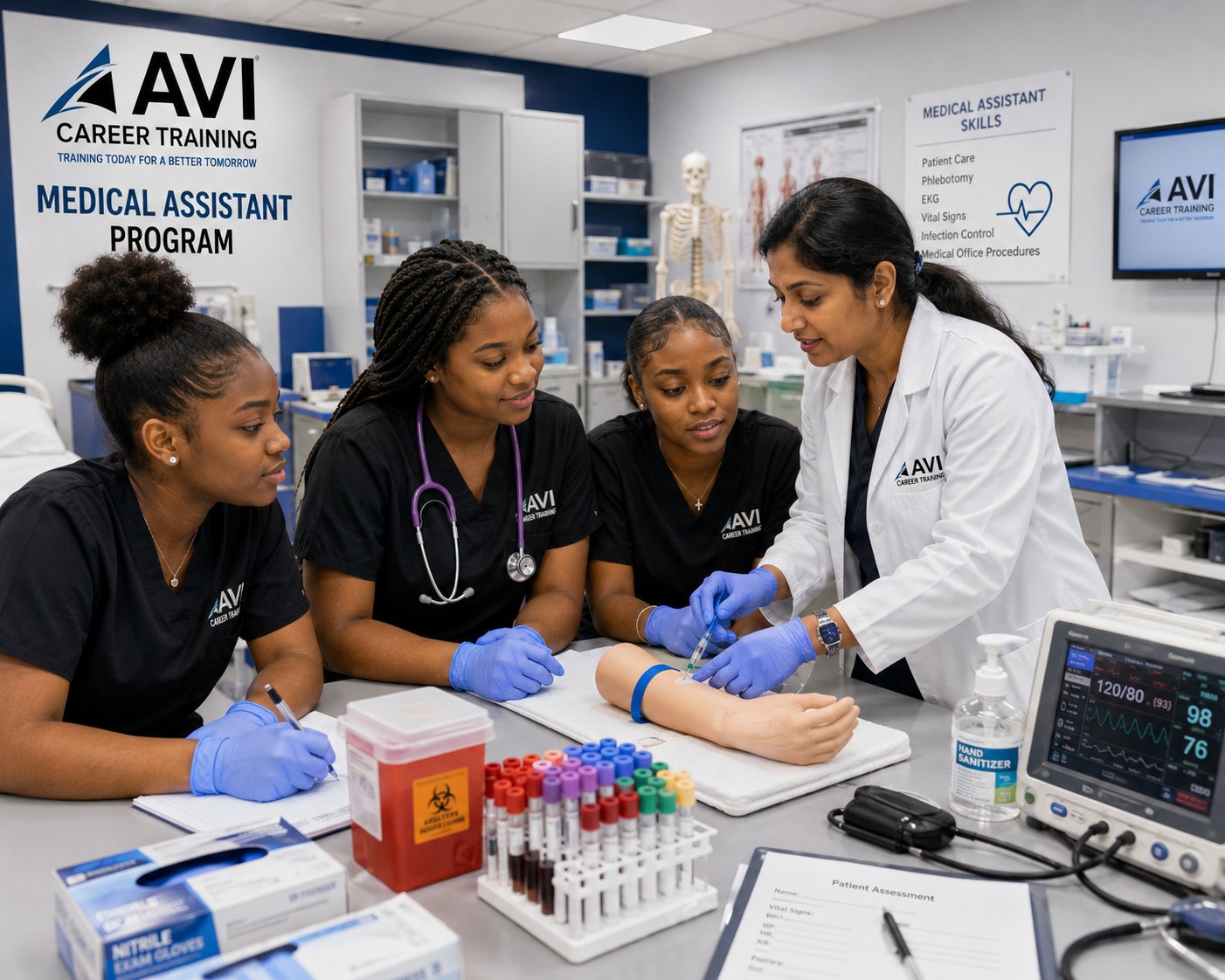
Virginia does not require medical assistants to hold a state license — but that doesn’t mean certification is optional if you want to be competitive in the job market.
This guide covers everything you need to know about medical assistant licensing requirements in Virginia: which certifications employers actually want, how long training takes, what you can expect to earn, and how the medical assistant path compares to other fast-growing, hands-on healthcare-adjacent careers in the Northern Virginia area.
—
📋 Key Takeaways
- Virginia has no state licensure requirement for medical assistants — but national certification (CMA, RMA, or NCMA) is expected by most employers.
- Most Virginia MA programs take 9–24 months to complete and cost $5,000–$15,000+ depending on the school.
- Virginia medical assistants earn a median salary of approximately $38,000–$44,000/year, according to Bureau of Labor Statistics data.
- Specialty settings — dermatology, cosmetic medicine, plastic surgery — tend to pay above the state median.
- Parallel wellness careers like Esthetics, Cosmetic Laser, and Massage Therapy offer faster training timelines, lower costs, and state licensure in Virginia — worth knowing before you commit.
—
Does Virginia Require Medical Assistants to Be Licensed?
No — Virginia does not require medical assistants to hold a state license. This puts Virginia in line with most U.S. states, which regulate medical assisting through national voluntary certification rather than mandatory state licensure.
That said, there’s an important distinction worth understanding: licensure, certification, and registration are three different things.
The practical reality? You can legally work as a medical assistant in Virginia without any certification. But in a competitive market like Northern Virginia — where you’re competing with graduates from programs at NOVA, George Mason University, and private career colleges — national certification is essentially a professional expectation. Many physician practices and health systems will not consider uncertified candidates for clinical roles.
> Bottom line: No license required. Certification is optional by law — but strongly recommended if you want to be hired.
—
Recognized Medical Assistant Certifications in Virginia
Three national credentials are widely recognized by Virginia employers when hiring medical assistants.
CMA (Certified Medical Assistant ) — AAMA
The Certified Medical Assistant (CMA) credential is issued by the American Association of Medical Assistants (AAMA). It’s the most widely recognized MA certification nationally and carries significant weight with employers in the DC metro area.
RMA (Registered Medical Assistant ) — AMT
The Registered Medical Assistant (RMA) credential is issued by the American Medical Technologists (AMT) organization. It’s a respected alternative to the CMA and accepted by a wide range of Virginia employers.
NCMA (National Certified Medical Assistant ) — NCCT
The National Certified Medical Assistant (NCMA) credential comes from the National Center for Competency Testing (NCCT). It’s a valid third option that some community health settings and smaller practices accept.
Which certification is best? For the Northern Virginia / DC metro job market, the CMA from AAMA tends to carry the most name recognition — particularly in hospital systems and multi-physician group practices. If you’re targeting a smaller clinic or specialty office, RMA or NCMA may be equally competitive. Confirm with individual employers before enrolling in a program.
—
—
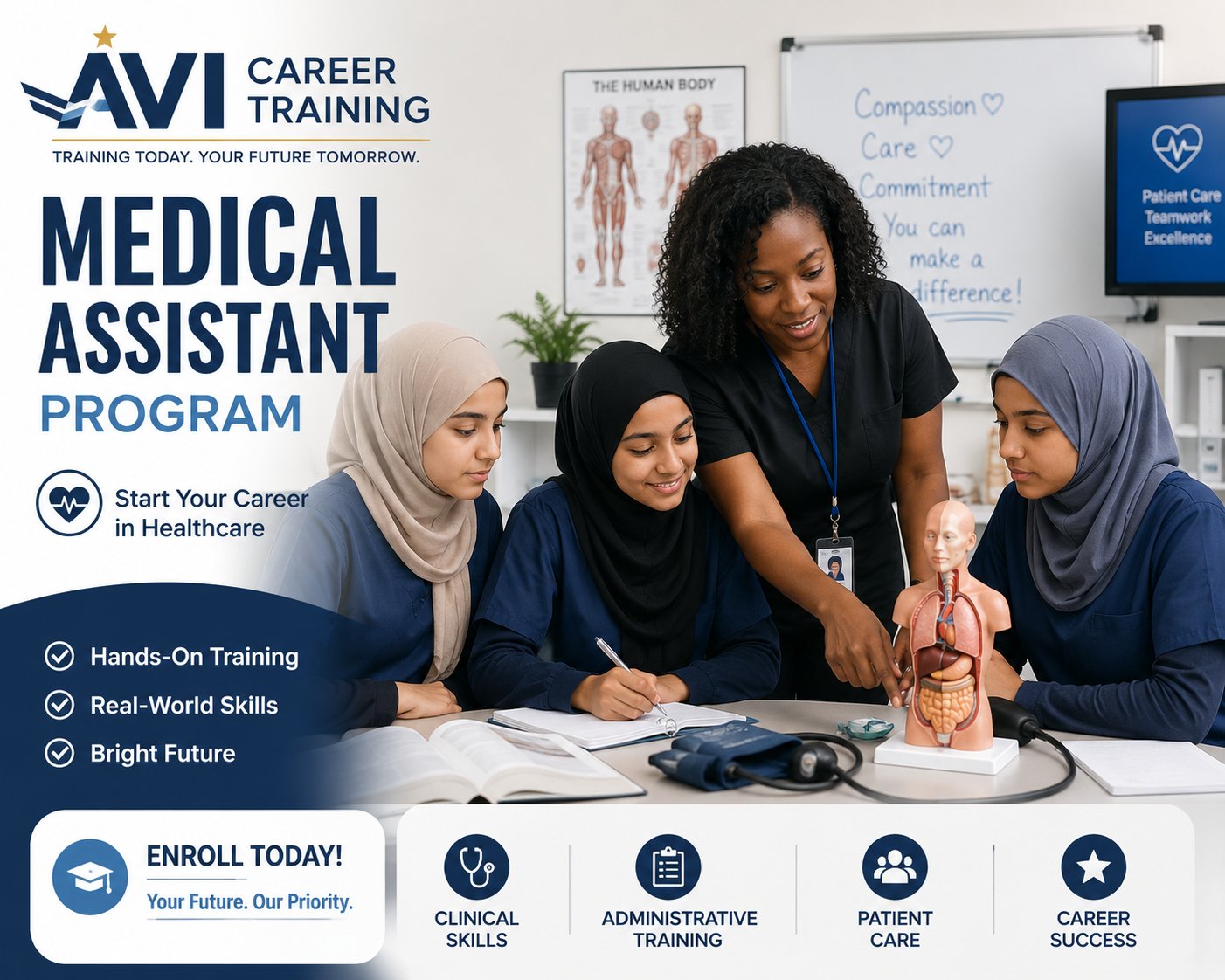
How Long Does It Take — and What Does It Cost?
Training timelines and costs vary significantly depending on the type of program you choose.
months
months
Certificate Programs (9–12 Months)
Certificate-level MA programs are the fastest path to the workforce. These are offered by community colleges and private career schools throughout Northern Virginia. Northern Virginia Community College (NOVA) is one of the largest and most accessible options locally, with competitive tuition rates for in-state students.
Certificate programs typically include both classroom instruction and a required clinical externship, which provides hands-on patient contact hours needed to sit for certification exams.
Associate Degree Programs (18–24 Months)
Some students choose a two-year associate degree path, which takes longer but may open additional advancement opportunities. Costs at private institutions can run higher — sometimes $20,000 or more. Community college associate degree programs in Virginia tend to be significantly more affordable.
What’s Included in the Cost?
When comparing program costs, factor in:
Many accredited MA programs qualify for federal financial aid (FAFSA), particularly at community colleges. Check each school’s financial aid eligibility before enrolling.
—
Medical Assistant Salary in Virginia — What to Expect
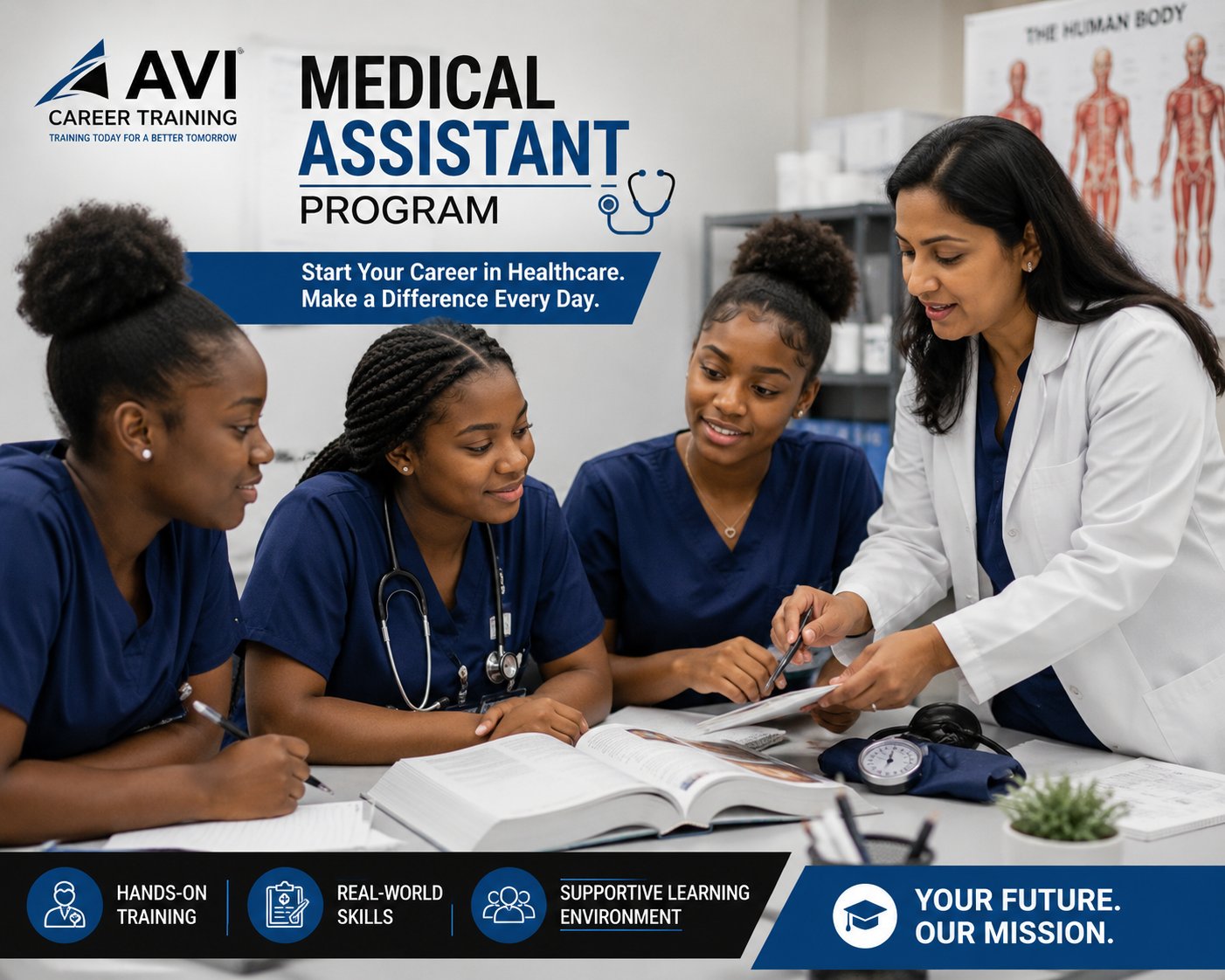
Virginia medical assistants earn a median annual wage of approximately $38,000–$44,000, according to Bureau of Labor Statistics Occupational Employment and Wage Statistics data. The Northern Virginia / DC metro area often trends toward the higher end of that range due to cost of living and demand from a concentrated healthcare market.
Where the Higher-Paying Roles Are
Not all medical assistant positions pay equally. Setting matters — and this is where things get interesting for career explorers.
Medical assistants working in specialty clinical environments — particularly dermatology, cosmetic medicine, and plastic surgery — tend to earn above the state median. These settings also offer a different kind of daily work: more aesthetic-focused procedures, more client interaction, and a practice culture that blends clinical and beauty/wellness sensibilities.
This creates a natural overlap with the growing medical aesthetics field — and with the beauty and wellness careers covered in the next section.
Job Outlook for Medical Assistants
The Bureau of Labor Statistics projects medical assistant employment to grow faster than the national average for all occupations. Demand is driven by an aging population, expanded primary care access, and growth in outpatient care settings. For Virginia specifically, the Northern Virginia healthcare corridor — including Inova Health System, Kaiser Permanente, and numerous specialty practices — represents a strong regional employer base.
> For the most current salary data, visit the BLS Occupational Outlook Handbook (U.S. Department of Labor).
—
Exploring Parallel Paths — Wellness and Aesthetic Careers in Virginia
If you landed on this page while exploring healthcare-adjacent career options, here’s something worth knowing before you finalize your path: there’s a category of hands-on, client-facing careers in Virginia that many people researching medical assisting never consider.
We’re talking about beauty and wellness licensing careers — esthetics, cosmetic laser technology, and massage therapy — and they’re more relevant to this conversation than you might think.
Why These Paths Are Worth Comparing
Here’s how they stack up against the medical assistant route on key decision factors:
| Factor | Medical Assistant | Esthetics / Wellness Careers |
|—|—|—|
| Virginia state licensure | No (certification only) | Yes — required and issued by VA DPOR |
| Typical training time | 9–24 months | 4–10 months |
| Typical cost range | $5,000–$20,000+ | Lower range options available |
| Federal financial aid | Available at qualifying schools | Depends on program and hours |
| Earning potential | $38K–$44K median | Varies; medical aesthetics can exceed MA range |
| Job settings | Clinics, hospitals, physician offices | Spas, salons, medical spas, self-employment |
The Medical Aesthetics Connection
The cosmetic laser and medical aesthetics field is growing approximately 15% nationally — one of the fastest growth rates in the broader healthcare-adjacent sector. And here’s what matters: the professionals working in medical spas and cosmetic dermatology offices alongside physicians are often licensed estheticians and cosmetic laser technicians, not medical assistants.
This is a real and growing career track — with state licensing, client-facing work, and access to a booming industry driven by demand for non-surgical cosmetic treatments.
What AVI Career Training Offers
AVI Career Training in Vienna, Virginia — just minutes from Tysons Corner in the Northern Virginia / DC metro area — offers hands-on career training in three programs that align directly with this growing field:
Basic Esthetics / Master Esthetics
Virginia requires 600 hours of training for esthetician licensure through the Virginia Board of Cosmetology under the Virginia Department of Professional and Occupational Regulation (DPOR). AVI’s Esthetics program covers skincare, facial treatments, skin analysis, chemical exfoliation, and inclusive techniques designed to serve every skin tone. Graduates are eligible to sit for the Virginia State Board exam.
Cosmetic Laser Technician
Virginia has a separate licensing path for cosmetic laser and light-based treatments. This is one of the fastest-growing specialty areas in the DMV’s medical spa market. AVI’s Cosmetic Laser Technician program prepares students for this specialized field with hands-on equipment training.
Massage Therapy
Virginia requires 625 hours of training plus a state board exam for massage therapy licensure (administered through DPOR). AVI’s Massage Therapy program prepares graduates for clinical, spa, and private practice settings throughout Northern Virginia.
All AVI programs are offered at a COE-accredited, SCHEV-certified campus at 1595 Spring Hill Rd #720, Vienna, VA 22182. Financial aid and GI Bill® benefits may be available depending on your program and eligibility — contact AVI’s admissions team to confirm your specific situation.
This is not a pitch to abandon the medical assistant path if it’s right for you. It’s a genuine nudge to make sure you’ve compared your options before committing 12–24 months and thousands of dollars to any one direction.
—
💡 Two Career Stories Worth Reading
Story 1 — The Clinical MA Who Discovered Medical Aesthetics: Marcus had spent two years working as a certified medical assistant at a family medicine clinic in Fairfax. The work was steady, but it wasn’t what he’d imagined. A patient referral to a nearby medical spa got him curious about laser treatments. He enrolled in a Cosmetic Laser Technician program, completed training in under a year, and transitioned to a cosmetic dermatology practice in Tysons — where his clinical background made him an especially strong candidate. Same healthcare-adjacent world. Completely different daily experience.
Story 2 — The Career Changer Who Skipped the Two-Year Path: Priya had been researching medical assistant programs for months when a friend mentioned esthetics licensing. She’d assumed it was less serious — less clinical, less credible. Then she learned that Virginia estheticians can work in dermatology offices, medical spas, and skincare clinics with a state license earned in as few as 600 hours of training. She graduated from an esthetics program in about eight months, passed her Virginia State Board exam, and took a position at a medical spa in the DC metro area. Same client-care instinct. Much faster path to licensure.
—
—
Frequently Asked Questions
Q: Does Virginia require medical assistants to be licensed?
A: No. Virginia does not require state licensure for medical assistants. However, national certification — CMA (AAMA), RMA (AMT), or NCMA (NCCT) — is strongly preferred or required by most employers in the Northern Virginia and DC metro healthcare market.
Q: How long does it take to become a medical assistant in Virginia?
A: Most certificate-level MA programs in Virginia take 9–12 months to complete. Associate degree programs run 18–24 months. Clinical externship hours are required as part of most accredited programs before you can sit for a national certification exam.
Q: What certifications do medical assistants need in Virginia?
A: Virginia does not mandate a specific certification. The three nationally recognized credentials accepted by Virginia employers are the CMA (from AAMA), the RMA (from AMT), and the NCMA (from NCCT). CMA is generally the most recognized in the Northern Virginia / DC market.
Q: How much do medical assistants make in Virginia?
A: Virginia medical assistants earn a median annual salary of approximately $38,000–$44,000, according to Bureau of Labor Statistics data. Northern Virginia wages trend toward the higher end of that range. Specialty settings such as dermatology and cosmetic medicine offices often pay above the state median.
Q: What are alternative healthcare-adjacent careers that don’t require a 4-year degree?
A: Several fast-growing options exist in Virginia, including licensed esthetician, cosmetic laser technician, and massage therapist. These careers require state licensure through Virginia DPOR, typically 500–600 hours of training, and can lead to careers in medical spas, dermatology offices, wellness clinics, and self-employment — often with faster training timelines than medical assistant programs.
Q: Is Virginia medical assistant certification different from CMA certification?
A: Virginia does not issue its own state MA certification. “Virginia medical assistant certification” typically refers to obtaining a nationally recognized credential (CMA, RMA, or NCMA) that Virginia employers accept. There is no separate state-issued MA credential.
Q: Can estheticians work in medical offices in Virginia?
A: Yes — licensed estheticians in Virginia frequently work in medical spas, cosmetic dermatology practices, plastic surgery centers, and wellness clinics. The growing medical aesthetics market in Northern Virginia employs estheticians and cosmetic laser technicians alongside physicians and nurse practitioners.
Q: Does AVI Career Training offer a medical assistant program ?
A: AVI Career Training does not offer a Medical Assistant program . AVI specializes in beauty and wellness career training — including Esthetics, Cosmetic Laser Technology, Massage Therapy, Cosmetology, Nail Technology, and Electrolysis — at its COE-accredited campus in Vienna, Virginia.
—
Ready to Explore Your Options in Northern Virginia?
Whether you’re zeroing in on a medical assistant certification track or discovering that an esthetics or cosmetic laser career might fit you better, the most important step is the same: get clear on your options before you invest your time and money.
If a hands-on, client-facing career in beauty, skincare, or wellness sounds like the right fit for you, AVI Career Training in Vienna, Virginia is worth a closer look. Our programs are built for real career outcomes — with COE accreditation, SCHEV certification, state board exam prep, and instructors who are licensed industry professionals.
We serve students from across the DMV area — Vienna, Tysons Corner, Fairfax, Arlington, Herndon, Reston, and beyond.
Call us at (703) 943-9841 or take the first step today:
—
About AVI Career Training
AVI Career Training is a COE-accredited (Council on Occupational Education), SCHEV-certified beauty and wellness school located at 1595 Spring Hill Rd #720, Vienna, VA 22182 — in the heart of Northern Virginia’s Tysons Corner corridor.
AVI offers hands-on career training programs in