
Massage Therapy School in Northern Virginia
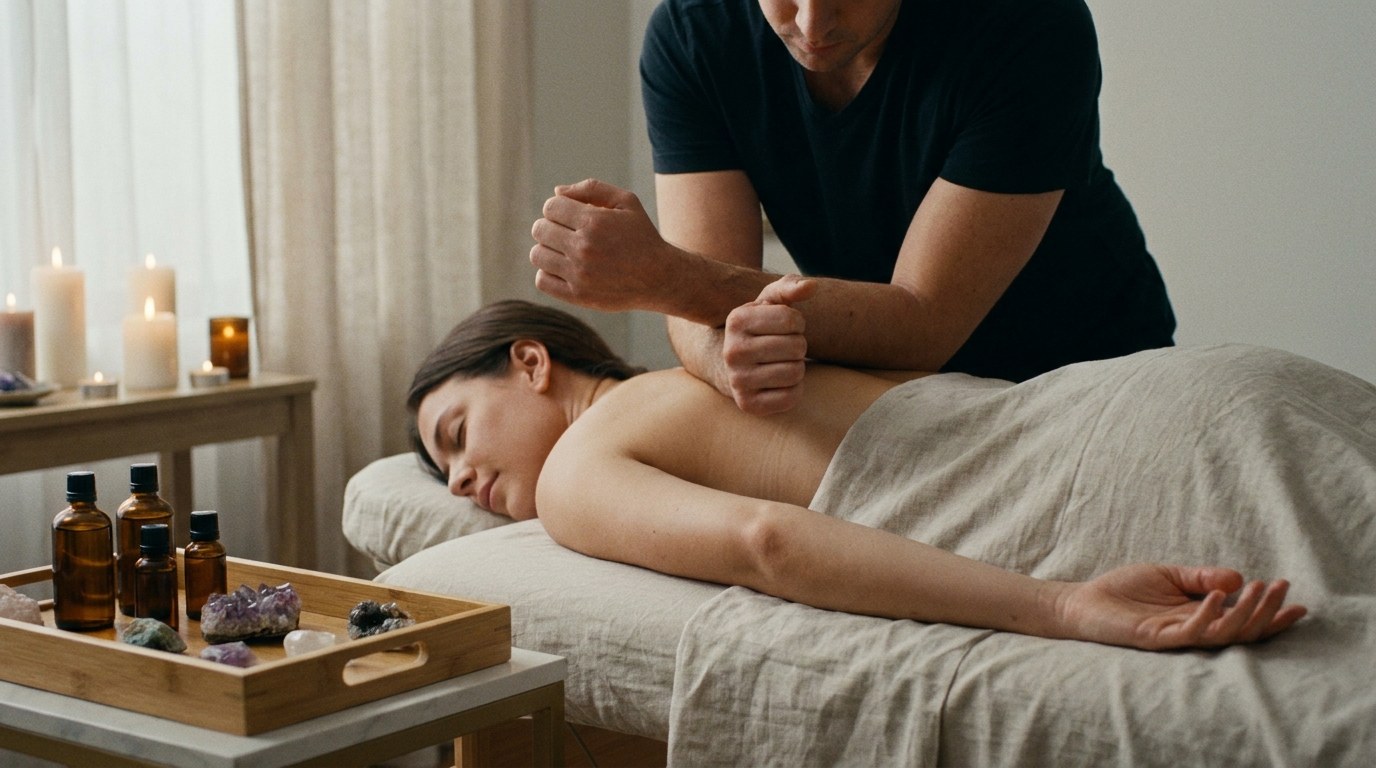
AVI Career Training’s Massage Therapy program in Vienna, Virginia gives you the hands-on skills, the 625 hours of training, and the credential pathway you need to become a licensed massage therapist in the Northern Virginia and DC metro market — one of the highest-paying regions in the country for this profession.
If you’ve been researching massage therapy schools in Northern Virginia, you’ve probably already noticed the gap: most programs either hand you a short certificate with minimal clinical hours, or they’re national chain schools with no real connection to the local job market. AVI is different. Located in Vienna, VA on the Tysons Corner corridor, AVI places you inside one of the region’s most in-demand wellness markets before you even graduate.
Key Takeaways
- AVI’s Massage Therapy program is 625 hours — exceeding Virginia’s 500-hour state minimum by 25%
- Graduates are eligible to sit for the MBLEx (Massage & Bodywork Licensing Examination) and apply for Virginia licensure through the Virginia Board of Nursing
- The DC-Arlington-Alexandria metro area consistently ranks above the national median for massage therapist wages
- AVI is COE Accredited and SCHEV Certified — financial aid and GI Bill® benefits available
- AVI Career Training is located at 1595 Spring Hill Rd #720, Vienna, VA 22182, inside the Tysons Corner corridor
Ready to take the first step? Apply now at AVI Career Training or call us at (703) 943-9841.
—
What to Expect from a Massage Therapy Program
A strong massage therapy program teaches you far more than technique — it prepares you to work safely, professionally, and effectively on real clients from day one.
AVI Career Training’s 625-hour Massage Therapy program covers the full scope of what you’ll need to succeed in Virginia’s licensed wellness market. Here’s what the curriculum includes:
Core Massage Modalities
You’ll train in the foundational and specialty techniques that clients and employers actually request:
Science and Theory Coursework
Northern Virginia’s wellness market — spas, chiropractic offices, sports clinics, luxury hotels — expects therapists who understand the body, not just the movements. Your science coursework will cover:
Business, Ethics, and Clinical Practice
AVI’s program doesn’t drop you into the job market without professional preparation. You’ll also study:
That clinical component is where everything clicks. You’re not just studying massage — you’re doing it, getting feedback, and building the kind of muscle memory that only comes from real practice.

—
Virginia Licensing Requirements for Massage Therapists
To work legally as a massage therapist in Virginia, you must hold a state license — and that process is more straightforward than most people think.
Here’s the exact pathway from student to licensed professional:
Step 1: Complete an Approved Training Program
Virginia requires a minimum of 500 hours of massage therapy training from a board-approved school. AVI’s 625-hour program exceeds that minimum by 125 hours — a meaningful advantage when you’re competing in a dense professional market like Northern Virginia.
Those extra hours translate to more clinical practice, more modality exposure, and a stronger portfolio of skills before you ever sit for your exam.
Step 2: Pass the MBLEx
The MBLEx (Massage & Bodywork Licensing Examination) is the national licensing exam administered by the Federation of State Massage Therapy Boards (FSMTB). Virginia accepts the MBLEx as the qualifying exam for licensure. The exam covers:
AVI’s curriculum is designed to prepare you for this exam — the science coursework, ethics training, and hands-on practice all map directly to the MBLEx content outline.
Step 3: Apply for Your Virginia License
After passing the MBLEx, you’ll submit your licensure application to the Virginia Board of Nursing, which oversees massage therapy licensing in the Commonwealth. The application includes proof of education, exam scores, and applicable fees. You can review current requirements at the Virginia Department of Health Professions.
A certificate is the document you receive from your school when you complete your training program. A license is the legal authorization issued by the Virginia Board of Nursing that allows you to practice massage therapy professionally in the state. You cannot legally work as a massage therapist in Virginia with only a school certificate — you must be licensed. AVI’s 625-hour program positions you to complete both steps: finish your certificate, pass the MBLEx, and apply for your Virginia license.
—
How Long Does It Take — and What Does It Cost?
AVI’s 625-hour Massage Therapy program can typically be completed in a matter of months, depending on your schedule and enrollment pace. The exact timeline varies by how you schedule your hours — full-time students move through faster; part-time options offer more flexibility for working adults.
This is one of the most practical advantages of massage therapy as a career path: you don’t need years of school. You need focused, quality training — and then you’re employable.
Tuition and Financial Aid
AVI Career Training offers financial aid for qualified students, including federal aid through FAFSA (Title IV). GI Bill® benefits are also accepted — making AVI one of the few massage therapy schools in Northern Virginia that actively supports veteran students in accessing their education benefits.
If you’re concerned about cost, here’s the honest message: there are real financial pathways to completing this program. A one-time tuition investment in a 625-hour massage therapy credential opens the door to a career that pays for itself quickly in the Northern Virginia market.
To get current tuition figures and explore your financial aid options, contact AVI’s admissions team directly or call (703) 943-9841.
A Student Story: Career Change at 34
Marcus had spent a decade working in logistics in the DC metro area. He was good at his job — but his body and schedule told him something needed to change. He’d been getting regular massages for years for a recurring back injury and kept thinking: I could do this. I want to do this.
He enrolled in AVI’s Massage Therapy program while working part-time. Within months, he’d completed his 625 hours, passed the MBLEx on his first attempt, and landed a position at a sports recovery studio in Tysons Corner — less than five miles from where he trained. He now sees clients he genuinely helps, sets his own weekly rhythm, and earns more per hour than he did in logistics.
Marcus’s path isn’t unusual for AVI students. Northern Virginia’s wellness market rewards people who show up trained, licensed, and ready.
—
What Can You Earn as a Massage Therapist in Northern Virginia?
The Northern Virginia and DC metro job market is one of the strongest in the country for massage therapists — and the numbers reflect it.

(BLS Occupational Outlook)
(BLS Metro Wage Data)
(BLS — Faster Than Average)
The national median wage for massage therapists is approximately $49,860 per year according to the U.S. Bureau of Labor Statistics. The DC-Arlington-Alexandria metropolitan statistical area consistently reports wages above that national median — a reflection of the region’s high household incomes, corporate wellness culture, and dense concentration of spas, sports medicine clinics, hotels, and chiropractic practices.
The BLS Occupational Outlook Handbook projects approximately 18% employment growth for massage therapists through 2033 — significantly faster than average across all occupations. That growth is fueled by increased mainstream acceptance of massage as a medical and wellness intervention, not just a luxury service.
Where Do Massage Therapists Work in Northern Virginia?
Northern Virginia’s job market for massage therapists is genuinely diverse. Graduates from AVI’s Massage Therapy program in Vienna, VA can pursue positions at:
A Student Story: From Spa Client to Spa Therapist
Danielle worked front desk at a spa in McLean for two years. She watched therapists come in, work three or four clients, and leave — earning in an afternoon what she made in a full shift. She enrolled at AVI’s Vienna, VA campus, completed the 625-hour Massage Therapy program, and returned to the spa industry — this time as a licensed therapist on the treatment room side. Within her first year of licensure, she had a full client book and a loyal following she’d built from her front-desk days. The credential made the difference.
—
Why Choose AVI Career Training for Massage Therapy?
There are several massage therapy schools in Northern Virginia and the broader DMV. Here’s what separates AVI Career Training from the rest.
COE Accreditation and SCHEV Certification
AVI Career Training is accredited by the Council on Occupational Education (COE) and certified by the State Council of Higher Education for Virginia (SCHEV). These aren’t decorative credentials — they’re the quality markers that unlock federal financial aid, GI Bill® benefits, and employer recognition. When you graduate from a COE-accredited program, your credential carries real weight in the job market.
625 Hours — More Than the State Minimum
Virginia requires 500 hours to sit for licensure. AVI gives you 625. That 125-hour difference means more time in clinical practice, more modality depth, and more confidence walking into your first job. In a competitive hiring market like Northern Virginia, those extra hours are visible to employers — and to clients.
Hands-On Clinical Training Environment
You learn massage therapy by doing massage therapy. AVI’s hands-on training model prioritizes real client interactions under professional supervision. By the time you sit for the MBLEx, you’ve already logged hundreds of hours working with real bodies, receiving real feedback, and building real technique.
Inclusive Curriculum Philosophy
AVI’s programs are built on the principle that skilled practitioners serve every client — regardless of body type, skin tone, age, or physical condition. Your training at AVI prepares you to work effectively across diverse client populations, which is exactly what Northern Virginia’s multicultural wellness market expects and rewards.
Location: Tysons Corner Corridor, Vienna VA
AVI’s campus at 1595 Spring Hill Rd #720, Vienna, VA 22182 sits inside one of the most economically active zip codes in the Mid-Atlantic region. You’re training minutes from Tysons Corner, McLean, Reston, and Falls Church — the same communities where your future clients and employers are concentrated. That proximity isn’t incidental. It’s a strategic advantage for your career launch.
Financial Aid and GI Bill® Access
AVI accepts federal financial aid through FAFSA (Title IV programs including Pell Grants) and accepts GI Bill® benefits for qualifying veterans and active-duty service members. If cost has been keeping you from moving forward, talk to AVI’s admissions team about what’s available — the pathway may be more accessible than you think.
Ready to start your massage therapy career in Northern Virginia?
AVI Career Training’s 625-hour program is enrolling now. Join a COE-accredited school that prepares you for Virginia licensure and real careers in the DC metro wellness market.
Apply Now — AVI Career Training
Questions? Call us at (703) 943-9841
—
Frequently Asked Questions
Q: How many hours do you need to become a massage therapist in Virginia?
A: Virginia requires a minimum of 500 hours of massage therapy training from a board-approved school to be eligible for licensure. AVI Career Training’s program provides 625 hours — exceeding the state minimum by 125 hours and giving graduates a deeper skill set and more clinical practice before entering the job market.
Q: How long does massage therapy school take in Virginia?
A: The timeline depends on your enrollment schedule. AVI’s 625-hour Massage Therapy program can typically be completed within several months for full-time students. Part-time scheduling is also available for working adults. Contact AVI’s admissions team at (703) 943-9841 for current schedule options.
Q: Is massage therapy a good career in Northern Virginia?
A: Yes — Northern Virginia is one of the strongest regional markets in the country for massage therapists. The DC-Arlington-Alexandria metropolitan area consistently pays above the national median wage for massage therapists (~$49,860/year nationally per BLS data). Proximity to high-income demographics, corporate wellness programs, luxury spas, sports clinics, and a growing healthcare integration market all contribute to strong employment and earning opportunities.
Q: What is the difference between a massage therapy certificate and a license in Virginia?
A: A certificate is issued by your school upon completing your training program. A license is issued by the Virginia Board of Nursing and is the legal requirement to practice massage therapy professionally in Virginia. Completing AVI’s program earns you a certificate of completion; passing the MBLEx and applying through the Virginia Board of Nursing earns you your license.
Q: Does massage therapy school accept financial aid in Virginia?
A: AVI Career Training’s Massage Therapy program is eligible for federal financial aid through FAFSA (Title IV), including Pell Grants. GI Bill® benefits are also accepted for qualifying veterans and service members. Not all massage therapy schools in Northern Virginia offer these options — AVI’s COE accreditation and SCHEV certification are what make this access possible.