—
Massage Therapy Careers in the DMV: Pay, Jobs & How to Start
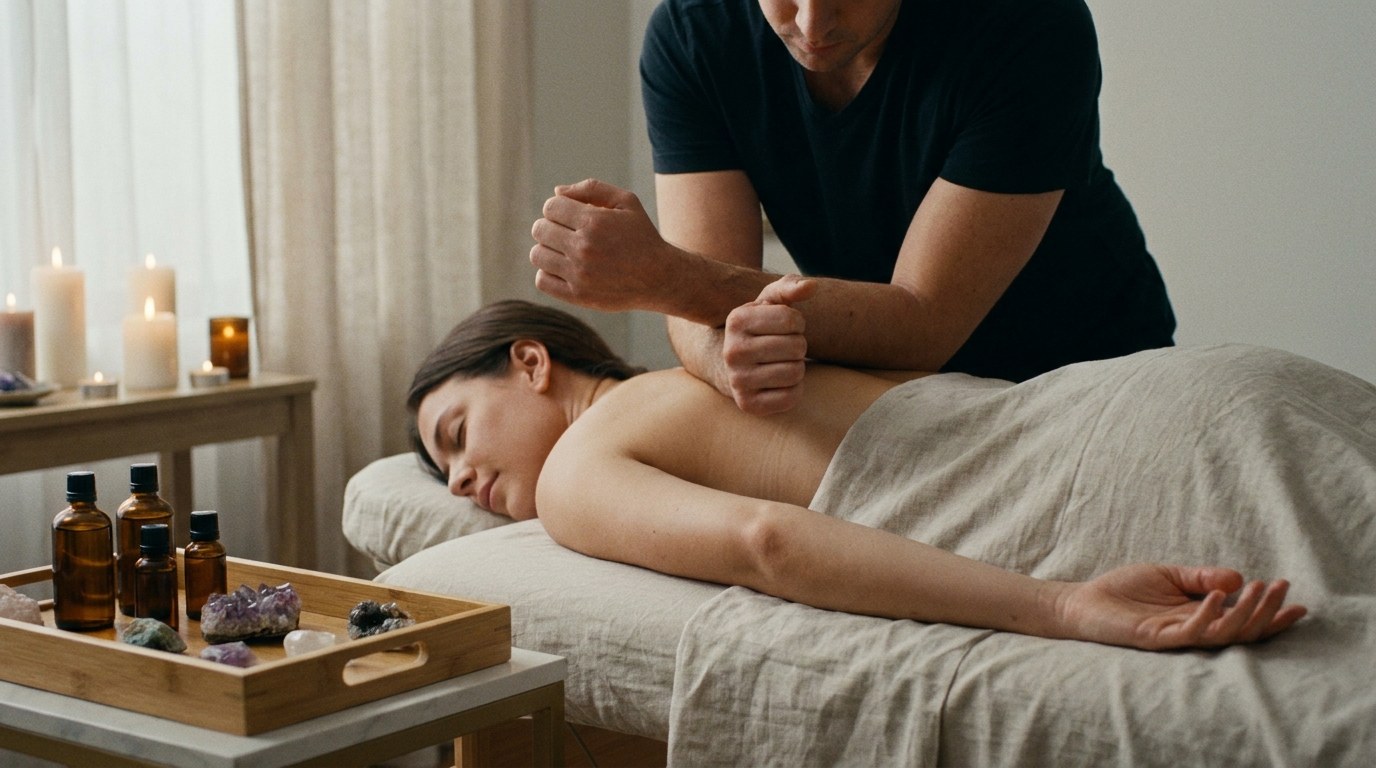
The DMV is one of the strongest job markets in the country for massage therapists — and with 625 hours of approved training, you can hold a Virginia license and start building a real career faster than you might expect.
If you’re weighing a career change or exploring wellness careers in Northern Virginia, Washington DC, or Maryland, this guide covers exactly what you need to know: what massage therapists earn locally, where they work, what Virginia’s licensing requirements look like, and the fastest legitimate path to getting started.
Apply to AVI’s Massage Therapy Program →
⚡ Key Takeaways
- The national median wage for massage therapists is ~$49,860/year (BLS, 2023); DMV-market rates trend higher, with experienced therapists earning $25–$50+ per hour.
- Virginia requires 500 hours of approved training plus passing the MBLEx to obtain a license through the Virginia Board of Nursing.
- BLS projects massage therapy employment to grow ~18–20% through 2032 — much faster than most occupations.
- The DMV’s dense healthcare, hospitality, and military/veteran sectors drive unusually strong local demand for licensed therapists.
- AVI Career Training in Vienna, VA offers a COE-accredited, Virginia Board-approved Massage Therapy program (NO FINANCIAL AID FOR THIS PROGRAM) completable in as few as five months.
—
What Do Massage Therapists Earn in Virginia and the DC Area?
Massage therapists in Virginia earn competitive wages — and in the DC metro market, those numbers climb even higher than the national average.
According to the U.S. Bureau of Labor Statistics (BLS), the national median annual wage for massage therapists is approximately $49,860 as of 2023. That translates to roughly $23–$24 per hour at the median level. But in the DMV — a high cost-of-living, high-demand region — experienced therapists regularly command $35–$50+ per hour, particularly in medical, sports recovery, and luxury spa settings.
National median annual wage (BLS 2023)
Typical hourly range, DMV market
Earn $80,000+ nationally — often self-employed
Why DMV Rates Run Higher
Northern Virginia and the DC metro sit in one of the highest-income regions in the United States. Clients here — federal workers, defense contractors, military personnel, tech professionals — have strong disposable income and genuine demand for wellness services. That economic reality pushes local wages above the national floor.
Self-employed and private-practice therapists can earn even more by setting their own rates. Many licensed therapists in the DMV supplement their base pay with gratuities, retail product commissions, and add-on service fees. A therapist at a luxury Tysons Corner spa, for example, may earn a commission rate plus consistent tips that push total compensation significantly above the posted hourly wage.
Massage therapists in Virginia typically earn between $25 and $50+ per hour, depending on setting, specialization, and experience. The national BLS median is ~$49,860/year, and DMV market rates trend higher due to cost-of-living adjustments and strong local demand. Self-employed therapists often earn the most, particularly those with medical massage or sports recovery specializations.
Where Do Massage Therapists Work in Northern Virginia and DC?

Licensed massage therapists in the DC metro area have more placement options than most markets in the country — the DMV’s mix of healthcare infrastructure, luxury hospitality, and military/veteran services creates demand across a wide range of settings.
Spa & Hospitality
The Tysons Corner corridor, Arlington, Georgetown, and the National Harbor all host upscale hotel spas and day spas actively recruiting licensed therapists. Properties connected to major hotel brands in this region offer consistent scheduling, employee benefits, and steady client flow.
Franchise spa concepts — including Massage Envy and Hand & Stone locations throughout Fairfax County and the broader DC suburbs — are another significant employer. These locations hire full-time and part-time therapists with flexible scheduling, making them a popular first placement for new graduates.
Medical & Clinical Settings
Chiropractic offices, physical therapy clinics, orthopedic practices, and integrative medicine centers throughout Northern Virginia and DC regularly employ massage therapists. In these settings, licensed therapists work alongside physicians and physical therapists to support patient care — often earning slightly higher rates tied to clinical demand.
Military & Veteran Healthcare
The DMV is home to a large active-duty military and veteran population. Fort Belvoir, Joint Base Myer-Henderson Hall, and VA Medical Centers throughout the region all represent institutional demand for wellness and rehabilitation services. Military and veteran clients are a meaningful and consistent segment of the DMV massage therapy market.
Private Practice & Wellness Studios
Many experienced therapists in Northern Virginia eventually build private practices — renting space at wellness suites, working by appointment only, and setting their own rates. Sports recovery studios, yoga and Pilates centers, and integrative wellness clinics are also strong employers, particularly in areas like Reston, McLean, and Old Town Alexandria.
Massage therapists in the DC metro can work in luxury hotel spas (Tysons Corner, Arlington, Georgetown), franchise spa chains (Massage Envy, Hand & Stone throughout Fairfax County), chiropractic and physical therapy offices, VA medical centers and military facilities, sports recovery studios, and private practice. The DMV’s density of healthcare providers and high-income residential areas creates strong, consistent demand across all of these settings.
💼 Career Story: From Federal Contractor to Licensed Therapist
After 11 years managing IT contracts for a Northern Virginia defense firm, Marcus was burned out — sitting at a desk, feeling disconnected from his work. He’d always been drawn to wellness and had been getting regular sports massages to manage a chronic shoulder injury. At 38, he enrolled in a Virginia Board-approved Massage Therapy program (NO FINANCIAL AID FOR THIS PROGRAM) and completed his 625 hours while working part-time. Within three months of passing the MBLEx, he was hired at a sports recovery studio in Reston — serving clients who looked a lot like his former colleagues. His hourly earnings in his first year were within 20% of what he’d made in IT, with a fraction of the stress.
Virginia Massage Therapy License Requirements — What You Need to Know
Getting licensed as a massage therapist in Virginia is a clear, step-by-step process — there are no vague requirements or moving targets.
Virginia licensing is administered through the Virginia Department of Professional and Occupational Regulation (DPOR) under the oversight of the Virginia Board of Nursing. Here’s exactly what you need:
- 1
Complete 500 hours of approved training at a Virginia Board-approved school. The curriculum must cover anatomy, physiology, kinesiology, pathology, and hands-on massage technique. - 2
Obtain current CPR certification. This is required at the time of licensure application and must remain current. - 3
Pass the MBLEx (Massage & Bodywork Licensing Examination), the national licensing exam accepted by Virginia and most U.S. states. The exam covers anatomy, physiology, kinesiology, and massage therapy assessment and application. - 4
Submit your application to the Virginia Board of Nursing through the DPOR portal, along with your training transcripts, exam results, CPR certificate, and applicable fees. - 5
Receive your Virginia license and begin practicing legally in any of the settings described above.
What the Training Covers
A 625-hour program teaches far more than massage techniques. You’ll build genuine clinical knowledge — how muscles and joints work, how to identify contraindications, how to adapt pressure and modality for different client conditions. Strong programs also cover business ethics, professional communication, and draping/sanitation standards, preparing you to work confidently in medical and clinical environments, not just spas.
Virginia requires: (1) 500 hours of training at a Board-approved school, (2) current CPR certification, (3) passing the MBLEx national licensing exam, and (4) a completed application to the Virginia Board of Nursing through DPOR. The process is clearly defined and achievable — most students complete all requirements within six to eight months of starting their program.
Is Massage Therapy a Good Career Choice in 2024 and Beyond?
Massage therapy is one of the strongest-growing healthcare support occupations in the country — and the DMV’s specific economic profile makes it an especially smart choice locally.
The U.S. Bureau of Labor Statistics projects employment of massage therapists to grow approximately 18–20% through 2032, which is classified as “much faster than average” compared to all other occupations. This growth is driven by rising consumer interest in wellness, expanding use of massage in medical and rehabilitative contexts, and aging demographics requiring ongoing pain management and physical recovery support.
Why the DMV Market Is Particularly Strong
Three factors make massage therapy jobs in the Washington DC metro area more stable and higher-paying than in many other U.S. markets:
1. A high-income professional workforce. Northern Virginia and DC consistently rank among the highest-income metro areas in the U.S. Clients with discretionary income invest in regular massage as part of a wellness routine — meaning steady, repeat clientele for therapists who build their book of business.
2. A large military and veteran population. The DMV has one of the highest concentrations of active-duty military members, veterans, and military families in the country. This population actively uses therapeutic massage for injury recovery, stress management, and chronic pain. VA medical centers and military installations represent institutional, long-term demand.
3. A growing post-pandemic wellness culture. Consumer spending on wellness services has grown consistently since 2021. More people are treating massage as healthcare — not just a luxury — which broadens the client base and stabilizes demand even during economic softness.
💼 Career Story: A Military Spouse Who Built Her Own Practice
Diane moved to Northern Virginia when her husband was stationed at Fort Belvoir. With two kids and no local network, she needed a career path that was flexible, portable, and in demand near military communities. She completed a 625-hour Massage Therapy program (NO FINANCIAL AID FOR THIS PROGRAM) at a Vienna-area school, passed the MBLEx, and obtained her Virginia license within six months. She started at a wellness clinic in Springfield, then gradually built her own private client base — eventually transitioning to independent practice.