Licensed Esthetician Classes In Fairfax County VA: A Course By Course Breakdown
AVI Career Training in Vienna, VA offers licensed esthetician classes in Fairfax County through two structured programs—Basic Esthetics (600 hours) and Master Esthetics (750 hours)—giving students a clear, skill-by-skill path toward a rewarding career in skin care.
If you have been searching for a reputable esthetics school near Fairfax County, you are in the right place. AVI Career Training is COE-accredited, conveniently located at 112 Lawyers Rd NW Suite 3, Vienna, VA 22180, and built around hands-on education that prepares graduates for real-world careers. Below, we break down exactly what you will study, hour by hour, so you can walk in on day one knowing what to expect.
Key Takeaways
- AVI Career Training offers two esthetics tracks: Basic Esthetics (600 hours) and Master Esthetics (750 hours).
- The school is COE-accredited and located in Vienna, VA—minutes from Fairfax County.
- Courses cover everything from skin analysis and facials to advanced treatments like chemical peels and laser techniques.
- Master Esthetics builds directly on Basic Esthetics, allowing students to deepen their expertise without starting over.
- Federal financial aid (Title IV) is available for qualifying programs, including Massage Therapy.
- Students graduate ready to sit for Virginia state board licensing exams.
- You can start your application today at avi.edu/apply.
Why Choose AVI Career Training for Esthetics in Fairfax County?
Vienna sits right on the border of Fairfax County, making AVI Career Training one of the most accessible beauty and wellness schools for residents throughout the county—whether you live in Reston, Herndon, McLean, or Fairfax City. The school’s COE accreditation signals that AVI meets rigorous national standards for curriculum quality, faculty, and student outcomes.
Beyond location and accreditation, AVI takes a career-first approach. Instructors are working industry professionals who understand what employers and clients actually expect from licensed estheticians. Small class sizes mean you get personal attention on every technique, not just a seat in a lecture hall.
Ready to take the first step? Apply to AVI Career Training today and one of our admissions advisors will walk you through everything.
Basic Esthetics Program: 600 Hours, Course by Course
The Basic Esthetics program is the entry point for anyone pursuing a Virginia esthetician license. At 600 hours, it is designed to give you a thorough foundation in skin science and hands-on treatment skills.
Skin Science and Anatomy
You cannot treat the skin without understanding it. Early coursework covers the structure of the skin (epidermis, dermis, hypodermis), cell turnover cycles, and how different skin types and conditions behave. You will also study basic anatomy of the face and neck so you can work safely and effectively with every client.
Sanitation, Safety, and Virginia State Regulations
Infection control is non-negotiable in professional esthetics. Students learn proper sanitation and disinfection protocols, OSHA standards, and the specific Virginia Board of Cosmetology regulations governing esthetic practice. This module is woven throughout the program—not treated as a one-day overview—because safe practice is a daily habit, not a checklist.
Skin Analysis and Consultation
Learning to accurately assess a client’s skin is one of the most valuable skills an esthetician can develop. Coursework covers using magnifying lamps and Wood’s lamps, identifying skin types (normal, oily, dry, combination, sensitive), recognizing common conditions like acne, rosacea, and hyperpigmentation, and building a treatment plan tailored to individual needs.
Facial Treatments and Massage Techniques
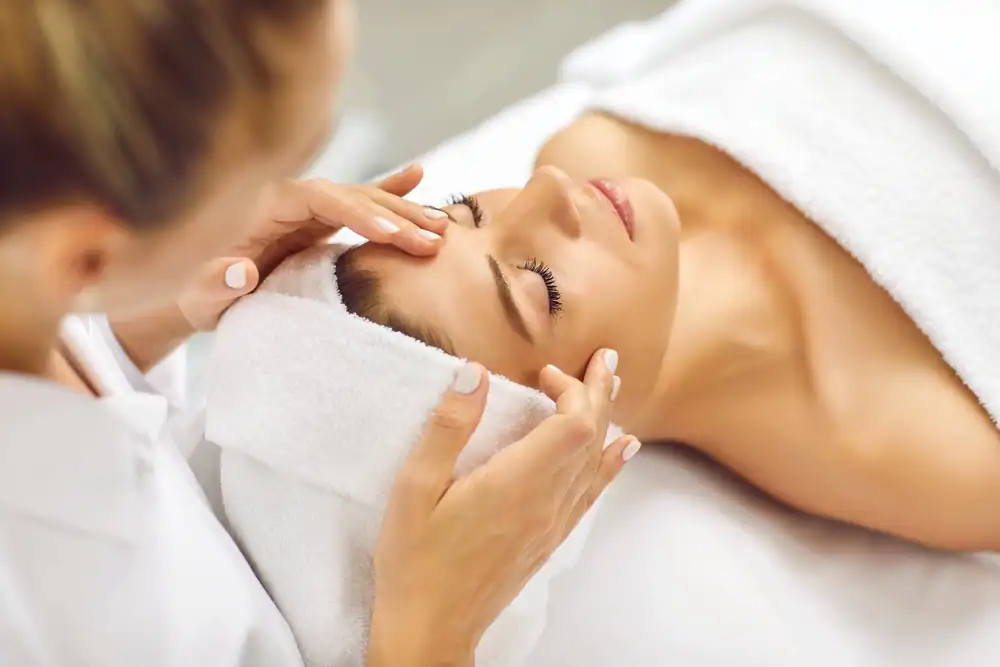
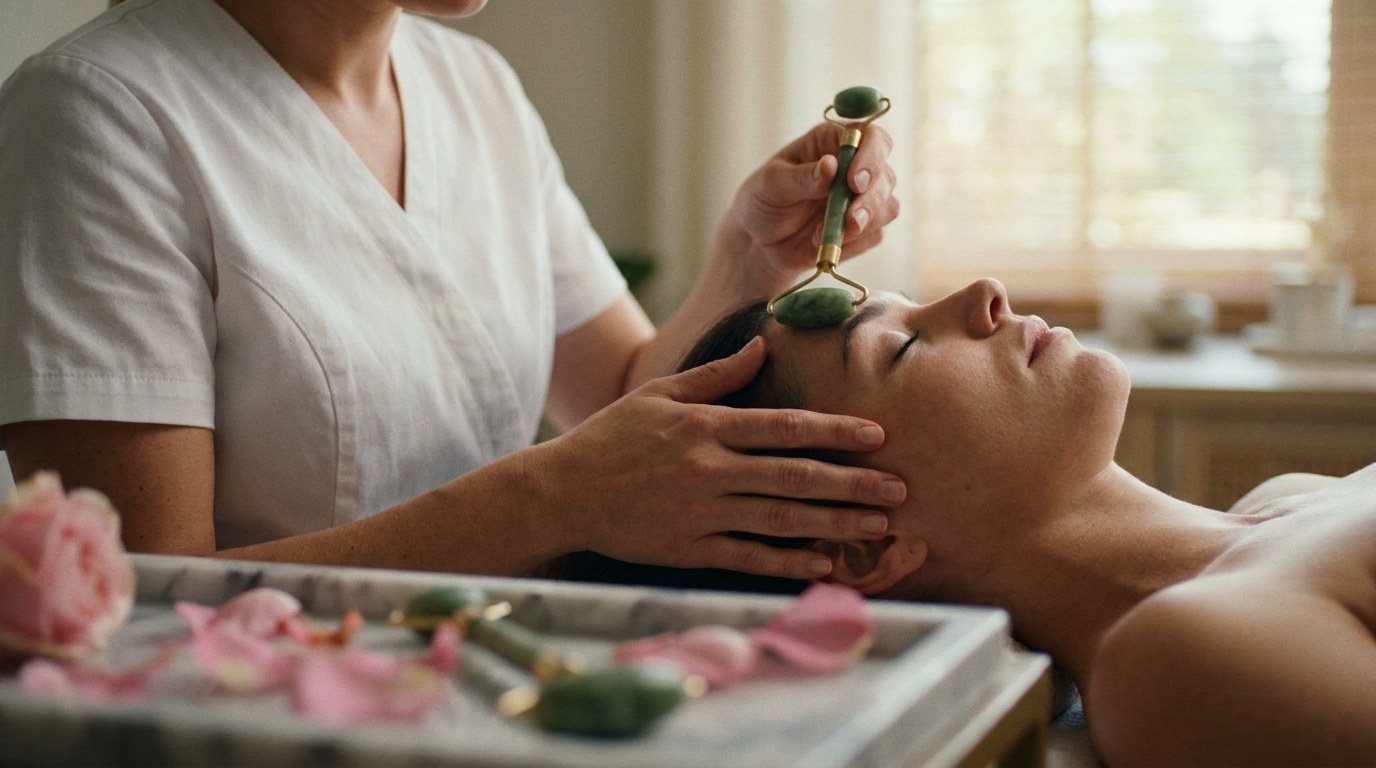
This is where the hands-on work really begins. Students practice European facials, cleansing protocols, steaming, extractions, and facial massage movements including effleurage, petrissage, and tapotement. You will log many hours on the clinic floor performing services on real clients under instructor supervision—an invaluable confidence builder.
Hair Removal
Virginia estheticians are permitted to perform a range of hair removal services, and the Basic Esthetics program covers waxing (face and body), tweezing, and threading. Students learn proper technique, skin preparation, and aftercare to minimize irritation and ensure client safety.
Makeup Application
A solid esthetics education includes cosmetic artistry. Students learn color theory, skin tone matching, product selection, and application techniques for everyday looks as well as special occasions. This adds a valuable service to your professional menu from day one.
Product Knowledge and Ingredients
Understanding what is in your products—and why—separates good estheticians from great ones. Coursework introduces cosmetic chemistry basics, active ingredients (AHAs, BHAs, retinoids, antioxidants), and how to recommend retail products that support clients’ at-home routines.
Business and Client Relations
Esthetics is a relationship-driven profession. Students explore client communication, record keeping, retail sales fundamentals, and the basics of operating within a spa or salon business environment.
Master Esthetics Program: 750 Hours of Advanced Training
For students who want to go beyond the basics—or who are already licensed estheticians looking to expand their scope—AVI’s Master Esthetics program delivers 750 hours of advanced coursework. This program picks up where Basic Esthetics leaves off and moves into treatments that command higher service fees and open doors to medical spa environments.
Advanced Exfoliation: Chemical Peels
Chemical peels are among the most requested advanced esthetic services. Students learn the science behind alpha hydroxy acids, beta hydroxy acids, and trichloroacetic acid (TCA) peels, proper client selection and contraindications, application protocols, and post-peel care. Hands-on practice ensures you are comfortable and confident before working with clients.
Microdermabrasion
This popular mechanical exfoliation treatment resurfaces the skin to address fine lines, uneven texture, and mild hyperpigmentation. Master Esthetics students learn machine operation, treatment parameters for different skin types, and how to combine microdermabrasion with other services for enhanced results.
Advanced Facial Modalities
The Master program introduces high-tech equipment and advanced manual techniques including microcurrent, ultrasonic, LED light therapy, and lymphatic drainage massage. Each modality has its own science, contraindications, and treatment protocols—all covered in depth.
Body Treatments and Spa Services
Moving beyond the face, Master Esthetics students learn body wraps, scrubs, and hydrotherapy concepts. These skills expand your service menu significantly, especially in resort spa and wellness center settings.
Laser and Light Basics
Master Esthetics students receive an introduction to laser and intense pulsed light (IPL) technology, preparing them to work alongside laser technicians or to pursue AVI’s standalone Laser Technician program (120 hours) as a natural next step.
How Esthetics Fits Into AVI’s Broader Program Lineup
AVI Career Training is not just an esthetics school. The same campus offers Cosmetology (1,000 hours), Massage Therapy (625 hours, with Title IV federal financial aid available), Nail Technology (150 hours), Laser Technician (120 hours), Medical Assistant (600 hours), and ESL (1,200 hours). This means you can start with Basic Esthetics and later add Nail Technology or Laser Technician credentials without changing schools—saving time and making your education more efficient.
Many AVI students combine esthetics with massage therapy to offer a full-spectrum wellness experience to clients, which is an increasingly popular career model in the Northern Virginia and Washington DC metro market.
What Happens After You Graduate?
Graduates of the Basic Esthetics program are eligible to sit for the Virginia State Board of Cosmetology esthetics licensing exam. Passing that exam allows you to work legally as a licensed esthetician in the Commonwealth of Virginia—in day spas, medical spas, resorts, salons, and private practices.
Master Esthetics graduates hold an advanced credential that is especially competitive in the growing medical esthetics sector. Dermatology offices, plastic surgery practices, and luxury medical spas frequently seek estheticians who can perform clinical-grade treatments with confidence and professionalism.
AVI’s career services team supports graduates in resume preparation, job search strategy, and professional networking—because completing the program is the beginning, not the end.
Frequently Asked Questions About Esthetician Classes in Fairfax County VA
How long does it take to complete the Basic Esthetics program at AVI Career Training?
The Basic Esthetics program is 600 hours. The length of time in months depends on whether you attend full-time or part-time. Contact AVI at (571) 520-4417 or visit avi.edu/apply to discuss schedule options that fit your life.
Do I need any prior experience to enroll in esthetics classes?
No prior esthetics experience is required to enroll in the Basic Esthetics program. You just need a high school diploma or GED and a passion for skin care. AVI’s curriculum is designed to take you from beginner to job-ready professional.
Is financial aid available for esthetics programs at AVI?
AVI Career Training participates in federal financial aid (Title IV) programs. Eligibility varies by program; we encourage you to speak with our admissions team about your specific situation. Note that Massage Therapy is among the programs eligible for Title IV aid. Please contact AVI directly for the most current financial aid information—we never want to quote figures that may not reflect your individual circumstances.
What is the difference between Basic Esthetics and Master Esthetics?
Basic Esthetics (600 hours) builds the foundational skills required to become a licensed esthetician in Virginia, including facials, skin analysis, waxing, and makeup. Master Esthetics (750 hours) is an advanced program covering chemical peels, microdermabrasion, body treatments, and advanced device-based therapies. Many students complete Basic Esthetics first, earn their license, then return for the Master program.
Is AVI Career Training accredited, and does that matter for my career?
Yes. AVI Career Training is accredited by the Council on Occupational Education (COE), a nationally recognized accrediting body. Accreditation matters because it signals to employers that your education met rigorous quality standards, and it may affect your eligibility for certain financial aid programs and professional opportunities.
Take the Next Step Toward Your Esthetics Career
If you have been looking for licensed esthetician classes in Fairfax County, VA, AVI Career Training in Vienna offers everything you need under one COE-accredited roof—structured curriculum, experienced instructors, real clinic experience, and a supportive admissions team ready to guide you from application to graduation.
Reach out at (571) 520-4417 or stop by 112 Lawyers Rd NW Suite 3, Vienna, VA 22180 to tour the facility and ask questions. When you are ready to commit to your future, start your application at avi.edu/apply—it only takes a few minutes, and it could be the most important step you take this year.