From Doubt to Licensed: One Student’s Laser Technician Journey at AVI Career Training
Laser technician training in Virginia takes 120 hours — and for many students at AVI Career Training in Vienna, Virginia, that relatively short commitment is the first thing that surprises them. The second thing? How much confidence they walk out with.
This is not a dry program overview. This is the real story of what it looks like to go from “I have no idea where to start” to holding a Virginia laser technician credential — told through the experiences of students who have done exactly that at AVI’s Cosmetic Laser Technology program (NO FINANCIAL AID FOR THIS PROGRAM) in the heart of Northern Virginia’s Tysons Corner area.
If you’re wondering whether laser esthetics is a viable career path in the DC metro market, whether you need prior credentials to enroll, or whether 120 hours is genuinely enough to get job-ready — this article answers all of it.
Apply now to start your laser technician journey at AVI Career Training in Vienna, VA.
—
Key Takeaways
—
“I Had No Idea Where to Start” — The Decision to Train
Choosing a new career path feels overwhelming before it feels exciting. That’s true for almost every student who calls AVI Career Training’s Vienna, Virginia campus for the first time.
Take Maria’s situation. She had worked as a medical receptionist at a dermatology clinic in Fairfax for four years. She watched laser technicians work every single day — saw the results they produced, heard patients thank them, noticed that the technicians seemed to genuinely love their work. But she had no idea how someone actually became one of those people. Did you need a nursing degree? A cosmetology license? Years of experience?
“I kept Googling and getting different answers,” she said. “Some sites said you needed a medical background. Others said you just needed a certification. I couldn’t tell what was real.”
That confusion is common — and it’s exactly the kind of question AVI’s admissions team is built to answer. When Maria found AVI Career Training’s Cosmetic Laser Technology program, two things stood out immediately: the COE accreditation, which told her this wasn’t a pop-up certificate mill, and the 120-hour program length, which told her she wasn’t committing to years of school before she could start earning.
What actually qualifies you to enroll? AVI advises prospective students on current Virginia DPOR requirements during the admissions process — because those requirements can evolve. The honest guidance: reach out to AVI directly, ask your specific questions, and get clarity before you assume you’re disqualified.
The decision to pursue laser technician training in Virginia often comes down to one simple realization: the barrier to entry is lower than you imagined, and the career ceiling is higher.
—
What the 120-Hour Cosmetic Laser Technology Program Actually Looks Like
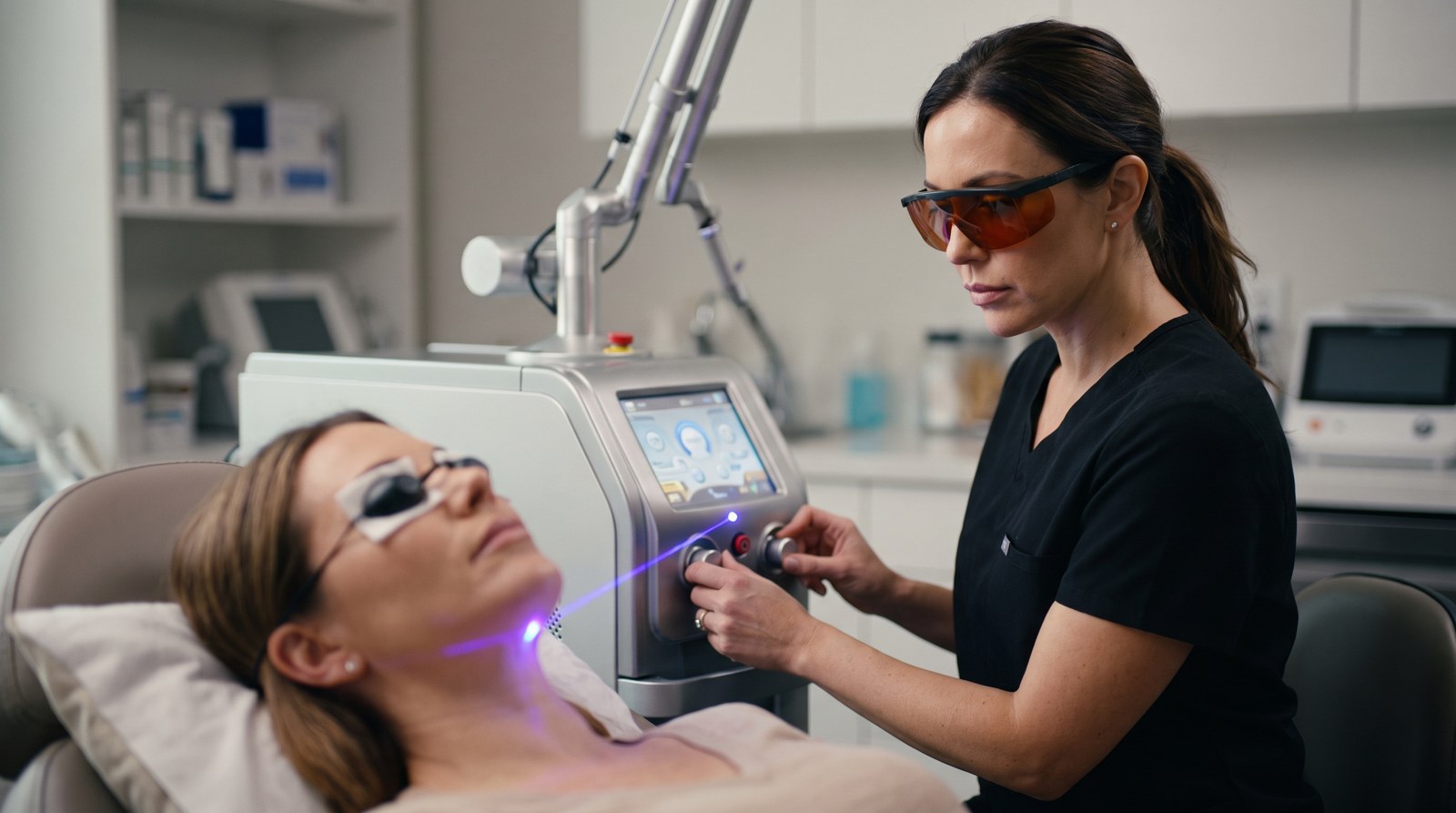
AVI Career Training’s Cosmetic Laser Technology program (NO FINANCIAL AID FOR THIS PROGRAM) is 120 hours of hands-on, instructor-led training designed to take you from laser novice to exam-ready professional.
Here’s what that looks like from the inside.
Laser Physics and Safety: Building the Foundation
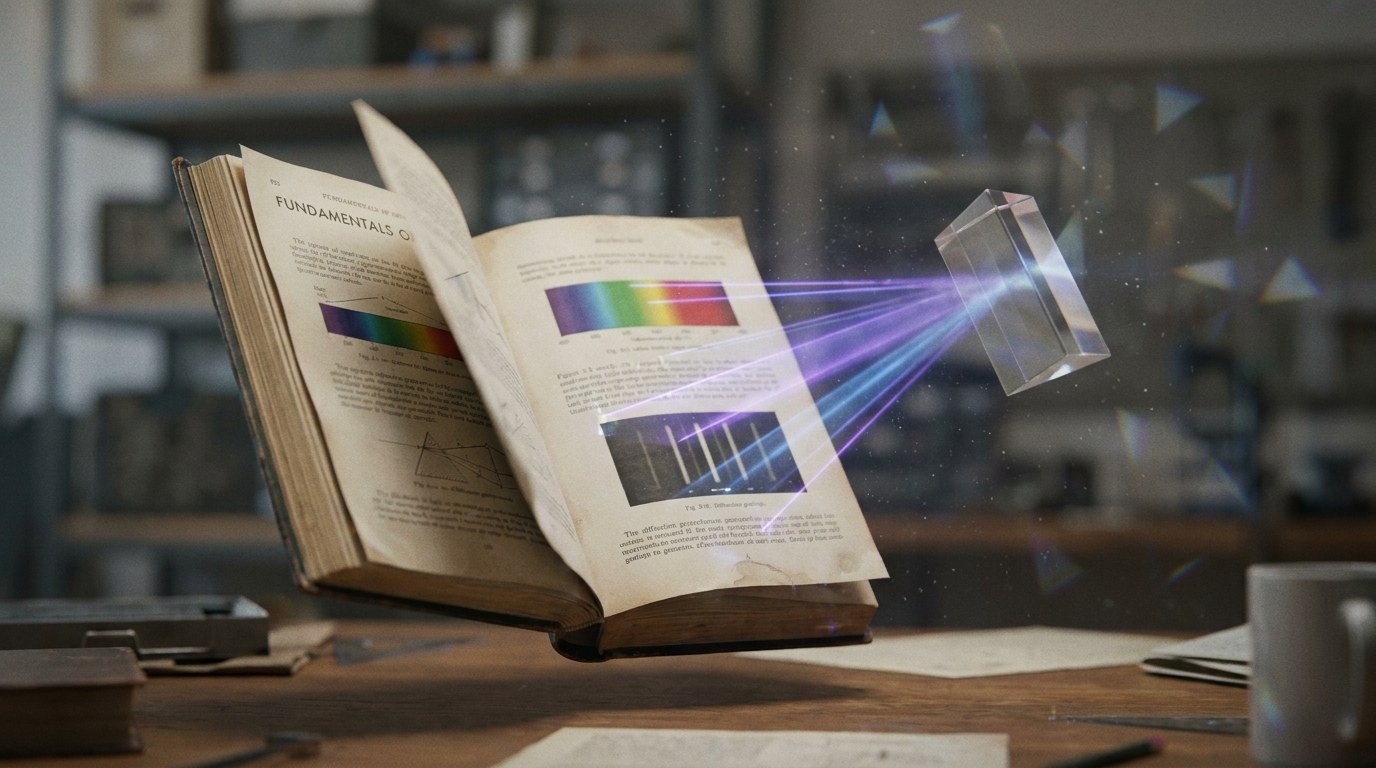
Before you ever point a device at a client, you understand why it works. AVI’s curriculum covers laser physics — how light energy interacts with tissue, what different wavelengths target, and why parameters matter for safety and results. This isn’t academic theory for its own sake. Understanding the science is what separates a technician who produces consistent results from one who guesses.
Safety protocols are woven throughout the program, not treated as a one-day module. You learn proper eyewear requirements, skin assessment procedures, contraindication screening, and emergency protocols. In a clinical setting, this knowledge isn’t optional — it’s your professional foundation.
Skin Anatomy and Treatment Techniques
You study skin anatomy in the context of laser and light-based treatments: how different skin structures absorb energy, how melanin concentration affects treatment planning, and how to customize protocols for individual clients.
Treatment technique training covers the modalities you’ll actually use in a professional setting — hair removal, skin rejuvenation, pigmentation correction, and other light-based aesthetic treatments. You practice on real people, not just mannequins, under the supervision of AVI’s licensed instructor professionals.
The 120-Hour Commitment in Perspective
Let that number land for a moment. 120 hours. A four-year bachelor’s degree requires roughly 4,800 to 6,000 classroom and study hours. Even a two-year associate’s degree runs 1,500-plus hours. AVI’s laser program is focused, specific, and designed to get you career-ready — not to fill time.
—
Training on Every Skin Tone — Why That Mattered to Me
AVI Career Training trains students to work beautifully on every skin tone. That’s not marketing language — it’s a curriculum commitment that shapes how the program is structured from day one.
In the DC metro and Northern Virginia market, your future clients will represent almost every ethnicity, ancestry, and Fitzpatrick skin type. A laser technician who only knows how to treat one end of the melanin spectrum is not a well-prepared laser technician. Melanin-rich skin responds differently to laser energy, requires different parameter settings, and carries different risk profiles for hyperpigmentation or hypopigmentation if undertreated or overtreated.
Consider James, a former Army logistics specialist who transitioned out of service at Fort Belvoir and was looking for a healthcare-adjacent career that didn’t require another four years of school. He enrolled in AVI’s laser program because he’d heard the school had a reputation for inclusive training — and because he was realistic about the clientele he’d serve in Northern Virginia.
“I wanted to be able to treat anyone who walked in the door,” he said. “Not just people who looked like the stock photos in a textbook.”
That inclusive training approach gave James — and every student in the program — something that generic laser courses often skip: real confidence treating real diversity. By the time graduates sit for their Virginia licensing exam, they’ve practiced on a range of skin tones and hair textures, not a narrow slice of them.
In a metro area as diverse as the DMV, that’s not a nice-to-have. It’s a professional necessity.
—
Sitting for the Virginia Licensing Exam: What to Expect
Completing your 120 hours is the milestone. Getting licensed is the goal.
In Virginia, laser and light-based aesthetic procedures are governed by the Virginia Department of Professional and Occupational Regulation (DPOR). The regulatory framework around laser technician licensure is specific — and it’s worth understanding before you enroll, not after.
Virginia requires that laser procedures be performed under physician oversight or specific credentialing, which means graduates typically work in clinical settings: med spas operating under medical director supervision, dermatology practices, and plastic surgery clinics. This isn’t a limitation — it’s a feature. It positions laser technicians in medically adjacent, professionally credible environments where compensation reflects the clinical nature of the work.
How AVI Prepares You for Licensure
AVI’s program is built with the DPOR requirements in mind. By the time you complete your 120 hours, you’ve covered the theoretical knowledge and hands-on skills the licensing pathway requires. AVI’s instructors — all licensed industry professionals — support students through the exam preparation process, helping you understand what to expect and how to prepare.
Current DPOR requirements are subject to change, and AVI’s admissions team will walk you through the specific pathway at the time of your enrollment. Don’t rely on a two-year-old Reddit thread for regulatory guidance. Get current information directly from AVI or from Virginia DPOR’s official website.
Timeline: From Last Class Day to Licensed
Most students complete AVI’s Cosmetic Laser Technology program and move through the licensing process in a matter of weeks, not months. The 120-hour commitment is structured to get you to the finish line efficiently, without dragging the process out longer than necessary.
The exact timeline depends on your schedule and how quickly you move through the post-program licensing steps — but you’re talking about a career-ready credential achievable in a fraction of the time most career changes require.
—
Life After Graduation: Where Laser Technicians Work and Earn in Northern Virginia
The Northern Virginia and DC metro job market for laser technicians is strong — and getting stronger.
Laser and light-based treatments are among the fastest-growing segments in medical aesthetics, according to annual data from the American Society for Aesthetic Plastic Surgery (ASAPS). Demand for non-invasive cosmetic procedures has risen steadily year over year, and laser-trained technicians are a core part of the workforce delivering that demand.
Where Graduates Work
In the Tysons Corner corridor, Alexandria, Arlington, and throughout the DC metro, AVI graduates find opportunities in:
The physician-oversight requirement that governs Virginia laser licensure means graduates work in legitimate, professionally structured clinical environments — not solo booths in strip-mall salons. That’s a meaningful distinction for both career longevity and earning potential.
What Laser Technicians Earn in the DC Metro Area
Precise salary figures vary by employer, experience level, and specific role. The closest Bureau of Labor Statistics proxy is the Skincare Specialists category (BLS Occupational Outlook), which reports median national wages — but laser-specialized roles in high-cost, high-demand markets like Northern Virginia and DC consistently command a meaningful premium above national median figures.
The honest framing: laser technicians in the DMV market earn competitive wages that reflect the clinical nature of the work and the specialized training required. Entry-level positions in med spas and clinical settings typically pay above general esthetics rates, and experienced laser techs with a strong client book can earn substantially more.
A Note on Financial Aid for This Program
AVI’s Cosmetic Laser Technology program is 120 hours, which places it below the 600-hour threshold required for federal financial aid eligibility (Title IV / FAFSA). Federal financial aid, including Pell Grants and federally subsidized loans, is NOT available for this program.
AVI offers payment plan options and can connect students with private financing resources. The GI Bill® may be applicable for qualifying veterans — contact AVI’s admissions team directly at (703) 943-9841 to discuss your specific situation.
The investment in a 120-hour credential is meaningfully smaller than a multi-semester degree program, and the return timeline is correspondingly shorter. Most graduates are working — and earning — within weeks of completing the program.
Apply to AVI’s Laser Program Today
—
Frequently Asked Questions About Laser Technician Training in Virginia
Q: How long does it take to become a licensed laser technician in Virginia?
A: AVI Career Training’s Cosmetic Laser Technology program is 120 hours. Most students complete the program and move through Virginia’s DPOR licensing process within a few weeks of their last class day. The full timeline from enrollment to licensed professional is significantly shorter than most healthcare or beauty credentials.
Q: What do you learn in a cosmetic laser technology program?
A: AVI’s program covers laser physics, how light energy interacts with skin tissue, skin anatomy, contraindication screening, safety protocols, and hands-on treatment technique for procedures including hair removal, skin rejuvenation, and pigmentation correction. Students practice on clients with a range of skin tones under licensed instructor supervision.
Q: Is laser technician a good career in Northern Virginia?
A: Yes. The DC metro and Northern Virginia market has a high concentration of med spas, dermatology clinics, and plastic surgery practices that employ laser technicians. Laser and light-based treatments are among the fastest-growing segments in medical aesthetics nationally, and the demand for trained technicians in the DMV reflects that trend.
Q: Do I need a cosmetology or esthetics license before laser training?
A: Virginia’s DPOR requirements govern this, and they can change. AVI Career Training advises prospective students on current prerequisites during the admissions process. The best step is to contact AVI directly at (703) 943-9841 for guidance specific to your background and the current regulatory requirements.
Q: How much does a laser technician make in the DC metro area?
A: Wages vary by employer, role, and experience. The Bureau of Labor Statistics tracks skincare specialists as the closest national proxy category. In the DC/Northern Virginia metro, laser-specialized roles consistently earn above national median rates for general esthetics, reflecting the clinical nature of the work and the demand for trained professionals in this market.
Q: Is financial aid available for AVI’s Cosmetic Laser Technology program?
A: Federal financial aid (Title IV / FAFSA, Pell Grants) is NOT available for this program because it is 120 hours — below the 600-hour federal eligibility threshold. AVI offers payment plans and can connect students with private financing options. Veterans should contact AVI to discuss GI Bill® eligibility for this specific program.
Q: Where do AVI laser program graduates work?
A: Graduates work in med spas, dermatology clinics, plastic surgery practices, and integrative wellness centers throughout the DC metro area. Virginia’s physician-oversight framework means laser technicians work in professionally structured clinical environments — a factor that supports both career stability and competitive compensation.
Q: Is AVI Career Training accredited?
A: Yes. AVI Career Training is accredited by the Council on Occupational Education (COE) and certified by the State Council of Higher Education for Virginia (SCHEV). These credentials matter when evaluating any career training school — they signal program quality and regulatory compliance.
—
Ready to Start Your Laser Technician Journey?
Laser technician training in Virginia is more accessible than most people realize — and the career it leads to is more rewarding than a lot of alternatives that take far longer to reach.
AVI Career Training’s Cosmetic Laser Technology program gives you 120 hours of focused, hands-on training at a COE-accredited school in Vienna, Virginia, built around inclusive techniques that prepare you for the real, diverse clientele of the DC metro market.
The doubt you feel right now? It’s normal. Every student who has walked into AVI felt some version of it. The ones who pushed past it are now licensed, working, and building careers they didn’t think were possible when they first started Googling.
Your next step is simple: reach out, ask your questions, and let AVI’s admissions team give you the real answers.
Apply Now at AVI Career Training
Or call us directly at (703) 943-9841 — we’re happy to talk through the program, the licensing pathway, and your specific situation before you commit to anything.
—
About AVI Career Training
AVI Career Training is a COE-accredited, SCHEV-certified beauty and wellness career school located in Vienna, Virginia, serving the greater DC metro and Northern Virginia area.
AVI Career Training is committed to inclusive beauty education — training students to work beautifully on every skin tone.