Laser Technician Training in Virginia: Your Complete Guide
Becoming a laser technician in Virginia requires completing a state-recognized cosmetic laser technology program and meeting Virginia Board of Cosmetology and Barbers requirements — and AVI Career Training’s Cosmetic Laser Technology program (NO FINANCIAL AID FOR THIS PROGRAM) in Vienna, Virginia is built precisely for that pathway.
Explore the Cosmetic Laser Technology Program →
Laser aesthetics is one of the fastest-growing corners of the beauty and wellness industry. Medical spas and aesthetic clinics are opening across the Northern Virginia and DC metro area at a steady pace — and they all need qualified, licensed laser technicians who can perform treatments safely on every client who walks through the door. If you’ve been researching this career, you’re asking the right question at the right time.
This guide walks you through everything: what the job actually looks like, what Virginia requires for licensure, what you’ll study in a quality cosmetic laser technology program, and what you can realistically earn in the Fairfax County market. By the end, you’ll know exactly what your next step is.
Key Takeaways
- AVI Career Training’s Cosmetic Laser Technology program is 120 hours of hands-on training in Vienna, VA
- Virginia laser technology practitioners are regulated by the Virginia Board of Cosmetology and Barbers under the Department of Professional and Occupational Regulation (DPOR)
- Laser technicians in the DC metro area typically earn above the national median for skincare specialists due to high-income clientele concentration in Fairfax County
- AVI is COE-accredited and SCHEV-certified — two credentials that matter when choosing a school
- No federal financial aid is available for this program (under 600 hours); payment plans are available
—
What Does a Laser Technician Actually Do?
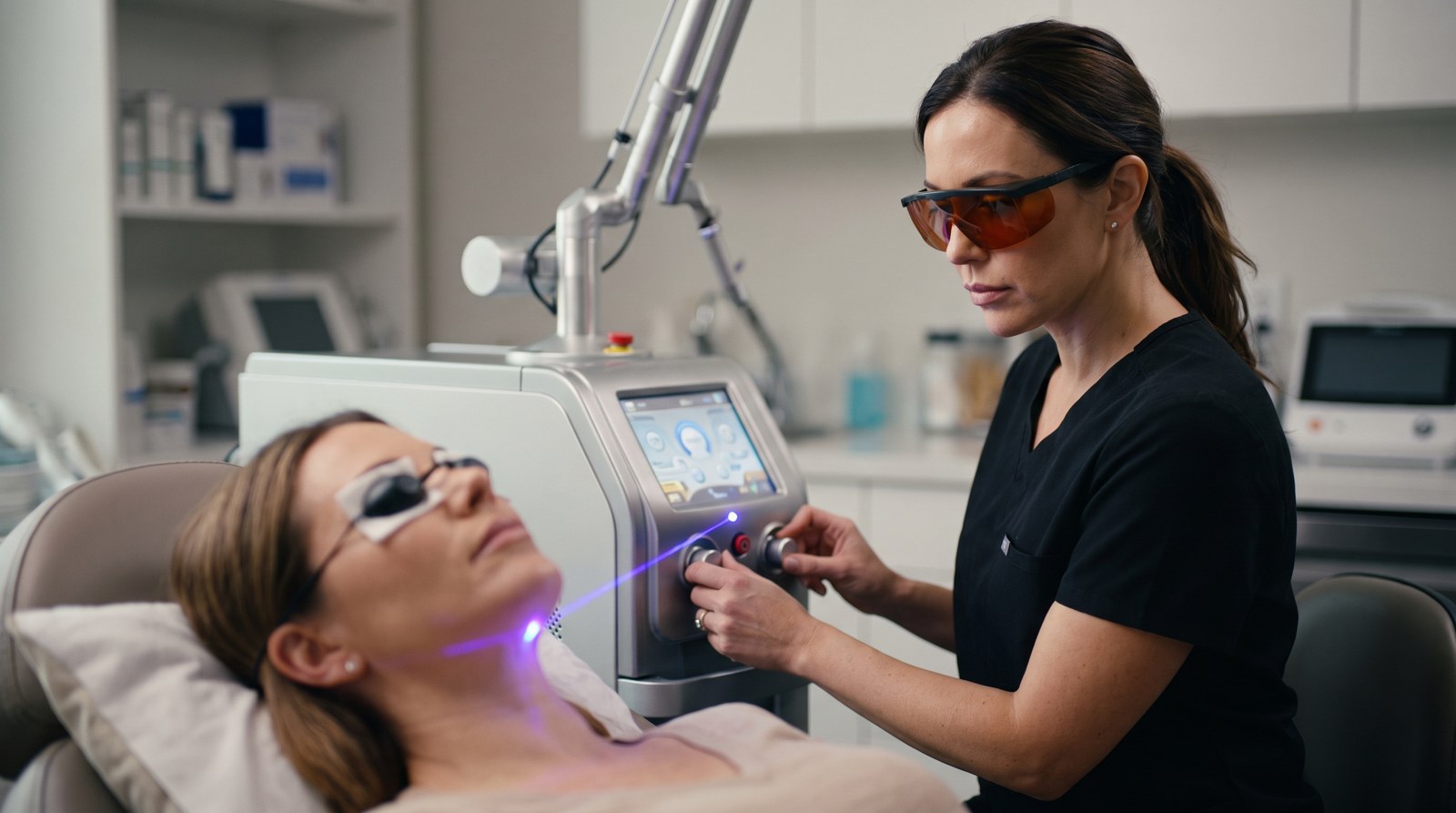
A laser technician — sometimes called a laser esthetician or cosmetic laser practitioner — performs non-surgical, light-based aesthetic treatments on clients in clinical and spa settings.
The core services include laser hair removal, skin rejuvenation, pigmentation correction, and treatments targeting acne scarring, sun damage, and fine lines. Depending on the practice setting, a laser technician may also assist with more advanced energy-based devices under physician supervision. Every treatment requires precise assessment of the client’s skin type, health history, and treatment goals before a single pulse is fired.
Where do laser technicians work? In Northern Virginia, the job market spans several employer categories:
The Tysons Corner corridor — stretching through McLean, Vienna, and into Fairfax County — is dense with exactly these types of practices. That geographic concentration matters when you’re building a career and looking for stable, well-compensated employment without a long commute.
The demand driving this growth isn’t a passing trend. Minimally invasive cosmetic procedures have seen consistent year-over-year increases since the mid-2010s, and that growth accelerated post-pandemic as clients prioritized appearance-related wellness services. According to market research tracked by firms like Grand View Research, the global laser aesthetics market continues to expand, with the United States representing one of the largest segments. For someone entering this field in the DMV area today, the timing is strong.
—
Virginia Licensing Requirements for Laser Technicians
Virginia requires laser technology practitioners to meet specific regulatory standards before performing treatments on clients — and the Virginia Department of Professional and Occupational Regulation (DPOR) through the Board of Cosmetology and Barbers governs this licensure pathway.
Here’s the direct answer to one of the most common questions prospective students ask: Yes, Virginia does require a license to perform laser hair removal and other cosmetic laser treatments. This is not a gray area, and it’s not left to individual employers to decide. Operating without the appropriate authorization puts both the practitioner and the client at risk — legally and physically.
The Role of the Virginia Board of Cosmetology and Barbers
The Board establishes the educational and examination requirements for laser technology practitioners in Virginia. The pathway to licensure runs through a state-recognized training program — which is why choosing the right school is the single most consequential decision you’ll make when entering this field.
Does Your Esthetics License Cover Laser Treatments?
This is a genuinely important question, and the answer is nuanced. Having a Virginia esthetics license alone does not automatically authorize you to perform laser treatments. Laser technology is a distinct practice area that requires separate, specialized training and certification. An esthetician who wants to add laser services must complete a recognized cosmetic laser technology program — the same pathway open to anyone entering the field.
This means that whether you’re a working esthetician expanding your services or someone brand new to the industry, the educational requirement is the same: complete a qualifying program.
What “State-Recognized Program” Means in Practice
A state-recognized or state-approved cosmetic laser technology program must meet the educational benchmarks set by the Board. AVI Career Training’s Cosmetic Laser Technology program (NO FINANCIAL AID FOR THIS PROGRAM) is designed to meet Virginia’s requirements — but we always encourage students to verify current Virginia Code requirements at the time of enrollment directly through the Virginia DPOR website, since regulations can be updated.
Transparency matters here. We’re not going to make promises about a regulatory landscape that exists independently of any school. What we can tell you is that AVI’s curriculum is built to the standard, our instructors are licensed professionals, and our accreditation through the Council on Occupational Education (COE) and SCHEV certification are the accountability mechanisms that keep that standard in place.
—
What You’ll Learn in a Cosmetic Laser Technology Program
AVI Career Training’s Cosmetic Laser Technology program (NO FINANCIAL AID FOR THIS PROGRAM) covers 120 hours of structured, hands-on training designed to prepare you for both the Virginia licensing exam and real clinical practice.
Here’s what that training actually looks like:
Laser Physics and Safety
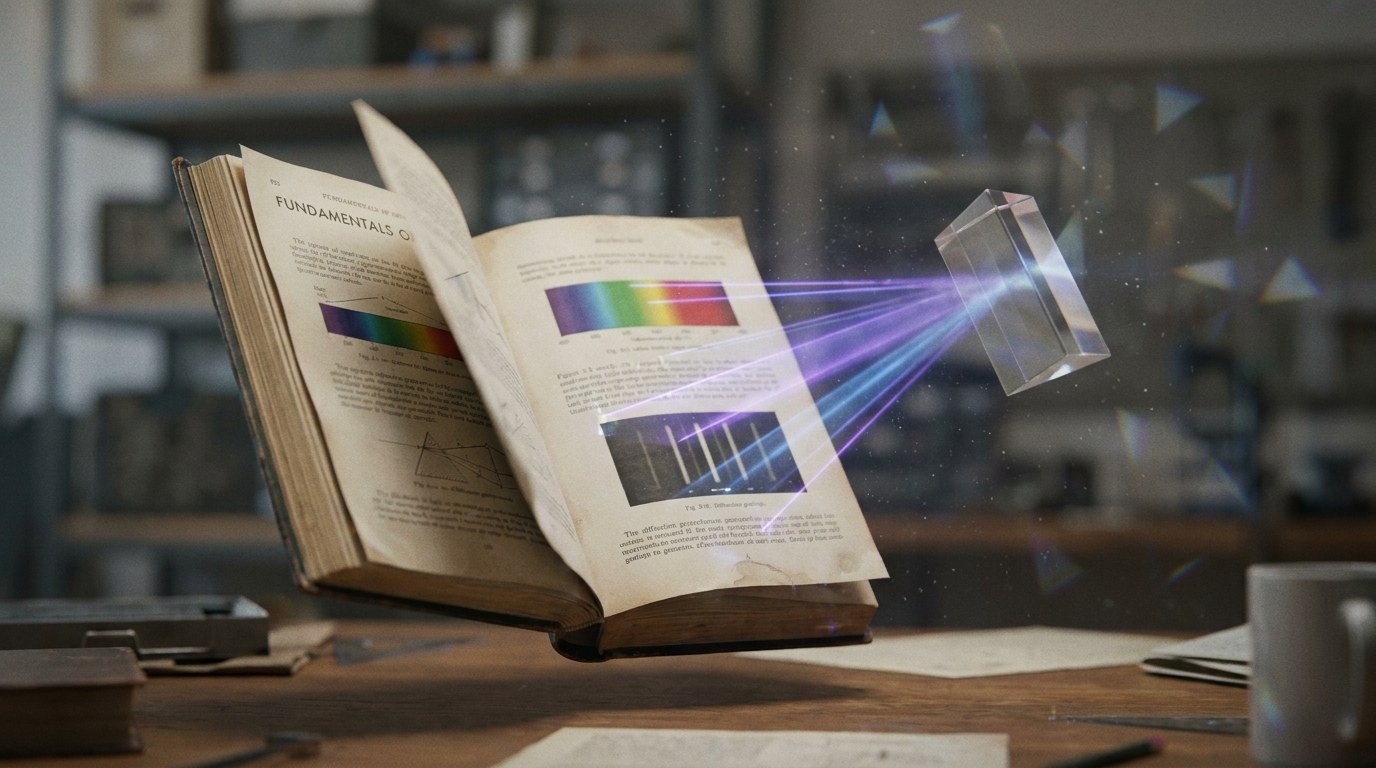
Before you touch a device, you need to understand how it works. Laser physics covers the science of light amplification, wavelength selection, and tissue interaction — the foundational knowledge that separates a competent technician from someone who can only follow a script. Safety protocols, eye protection standards, and equipment maintenance are non-negotiable components of every reputable program.
Fitzpatrick Skin Typing and Inclusive Treatment Protocols
This is where AVI’s training goes beyond the minimum — and where the clinical stakes are highest. The Fitzpatrick Scale (Types I through VI) classifies skin by its response to UV exposure and its melanin content. For laser technicians, this classification is foundational: different skin types absorb laser energy differently, and an incorrect parameter selection on a melanin-rich skin tone can cause burns, hyperpigmentation, or scarring.
Training on diverse skin tones isn’t optional. It isn’t a marketing talking point. It is a clinical safety requirement — and a real-world necessity given the client demographics of Northern Virginia and the DC metro area.
AVI’s curriculum explicitly addresses treatment protocols across the full Fitzpatrick spectrum, which means you graduate prepared to serve every client who comes through the door, not just a subset of them.
Contraindications and Client Assessment
A significant portion of your training covers what not to do — and when not to treat. Contraindication assessment covers medical conditions, medications, and skin presentations that require treatment modification or referral. This protects clients and protects you professionally.
Hands-On Clinical Practice
The 120-hour program is structured to include direct, supervised hands-on practice — not just classroom observation. You’ll work with industry-standard devices and apply treatment protocols in a controlled learning environment before ever treating paying clients independently.
A student story worth sharing: Imagine a career changer — a former healthcare administrative professional in her mid-30s, already comfortable in clinical environments, who walked into AVI’s program with zero esthetics background. By the end of her 120 hours, she had performed supervised laser treatments across multiple skin types, passed her licensing exam, and accepted a position at a Tysons-area medical spa within six weeks of graduating. Her healthcare background made her a strong candidate — her training at AVI made her a qualified one.
Explore the Cosmetic Laser Technology Program →
—
Career Outlook and Earning Potential in Northern Virginia
Laser technicians in the DC metro area earn above the national median for skincare specialists — and the gap is meaningful, not marginal.
The U.S. Bureau of Labor Statistics classifies laser technicians under Skincare Specialists (SOC 39-5094) and tracks national wage data for this occupation. The BLS projects continued growth in this category as demand for non-surgical aesthetic treatments rises. You can review the current BLS data for skincare specialists directly.
Why Northern Virginia Commands Higher Wages
Compensation in any service profession correlates with the income level of the surrounding client base — and Fairfax County is consistently ranked among the wealthiest counties in the United States. The corridor from Tysons Corner through McLean and into the broader DC suburbs is home to a large, well-compensated professional population that actively invests in aesthetic services.
That market dynamic translates directly into laser technician compensation. Medical spas in the Tysons area and surrounding communities typically pay above national averages for experienced technicians — and many positions include commission or performance-based pay structures on top of a base salary.
Multiple Employer Categories Means More Options
One underappreciated aspect of this career is the variety of settings available to you. A laser technician in Northern Virginia can work in:
Each setting offers a different culture, pace, and compensation model. Some technicians prefer the clinical intensity of a dermatology office. Others thrive in the hospitality-forward environment of a luxury medical spa. The point is: your 120 hours of training opens multiple doors, not just one.
Another perspective: Consider a recent cosmetology graduate from the Vienna area who added the Cosmetic Laser Technology certification to her existing license. Within her first year, she was working part-time at a medical spa while building her own client roster. The additional certification didn’t just expand her skill set — it increased her hourly rate and gave her a specialty that distinguished her from every other service provider on the floor.
—
How to Choose the Right Laser Technician School in Northern Virginia
Not all cosmetic laser technician schools are created equal — and in a field where technique directly affects client safety, your training environment matters as much as your natural talent.
Here’s a practical framework for evaluating programs:
Accreditation: What COE and SCHEV Actually Mean
Two credentials signal that a school meets verifiable educational standards:
COE (Council on Occupational Education) accreditation means the school has passed an independent review of its curriculum, faculty qualifications, facilities, and student outcomes. It’s the benchmark for career and technical education programs — not a marketing badge, but an earned status.
SCHEV (State Council of Higher Education for Virginia) certification is the Virginia state-level approval that authorizes a school to operate and award credentials in the Commonwealth.
AVI Career Training holds both. That matters when you’re investing time and money in a program that leads to a state licensing exam.
Inclusive Training Standards
Ask any school you’re considering: does your curriculum explicitly address laser protocols for skin types IV through VI on the Fitzpatrick Scale? If they hesitate or give a vague answer, that’s a serious red flag. In the Northern Virginia and DC market, a laser technician who can only confidently treat lighter skin tones is professionally limited — and a potential safety liability.
AVI’s training is built around the full Fitzpatrick spectrum from day one. That’s not a differentiator we invented for marketing purposes. It’s the clinical reality of serving a diverse metropolitan area.
Instructor Credentials
Your instructors should be licensed professionals with real-world clinical experience — not just academic credentials. At AVI, instruction is delivered by licensed practitioners who have worked in the industry they’re teaching you to enter.
Financial Aid and Payment Options
This requires complete transparency: AVI’s Cosmetic Laser Technology program (NO FINANCIAL AID FOR THIS PROGRAM) does not qualify for federal financial aid (Title IV / FAFSA) because it is under 600 hours. This is a regulatory fact that applies to all sub-600-hour programs, not something specific to AVI.
What AVI does offer is payment plan options and private financing pathways to make the program accessible. If financing your training is a priority, contact AVI’s admissions team directly to discuss what options fit your situation.
For veterans: AVI accepts the GI Bill®. If you’re a service member or veteran exploring this career path, call (703) 943-9841 to confirm current benefit eligibility for this specific program.
Location and Access
AVI Career Training is located at 1595 Spring Hill Rd #720, Vienna, VA 22182 — easily accessible from Tysons Corner, McLean, Reston, Herndon, Fairfax, and surrounding Northern Virginia communities. If you’ve been searching “laser esthetician training near me” in the DC metro area, AVI’s Vienna campus puts quality training close to where you live and where you’ll work.
Apply to AVI’s Laser Technology Program Today →
—
Frequently Asked Questions
Q: How do I become a laser technician in Virginia?
A: To become a laser technician in Virginia, you must complete a state-recognized cosmetic laser technology program and meet the licensure requirements set by the Virginia Board of Cosmetology and Barbers under DPOR. AVI Career Training’s 120-hour Cosmetic Laser Technology program in Vienna, VA is designed to fulfill this educational requirement. Always verify current Virginia Code requirements at the time of enrollment through the Virginia DPOR website.
Q: How many hours do you need to become a laser technician in Virginia?
A: Virginia requires completion of a recognized cosmetic laser technology program. AVI Career Training’s program is 120 hours. Students should confirm the current hour requirement with the Virginia Board of Cosmetology and Barbers at the time of enrollment, as requirements can change.
Q: Does Virginia require a license to perform laser hair removal?
A: Yes. Virginia requires practitioners to meet regulatory standards governed by the Board of Cosmetology and Barbers before performing cosmetic laser treatments including laser hair removal. Completing an approved training program is the required pathway to licensure.
Q: How much does a laser technician make in Northern Virginia or the DC metro area?
A: Laser technicians in the DC metro and Northern Virginia area typically earn above the national median for skincare specialists (BLS SOC 39-5094), driven by the high concentration of medical spas, dermatology practices, and high-income clientele in Fairfax County. Many positions also include commission or performance-based pay on top of a base salary.
Q: Can estheticians do laser treatments in Virginia?
A: A Virginia esthetics license alone does not authorize laser treatments. Estheticians who want to perform laser services must complete a separate, recognized cosmetic laser technology program — the same requirement for anyone entering the field. AVI offers this training at its Vienna, VA campus.
Q: Is financial aid available for AVI’s Laser Technology program?
A: Federal financial aid (Title IV / FAFSA) is NOT available for this program because it is under 600 hours. AVI offers payment plan options and private financing alternatives. Veterans may be eligible to use GI Bill® benefits — contact AVI at (703) 943-9841 to confirm current benefit eligibility for this program.
Q: Where is AVI Career Training’s Laser Technology program located?
A: AVI Career Training is located at 1595 Spring Hill Rd #720, Vienna, VA 22182 — in the Tysons Corner area of Northern Virginia, accessible from Fairfax, McLean, Reston, Herndon, and the broader DC metro area.
Q: Does AVI’s program cover laser treatments for darker skin tones?
A: Yes. AVI’s curriculum explicitly addresses laser protocols across the full Fitzpatrick Scale (Types I through VI), including melanin-rich skin tones. Inclusive training is both a clinical safety requirement and a core part of what AVI teaches — preparing graduates to serve every client in Northern Virginia’s diverse market.
—
Ready to Start Your Laser Technology Career?
AVI Career Training’s 120-hour Cosmetic Laser Technology program in Vienna, VA is open now. COE-accredited. Virginia-recognized.