A Day in the Life of a Laser Technician Student
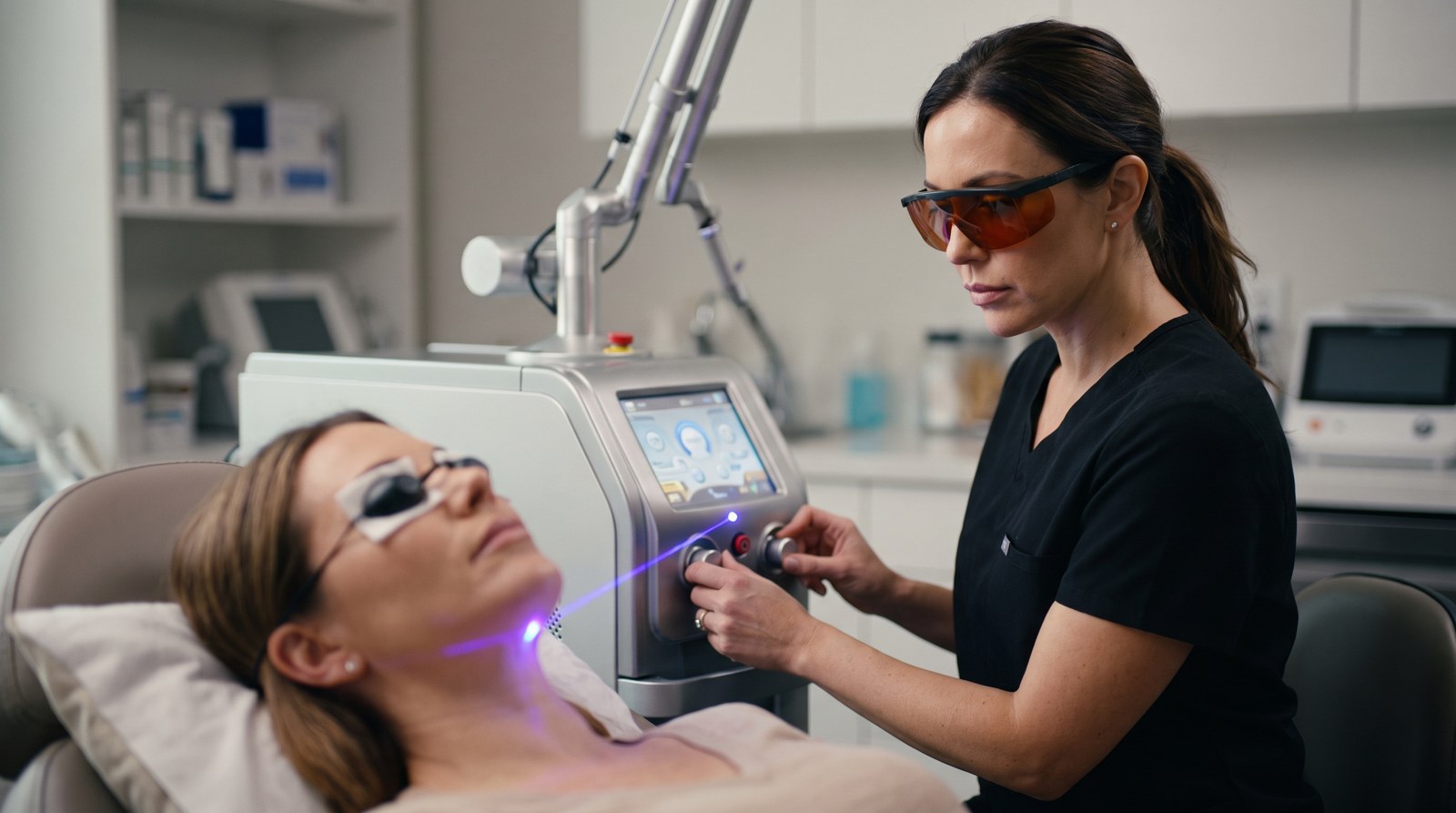
At AVI Career Training, a laser technician student’s day begins exactly the way a professional’s shift does — with a client consultation, a safety check, and hands on real equipment before the morning is over. That’s the design. From the first week of AVI’s 120-hour Cosmetic Laser Technician program (NO FINANCIAL AID FOR THIS PROGRAM), you’re not watching someone else work — you’re doing the work, with licensed instructors beside you every step of the way.
If you’ve been researching cosmetic laser technician training in Virginia and trying to picture what this career actually feels like before you commit, this is that article. We’re walking you through a realistic training day — hour by hour — so you can decide whether this path fits your life, your goals, and your timeline.
Key Takeaways
- AVI’s Cosmetic Laser Technician program is 120 hours of combined classroom and clinical training
- Students practice on real laser and light-based devices under licensed instructor supervision from day one
- The curriculum covers Fitzpatrick Skin Types I–VI, training you to treat every skin tone safely and effectively
- Graduates typically work in med spas, dermatology clinics, and laser centers across the Northern Virginia and DC metro area
- Entry-level laser technician roles in the DMV area start around $40,000/year, with experienced techs earning $65,000+ including commission
- Federal financial aid (FAFSA/Title IV) is NOT available for this program — payment plans and private financing options are available
Apply to AVI’s Laser Technician Program →
—
What Is AVI’s Cosmetic Laser Technician Program?
AVI Career Training’s Cosmetic Laser Technician program in Vienna, Virginia is a 120-hour, hands-on certificate program that trains students to safely operate laser and light-based devices used in professional aesthetic settings. The program is offered at AVI’s campus at 1595 Spring Hill Rd #720, Vienna, VA 22182 — serving students from Tysons Corner, Fairfax County, Arlington, and across the broader DMV area.
AVI is accredited by the Council on Occupational Education (COE) and certified by the Virginia Department of Professional and Occupational Regulation (DPOR) through SCHEV. That accreditation matters — it signals that AVI’s curriculum, instructors, and facilities meet rigorous national standards, not just a minimum baseline.
One important note about Virginia: the state does not issue a standalone “laser technician” state board license the way it does for cosmetology or esthetics. Graduates earn a certificate and qualify for employment under medical director supervision — which is the standard operating model at Virginia med spas, dermatology clinics, and laser centers. Your certificate, combined with your 120 hours of documented clinical training, is what employers ask to see.
—
Morning: Orientation, Safety Protocols, and Getting into the Mindset
Every laser training day at AVI begins with the same non-negotiable foundation: safety. Before any device powers on, students complete pre-treatment client consultations and contraindication screening — the same intake process used in professional clinical settings.
The Pre-Treatment Consultation
Your morning starts by reviewing your assigned client’s intake form. You’re checking for contraindications — medications that increase photosensitivity, recent sun exposure, active infections, pregnancy, and any history of keloid scarring. This isn’t paperwork for its own sake. Missing a contraindication can cause real harm to a real person, and AVI trains you to treat this step with clinical seriousness from day one.
Next, you assess skin type using the Fitzpatrick Scale (Types I–VI) — the universal clinical framework for categorizing how skin responds to UV and laser energy. A Type I patient (very fair, always burns) requires completely different device settings than a Type V or VI patient (deep brown or black skin tones). Getting this wrong isn’t just a technique error — it’s a safety failure. That’s why AVI builds inclusive skin-type training into every session, not as an afterthought.
Safety Protocols Before Every Session
Before entering the treatment room, every student and client puts on wavelength-appropriate eye protection. Students verify the device’s settings, confirm the room is prepared, and review the treatment plan with their supervising instructor. This ritual — repeated every single training day — builds the muscle memory that makes great laser technicians trustworthy professionals. By the time you graduate, safety isn’t something you think about. It’s something you do.
—
Hands-On Training: What You’re Actually Doing on Real Equipment
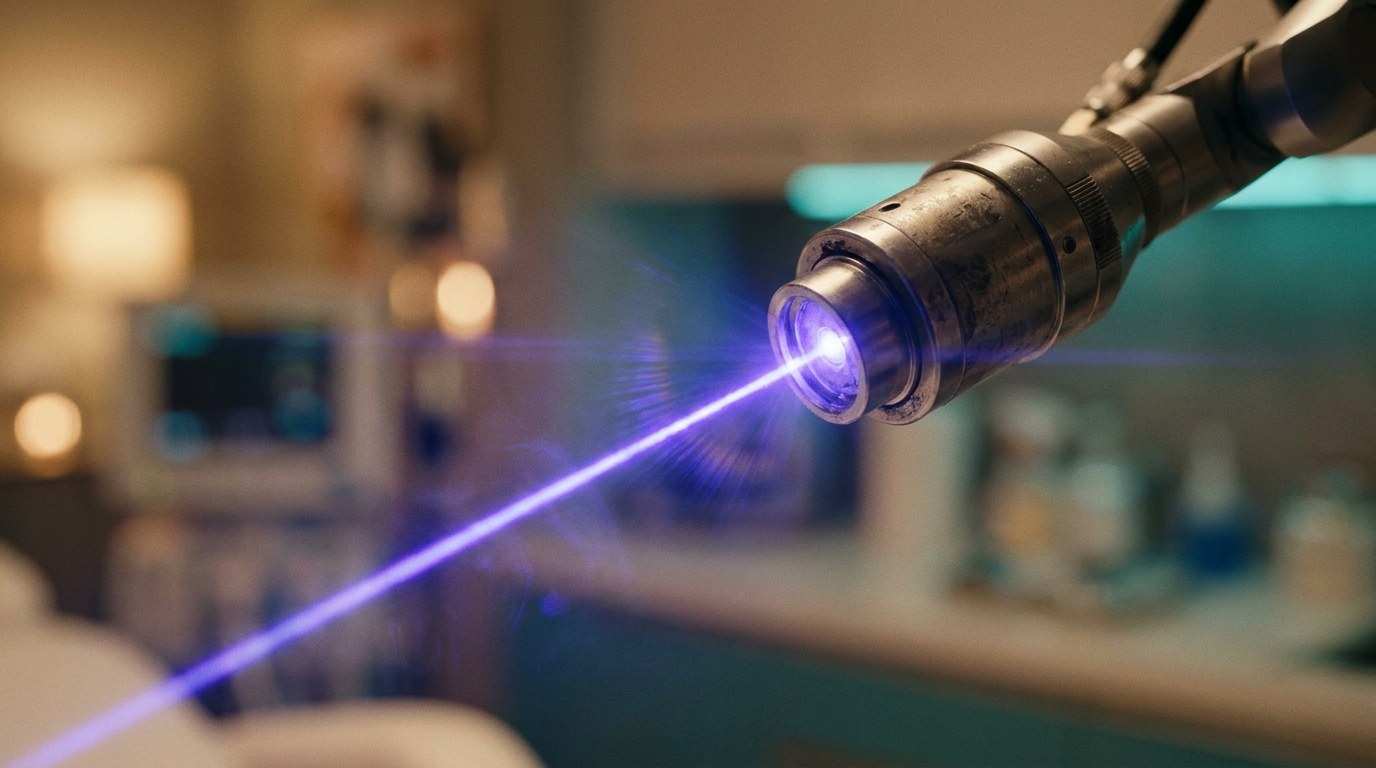
The core of every laser technician school day in the life at AVI is supervised clinical practice — and that practice happens on professional-grade laser and light-based devices, not simulation tools or demonstration videos.
Treatments You Practice
Students in AVI’s laser esthetics school in Northern Virginia work across a range of treatment modalities during their 120 hours. A typical hands-on session might include:
- Laser hair reduction — adjusting fluence, pulse duration, and spot size based on Fitzpatrick type and hair density
- Skin rejuvenation treatments — targeting fine lines, texture irregularities, and overall skin tone
- Pigmentation and vascular treatments — addressing sun damage, age spots, and superficial vascular concerns
Each treatment type requires different wavelength selection, and understanding why one wavelength outperforms another for a given condition is exactly what separates a trained technician from someone who just pushes buttons.
Inclusive Technique Training Across All Fitzpatrick Types
Here’s where AVI differs from generic programs: the curriculum intentionally includes practice on clients representing the full Fitzpatrick Scale — Types I through VI. Laser parameters that work beautifully on Type II skin can cause post-inflammatory hyperpigmentation or burns on Type IV, V, or VI skin if applied incorrectly. AVI’s laser technology program hands-on training is built to make you safe and skilled with every client who walks through your door — not just a narrow demographic.
This matters for your career in the DMV area, where your future clients will reflect the full diversity of Northern Virginia’s population. Employers at area med spas notice when a candidate can articulate safe treatment protocols for all skin types. That’s a hiring differentiator.
> Mini-Story #1: Priya enrolled in AVI’s Cosmetic Laser Technician program after spending six years as a licensed esthetician in Fairfax County. She’d been asked about laser services by clients constantly but had no formal training. On her third day in the program, she completed her first supervised laser hair reduction session on a Type V client — adjusting settings she’d only read about the day before. “I thought I’d spend weeks watching,” she said. “Instead, I was doing it. That was the moment I knew this was real training.”
—
Classroom to Clinic: The Theory Behind Every Treatment
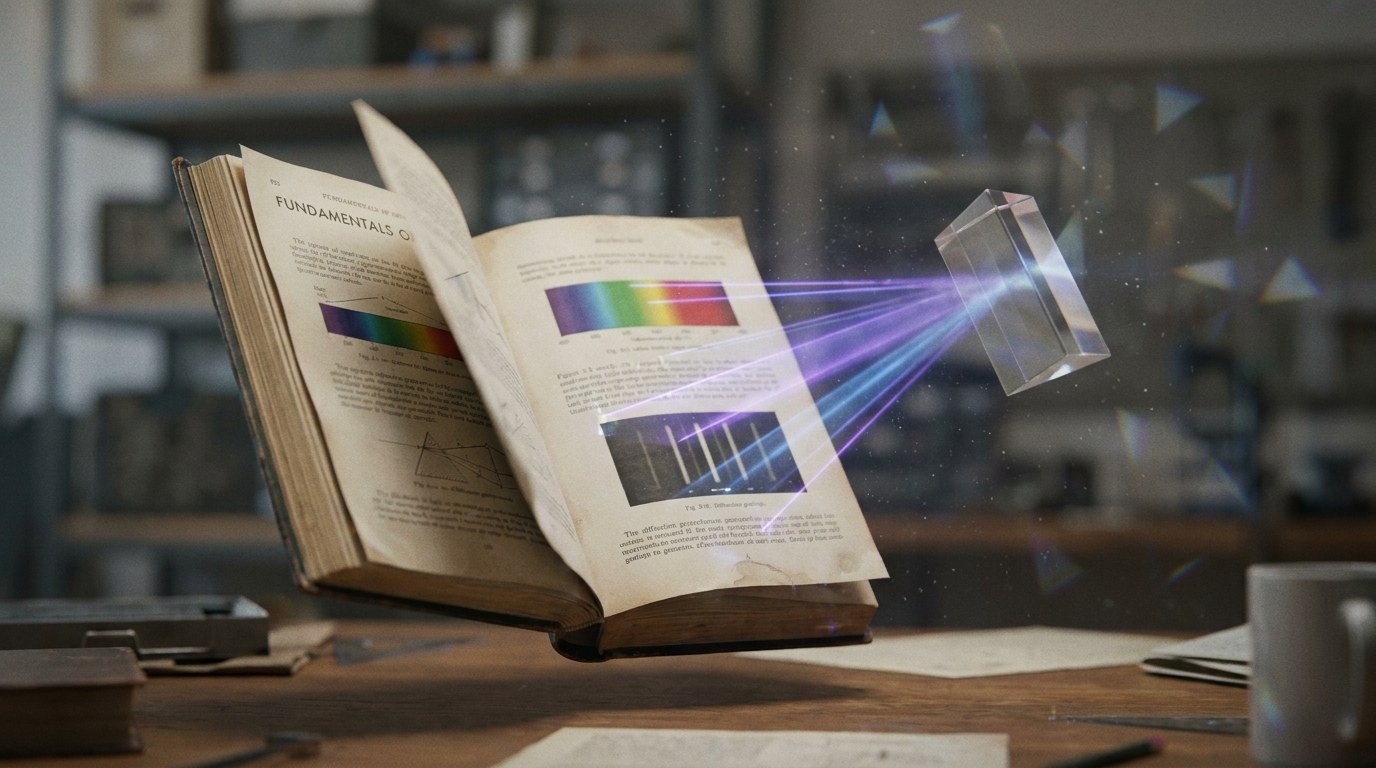
Laser technology program hands-on training is only as strong as the science behind it. AVI’s curriculum integrates theory sessions directly alongside clinical practice — so you understand what’s happening at the tissue level, not just what the device settings say.
What the Classroom Sessions Cover
Theory instruction at AVI addresses the following core topics:
- Laser physics — how laser energy is generated, amplified, and delivered
- Selective photothermolysis — the principle that allows lasers to target specific chromophores (melanin, oxyhemoglobin, water) without damaging surrounding tissue
- Wavelength selection — why 755nm, 810nm, 1064nm, and IPL each serve different purposes and client profiles
- Tissue interaction — absorption, reflection, scattering, and transmission in different skin structures
- Contraindications — a detailed review of medications, conditions, and lifestyle factors that affect treatment safety
Why Theory Makes You Hirable
Anyone can learn to fire a laser device. Employers — especially medical directors at Virginia med spas and dermatology clinics — want technicians who can explain what they’re doing and adapt when a case is more complex than expected. The theory component of AVI’s curriculum is what gives you that credibility. When a supervising physician asks why you chose a specific pulse width for a particular client, you’ll have the answer.
—
Afternoon Check-In: Feedback, Adjustments, and Building Confidence
The afternoon portion of a laser technician school day in the life at AVI is where the real professional shaping happens. Every clinical session closes with a structured instructor debrief — not a grade, but a conversation.
The Instructor Feedback Loop
AVI’s instructors are licensed professionals with real clinical backgrounds. After each supervised treatment, they review your technique in specific terms: your approach to the consultation, your device setup, your hand movement and overlap during treatment, and how you monitored the client’s response in real time. Feedback is direct, specific, and actionable — the kind that translates immediately into better technique the next session.
This is the instructional model that COE accreditation validates. The Council on Occupational Education (COE) holds its member schools to standards for faculty qualifications, program outcomes, and instructional quality. When AVI’s instructors give you feedback, it’s backed by a framework that employers recognize.
Building Clinical Confidence Over 120 Hours
Confidence doesn’t come from watching. It comes from doing — and getting honest feedback after you do it. By the time you’ve completed AVI’s 120-hour program, you’ve logged real clinical hours on real clients across multiple treatment types and multiple skin tones. That portfolio of experience is what walks into a job interview with you.
> Mini-Story #2: Marcus was a Navy veteran living in Arlington who wanted to transition out of military contracting into a healthcare-adjacent career. He found AVI’s laser program while researching options in Northern Virginia. After completing the 120-hour Cosmetic Laser Technician program, he was hired at a med spa in the Tysons Corner area within six weeks of finishing. “The afternoon feedback sessions were tough sometimes,” he said. “But that’s what made me ready. My boss told me I came in more prepared than anyone she’d hired in two years.”
—
What Comes After 120 Hours — Careers, Credentials, and Next Steps
Completing AVI’s Cosmetic Laser Technician program earns you a certificate and qualifies you for employment in medical aesthetic settings under physician or medical director supervision — which is the standard structure at virtually every Virginia med spa, laser center, and dermatology practice.
Where AVI Laser Graduates Work
The Northern Virginia and DC metro market is one of the strongest in the country for aesthetic services. Graduates of AVI’s beauty school Vienna VA laser program have gone on to work at:
- Med spas in Tysons Corner, McLean, Arlington, and Reston
- Dermatology clinics across Fairfax County
- Standalone laser and skin rejuvenation centers in the DC metro corridor
- Medical aesthetics practices that combine laser services with injectables and skincare
What You Can Expect to Earn
Entry-level laser technician roles in the DMV area typically start around $40,000 per year. Experienced technicians working in high-volume med spa environments can earn $65,000 or more annually, particularly in practices that offer commission structures on top of base pay. Compensation varies by employer, years of experience, and the range of services you’re certified to perform. We recommend verifying current salary data through the Bureau of Labor Statistics skincare specialists overview for the most current figures.
Virginia Licensing — What You Need to Know
Virginia does not issue a standalone state board license for laser technicians through the Virginia Department of Professional and Occupational Regulation (DPOR) in the same structure as cosmetology or esthetics. Your 120-hour certificate from a COE-accredited program like AVI’s is the credential employers look for. Employment is then structured under the oversight of a supervising physician or medical director — standard practice across Virginia’s medical aesthetics industry.
Tuition and Payment Options
Federal financial aid (Title IV / FAFSA) is not available for the Cosmetic Laser Technician program because it is under 600 hours. AVI offers payment plan options and private financing to help make the program accessible. Contact AVI’s admissions team directly to discuss tuition details and payment structures that fit your situation.
Note: The GI Bill® is a separate benefit — if you’re a veteran, reach out to AVI to confirm current GI Bill® eligibility for this specific program before enrolling.
Start Your Application at AVI →
—
Frequently Asked Questions
Q: What does a laser technician student do every day in school?
A: At AVI Career Training in Vienna, Virginia, a typical training day includes a pre-treatment client consultation, contraindication screening, supervised hands-on practice on laser and light-based devices, classroom theory sessions covering laser physics and skin science, and a structured instructor feedback debrief. Every day mirrors real clinical practice.
—
Q: How long does it take to become a laser technician in Virginia?
A: AVI’s Cosmetic Laser Technician program (NO FINANCIAL AID FOR THIS PROGRAM) is 120 hours of combined classroom and clinical training. Program length in calendar time depends on your schedule — contact AVI admissions at (703) 943-9841 for current session formats and start dates.
—
Q: What skills do you learn in a laser technician program?
A: Students learn laser physics, tissue interaction science, wavelength selection, Fitzpatrick Skin Type assessment (Types I–VI), pre-treatment consultation protocols, contraindication screening, device operation across hair reduction and skin rejuvenation modalities, and post-treatment care. AVI’s curriculum trains students to work safely on all skin tones.
—
Q: Is laser technician training hands-on or mostly classroom work?
A: AVI’s laser technology program is built around hands-on clinical training. While theory sessions cover the science behind every treatment, students are on real equipment performing supervised procedures from the early days of the program. Both components — theory and practice — are required parts of the 120-hour curriculum.
—
Q: What can you do with a cosmetic laser technician certificate?
A: Graduates of AVI’s Cosmetic Laser Technician program in Northern Virginia typically work at med spas, dermatology clinics, and laser centers under medical director supervision. Common roles include laser hair reduction specialist, skin rejuvenation technician, and medical aesthetics technician. The Northern Virginia and DC metro market has strong demand for qualified laser technicians.
—
Q: Does Virginia require a license to work as a laser technician?
A: Virginia does not issue a standalone laser technician state board license through DPOR the way it does for cosmetology. Graduates work under the supervision of a licensed physician or medical director — which is standard practice at Virginia med spas and aesthetic clinics. Your AVI certificate documents your 120 hours of clinical training and is the credential employers ask for.
—
Q: Is financial aid available for AVI’s laser technician program?
A: Federal financial aid (Title IV / FAFSA) is NOT available for the Cosmetic Laser Technician program because it is under 600 hours. AVI offers payment plan options and private financing. Contact AVI at (703) 943-9841 to discuss tuition and payment options before enrolling.
—
Ready to See It for Yourself?
The best way to understand what laser technician school day in the life really looks like is to visit the campus. AVI Career Training’s Vienna, VA location is easy to reach from Tysons Corner, Arlington, Fairfax, and across the DC metro area.
If you’ve been sitting on this decision, reading articles and watching videos and still not sure — the next step is simple. Talk to an admissions advisor, ask your real questions, and find out if AVI’s 120-hour Cosmetic Laser Technician program fits your schedule and your goals.
—
About AVI Career Training
AVI Career Training is a COE-accredited, SCHEV-certified beauty and wellness school located at 1595 Spring Hill Rd #720, Vienna, VA 22182, serving Northern Virginia and the greater DC metro area including Tysons Corner, Fairfax County, and Arlington. AVI offers career training programs in Cosmetology, Basic Esthetics, Master Esthetics, Nail Technology, Massage Therapy, Electrolysis, and Cosmetic Laser Technology. The school is accredited by the Council on Occupational Education (COE) and certified through the Virginia State Council of Higher Education for Virginia (SCHEV). AVI’s mission is inclusive beauty education — training students to work skillfully and safely on every skin tone and hair type.
- Phone: (703) 943-9841
- Website: https://avicareertraining.com
- Apply: https://avi.edu/apply/
- Instagram / TikTok: @avicareertraining
- Facebook: facebook.com/avibeautyschool
- Financial Aid: Payment plans and private financing available; federal Title IV aid not available for programs under 600 hours