Laser Technician License in Virginia: What You Need to Know
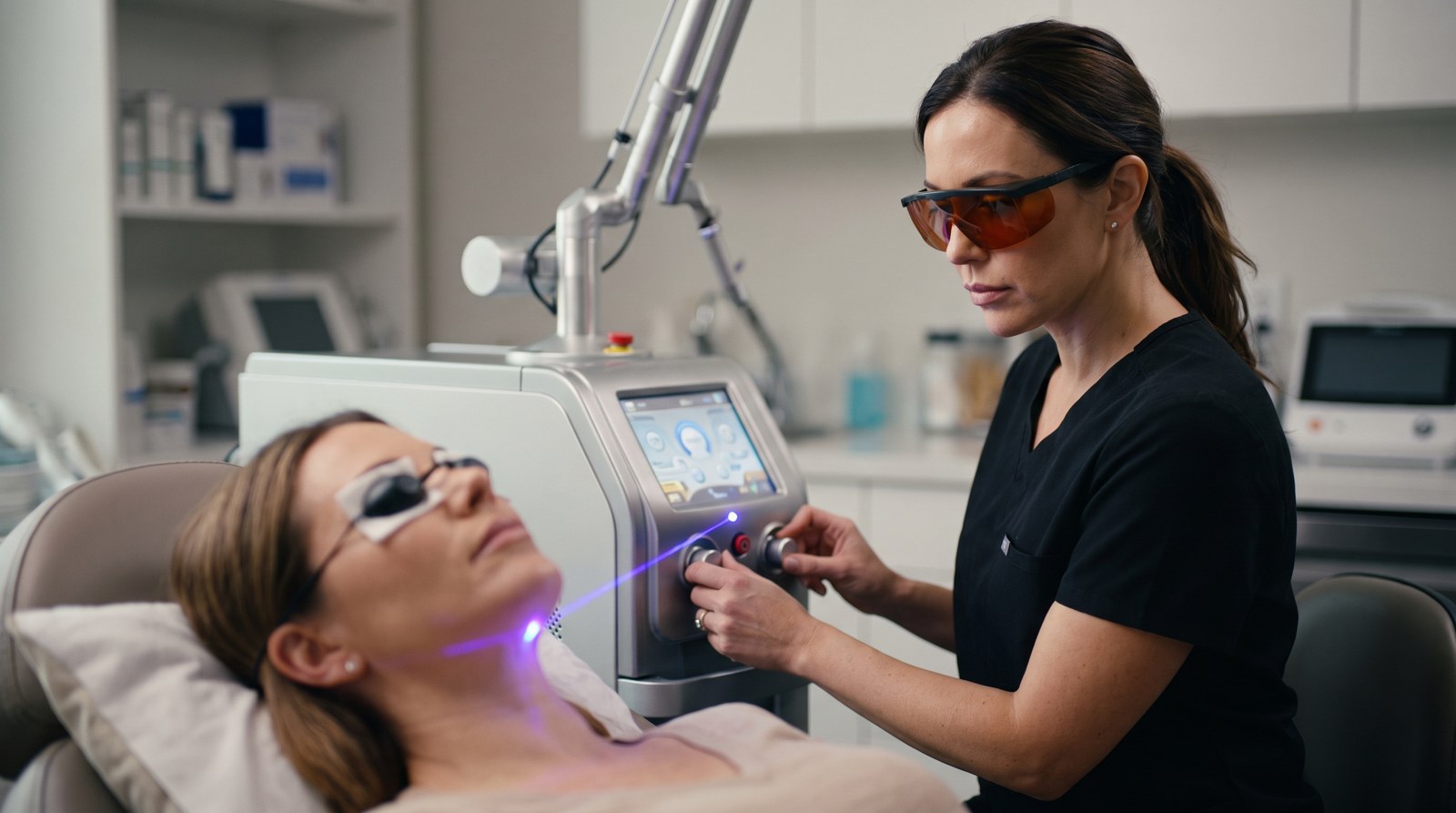
Virginia does not issue a standalone “laser technician license” — and that surprises many people researching this career path. Instead, the state regulates laser and light-based aesthetic treatments through its Board of Medicine, requiring physician oversight and delegation before a technician can legally perform these procedures on clients. Understanding that distinction is the first step to building a legitimate, in-demand laser career in the Northern Virginia and DC metro market.
If you’ve been searching for clarity on cosmetic laser technician requirements in Virginia — what training you need, what you’re allowed to do, and where to get started — you’re in the right place. This guide gives you the full picture, without the vague national content that leaves you with more questions than answers.
Key Takeaways
- Virginia regulates laser aesthetics under the Board of Medicine — there is no single state laser technician license exam.
- Laser procedures must be performed under physician supervision or proper delegation per Virginia law.
- AVI Career Training’s Cosmetic Laser Technology program in Vienna, VA is 120 hours of hands-on training.
- Laser technicians nationally earn approximately $40,000–$70,000+ per year depending on setting and specialization.
- AVI is COE-accredited and SCHEV-certified — and accepts the GI Bill® for eligible veterans.
- Northern Virginia and the DC metro are among the fastest-growing medical aesthetics markets in the Mid-Atlantic.
Ready to stop researching and start training? Apply to AVI’s Cosmetic Laser Technology program today.
—
Does Virginia Require a License to Perform Laser Treatments?
Virginia does require regulatory compliance to perform laser aesthetic treatments — but not through a standalone “laser technician license” issued by a single board.
Here’s what that means in practice: laser and light-based devices used for cosmetic treatments — including laser hair removal, intense pulsed light (IPL), and skin rejuvenation — are classified as medical devices in Virginia. Their use falls under the jurisdiction of the Virginia Board of Medicine. That means any technician performing these treatments must operate under the supervision or proper delegation of a licensed physician.
This is a critical distinction that generic national content often gets wrong. You won’t be taking a single “laser board exam” the way a cosmetologist sits for the Virginia State Board. Instead, the pathway involves:
1. Completing structured formal training — such as a school-based laser technology program — to demonstrate technical competence.
2. Working within a medically supervised setting, such as a medical spa, dermatology office, or plastic surgery clinic, where a licensed physician serves as the medical director.
3. Following Virginia’s delegation rules, which allow physicians to delegate certain laser procedures to trained, non-physician personnel under defined conditions.
The Virginia Department of Health Professions (DHP) and the Board of Medicine are the governing bodies you’ll want to reference for current regulatory guidance. Because delegation rules can evolve, it’s always worth confirming the latest requirements directly with DHP or consulting a healthcare attorney if you’re opening your own practice.
The bottom line: the regulatory path is real, it requires real training, and it rewards people who pursue it correctly. That’s exactly what a structured program — and this guide — prepares you for.
—
What Training Do You Need to Become a Laser Technician in Virginia?
Formal, school-based training is the foundation employers and supervising physicians look for when hiring laser technicians in Virginia.
While Virginia law doesn’t specify a minimum hour requirement for laser technician training the way it does for cosmetology or esthetics licensure, medical spas and physician-supervised practices have their own hiring standards — and those standards are high. A dermatology clinic or medspa won’t hand a laser device to someone who watched a weekend YouTube series.
What they will invest in is a graduate of a structured, accredited program who can demonstrate:
AVI Career Training’s Cosmetic Laser Technology program (NO FINANCIAL AID FOR THIS PROGRAM) in Vienna, Virginia delivers exactly that — in 120 hours of hands-on training designed to meet the real expectations of today’s Northern Virginia medspa market.
AVI is accredited by the Council on Occupational Education (COE) and certified by the State Council of Higher Education for Virginia (SCHEV). Those credentials matter to employers, financial institutions offering payment options, and the Virginia Department of Health Professions if questions arise about your training background.
> A note on esthetician credentials: Having an esthetics license does not automatically authorize you to perform laser treatments in Virginia. Laser devices fall under medical device law — separate from esthetics scope of practice. Many estheticians pursue laser training as an add-on credential to expand their career, which is a smart move. But the laser authorization comes from the physician oversight structure, not the esthetics license itself.
—
What Will You Learn in a Cosmetic Laser Program?
A quality cosmetic laser program teaches you to operate safely, assess clients accurately, and deliver real clinical results — on every skin tone.
AVI’s 120-hour Cosmetic Laser Technology program covers the core competencies that medspas and physician practices in Northern Virginia expect graduates to bring on day one. Here’s what that curriculum looks like:
Laser Physics & Technology
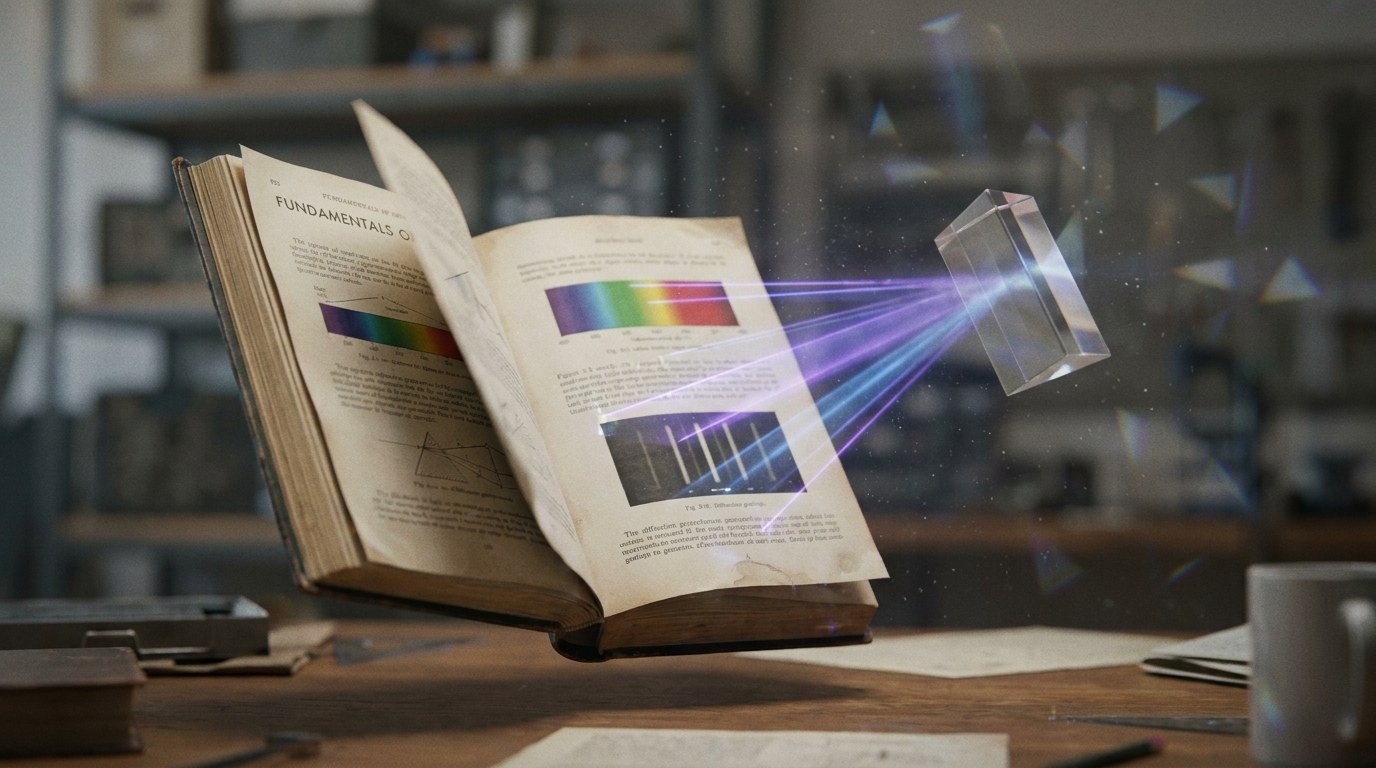
You’ll learn how lasers and light-based devices actually work — wavelengths, pulse duration, fluence, and how different parameters affect treatment outcomes. This isn’t just theory; understanding the science is what separates a safe, effective technician from someone who guesses at settings.
Skin Anatomy & Fitzpatrick Skin Typing
The Fitzpatrick Scale is the clinical framework used worldwide to assess a client’s skin tone and predict how it will respond to laser energy. It ranges from Type I (very fair, always burns) to Type VI (deeply pigmented, never burns) — and understanding all six types is essential to safe treatment.
This is where AVI’s inclusive curriculum stands apart. Many laser training programs default to lighter Fitzpatrick types in their training cases, leaving graduates unprepared to safely serve clients with deeper skin tones. AVI trains on the full spectrum — Types I through VI — because the Northern Virginia and DC metro client base reflects the full diversity of the Mid-Atlantic region. Every graduate leaves prepared to work beautifully on every client who walks through the door.
Core Treatment Modalities
Students gain hands-on experience with the core procedures they’ll perform professionally:
Safety Protocols & Contraindications
Laser safety is non-negotiable. You’ll learn proper protective equipment use, eye safety standards, facility safety protocols, and how to identify contraindications — medical or skin conditions that make a treatment unsafe for a specific client. This knowledge protects your clients and protects your career.
—
Mini-Story #1 — The Career Changer
Keisha had been working in corporate HR for eight years in Tysons Corner when she started looking for a career with more hands-on client interaction and creative satisfaction. She’d always been interested in skincare — and a friend’s recommendation sent her to an open house at AVI Career Training in Vienna.
What convinced her wasn’t just the equipment. It was that the curriculum trained on all skin tones. As a Black woman with Type V skin, she’d personally experienced being an afterthought in beauty spaces. She enrolled in the Cosmetic Laser Technology program, completed her 120 hours of training, and accepted a position at a Northern Virginia medspa within weeks of finishing. “For the first time,” she said, “I felt like I was being trained to serve everyone — including people who look like me.”
—
Career Scope — What Can a Laser Technician Do in Virginia?
Virginia laser technicians working under proper physician oversight can perform a meaningful, in-demand range of aesthetic treatments that clients actively seek out.
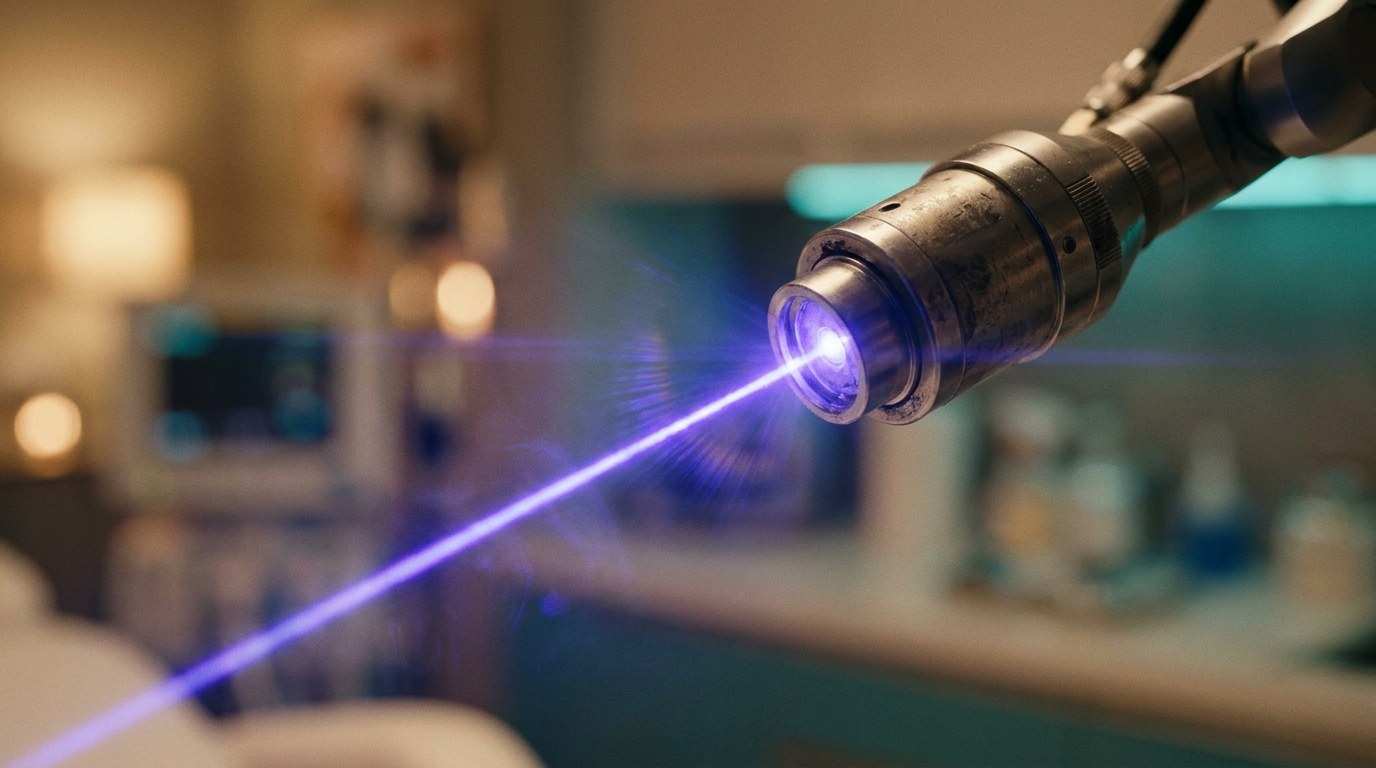
Within a physician-supervised medical spa or clinic, trained laser technicians routinely perform:
What you cannot do as a laser technician — regardless of training — is operate independently without physician delegation in place. Virginia law is clear on this. You need a medical director structure. That’s the professional framework, and understanding it upfront helps you seek out the right employment settings from the start.
The Northern Virginia Medspa Market
Here’s why this matters for your career right now: Northern Virginia and the DC metro area represent one of the fastest-growing medical aesthetics markets in the entire Mid-Atlantic region. The density of high-income households in Fairfax County, Arlington, McLean, and the Tysons corridor — combined with a health-conscious, appearance-aware consumer base — has fueled aggressive medspa growth over the past decade.
According to industry data from the American Society for Dermatologic Surgery (ASDS) and market research firms tracking the aesthetics industry, demand for laser hair removal and light-based facial treatments has grown year over year, with no slowdown projected. Laser technicians with verified, accredited training are consistently among the harder-to-fill roles at these practices.
What Does a Laser Technician Earn in Virginia?
Nationally, laser technicians earn approximately $40,000–$70,000+ annually, depending on setting, geographic market, years of experience, and specialization. In a high-income market like Northern Virginia and the DC metro, compensation at the upper end of that range — and beyond — is realistic for experienced technicians at busy medspas. These figures reflect the broader national range; individual results vary based on employer, experience, and practice setting. For the most current data, the Bureau of Labor Statistics tracks related occupational wages.
—
Mini-Story #2 — The Veteran Career Pivot
Marcus separated from the U.S. Army after eight years and was exploring his next move in the Northern Virginia area, where he’d settled near Fort Belvoir. He’d heard about the GI Bill® covering vocational training and wanted something hands-on in a growing field — not another desk job.
After researching options, he found AVI Career Training’s Cosmetic Laser Technology program in Vienna. He appreciated that the school was COE-accredited, that the training was rooted in real clinical skills, and that GI Bill® benefits were accepted. He completed his 120 hours, built confidence working with clients of every skin tone, and landed a position at a Bethesda medspa with a well-established physician practice. “The training gave me something concrete I could walk in and do on day one,” he said. “That’s what I needed.”
Note: Federal financial aid (Title IV/FAFSA) is not available for the Cosmetic Laser Technology program because it is under 600 hours. GI Bill® eligibility is separate — speak with AVI admissions for details on veteran benefits.
—
How to Start Your Laser Technician Training in Northern Virginia
The clearest path to a laser technician career in Virginia starts with accredited, hands-on training at a school the industry trusts.
AVI Career Training — located at 1595 Spring Hill Rd #720, Vienna, VA 22182 — is the Northern Virginia area’s COE-accredited, SCHEV-certified option for aspiring laser technicians. The school serves students from across the region: Fairfax County, Arlington, McLean, Reston, Herndon, Alexandria, Bethesda, and the broader DC metro.
The Cosmetic Laser Technology Program at a Glance
Why AVI?
There are national laser training courses available online, and there are weekend certification events that hand out paper certificates. Neither of those carries the weight of a COE-accredited, SCHEV-certified school program with documented curriculum hours and real equipment training.
When a Northern Virginia medspa interviews two candidates — one with a weekend certificate and one with 120 hours from an accredited Virginia school — the choice isn’t difficult. Employers and supervising physicians want to know you were trained properly, on real clients, with proper safety protocols in place. AVI provides exactly that, in the community where you’re going to build your career.
Explore more about AVI’s programs and approach at avicareertraining.com.
Ready to Take the Next Step?
AVI Career Training’s Cosmetic Laser Technology program in Vienna, VA is enrolling now. Get the hands-on training, accredited credentials, and inclusive curriculum that Northern Virginia’s top medspas look for.
—
Frequently Asked Questions
Q: Do you need a license to perform laser treatments in Virginia?
A: Virginia does not issue a standalone laser technician license. However, laser treatments are regulated as medical device procedures under the Virginia Board of Medicine. Laser technicians must work under the supervision or proper delegation of a licensed physician. Completing a formal training program — like AVI’s 120-hour Cosmetic Laser Technology program in Vienna, VA — is essential to meeting employer and regulatory expectations.
Q: How many training hours are required to become a laser technician in Virginia?
A: Virginia does not mandate a specific minimum hour count for laser technician training the way it does for cosmetology or esthetics licensure. However, physician-supervised practices and medspas in Northern Virginia expect documented, structured training from accredited institutions. AVI’s program delivers 120 hours of hands-on laser technology training — the benchmark for quality preparation in the Virginia market.
Q: Can an esthetician perform laser treatments in Virginia?
A: Holding a Virginia esthetics license does not automatically authorize laser treatments. Laser and light-based devices fall under the Virginia Board of Medicine’s medical device jurisdiction — separate from esthetics scope of practice. Estheticians who want to perform laser procedures need additional laser-specific training and must work within a physician-supervised structure. Many estheticians pursue laser training as a career expansion strategy.
Q: How long does it take to become a certified laser technician?
A: Timeline depends on the program format and your schedule. AVI Career Training’s Cosmetic Laser Technology program is 120 hours — which many students complete in a matter of weeks depending on enrollment intensity. After training, you’ll pursue employment in a physician-supervised setting, which is the operational framework for laser technicians in Virginia.
Q: What can a laser technician do without a medical director in Virginia?
A: In Virginia, laser technicians cannot legally perform laser procedures on clients without physician supervision or proper delegation in place. Operating independently — outside of a physician-supervised practice structure — puts you outside the scope of Virginia law. The medical director model (common at medspas and aesthetic clinics) is the standard professional framework for this career.
Q: Is AVI Career Training’s laser program eligible for financial aid?
A: Federal financial aid (Title IV / FAFSA) is not available for the Cosmetic Laser Technology program because it is under 600 hours and does not meet federal eligibility thresholds. GI Bill® benefits are accepted for eligible veterans. AVI also works with students on payment plans and private financing options. Call (703) 943-9841 to speak with admissions about current options.
Q: Where can I find laser technician training in Northern Virginia?
A: AVI Career Training — located in Vienna, VA near Tysons Corner — offers the only COE-accredited, SCHEV-certified 120-hour Cosmetic Laser Technology program in the Northern Virginia area. The school serves students from Fairfax County, Arlington, McLean, Reston, Alexandria, and the broader DC metro region. Apply here.
Q: What is the Fitzpatrick Scale and why does it matter for laser training?
A: The Fitzpatrick Scale is a clinical tool used to classify skin types from Type I (very fair) to Type VI (deeply pigmented) based on how skin responds to UV exposure and laser energy. It’s the standard framework for determining safe laser parameters for any individual client. AVI trains students on all six Fitzpatrick types — ensuring graduates are prepared to safely and effectively treat the full diversity of clients they’ll encounter in the Northern Virginia market.
—