Why Laser Technician Is One of Virginia’s Fastest-Growing Careers in 2026
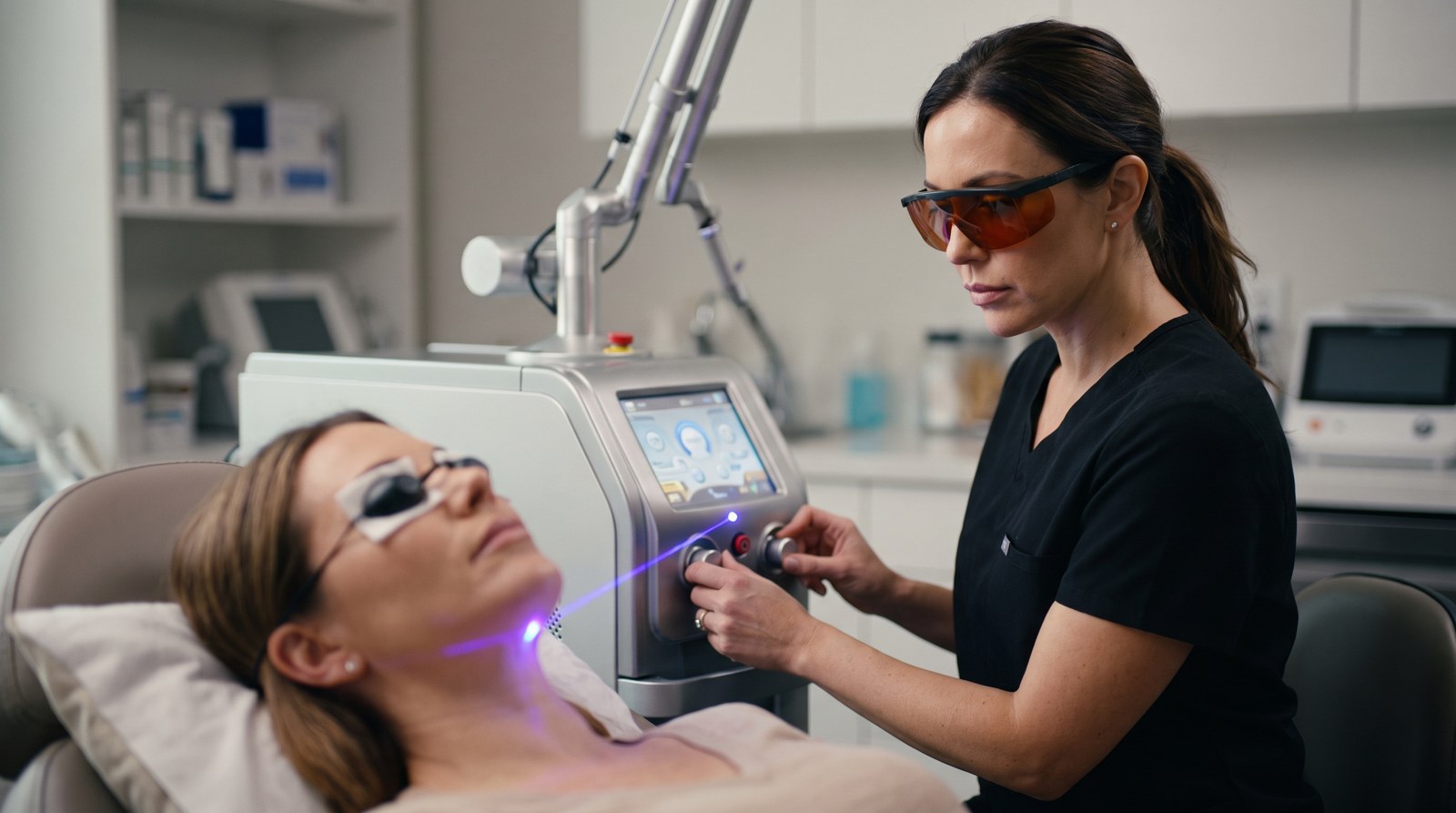
Cosmetic laser technician is one of the fastest-growing specialty roles in Virginia’s beauty and wellness industry — and in 2026, demand in the Northern Virginia market is outpacing training supply. If you’re weighing a career change, exploring beauty industry options, or wondering whether cosmetic laser work can deliver a real salary in the DC metro area, this guide answers every question — straight, no fluff.
⚡ Key Takeaways
- The global aesthetic laser market is projected to grow at a CAGR of roughly 15–17% through 2030 (Allied Market Research)
- BLS projects ~9–11% job growth for skincare specialists — the occupational category that includes laser technicians — faster than the national average for all occupations
- Virginia skincare specialists earn a median annual wage above the national median, with Northern Virginia figures driven higher by medspa density in Fairfax County, Tysons, and Arlington
- Virginia does not issue a standalone laser technician license — cosmetic laser work operates under physician oversight in medspa settings, and esthetician licensure is the typical employer prerequisite
- AVI Career Training’s Cosmetic Laser Technology program (NO FINANCIAL AID FOR THIS PROGRAM) is 120 hours, COE-accredited, and located in Vienna, VA — minutes from the Tysons Corner medspa corridor
Ready to see if this career is right for you? Start your application at AVI Career Training — or keep reading to get the full picture first.
—
The Cosmetic Laser Industry Is Booming — Here’s the Data
The cosmetic laser industry is expanding rapidly, driven by rising consumer demand for non-invasive aesthetic treatments and a post-pandemic surge in medspa openings nationwide.
According to Allied Market Research, the global aesthetic laser market was valued at over $1.8 billion and is projected to grow at a compound annual growth rate (CAGR) of approximately 15–17% through 2030. Grand View Research places similar projections on the broader aesthetic devices market, pointing to laser hair removal, skin resurfacing, and pigmentation treatments as top growth drivers.
That growth has a direct downstream effect on hiring. The American Med Spa Association (AmSpa) has tracked a significant increase in medspa locations across the U.S. since 2020 — the industry surpassed 8,000 locations nationally in recent years and continues expanding. The Virginia and DC metro corridor has been no exception: Fairfax County, Arlington, and the Tysons area have seen consistent medspa growth, fueled by one of the most affluent and densely populated suburban markets in the country.
The Bureau of Labor Statistics (BLS) classifies laser technicians under “Skincare Specialists” (SOC 39-5094). That occupational category is projected to grow approximately 9–11% over the coming decade — faster than the national average for all occupations. For career-changers evaluating long-term stability, that’s a meaningful signal. This is not a shrinking field. It’s a sector with trained-technician shortages in high-demand markets — exactly the environment Northern Virginia represents in 2026.
—
What Does a Cosmetic Laser Technician Actually Do?
A cosmetic laser technician uses FDA-cleared laser and light-based devices to perform aesthetic treatments on clients’ skin — this is not medical or industrial laser work.
The role is entirely focused on cosmetic outcomes: smoothing, clearing, and improving the appearance of the skin using controlled light energy. Day-to-day, a laser technician working in a Virginia medspa or aesthetic clinic might perform:
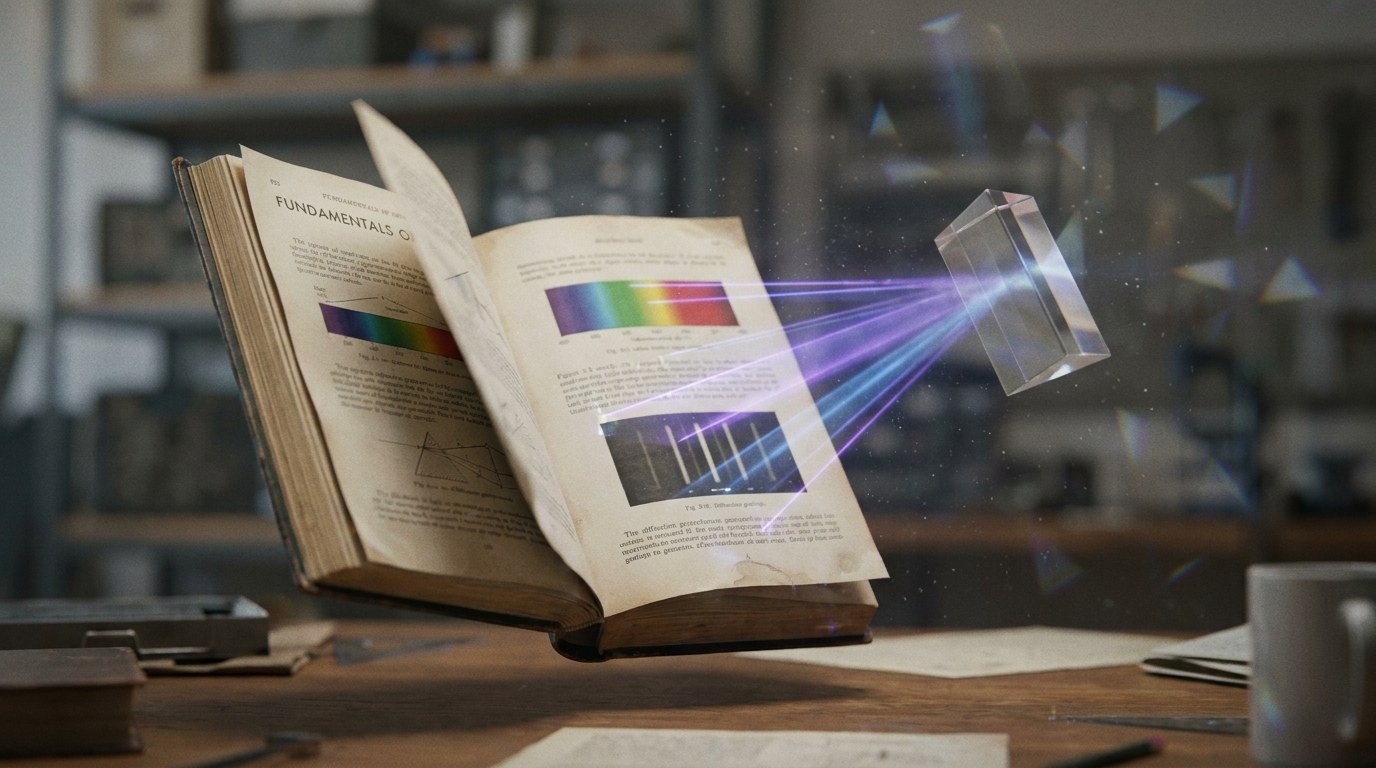
One skill that separates well-trained technicians from underprepared ones: Fitzpatrick scale competency. The Fitzpatrick scale classifies human skin into six types based on melanin content and UV response. Selecting the correct laser wavelength, energy settings, and cooling protocols for each skin type is critical — errors can cause burns, hyperpigmentation, or scarring, particularly on deeper skin tones.
This is a genuine skill gap in the industry. Many training programs default to demonstrations on lighter skin tones, leaving technicians unprepared to safely treat clients with Type IV–VI skin. AVI Career Training’s Cosmetic Laser Technology curriculum specifically trains students to work on all skin tones — a clinical and ethical imperative, and a real competitive advantage in the diverse Northern Virginia market.
Most laser technicians in Virginia work in:
—
Virginia Licensing Requirements for Laser Technicians
Virginia does not issue a standalone “laser technician” license — but that doesn’t mean the field is unregulated.
The Virginia Department of Professional and Occupational Regulation (DPOR) governs cosmetology and esthetics licensing through the Virginia Board of Cosmetology. Currently, there is no separate licensure category specifically titled “laser technician” under Virginia DPOR rules. However, cosmetic laser work performed in Virginia medspas and aesthetic clinics typically operates under physician-delegated or physician-supervised practice, consistent with Virginia’s medical practice framework.
In practical terms, this means:
How Laser Work Is Regulated in Virginia
- Medspas in Virginia must operate under physician oversight — a licensed MD, DO, or in some cases a nurse practitioner or PA in a delegated model
- Esthetician licensure (600 hours of training + state board exam) is the credential most Virginia employers require before hiring for laser roles
- Laser-specific training from an accredited program is required by most employers and is the practical pathway to employment
- SCHEV-certified institutions like AVI Career Training are authorized by the State Council of Higher Education for Virginia to operate postsecondary programs
> ⚠️ Important: Virginia’s regulatory landscape can change. Always verify current requirements directly with Virginia DPOR before making career decisions based on licensing rules.
For many career-changers, the pathway looks like this: complete an esthetics program (Virginia requires 600 hours for esthetician licensure), pass the state board exam, then pursue laser technology training as a specialty credential. AVI Career Training’s Cosmetic Laser Technology program is designed to complement existing esthetics credentials — and AVI also offers a full Basic Esthetics program for those starting from the beginning.
—
Earning Potential and Job Outlook in Northern Virginia
Northern Virginia laser technicians earn more than the national median — and the market conditions in 2026 strongly favor trained candidates.
According to BLS Occupational Employment and Wage Statistics (OES) data, the national median annual wage for skincare specialists (the BLS category that includes laser technicians) is approximately $42,000–$44,000. Virginia state-level estimates from the BLS and Virginia Employment Commission (VEC) place Virginia’s median higher, consistent with the state’s above-average cost of living and medspa market density.
In the Northern Virginia / DC metro market specifically — covering Fairfax County, Arlington, Alexandria, and the Tysons corridor — experienced laser technicians working in high-volume medspas can earn significantly above state median figures. The region is one of the wealthiest suburban markets in the country: Fairfax County’s median household income consistently ranks among the top in the nation (U.S. Census Bureau). Clients here expect premium services and pay for them — which translates directly into compensation for skilled technicians.
Compensation typically scales with:
> ⚠️ Note: Salary figures vary significantly by employer, experience, and setting. Always research current wage data from the BLS OES database and verify Virginia-specific figures with the Virginia Employment Commission before making compensation-based decisions.
Mini-Story #1 — The Career Changer
Marcus spent eight years in retail management in Tysons Corner. He was good at it, but he wanted work that felt hands-on and built toward something. A coworker mentioned that the medspa two doors down from their store was turning away clients because they couldn’t find trained laser techs. Marcus looked into it, found AVI Career Training nearby in Vienna, and enrolled in the Cosmetic Laser Technology program after completing his esthetics credential. Within three months of finishing his laser training, he was hired full-time at a Fairfax County medspa — performing laser hair removal and skin treatments on a diverse clientele. He credits the Fitzpatrick scale training specifically: “I had clients coming to me who said other places turned them away or couldn’t treat their skin. I knew exactly what to do.”
—
How to Get Started: AVI’s Cosmetic Laser Technology Program
AVI Career Training’s Cosmetic Laser Technology program (NO FINANCIAL AID FOR THIS PROGRAM) is a 120-hour hands-on training program built for people who want to enter the cosmetic laser field or add laser skills to existing esthetics credentials.
What is AVI Career Training’s Cosmetic Laser Technology program?
It is a 120-hour specialty program offered at AVI Career Training’s campus in Vienna, Virginia — located in the Tysons Corner corridor of Northern Virginia. The program is offered by a COE-accredited, SCHEV-certified institution and trains students in cosmetic laser operation, skin anatomy, Fitzpatrick scale assessment, laser safety, and client consultation — with hands-on clinical practice on real clients across all skin tones.
Program Highlights
Tuition and Payment
Federal financial aid (FAFSA/Title IV) is NOT available for this program. Because the Cosmetic Laser Technology program is under 600 hours, it does not meet the federal threshold for Title IV financial aid eligibility. Students should inquire about payment plan options and private financing alternatives when speaking with AVI admissions.
The GI Bill® may provide benefits for qualifying veterans and service members — contact AVI admissions directly to discuss your specific eligibility.
Mini-Story #2 — The Esthetician Adding Skills
Deja had her esthetician license and was working at a day spa in Arlington — good clients, but limited earning ceiling. She kept hearing from medspa managers that laser-trained estheticians were in short supply and could command higher pay and more consistent client volume. She enrolled in AVI’s Cosmetic Laser Technology program, completing the 120 hours while still working part-time. The Fitzpatrick scale training was the piece she valued most: she came out able to confidently treat every client who walked through the door, regardless of skin tone. She moved to a Northern Virginia medspa within two months of completing the program — at a higher hourly rate than her previous position.
Why AVI and Why Vienna, VA?
AVI Career Training is not a national chain or an online aggregator. It’s a community-rooted school in Vienna, Virginia, steps from some of the highest-density medspa markets in the DC metro area — Tysons, Fairfax, Arlington, and McLean. The instructors are licensed industry professionals. The curriculum reflects actual employer expectations in this market. And the inclusive training model means you graduate prepared to serve the real, diverse clientele of Northern Virginia — not a demographic subset of it.
Ready to Become a Cosmetic Laser Technician in Virginia?
AVI Career Training’s 120-hour Cosmetic Laser Technology program is enrolling now. Take the first step — apply online or call us at (703) 943-9841 to talk with an admissions advisor.
—
Frequently Asked Questions
Q: How long does it take to become a laser technician in Virginia?
A: AVI Career Training’s Cosmetic Laser Technology program is 120 hours. Most students complete it in a matter of weeks, depending on their schedule. However, most Virginia employers also require esthetician licensure (600 hours of esthetics training plus the Virginia state board exam) as a prerequisite. If you’re starting from scratch with no esthetics background, plan for the full esthetics credential first, then add the 120-hour laser program.
Q: Do laser technicians need a license in Virginia?
A: Virginia’s Department of Professional and Occupational Regulation (DPOR) does not currently issue a standalone “laser technician” license. Cosmetic laser work in Virginia typically operates under physician oversight in medspa settings. Esthetician licensure is the most common employer-required credential for laser technicians. Always verify current requirements directly with Virginia DPOR, as regulations can change.
Q: How much do laser technicians make in Northern Virginia?
A: National median annual wages for skincare specialists (the BLS category covering laser technicians) are approximately $42,000–$44,000. Virginia wages trend above the national median, and Northern Virginia / DC metro market figures are higher still due to regional cost of living and medspa density. Experienced laser technicians in Fairfax County, Tysons, and Arlington can earn significantly above state median, particularly in commission-based medspa roles. Verify current figures with the BLS OES database and Virginia Employment Commission.
Q: Is cosmetic laser a good career in 2026?
A: Yes — market data supports strong growth. The global aesthetic laser market is growing at a projected CAGR of 15–17% through 2030. BLS projects 9–11% job growth for skincare specialists, faster than average. In Northern Virginia specifically, medspa openings have outpaced the supply of trained laser technicians, creating real hiring demand in 2026.
Q: What’s the difference between an esthetician and a laser technician?
A: An esthetician is a state-licensed skincare professional trained in facials, waxing, chemical exfoliation, and related treatments. Virginia requires 600 hours of training plus a state board exam for esthetician licensure. A laser technician specializes specifically in laser and light-based treatments — hair removal, skin rejuvenation, pigmentation correction. In Virginia, many laser technicians hold both credentials: an esthetician license as the employer-required foundation, plus laser-specific training from a program like AVI’s 120-hour Cosmetic Laser Technology course.
Q: Does AVI Career Training’s laser program qualify for financial aid?
A: Federal financial aid (FAFSA/Title IV) is NOT available for AVI’s Cosmetic Laser Technology program because it is under 600 hours. Students should ask about payment plans and private financing options. Veterans and service members should inquire about GI Bill® eligibility when contacting AVI admissions.
Q: Where is AVI Career Training located?
A: AVI Career Training is located at 1595 Spring Hill Rd #720, Vienna, VA 22182 — in the heart of Northern Virginia’s Tysons Corner corridor, easily accessible from Fairfax County, Arlington, McLean, and the broader DC metro area.
Q: What makes AVI’s laser program different from other options in Virginia?
A: AVI Career Training is COE-accredited and SCHEV-certified — the accreditation credentials that matter in Virginia career education. The curriculum specifically trains students to work on all skin tones and all Fitzpatrick types, a critical competency that many programs skip. AVI is embedded in the Northern Virginia medspa market, meaning the training reflects real employer expectations in this specific region.
—
Take the Next Step Toward a Laser Technician Career in Virginia
The data is clear: cosmetic laser is one of the fastest-growing specialty roles in Virginia’s beauty and wellness market, and Northern Virginia in 2026 is one of the best-positioned markets in the country to build that career.
AVI Career Training gives you a direct, structured path: a 120-hour Cosmetic Laser Technology program (NO FINANCIAL AID FOR THIS PROGRAM), inclusive Fitzpatrick-scale training, COE accreditation, and a Vienna, VA location that puts you minutes from the Tysons medspa corridor.
If you’re ready to stop researching and start building, apply at AVI Career Training today — or call (703) 943-9841 to talk with an admissions advisor who can walk you through your options.