How To Choose The Right Esthetician Training Program
Choosing the right esthetician training program comes down to matching your career goals, schedule, and learning style to a school that offers accredited, hands-on education with real job-placement support. With so many options out there, it can feel overwhelming — but knowing exactly what to look for makes the decision much clearer. Whether you are dreaming of glowing facials, advanced skincare treatments, or a full career in medical esthetics, the steps below will walk you through everything you need to evaluate before you enroll.
Key Takeaways
- Accreditation is the single most important factor — it protects your investment and ensures your credential is recognized by employers and licensing boards.
- Program length varies: Basic Esthetics programs typically run 600 hours, while Master Esthetics programs go deeper at 750 hours.
- Federal financial aid (Title IV) may be available at accredited schools, helping make training more affordable.
- Hands-on clinical experience is non-negotiable for building real-world confidence before you graduate.
- Location, class schedules, and instructor experience all play a big role in your day-to-day success as a student.
- Visiting the school, talking to current students, and reviewing graduate outcomes can save you from making a costly mistake.
Start With Accreditation
Before anything else, verify that the school you are considering holds recognized institutional accreditation. Accreditation from a body like the Council on Occupational Education (COE) signals that the program meets rigorous educational standards and that your hours will be accepted by your state licensing board. Schools without proper accreditation may leave you unable to sit for your licensure exam — which would mean starting over from scratch.
AVI Career Training in Vienna, VA is COE-accredited, which means its esthetics programs are built around standards that employers and state boards respect. That kind of credential matters from day one of your job search.
Understand the Different Levels of Esthetics Training
Not all esthetics programs are created equal, and that is actually a good thing — because your ideal program depends entirely on where you want to take your career.
Basic Esthetics (600 Hours)
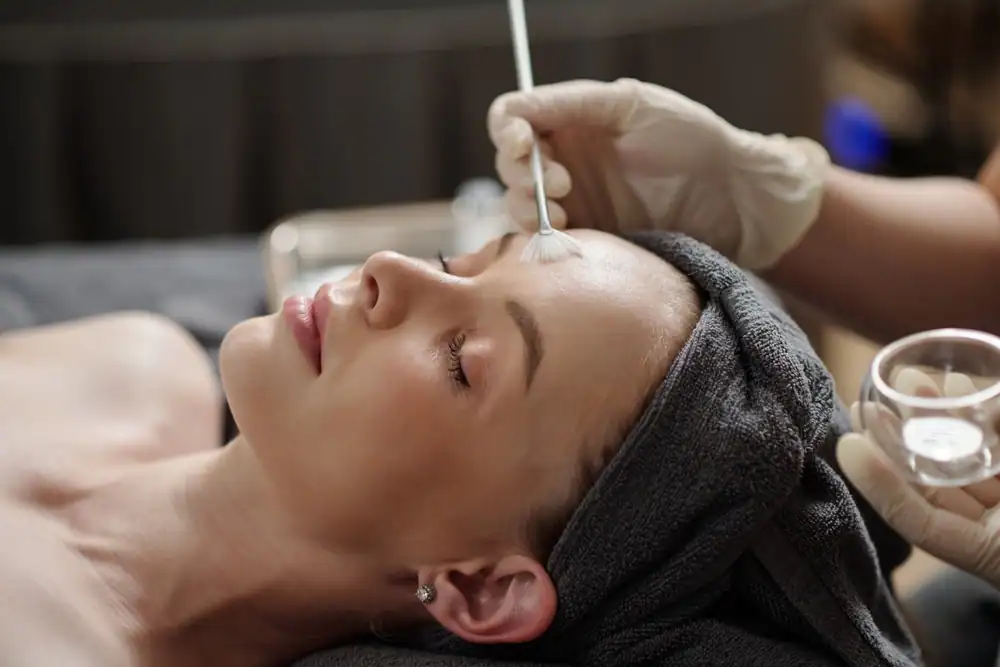
A Basic Esthetics program is the standard entry point into the skincare profession. At 600 hours, you will cover core topics like facial treatments, skin analysis, hair removal, makeup application, and sanitation protocols. This program prepares you to sit for your state esthetician licensure exam and step into roles at spas, salons, and wellness centers.
Master Esthetics (750 Hours)
If you want to go deeper — think chemical peels, microdermabrasion, advanced body treatments, and more complex skin conditions — a Master Esthetics program at 750 hours is your next step. This level of training opens doors to medical spas, dermatology offices, and plastic surgery practices where clients expect a higher level of expertise. It is also a smart move if you are serious about long-term earning potential in the field.
Not sure which level is right for you? Connect with the AVI Career Training admissions team to talk through your goals and find out which program aligns with your vision.
Look at the Curriculum and Hands-On Training
A great esthetics program is not just about clocking hours — it is about what happens during those hours. When reviewing any program, ask specifically about the balance between classroom instruction and hands-on clinical practice. The best programs blend theory with real client work so that by graduation, you are confident performing treatments, not just reading about them.
Look for programs that cover:
- Skin anatomy and physiology
- Professional product knowledge and ingredient science
- Facial massage techniques and treatment protocols
- Hair removal methods including waxing and threading
- Infection control and state board safety standards
- Client consultation and communication skills
- Advanced techniques (for Master Esthetics programs)
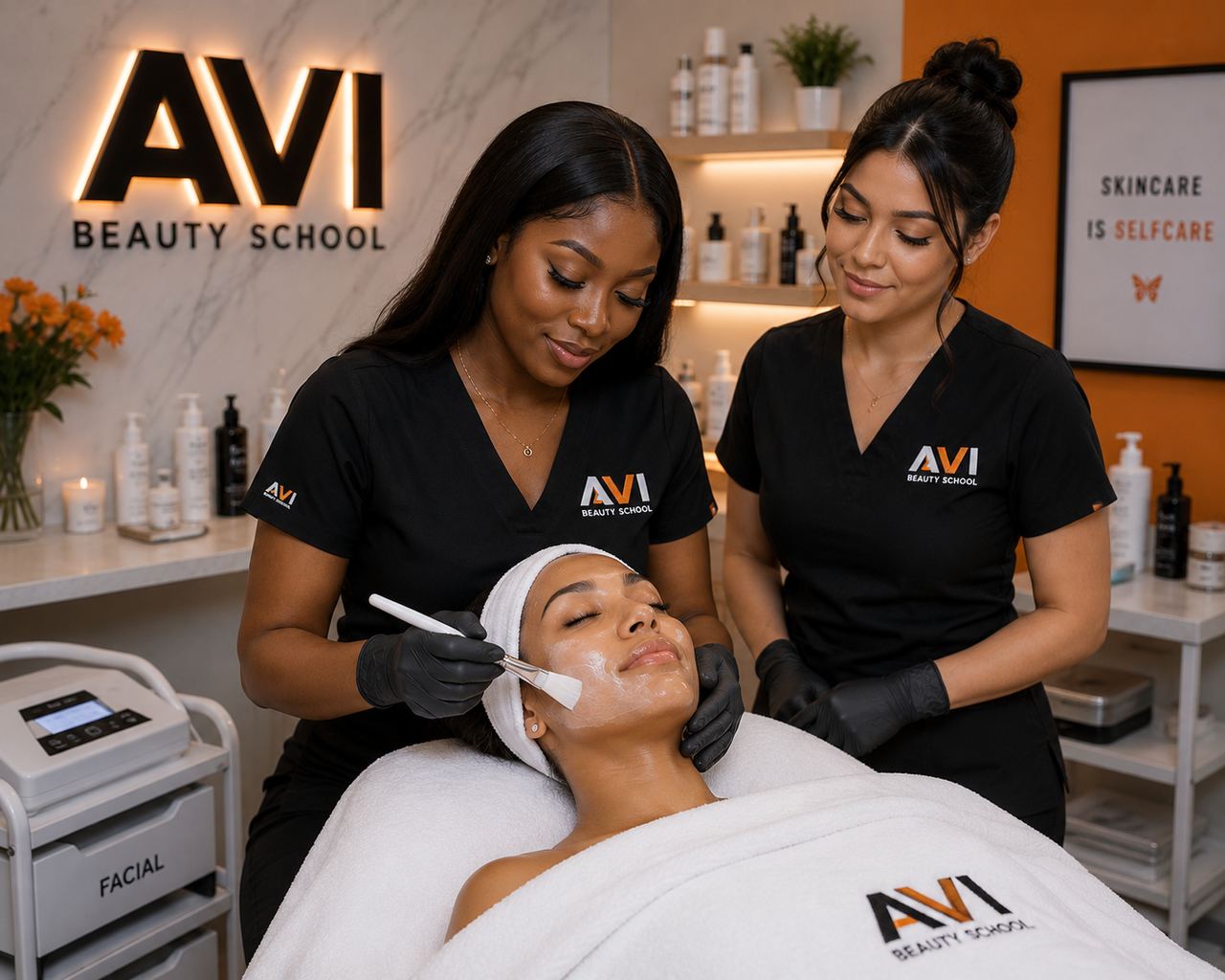
Hands-on hours in a real student clinic — where you work with actual clients under licensed instructor supervision — are what separate strong programs from weak ones. Do not be shy about asking how many live client interactions students complete before graduation.
Consider Financial Aid and Total Cost
Tuition is a real factor, and you deserve full transparency from any school you are considering. Ask each school for a complete breakdown of tuition, fees, and any required kit or supply costs upfront. Never assume what is or is not included.
One major advantage of choosing a COE-accredited institution like AVI Career Training is that eligible programs may qualify for Title IV federal financial aid. This includes federal grants and loans that can significantly reduce your out-of-pocket cost. To find out if you qualify, you would complete the Free Application for Federal Student Aid (FAFSA) — something the school’s financial aid office can help walk you through.
Beyond federal aid, ask whether the school offers payment plans, scholarships, or other funding options. A good admissions team will help you understand all your options before you make any commitment.
Evaluate the School’s Location, Schedule, and Support
Practical factors matter more than people sometimes admit. A program might look perfect on paper, but if the commute is brutal or the class schedule does not fit your life, staying enrolled becomes a challenge.
Location
AVI Career Training is conveniently located at 112 Lawyers Rd NW Suite 3, Vienna, VA 22180, making it an accessible option for students throughout the Northern Virginia and greater DC metro area. Easy access to public transit or parking can make a meaningful difference in your day-to-day experience as a student.
Schedule Flexibility
Ask whether the school offers day and evening options, or whether the schedule is fixed. If you are working while going to school or have family responsibilities, schedule flexibility is not a luxury — it is a necessity.
Student Support Services
Find out what kind of support exists beyond the classroom. Does the school help with job placement after graduation? Are instructors available for extra help outside of class? Is there a student services office you can turn to if you hit a rough patch? These things can make or break your experience.
Research Instructor Credentials and School Culture
Your instructors are arguably the most important part of your education. Look for schools where instructors are not only licensed professionals but also active in the industry. Instructors who bring real-world experience into the classroom give you insights that no textbook can replicate.
School culture matters too. When you visit a campus, pay attention to how staff interact with students, whether the facility is clean and well-maintained, and whether current students seem engaged and happy. Trust your gut — you will spend hundreds of hours in this environment, and it should feel welcoming and professional.
You can reach the AVI Career Training team directly at (571) 520-4417 to schedule a campus visit or ask any questions before you apply.
Take the Next Step
Choosing an esthetics program is one of the most exciting decisions you will make for your future. By focusing on accreditation, program depth, hands-on training, financial aid options, and school culture, you can make a confident, informed choice that sets you up for a long and rewarding career in skincare.
If you are ready to explore what a career in esthetics could look like for you, apply to AVI Career Training today or call us at (571) 520-4417. Our admissions team is here to answer every question and help you find the program that fits your goals perfectly.
Frequently Asked Questions
How long does it take to complete an esthetics program?
It depends on the level of training you choose. A Basic Esthetics program is 600 hours, while a Master Esthetics program is 750 hours. The actual calendar time to complete those hours varies depending on whether you attend full-time or part-time. Your admissions advisor can give you a realistic timeline based on your schedule.
What is the difference between Basic Esthetics and Master Esthetics?
Basic Esthetics (600 hours) covers foundational skincare skills and prepares you for state licensure as an esthetician. Master Esthetics (750 hours) builds on that foundation with advanced techniques, more complex skin treatments, and preparation for roles in medical or clinical settings. If you are aiming for a medical spa or dermatology environment, the Master Esthetics path is worth serious consideration.
Is financial aid available for esthetics programs?
At COE-accredited schools like AVI Career Training, eligible programs may qualify for Title IV federal financial aid, which includes federal grants and loans. Eligibility is determined through the FAFSA process. The school’s financial aid office can guide you through the application and help you understand what assistance may be available to you. We never want cost to be the reason you cannot pursue your dream career.
What should I bring to a school visit or admissions appointment?
When you visit AVI Career Training or attend an admissions appointment, it helps to bring a list of questions about the program, your schedule, and financial aid. You may also want to bring a government-issued ID and, if you have already completed any post-secondary education, any relevant transcripts. Your admissions advisor will let you know if any additional documentation is needed before enrollment.
How do I know if a school is the right fit for me?
The best way to know is to visit in person. Walk the campus, talk to instructors, and speak with current students if you can. Ask direct questions about job placement rates, graduate outcomes, and what kind of support you will receive throughout your training. A school that is confident in what it offers will welcome those questions. You can visit AVI Career Training at 112 Lawyers Rd NW Suite 3, Vienna, VA 22180, or start your application online to get the conversation started.