
Esthetics as a Healthcare Career in the DMV Area
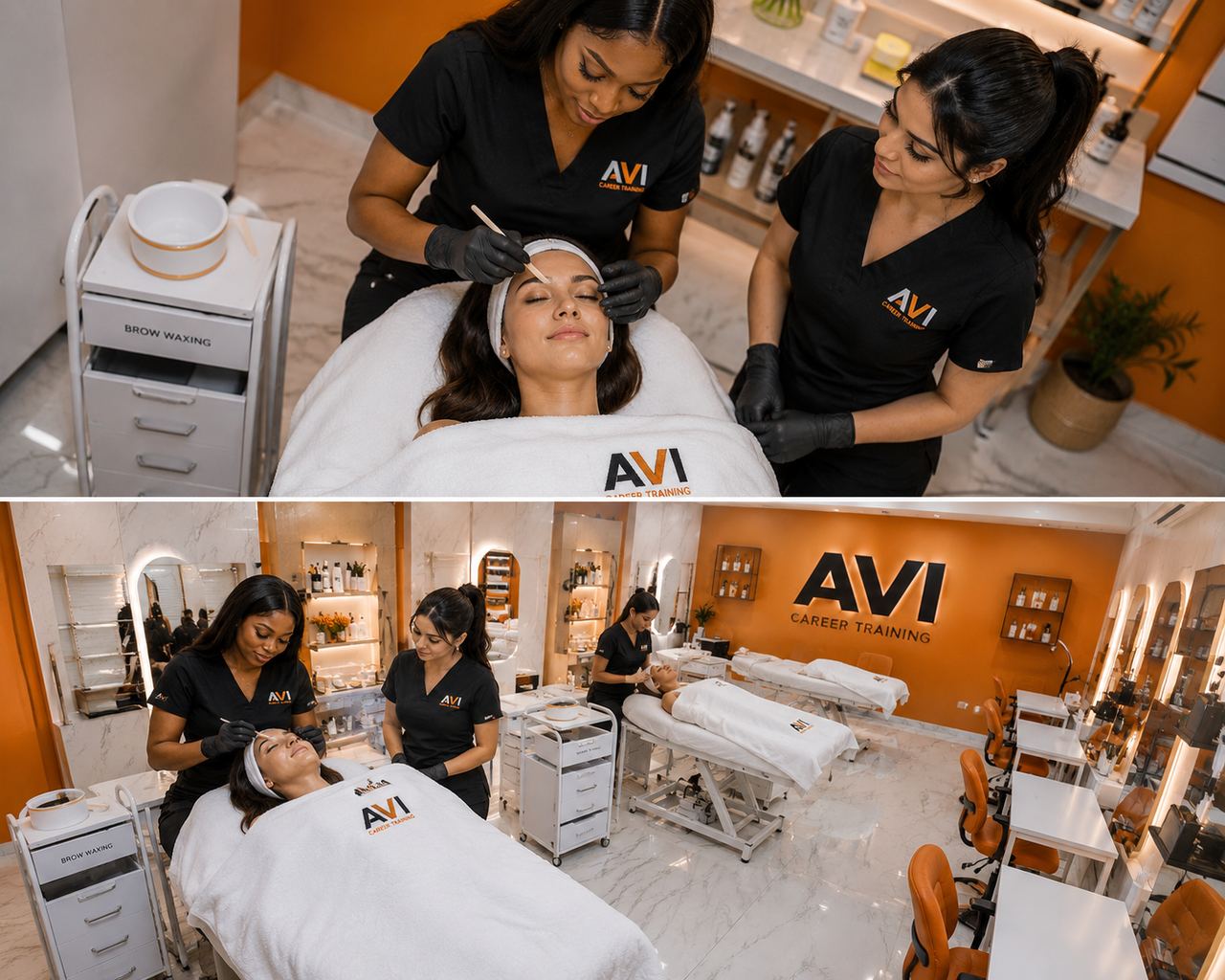
Esthetics is a legitimate healthcare career — and in the DC, Maryland, and Virginia metro area, it is one of the fastest-growing paths in allied health and clinical wellness. If you have been wondering whether becoming an esthetician means a life of facials at a day spa, the answer is: only if you want it to. Licensed estheticians work in dermatology offices, oncology centers, plastic surgery practices, and medical spas across Northern Virginia and the broader DMV, collaborating directly with physicians and clinical care teams.
This guide answers every major question about pursuing esthetics as a healthcare career in the DMV — including licensing requirements, earning potential, clinical roles, and where to get trained right here in Northern Virginia.
Key Takeaways
- Virginia requires 600 clock hours of esthetics training to sit for state board exams.
- Licensed estheticians work in dermatology offices, oncology centers, plastic surgery practices, and med spas — not just salons.
- DMV-area esthetician wages run 10–20% above the national median, with clinical specialists earning $50,000–$70,000+.
- The Virginia Board of Cosmetology (under DPOR) governs licensure; exams are administered by the National-Interstate Council (NIC).
- AVI Career Training in Vienna, VA offers a COE-accredited esthetics program with inclusive curriculum designed for the DMV’s diverse patient population.
Explore AVI’s Esthetics Program — Apply Now
—
Is Esthetics Really a Healthcare Career? (Yes — Here’s Why)
Esthetics qualifies as a healthcare career because licensed estheticians regularly work inside clinical environments, perform medically relevant skin treatments, and support patient care outcomes under physician supervision.
The word “esthetician” still conjures images of candles and cucumber slices for many people. That image is decades out of date. Today, the clinical side of esthetics sits squarely within what industry and academic researchers call allied health — the broad category of licensed health professions that support, complement, and extend physician-led care.
Here is what that looks like in real DMV workplaces:
Med spas are among the fastest-growing segments of the entire U.S. aesthetic industry. Northern Virginia, with its dense corridor of wealth, healthcare infrastructure, and proximity to the federal workforce, has one of the highest concentrations of med spas, dermatology practices, and plastic surgery centers in the country.
If you are researching an esthetician career path in Northern Virginia, you are entering a regional market where clinical demand is high and growing.
—
What Does a Medical Esthetician Actually Do?
A medical esthetician performs clinical skin treatments inside healthcare settings — distinct from a spa esthetician who focuses on relaxation and general skin maintenance in a non-medical environment.
Understanding the difference between a clinical esthetician and a spa esthetician is important before you commit to a training path. Both start with the same state license. What separates them is the environment they work in, the treatments they perform, and the level of clinical integration in their daily work.
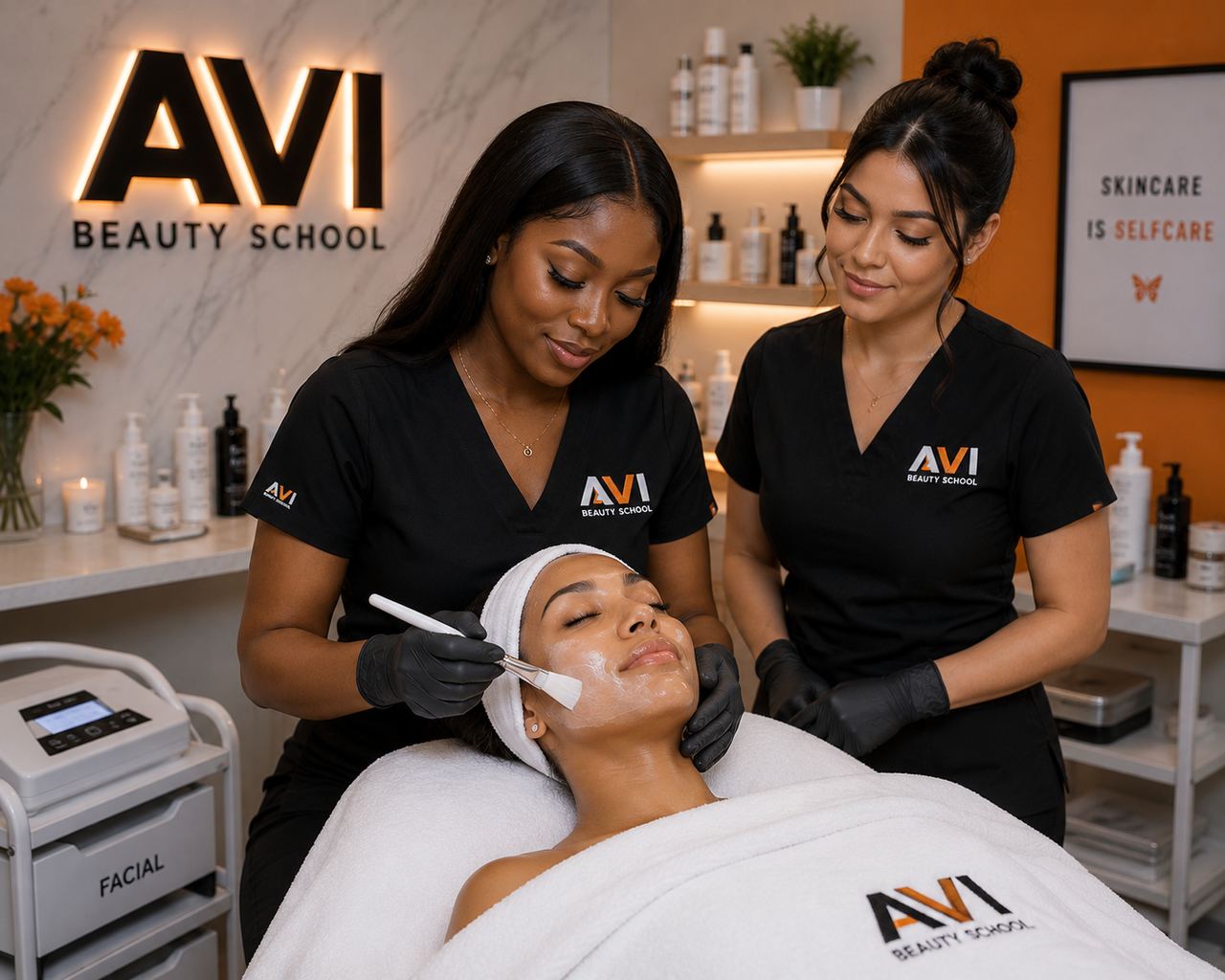
Clinical / Medical Esthetician Roles
Spa Esthetician Roles
Neither path is lesser. Many estheticians work in both settings at different points in their careers. But if your goal is a medical esthetics career in the DMV, you need training that covers clinical techniques, skin science, and how to adapt treatments for diverse and medically complex clients.
A quick story: One AVI graduate — a career-changer in her late 30s from Fairfax — completed her esthetics training and went directly into a dermatology group in Tysons Corner. Within 18 months, she was leading the practice’s chemical peel and acne treatment protocol, working alongside two dermatologists and a PA. She had not expected to feel like a member of a clinical team. She does now.
—
The Virginia Licensing Path: Hours, Exams, and Requirements
To become a licensed esthetician in Virginia, you must complete 600 clock hours of approved esthetics training and pass both the NIC written and practical board exams administered through the Virginia Board of Cosmetology.
Here is the complete regulatory roadmap for DMV-area students.
Step 1 — Complete an Approved Esthetics Program
Virginia requires exactly 600 clock hours of esthetics training at a school approved by the Virginia Department of Professional and Occupational Regulation (DPOR). This is not a self-study or online-only path — your hours must be completed at an accredited institution with hands-on, in-person clinical training.
When choosing a school, look for:
Step 2 — Pass the NIC Board Exams
After completing your 600 hours, you will sit for two exams administered by the National-Interstate Council of State Boards of Cosmetology (NIC):
1. NIC Written Exam — covers skin science (anatomy, physiology, conditions, ingredients), safety, sanitation, and Virginia-specific regulations
2. NIC Practical Exam — a hands-on skills assessment evaluated by licensed examiners
Both exams must be passed before you can apply for your Virginia esthetics license.
Step 3 — Apply for Your Virginia License
With your exam results in hand, you submit your licensure application to the Virginia Board of Cosmetology through the DPOR portal. Once approved, you are a licensed esthetician in the Commonwealth of Virginia — eligible to work in any setting, including clinical and medical environments.
Virginia licenses are renewable and recognized as the credential that opens doors to every career setting described in this guide.
For official licensing details, visit the Virginia DPOR Board of Cosmetology directly.
—
Esthetician Salary and Career Outlook in the DC Metro Area
Estheticians in the DC metro area earn 10–20% above the national median, with clinical and medical estheticians in Northern Virginia reaching $50,000–$70,000 or more depending on specialization and setting.
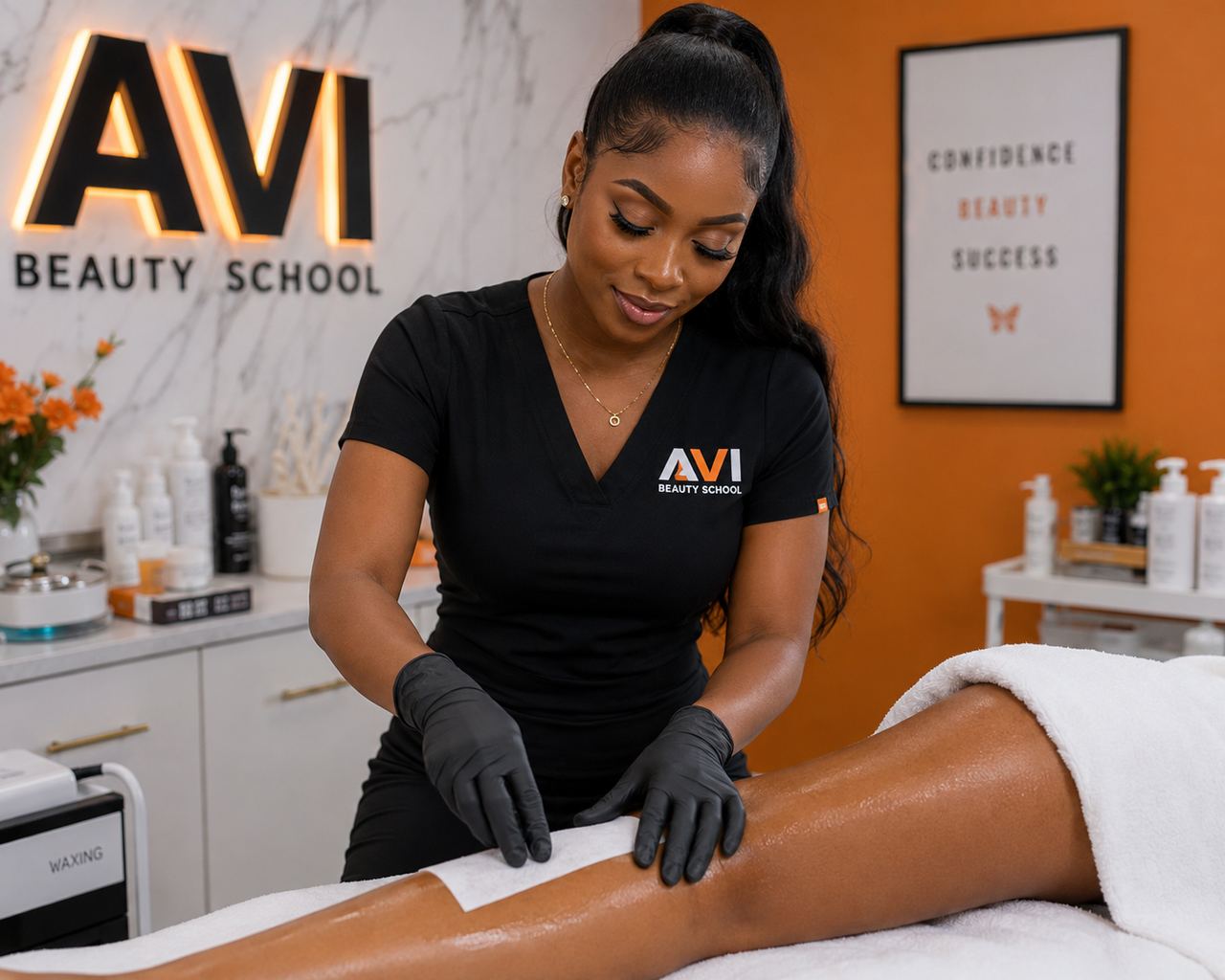
Let’s talk real numbers. The U.S. median esthetician salary sits in the range of $36,000–$42,000 per year, according to the Bureau of Labor Statistics Occupational Outlook Handbook. But national medians mask what is happening in specific regional markets — and the DMV is one of the strongest regional markets for estheticians in the entire country.
Why DMV Wages Are Higher
Northern Virginia and the DC metro area have a unique combination of factors that drive esthetician compensation above national averages:
What Clinical Specialization Does for Your Income
The single biggest income lever for an esthetician salary in Virginia is clinical specialization. Estheticians working in medical settings — dermatology offices, plastic surgery practices, oncology centers, and med spas — consistently command higher pay than those in day spas or traditional salons. Clinical estheticians in the DMV with specialized skills can realistically earn $50,000–$70,000+, especially as they build a client base and gain experience.
Factors that increase earning potential:
Job Outlook
The BLS projects continued growth in esthetician employment nationally — and the DMV market reflects that trajectory. Med spa expansion, the mainstreaming of aesthetic treatments among younger demographics, and the growth of oncology esthetics as a recognized subspecialty all point to sustained demand for licensed estheticians who are trained for clinical environments.
—
How to Get Started in Esthetics in Northern Virginia
The most direct path to becoming a licensed esthetician in Northern Virginia is to enroll in a COE-accredited esthetics program that completes Virginia’s required 600 clock hours and prepares you for NIC board exams — exactly what AVI Career Training offers in Vienna, VA.
Choosing the right school is the single most important early decision in your esthetics career. Here is what to look for — and what sets quality programs apart.
What to Look for in an Esthetics School
Accreditation matters. COE accreditation (Council on Occupational Education) means your school has met rigorous standards for curriculum quality, faculty credentials, student outcomes, and institutional integrity. SCHEV certification (State Council of Higher Education for Virginia) means the school is legally authorized to operate in Virginia and meets state-specific academic standards. Both credentials are non-negotiable signals of quality.
Curriculum depth. Does the program teach clinical techniques — chemical peels, advanced skin analysis, oncology considerations — or is it primarily spa-focused? In a market like the DMV, clinical preparation gives you a significant competitive advantage.
Inclusive training. The DMV is one of the most diverse metros in the country. An esthetics school that only teaches techniques for one skin tone is training you for a fraction of your future client base. Look for programs that explicitly train students to work on all skin tones and all skin types. This is a clinical and professional necessity, not a bonus.
Hands-on hours. All 600 required hours should involve real hands-on skill-building, not just classroom instruction. Ask any school you are considering how many hours are spent in a live clinic setting.
AVI Career Training: Esthetics in Vienna, VA
AVI Career Training is a COE-accredited, SCHEV-certified beauty and wellness school located at 1595 Spring Hill Road, Suite 720, in Vienna, Virginia — in the Tysons Corner area, easily accessible from Fairfax County, Arlington, DC, and Maryland.
AVI’s esthetics program is built for the DMV market. That means:
Learn more about AVI’s accreditations and faculty here.
Financial Aid and Veteran Benefits
AVI accepts the GI Bill® — an important detail for Northern Virginia’s large active-duty and veteran population. If you or a family member has earned education benefits through military service, those benefits can be applied to your esthetics training at AVI.
> Important note on financial aid: AVI’s esthetics program is under 600 total hours and does not qualify for federal financial aid (Title IV / FAFSA). Federal student aid is not available for this program. AVI’s admissions team can walk you through payment plan options and private financing alternatives that make training accessible. Call (703) 943-9841 to ask about current options.
Another student story: A veteran from Arlington — a former Army medic — enrolled in AVI’s esthetics program after separating from service. His clinical background gave him a head start on skin anatomy and wound-adjacent care. He used his GI Bill® benefits to cover tuition, graduated, and landed a role at a med spa in McLean within two months. His medical background and esthetics license together made him one of the most sought-after candidates his employer had seen.
—
Frequently Asked Questions
Q: Is esthetics considered a healthcare career?
A: Yes. Licensed estheticians work in dermatology offices, oncology centers, plastic surgery practices, and medical spas — environments where they perform clinically relevant skin treatments under or alongside physician supervision. This qualifies as allied health work, not traditional “beauty” employment.
—
Q: What is the difference between a medical esthetician and a spa esthetician?
A: Both hold the same state license. A medical esthetician works in a clinical setting — performing chemical peels, pre/post-surgical skin care, or oncology esthetics — while a spa esthetician focuses on relaxation treatments, facials, and general skin maintenance in a non-medical environment. The work environment and treatment scope are the primary differences.
—
Q: How many hours do you need to become an esthetician in Virginia?
A: Virginia requires 600 clock hours of approved esthetics training before you can sit for the NIC written and practical board exams. These hours must be completed at a school approved by the Virginia Department of Professional and Occupational Regulation (DPOR).
—
Q: How much does an esthetician make in the DC metro area?
A: The U.S. median esthetician salary is approximately $36,000–$42,000 per year. In the DC metro and Northern Virginia market, wages typically run 10–20% above the national median. Clinical and medical estheticians in the DMV can earn $50,000–$70,000 or more, depending on setting, specialization, and experience.
—
Q: What schools offer esthetics programs in Northern Virginia?
A: AVI Career Training in Vienna, Virginia offers a COE-accredited, SCHEV-certified esthetics program that fulfills Virginia’s 600-hour licensing requirement. The program is located in the Tysons Corner area, accessible to students from Fairfax County, Arlington, DC, and Maryland.
—
Q: Does AVI Career Training accept the GI Bill® for esthetics?
A: Yes. AVI Career Training accepts the GI Bill® for its esthetics program. Federal financial aid (Title IV / FAFSA) is not available for this program because it is under 600 total hours, but veteran education benefits and payment plan options are available. Contact AVI at (703) 943-9841 for details.
—
Q: Can I work in a medical spa with just a Virginia esthetics license?
A: Yes. A Virginia esthetics license qualifies you to work in a medical spa. Specific treatments such as laser operation may require additional certification under Virginia scope-of-practice rules, but the foundational esthetics license opens the door to med spa employment across the DMV.
—
Start Your Esthetics Career in Northern Virginia
Esthetics as a healthcare career in the DMV area is not a future possibility — it is a present reality. Licensed estheticians are working right now in dermatology offices in Tysons Corner, oncology centers in Bethesda, and med spas across