Esthetician Career Outlook in Virginia: 2026 Trends
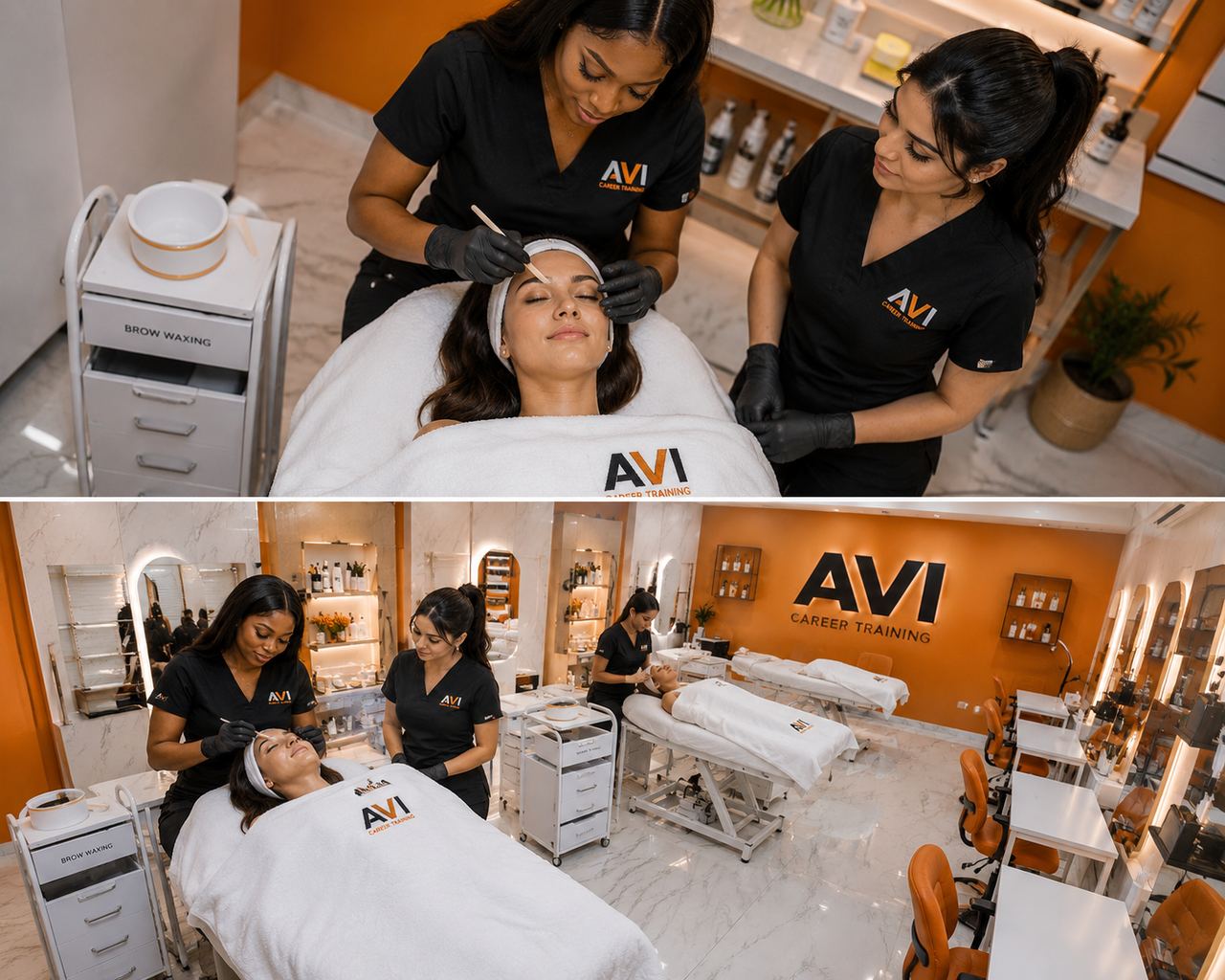
Virginia’s demand for licensed estheticians is growing — and heading into 2026, the skincare career outlook in the Northern Virginia and DC metro area is one of the strongest in the country.
The U.S. Bureau of Labor Statistics (BLS) projects skincare specialist employment to grow by more than 10% through the mid-2020s, faster than the average for all occupations. In Northern Virginia specifically, a dense corridor of med-spas, wellness centers, and high-end salons means that qualified, licensed estheticians are in real demand — not just nationally, but right in your backyard.
Whether you’re considering a career change, just graduated, or simply exploring your options, this guide breaks down exactly what the esthetics job market looks like in Virginia heading into 2026, what you can expect to earn, what it takes to get licensed, and how to take the first step.
Key Takeaways
- The BLS projects 10%+ growth in skincare specialist jobs nationally through the mid-2020s — Northern Virginia is outpacing that trend.
- Entry-level estheticians in Virginia earn approximately $36,000–$42,000/year; med-spa specialists can earn $45,000–$60,000+.
- Virginia requires 600 clock hours of esthetics training, passing NIC written and practical exams, and licensure through DPOR.
- The fastest-growing segment in 2026? Medical esthetics — particularly in the Tysons Corner and DC metro corridor.
- AVI Career Training’s Basic Esthetics program in Vienna, VA meets Virginia’s 600-hour requirement and prepares you for the Virginia State Board exam.
Ready to see if esthetics is the right path for you? Start your application at AVI Career Training today.
—
Is the Esthetics Industry Growing in Virginia?
Yes — and the growth is particularly concentrated in Northern Virginia, where you live and want to work.
Nationally, the BLS categorizes estheticians under “skincare specialists” and projects employment growth of over 10% through 2026, which is nearly double the average growth rate across all U.S. occupations. That national number is encouraging. But what makes the Virginia picture even more compelling is geography.
The Northern Virginia and DC metro area — encompassing Tysons Corner, Fairfax, Arlington, Alexandria, and the surrounding suburbs — hosts one of the highest concentrations of medical spas, luxury day spas, and wellness clinics in the Mid-Atlantic region. This area’s high median household income drives consistent consumer spending on professional skincare services, even during economic slowdowns. Skincare, once considered a luxury, has firmly crossed into the “regular maintenance” category for a large segment of the DMV population.
Beyond med-spas, Virginia’s growth in wellness tourism, self-care culture, and clinical skincare services means that esthetician job opportunities are expanding across multiple settings — from boutique facial studios to dermatology offices. The skincare career opportunities in Virginia right now are as diverse as they are plentiful.
—
The 5 Biggest Esthetics Trends Shaping 2026
The esthetics industry in 2026 isn’t just growing — it’s evolving. Knowing where it’s headed helps you choose the right training and position yourself for the roles with the most opportunity.
1. Medical and Clinical Esthetics Are Booming
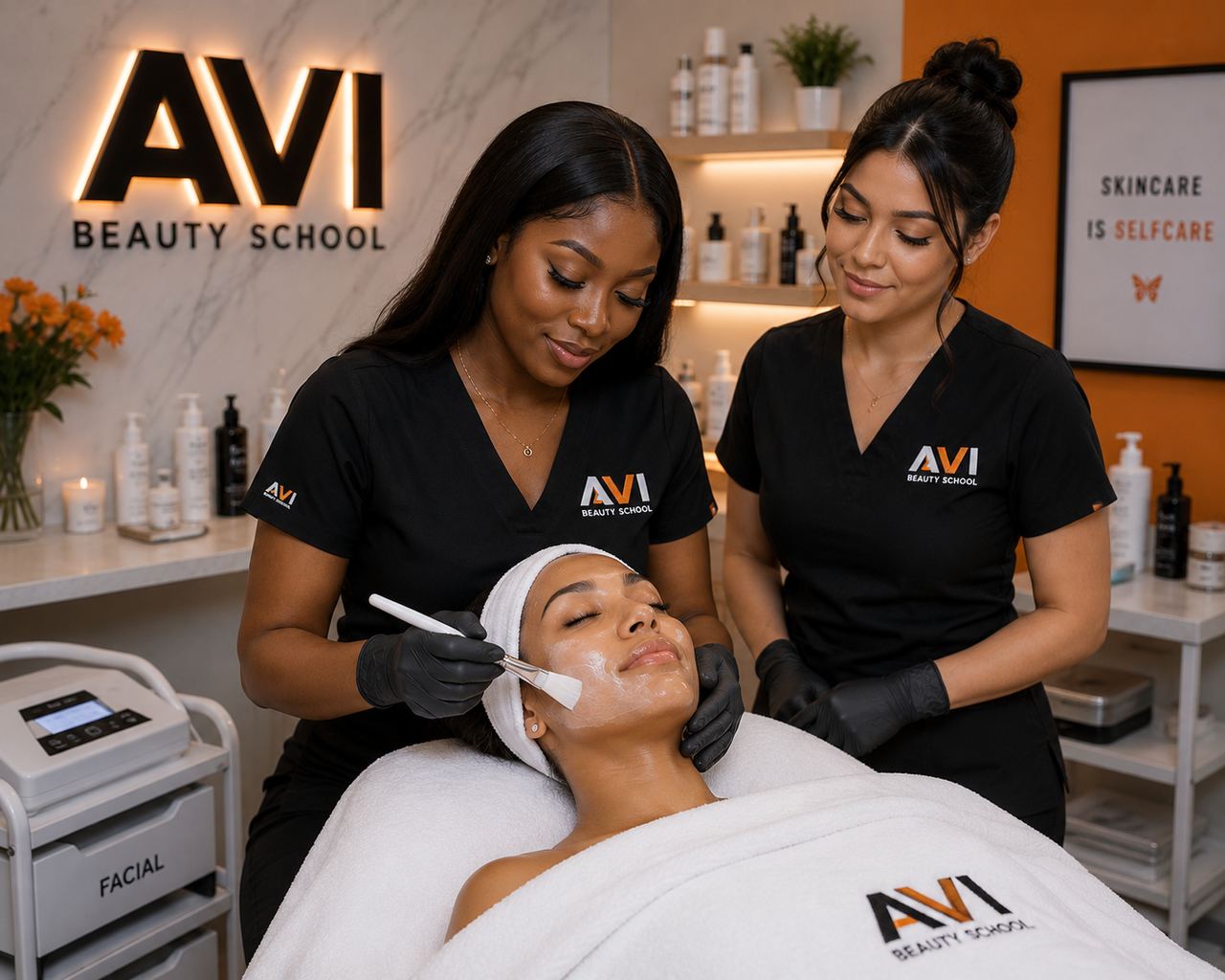
Medical esthetics jobs in Northern Virginia are among the fastest-growing opportunities in the region. Med-spas offering services like chemical peels, microneedling, laser treatments, and advanced facials are expanding rapidly throughout the Tysons Corner and DC metro corridor. Estheticians with clinical training and hands-on experience with advanced modalities are commanding the highest salaries in the industry right now.
2. Advanced Skincare Technology Is Becoming Standard
LED therapy, microcurrent facials, ultrasonic exfoliation, and high-frequency treatments are no longer “cutting edge” — they’re expected. Clients in the Northern Virginia market are educated and specific about the services they want. Estheticians who graduate with hands-on experience using these tools enter the workforce with a meaningful advantage.
3. Inclusive and Multicultural Skincare Is a Business Imperative
Northern Virginia is one of the most ethnically diverse regions in the country. Clients of every skin tone and background are seeking estheticians who understand their skin. Training that covers all Fitzpatrick skin types, melanin-rich skin, and culturally informed skincare protocols isn’t just ethically right — it’s a direct business advantage. AVI Career Training’s curriculum is built on this principle: beauty education should work beautifully on every client, every time.
4. Wellness-Integrated Services Are Growing Fast
The line between skincare and wellness is blurring. Clients want more than clean skin — they want relaxation, stress relief, and a holistic experience. Services that combine esthetics with aromatherapy, lymphatic drainage massage, and mind-body wellness protocols are growing in demand at upscale spas and wellness centers throughout Virginia.
5. Male Grooming Is a Serious Revenue Stream
The male grooming market in the U.S. is projected to continue expanding through 2026, with facial treatments, brow grooming, and acne services gaining traction among male clients. Estheticians who market confidently to all genders unlock a client base that many competitors are still ignoring.
—
What Estheticians Earn in Virginia — Realistic 2025–2026 Salary Ranges
Virginia estheticians earn competitive wages — and in Northern Virginia, salaries run consistently above the national average.
Here’s a realistic breakdown of what you can expect at different stages of your career, based on BLS data and industry compensation reports:
| Career Stage | Setting | Annual Range |
|---|---|---|
| Entry-Level | Salon / Day Spa | $36,000 – $42,000 |
| Experienced (2–4 years) | Spa / Boutique Facial Studio | $42,000 – $50,000 |
| Med-Spa Specialist | Medical Spa / Dermatology Office | $45,000 – $60,000+ |
| Self-Employed / Booth Rental | Independent Studio | Variable — $50,000–$80,000+ |
The BLS national median for skincare specialists sits at approximately $40,000–$42,000 per year (verify current figures at bls.gov). Northern Virginia consistently runs 10–20% above that figure due to higher cost of living, the concentration of med-spas, and a client base that expects — and pays for — premium services.
The base salary figure also doesn’t capture the full picture. Tips, retail product commissions, and add-on service upsells can meaningfully increase take-home income. A skilled esthetician in a high-volume Northern Virginia spa who consistently retails products and books add-ons can bring in significantly more than any base figure suggests.
A real-world example: Take Daniela, a former office administrator in Fairfax who enrolled in AVI Career Training’s Basic Esthetics program after her company downsized. She was nervous about starting over at 34. Within eight months of graduating and getting licensed, she landed a position at a med-spa in the Tysons area, starting at $44,000 base plus commission. Retail commissions pushed her closer to $52,000 in her first full year. She now manages the spa’s chemical peel bookings and is one of their highest-booked providers.
Her story isn’t unusual in this market. It’s increasingly the norm.
—
Virginia Licensing Requirements — What You Need to Practice Legally
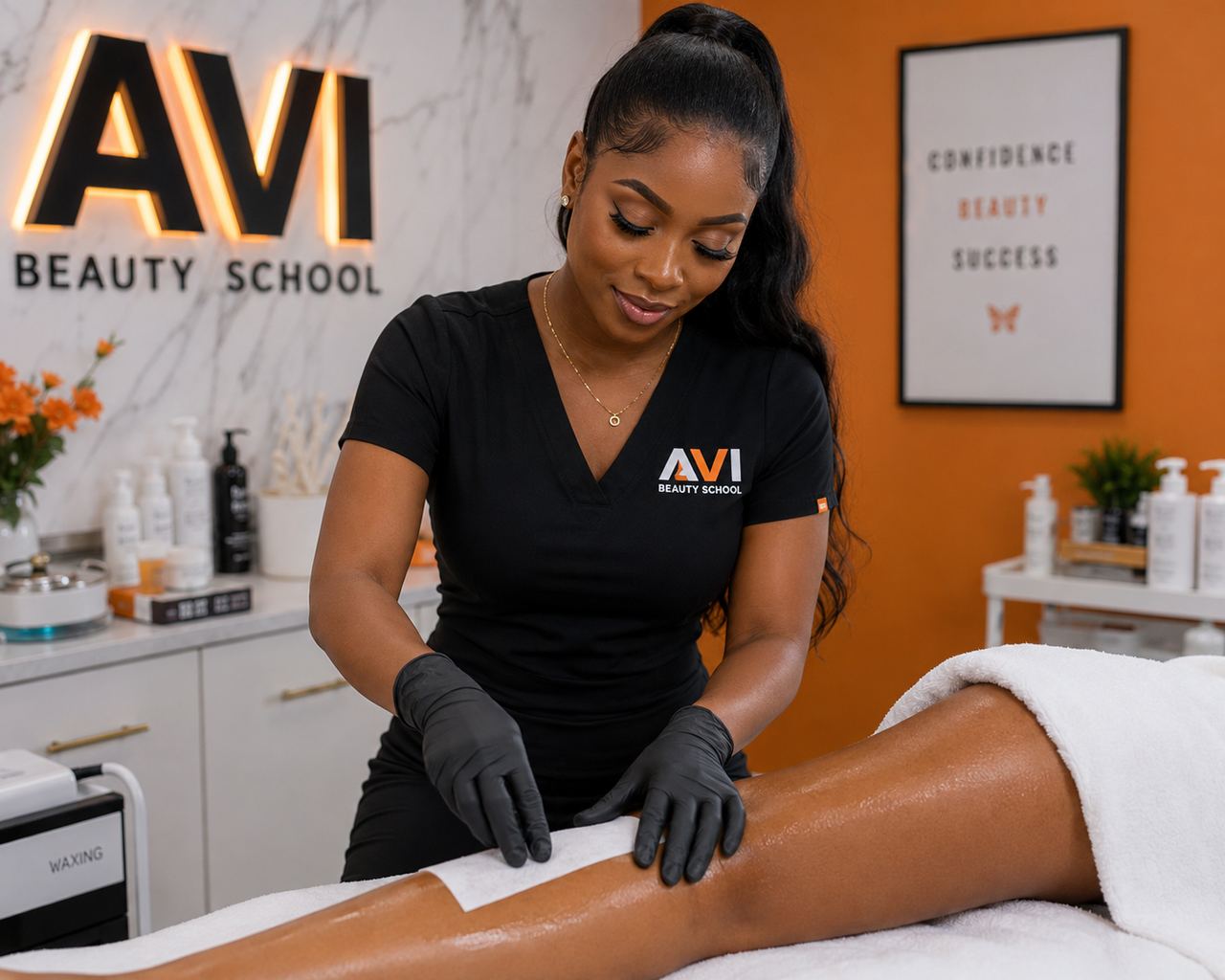
To practice as a licensed esthetician in Virginia, you need to complete three clear steps — and none of them are as daunting as they might sound.
Step 1: Complete 600 Clock Hours of Approved Esthetics Training
Virginia requires 600 clock hours of esthetics education from a state-approved school. This training must cover skincare theory, sanitation and safety, facial treatments, hair removal, and related techniques. AVI Career Training’s Basic Esthetics program (NO FINANCIAL AID FOR THIS PROGRAM) is designed specifically to meet this requirement — every hour of instruction is structured around Virginia State Board standards.
Step 2: Pass the NIC Written and Practical Exams
Virginia uses the National-Interstate Council (NIC) examination system. You’ll take two components: a written theory exam and a hands-on practical exam. Your school training prepares you for both. At AVI, exam prep is woven throughout the program — not bolted on at the end.
Step 3: Apply Through DPOR
After passing your exams, you apply for your esthetician license through the Virginia Department of Professional and Occupational Regulation (DPOR). This is the state licensing authority for estheticians and cosmetologists in Virginia. Once approved, you are legally licensed to practice in the Commonwealth.
The path from starting school to holding a Virginia esthetician license is straightforward for a focused student. Most students who enroll in a full-time 600-hour program can complete training and testing within a matter of months — giving you the ability to start working and earning well within the same year you start school.
—
How to Start Your Esthetics Career in Northern Virginia
The esthetics industry is growing, the salary is real, and the licensing path is clear — so what does a smart first move look like?
It starts with choosing the right school.
What to Look for in an Esthetics School
Not all esthetics programs are the same. When evaluating your options, look for these four things:
- Accreditation: A COE-accredited school meets nationally recognized quality standards. This matters for your credential’s credibility in the job market.
- Inclusive curriculum: You’ll be serving clients of all backgrounds and skin tones. Your training should reflect that.
- Hands-on hours: Theory is important, but esthetics is a tactile profession. Clinical, hands-on practice is non-negotiable.
- State Board alignment: Your program should be built specifically around Virginia’s 600-hour requirement and NIC exam standards — not retrofitted to meet them.
Why AVI Career Training in Vienna, VA
AVI Career Training’s Basic Esthetics program (NO FINANCIAL AID FOR THIS PROGRAM) is a 600-hour program at our Vienna, Virginia campus — right in the heart of the Northern Virginia and Tysons Corner corridor. Here’s what makes it different:
- COE Accredited and SCHEV Certified — AVI meets the highest standards of career school quality recognized at the national and state level.
- Inclusive training by design — The curriculum is built to train students on all Fitzpatrick skin types, melanin-rich skin, and the full diversity of clients you’ll encounter in a Northern Virginia practice.
- Hands-on, career-focused instruction — AVI’s instructors are licensed industry professionals, not academics. You learn what employers are actually hiring for.
- Veteran-friendly — AVI accepts the GI Bill®, making this an accessible option for veterans and military families in the DMV area.
- Location — Vienna, VA puts you minutes from Tysons Corner, one of the densest concentrations of med-spas, luxury spas, and wellness clinics in the Mid-Atlantic.
Another real story: Marcus, a 27-year-old Army veteran from Woodbridge, used his Post-9/11 GI Bill benefits to enroll at AVI Career Training after separating from service. He’d always been interested in skincare but had no idea there was a formal career path. He completed AVI’s Basic Esthetics program, passed his NIC exams on the first attempt, and now works at a medical spa in Alexandria — specializing in chemical peels and advanced facial treatments. He credits AVI’s hands-on approach with making him confident enough to walk into a clinical setting without hesitation.
⚠️ Important Note on Financial Aid for Basic Esthetics
AVI’s Basic Esthetics program is a focused 600-hour program. Federal financial aid (Title IV / FAFSA) is NOT available for this program because it meets — but does not exceed — the federal threshold for Title IV eligibility. AVI offers payment plan options and private financing to help make your training accessible. Veterans may be eligible for funding through the GI Bill®. Contact AVI at avi.edu/apply or call (703) 943-9841 to discuss your options.
—
Frequently Asked Questions
Q: How much do estheticians make in Virginia in 2025–2026?
A: Entry-level estheticians in Virginia typically earn $36,000–$42,000 per year. Experienced estheticians in Northern Virginia earn $42,000–$50,000. Med-spa specialists — particularly those working with advanced treatments like chemical peels and microneedling — can earn $45,000–$60,000 or more. Self-employed estheticians with strong clientele in the DMV area can earn well above $60,000 annually. Tips and retail commissions add meaningfully to base salary at most spa settings.
Q: Is esthetics a good career in 2026?
A: Yes — for the right person, esthetics is an excellent career in 2026. The BLS projects 10%+ growth in skincare specialist employment, and the Northern Virginia market is particularly strong due to high consumer spending on wellness and a dense concentration of med-spas. The career offers flexibility, multiple work settings, and a clear path to self-employment. Like any career, outcomes depend on the quality of your training, your licensing, and your commitment to building a clientele.
Q: What are the requirements to become a licensed esthetician in Virginia?
A: Virginia requires three things: (1) completion of 600 clock hours of esthetics training at a state-approved school, (2) passing the NIC written and practical examinations, and (3) submitting a license application to the Virginia Department of Professional and Occupational Regulation (DPOR). Once approved, you are legally licensed to practice esthetics in the Commonwealth of Virginia.
Q: What esthetics trends are shaping the industry in 2026?
A: The five biggest trends shaping esthetics in 2026 are: (1) the rapid expansion of medical and clinical esthetics, particularly in the Northern Virginia med-spa market; (2) advanced skincare technology becoming a baseline expectation rather than a specialty; (3) inclusive and multicultural skincare training becoming a professional standard; (4) wellness-integrated services that combine esthetics with holistic health protocols; and (5) the continued growth of male grooming as a mainstream revenue stream for estheticians.
Q: How long does it take to become a licensed esthetician in Virginia?
A: Virginia requires 600 clock hours of approved esthetics training. Full-time students can typically complete their hours within several months. After finishing your program, you’ll schedule and sit for the NIC written and practical exams, then apply for licensure through DPOR. From enrollment to holding a Virginia esthetician license, a focused full-time student can realistically complete the entire process within the same calendar year they start.
Q: Does AVI Career Training offer financial aid for the Basic Esthetics program?
A: Federal financial aid (Title IV / FAFSA) is not available for AVI’s Basic Esthetics program because it meets — but does not exceed — the federal clock-hour threshold for Title IV eligibility. AVI offers payment plans and private financing options. Veterans may be eligible for GI Bill® funding. Contact AVI at avi.edu/apply or call (703) 943-9841 to discuss your specific situation.