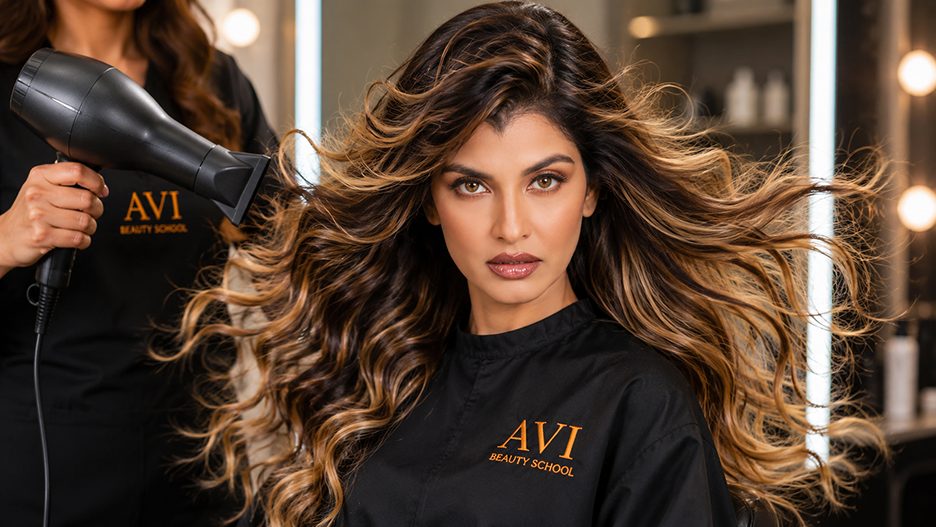
Career Change At 35 Beauty Industry Opportunities
If you are considering a career change at 35, the beauty industry offers some of the most accessible, rewarding, and financially viable paths available to adult learners today. Whether you are drawn to skincare, massage therapy, cosmetology, or medical aesthetics, accredited beauty and wellness programs can get you working in a new field in as little as a few months — without requiring a four-year degree or starting over from scratch.
Key Takeaways
- Career changers in their 30s and beyond thrive in the beauty industry because life experience and people skills are genuine professional assets.
- Many beauty and wellness programs are short enough to complete in under a year, minimizing the time you spend out of your current income.
- COE-accredited schools like AVI Career Training offer structured, career-focused programs with real clinical training.
- Federal financial aid (Title IV) is available for several programs, making tuition more manageable for adult students.
- Licensing requirements vary by specialty, and enrolling in a state-approved program is the fastest route to eligibility.
- The beauty and wellness industry is growing, with strong demand for licensed estheticians, massage therapists, nail technicians, and medical aesthetic professionals.
Why 35 Is Actually a Great Age to Enter the Beauty Industry
There is a persistent myth that career changes only make sense in your 20s. The truth is that 35 is a genuinely advantageous age to pivot into beauty and wellness. By this point in life, most people have developed communication skills, emotional intelligence, and a work ethic that younger students are still building. In client-facing careers like esthetics or massage therapy, those qualities translate directly into stronger client relationships and better tips.
Beyond soft skills, career changers often bring transferable professional experience. A former office manager understands scheduling and client retention. A teacher knows how to explain techniques clearly. A healthcare worker already has comfort with anatomy and hands-on care. The beauty industry rewards these backgrounds rather than penalizing them.
The financial picture also works in your favor. Many beauty and wellness careers offer flexible scheduling, self-employment options, and commission-based income structures that can eventually outperform the salary you are leaving behind — especially once you build a loyal clientele.
Beauty and Wellness Programs Worth Exploring
At AVI Career Training in Vienna, VA, adult career changers have access to a well-rounded menu of programs designed to move quickly from classroom to career. Here is a closer look at what is available.
Cosmetology (1,000 Hours)
Cosmetology is the broadest path in the beauty industry, covering hair cutting, coloring, chemical services, skin care basics, and nail care. At 1,000 program hours, it requires a meaningful time commitment, but graduates are licensed to work across multiple service categories, giving them maximum flexibility when entering the job market.
Basic Esthetics (600 Hours)
Esthetics is one of the most popular choices for career changers because it focuses specifically on skincare — facials, waxing, exfoliation treatments, and product knowledge. The 600-hour Basic Esthetics program at AVI Career Training is a focused, efficient path to licensure. Skincare is a booming segment of the beauty market, and licensed estheticians are in demand at spas, salons, dermatology offices, and medical facilities.
Master Esthetics (750 Hours)
For those who want to position themselves at the advanced end of the skincare field, Master Esthetics at 750 hours provides deeper training in clinical and spa treatments. This program is ideal for career changers who want to work in medical spas or high-end spa environments where clients expect expert-level knowledge.
Massage Therapy (625 Hours)
Massage therapy is one of the most satisfying career changes available in the wellness world. The 625-hour program at AVI Career Training prepares students for state licensure and covers techniques used in therapeutic, spa, and clinical settings. Importantly, this program qualifies for Title IV federal financial aid, which can significantly reduce out-of-pocket costs for eligible students.
Nail Technology (150 Hours)
At just 150 program hours, Nail Technology is one of the fastest routes to a licensed beauty career. If you are looking to enter the workforce quickly while keeping your current job during training, nail technology deserves serious consideration. Licensed nail technicians work in salons, spas, and as independent booth renters.
Laser Technician (120 Hours)
The medical aesthetics space is growing rapidly, and laser technician training at 120 hours is among the shortest professional programs available anywhere. Laser technicians perform treatments like laser hair removal, photorejuvenation, and skin resurfacing under appropriate supervision. This specialty pairs exceptionally well with a background in nursing, medical assisting, or esthetics.
Medical Assistant (600 Hours)
For career changers interested in the intersection of beauty and healthcare, the 600-hour Medical Assistant program opens doors to clinical and administrative roles in medical offices, dermatology practices, and medical spas. This program also qualifies for Title IV federal financial aid.
How to Pay for Beauty School as an Adult Career Changer
One of the most common concerns adult career changers raise is cost. The good news is that attending a COE-accredited institution like AVI Career Training means you have access to legitimate federal funding options. Title IV federal financial aid is available for the Massage Therapy and Medical Assistant programs, and our admissions team can help you understand what you may qualify for based on your individual situation.
It is important to note that we do not publish specific tuition figures here because costs can vary and should be discussed directly with our admissions staff to ensure you receive accurate, current information. What we can say is that the relatively short program lengths in beauty and wellness training mean total tuition investment is typically far lower than a traditional two- or four-year college degree.
Ready to find out what financial options are available to you? Apply online at AVI Career Training and speak with our admissions team about funding your education.
What to Expect When You Start Beauty School in Your 30s
Walking into a beauty school classroom as an adult learner can feel intimidating, but most career changers find the experience energizing rather than overwhelming. At AVI Career Training, programs are designed with structured schedules and hands-on clinical components that build confidence quickly. You will not just sit through lectures — you will be working on real clients in a supervised setting, which accelerates learning dramatically.
Adult students also tend to take their training more seriously than students who enrolled straight out of high school, simply because the stakes feel higher. That focus pays off. Instructors notice it, and so do future employers.
The social environment is typically welcoming and collaborative. Beauty school classrooms attract people of all ages and backgrounds, and the shared goal of building something new creates a genuine sense of community.
Frequently Asked Questions
Is 35 too old to go to beauty school?
Absolutely not. The beauty and wellness industry actively values mature professionals. Life experience, interpersonal skills, and professional reliability are qualities that help career changers build clientele quickly and earn the trust of employers. Many successful salon owners, lead estheticians, and spa directors made their career pivot in their 30s or even later.
How long will it take to complete a beauty or wellness program at AVI Career Training?
Program length varies by specialty. Laser Technician training is 120 hours, Nail Technology is 150 hours, Massage Therapy is 625 hours, Basic Esthetics is 600 hours, Master Esthetics is 750 hours, Cosmetology is 1,000 hours, and Medical Assistant is 600 hours. Actual calendar time depends on your schedule and how many hours per week you attend. Many adult students complete shorter programs in just a few months.
Does AVI Career Training offer financial aid for adult students?
Yes. AVI Career Training is a COE-accredited institution, and Title IV federal financial aid is available for eligible students enrolled in the Massage Therapy and Medical Assistant programs. We encourage prospective students to contact our admissions team to discuss their specific financial situation and explore all available options.
What makes AVI Career Training a good choice for a career changer?
AVI Career Training is accredited by the Council on Occupational Education (COE), which reflects our commitment to educational quality and program integrity. Our programs are career-focused and include hands-on clinical training. We are located at 112 Lawyers Rd NW Suite 3, Vienna, VA 22180, and our team is experienced working with adult learners who are making significant life transitions. You can reach us by phone at (571) 520-4417 with any questions.
What should I do first if I am ready to make the switch?
The best first step is to reach out and have a real conversation about your goals. Every career changer’s situation is different — your timeline, your financial resources, your interests, and your schedule all factor into which program makes the most sense for you. Start your application or request information at avi.edu/apply, and our admissions team will guide you through the next steps without any pressure.
Take the First Step Toward Your New Career Today
Changing careers at 35 is not a risk — it is a decision to invest in work you actually want to do. The beauty and wellness industry is growing, the programs are shorter than most people expect, and the personal reward of building a client-centered career is difficult to overstate. AVI Career Training exists to help adults like you make that transition with the right training, the right credentials, and the right support behind you.
Do not wait another year wondering what your life could look like in a new field. Apply to AVI Career Training today and take the first real step toward a beauty and wellness career that fits the life you want to build.