Aesthetician Programs From Basic To Advanced
Aesthetician programs at AVI Career Training range from a 600-hour Basic Esthetics certificate all the way up to a 750-hour Master Esthetics program, giving you a clear pathway from entry-level licensure to advanced clinical skincare skills. Whether you are just starting out or ready to take your career to the next level, understanding what each level of training covers—and how they differ—helps you make the smartest investment in your future.
Key Takeaways
- AVI Career Training offers both a 600-hour Basic Esthetics program and a 750-hour Master Esthetics program at its Vienna, VA campus.
- Basic Esthetics prepares you to sit for your Virginia state esthetician license and work in spas, salons, and skincare studios.
- Master Esthetics builds on foundational skills with advanced techniques used in medical and clinical settings.
- AVI is accredited by the Council on Occupational Education (COE), a nationally recognized accrediting body.
- The school is located at 112 Lawyers Rd NW Suite 3, Vienna, VA 22180, and can be reached at (571) 520-4417.
- Financial aid, including Title IV federal financial aid, may be available to eligible students in qualifying programs.
- You can start the enrollment process any time at avi.edu/apply.
What Does “Aesthetician” Mean, and Why Does the Level of Training Matter?
The word “aesthetician” (also spelled “esthetician”) refers to a licensed skin care professional trained to cleanse, analyze, and treat the skin. However, not all aestheticians are trained to the same level. In Virginia—and across the country—state boards draw a clear line between a standard esthetician license and a master esthetician license. The number of training hours you complete, the techniques you learn, and the environments where you are legally permitted to work all depend on which level of program you finish.
For career changers, recent high school graduates, or anyone exploring the beauty and wellness industry, choosing the right program tier from the start can save time, money, and frustration. Let’s walk through both options available at AVI Career Training.
Basic Esthetics: Your Entry Point Into the Skincare Industry
AVI’s Basic Esthetics program is 600 hours of hands-on, classroom, and clinic training designed to give students a thorough grounding in professional skincare. This program is built around the competencies you need to pass your state board examination and begin working with clients right away.
What You’ll Learn in the 600-Hour Program
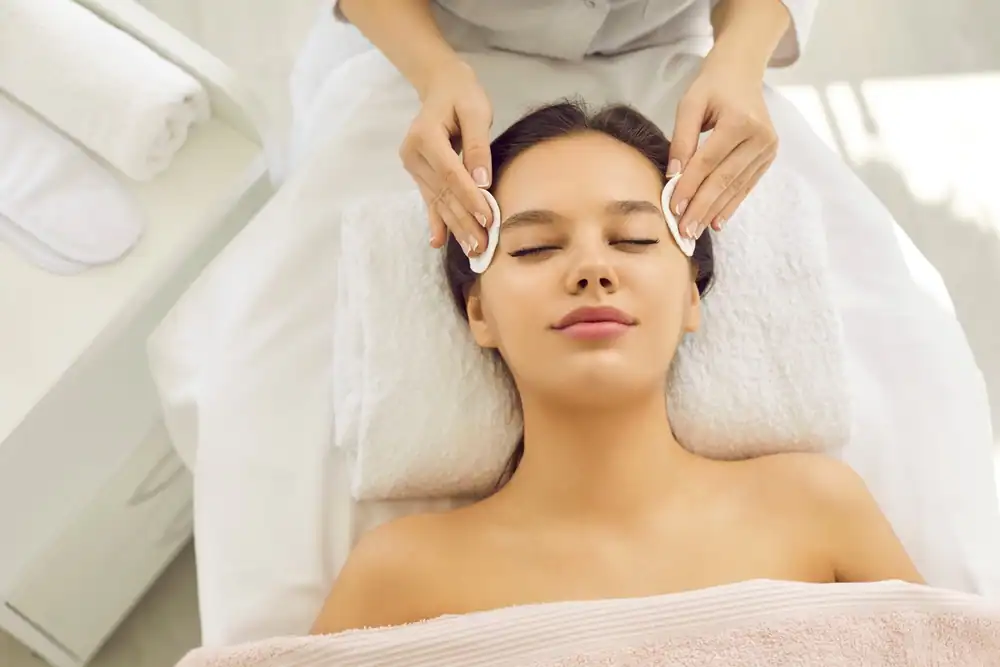
During the Basic Esthetics program, students cover a wide range of topics and practical skills. Coursework typically includes skin anatomy and physiology, facial treatments, hair removal techniques such as waxing and threading, makeup application, product chemistry, sanitation and infection control protocols, and client consultation methods. You will also spend significant time in a supervised clinic setting treating real clients, which is where textbook knowledge transforms into professional confidence.
By the time you complete the 600-hour program, you will have built a strong technical foundation and a portfolio of hands-on experience that employers in day spas, resort spas, medical offices, and skincare boutiques are actively looking for.
Career Opportunities After Basic Esthetics
A Virginia esthetician license opens doors to a range of rewarding positions. Many graduates go on to work in day spas, hotel and resort spas, salons that offer skincare services, and retail skincare environments. Others use the credential as a launchpad for entrepreneurship, eventually opening their own studios or mobile skincare businesses. The demand for skilled estheticians continues to grow as consumers place greater emphasis on self-care and professional skincare routines.
Ready to get started? Apply to AVI Career Training today and take the first step toward your esthetics career.
Master Esthetics: Taking Your Skills to a Clinical Level
Once you have your basic licensure—or if you are ready to pursue an advanced credential from the beginning—AVI’s Master Esthetics program offers 750 hours of in-depth training that goes significantly beyond what is covered in the foundational course. This program is designed for students who want to work in medical spas, dermatology offices, plastic surgery centers, and other clinical or medically adjacent environments.
What Sets Master Esthetics Apart
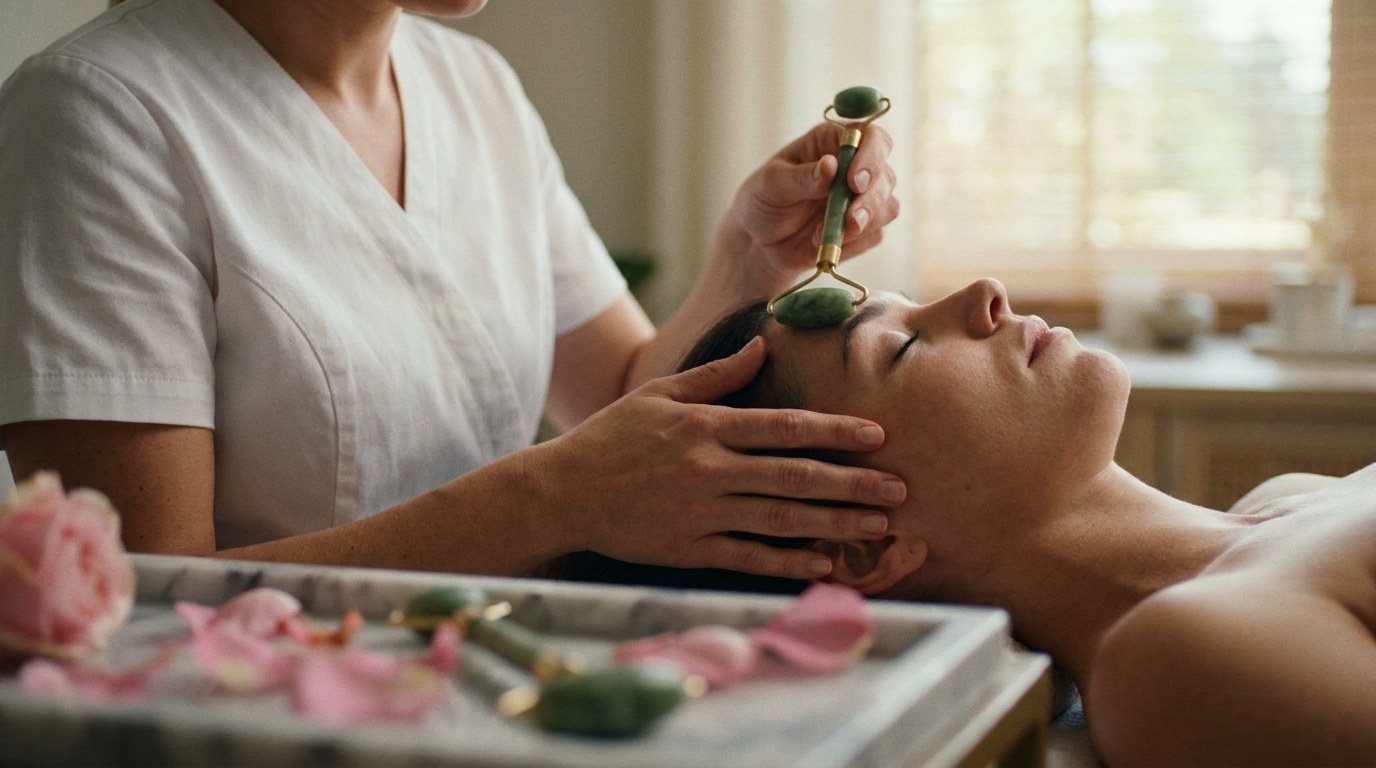
The additional hours in the Master Esthetics program are not simply more of the same content. Advanced curricula introduce students to more sophisticated treatment modalities, deeper skin analysis techniques, and a stronger focus on the science behind skin conditions and corrections. Topics may include advanced chemical exfoliation concepts, microdermabrasion, microcurrent applications, lymphatic drainage massage for the face, and specialized treatments for conditions such as hyperpigmentation, acne, and aging skin.
The clinical emphasis in master-level training also means a deeper engagement with health history intake, contraindication assessment, and working alongside licensed medical professionals. These are skills that set master estheticians apart in a competitive job market and make them highly attractive to medical spa and dermatology employers.
Who Should Consider Master Esthetics?
Master Esthetics is an excellent choice for students who already know they want to work in a clinical or medically supervised environment. It is also a smart option for working estheticians who have their basic license and want to elevate their credentials, expand their service menu, and command higher earning potential. Because the program is more advanced, students tend to come in with a clear sense of purpose, which makes for an engaged and motivated learning environment.
How AVI Career Training Supports Your Journey
AVI Career Training is a COE-accredited institution, which means the school’s programs have been evaluated and recognized for meeting rigorous standards of educational quality. Accreditation matters because it signals to employers that your credential comes from a reputable institution, and it may also affect your eligibility for certain types of financial aid.
The school’s Vienna, VA location—at 112 Lawyers Rd NW Suite 3, Vienna, VA 22180—puts it in a convenient Northern Virginia location accessible to students from across the greater Washington, DC metro area. The admissions team is available by phone at (571) 520-4417 to answer your questions about program schedules, prerequisites, and anything else on your mind before you enroll.
AVI also offers a range of other programs for students exploring different corners of the beauty, wellness, and healthcare fields, including Cosmetology (1,000 hours), Nail Technology (150 hours), Massage Therapy (625 hours), Laser Technician (120 hours), and Medical Assistant (600 hours), among others. This breadth of programming means that many students at AVI are cross-training or combining credentials to build a more versatile and competitive professional profile.
Frequently Asked Questions About Aesthetician Programs at AVI
1. What is the difference between the Basic Esthetics and Master Esthetics programs?
The Basic Esthetics program is 600 hours and prepares students for their entry-level Virginia esthetician license, covering fundamental skincare techniques, facial treatments, hair removal, and makeup application. The Master Esthetics program is 750 hours and builds on that foundation with advanced clinical techniques, a deeper focus on skin science, and skills suited to medical spa and dermatology environments. Both programs are offered at AVI Career Training in Vienna, VA.
2. Do I need to complete Basic Esthetics before enrolling in Master Esthetics?
This depends on your background and current licensure status. Students who already hold a basic esthetician license may be able to enroll directly in the Master Esthetics program, while those who are brand new to the field typically begin with the 600-hour Basic Esthetics program. The best way to clarify which pathway is right for your situation is to contact AVI directly at (571) 520-4417 or reach out through the application page.
3. Is financial aid available for esthetics programs at AVI Career Training?
AVI Career Training participates in Title IV federal financial aid programs, which may be available to eligible students in qualifying programs. Because eligibility depends on individual financial circumstances and program qualifications, we encourage you to speak with the AVI admissions team directly to learn what options may be available to you. Tuition figures are not published here, so contacting the school is the best way to get accurate, up-to-date cost information.
4. Is AVI Career Training an accredited school?
Yes. AVI Career Training is accredited by the Council on Occupational Education (COE), a nationally recognized accrediting body that evaluates occupational and vocational institutions for educational quality and integrity. COE accreditation is an important marker of program credibility and can be relevant when seeking employment or applying for certain forms of financial assistance.
5. How long does it take to complete an esthetics program, and what happens after graduation?
The Basic Esthetics program is 600 hours and the Master Esthetics program is 750 hours. The actual calendar time to complete either program depends on your schedule and the pace of the course format you choose. After completing your program hours, you will need to pass your Virginia state board examination to receive your license. Once licensed, graduates typically pursue positions in day spas, medical spas, salons, or start their own businesses. AVI’s career-focused curriculum is designed specifically to prepare you to succeed in that next step.
Your Next Step Starts Here
Whether you are drawn to the approachable entry point of a 600-hour Basic Esthetics certificate or excited by the advanced clinical scope of the 750-hour Master Esthetics program, AVI Career Training has the curriculum, the instructors, and the accreditation to support your goals. The skincare industry rewards skill, knowledge, and professionalism—and the right training program is where all three begin.
If you are ready to learn more, the team at AVI is here to help. Visit the school at 112 Lawyers Rd NW Suite 3, Vienna, VA 22180, call (571) 520-4417, or take the easiest first step right now: submit your application online at avi.edu/apply and let AVI Career Training help you build the skincare career you have been imagining.