
Summary:
You’re looking at your options. College feels expensive, long, or just wrong for where you are right now. Maybe you need work that’s creative and hands-on. Maybe you’re already working and can’t afford to stop earning for four years. Maybe you want a career where your skills matter more than a diploma.
Cosmetology school in Fairfax County, VA opens doors to esthetics, skincare, makeup, and beauty careers where training takes months, not years, and where the work is as flexible or ambitious as you make it. The debt is manageable. The timeline is realistic. And the demand? It’s there.
Here’s what you need to know about programs, costs, what you’ll actually learn, and whether this makes sense for your situation.
Esthetician Classes: Training, Timeline, and What You Actually Learn
Esthetician classes teach you to work with skin—analyzing it, treating it, helping clients feel confident in it. Virginia requires 600 hours of state-approved training before you can sit for your esthetics license exam. That’s about 4-6 months full-time, or 9-12 months part-time, depending on your schedule.
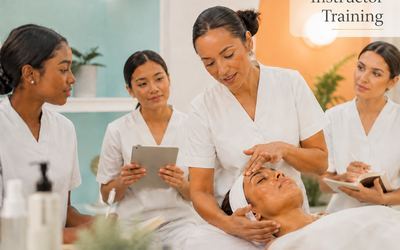
The curriculum isn’t theoretical. You learn skin anatomy, facial treatments, chemical peels, microdermabrasion, waxing, makeup application, and sanitation protocols that keep you and your clients safe. You work with real people under supervision, so by graduation, you’ve already done the work—not just read about it.
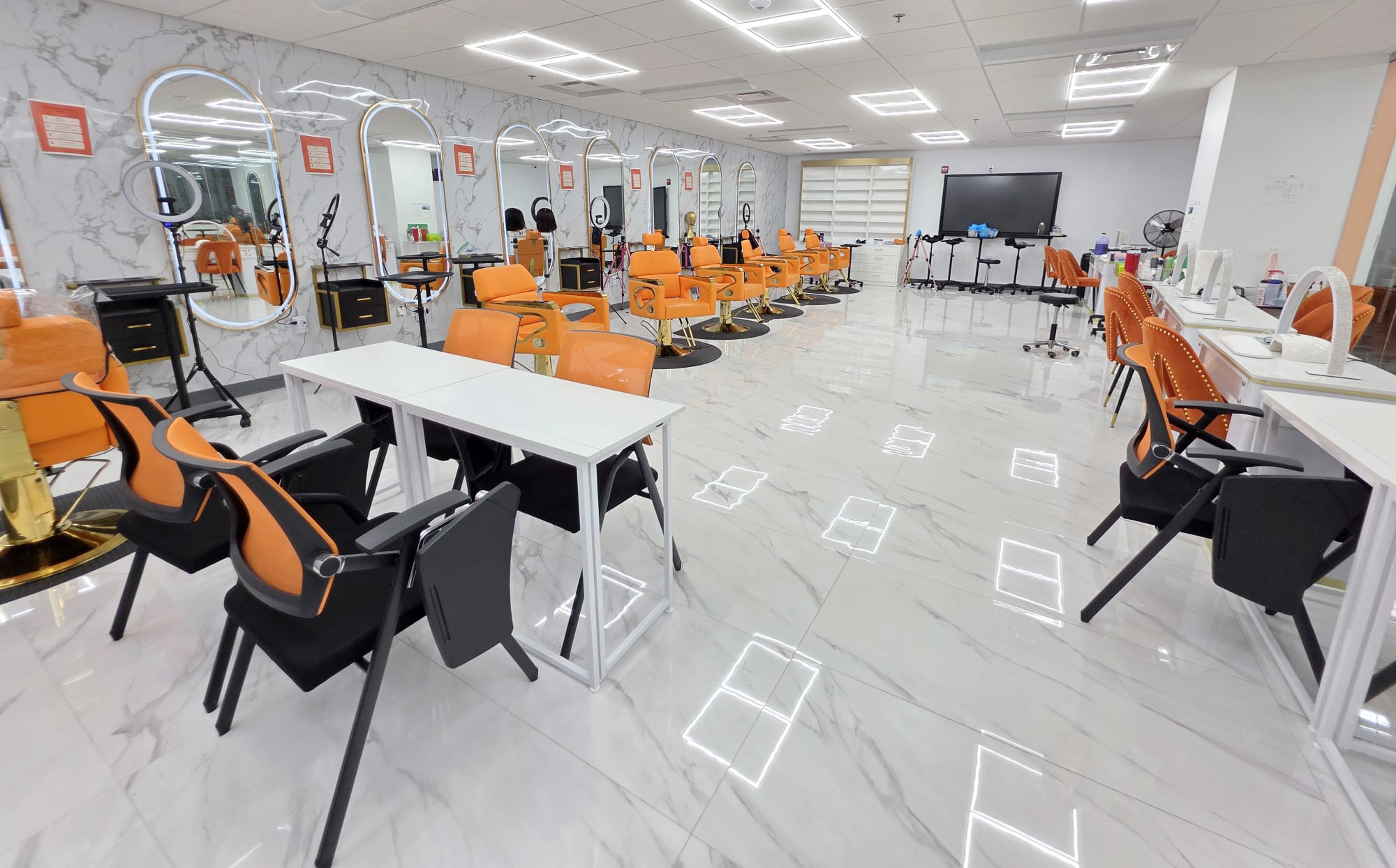
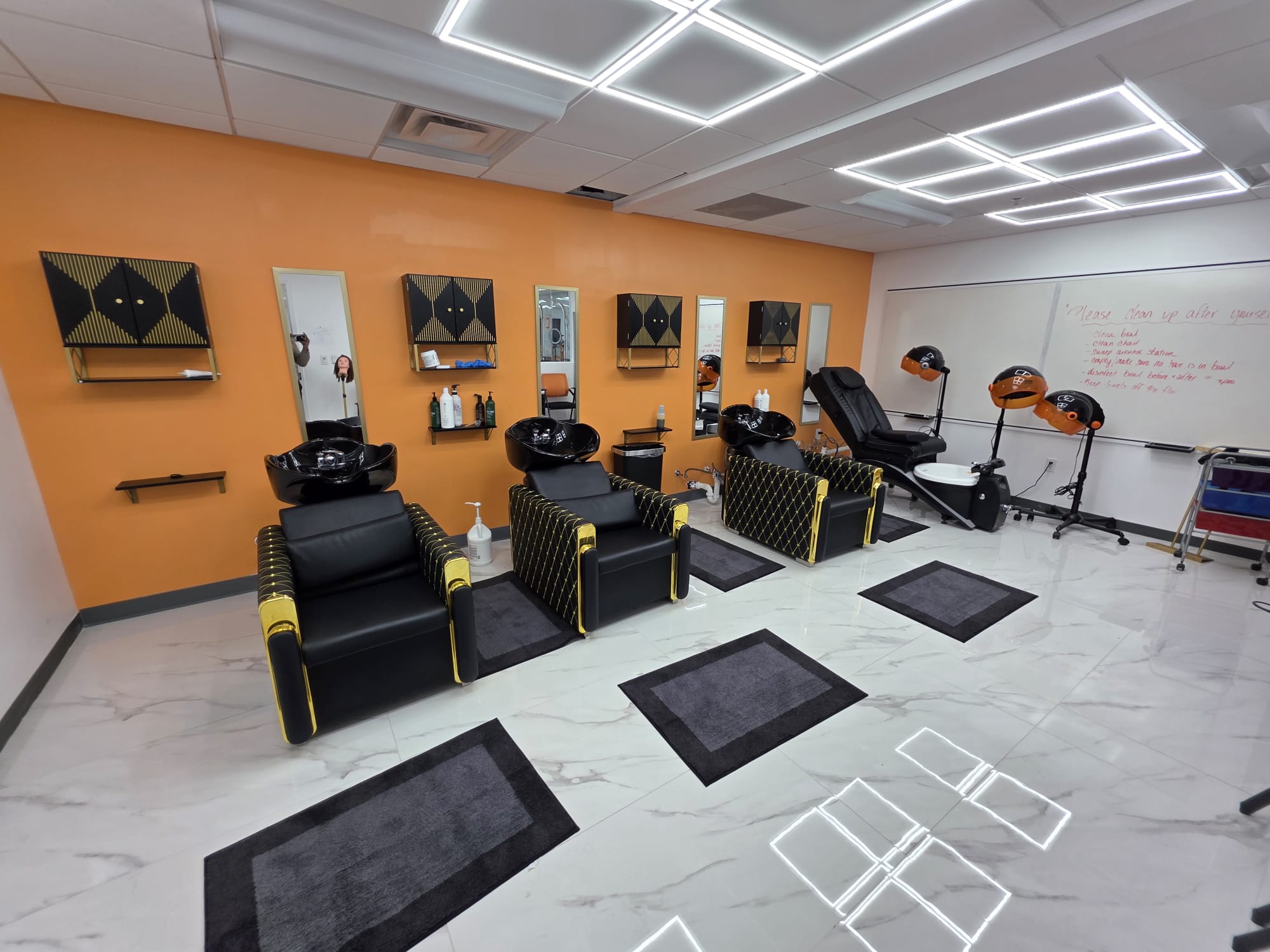
Our programs in Fairfax County, VA include hands-on training with professional product lines like Dermalogica® and IMAGE Skincare®, the same brands used in high-end spas and medical offices. We also cover specialized skills like lash extensions, dermaplaning, and advanced facial techniques that expand what you can offer clients and how much you can charge right out of school. The more you can do, the more valuable you are to employers and the faster you build your own client base.
Aesthetician School vs. Esthetician School: Same License, Different Spelling
If you’ve been searching online, you’ve seen both “esthetician” and “aesthetician” used to describe the same career. They’re interchangeable. “Esthetician” is more common in the U.S., while “aesthetician” shows up in medical settings or international contexts. The spelling doesn’t affect your training, your license, or your job prospects.
What does matter is the program’s accreditation and whether it prepares you for the Virginia State Board exam. Look for schools accredited by the Council on Occupational Education (COE) or approved by the State Council of Higher Education for Virginia (SCHEV). Accreditation affects your eligibility for financial aid and signals to employers that your training meets professional standards.
Pay attention to class size and how much hands-on clinic time you’ll actually get. Smaller classes mean more personalized feedback during practical sessions, which directly impacts how confident you feel performing facials, waxing, and treatments on real clients. Ask schools how many hours of supervised client work you’ll complete—not just how many hours the state requires, but how much real practice you’ll have before you’re on your own. That’s where skill gets built.
Also ask about externship opportunities. Some aesthetician school programs partner with local spas, salons, and medical offices to place students in real work environments before graduation. These externships give you professional references, networking connections, and sometimes direct job offers. We maintain strong industry relationships that can make your transition from student to working professional significantly smoother.
Esthetician Training Program Schedules: Full-Time, Part-Time, and Evening Options
Most people can’t just stop working to go back to school, which is why esthetician training programs in Fairfax County, VA offer flexible scheduling. Full-time day programs, evening classes, and weekend options let you complete the same 600 hours on a timeline that doesn’t force you to choose between training and paying bills.
Full-time programs typically run Monday through Thursday, 9:30 AM to 5:00 PM, getting you licensed in about 4-5 months. Part-time evening programs might meet two evenings weekly (5:00 PM to 9:30 PM) plus Saturdays or Sundays, stretching training to 9-12 months but keeping your days free for work. The curriculum is identical—only the timeline changes.
We offer rolling admissions, which means you don’t wait for traditional semester starts. We start new classes the second week of every month, so you can begin as soon as you’re ready rather than waiting months for the next enrollment period. This flexibility matters when you’re transitioning from another job or need to start earning in a new field quickly.
Financial aid eligibility doesn’t change based on your schedule. Whether you attend full-time or part-time, you can still apply for federal student aid through FAFSA, qualify for Pell Grants if eligible, and access the same payment plans. The key is choosing a Title IV-approved school, which opens access to federal funding programs including grants that don’t require repayment and loans with favorable terms compared to private financing.
Medical Esthetician School: Advanced Training for Higher-Paying Clinical Roles
Once you’re a licensed esthetician, you can pursue medical esthetician school—advanced programs that open doors to medical spas, dermatology offices, and plastic surgery practices where pay is significantly higher than traditional spa work. These aren’t entry-level positions. They require additional training, but they position you in a more clinically respected, better-compensated role.
Medical esthetician programs require an additional 600 hours beyond your basic esthetics license. You learn advanced modalities like microcurrent therapy, LED light therapy, lymphatic drainage, and pre- and post-surgical skincare. You also gain deeper understanding of skin conditions, medications that affect skin, and how to work safely alongside medical professionals who expect clinical-level competence.
In Virginia, master estheticians earn an average of $66,326 annually compared to $44,984 for basic estheticians—nearly 50% more. In high-income areas like Fairfax County, Arlington, and Alexandria, master estheticians often earn even more, especially in medical settings where clients pay premium prices for results-driven treatments, not just relaxation.
Medical Esthetician Program Requirements and Career Opportunities in Northern Virginia
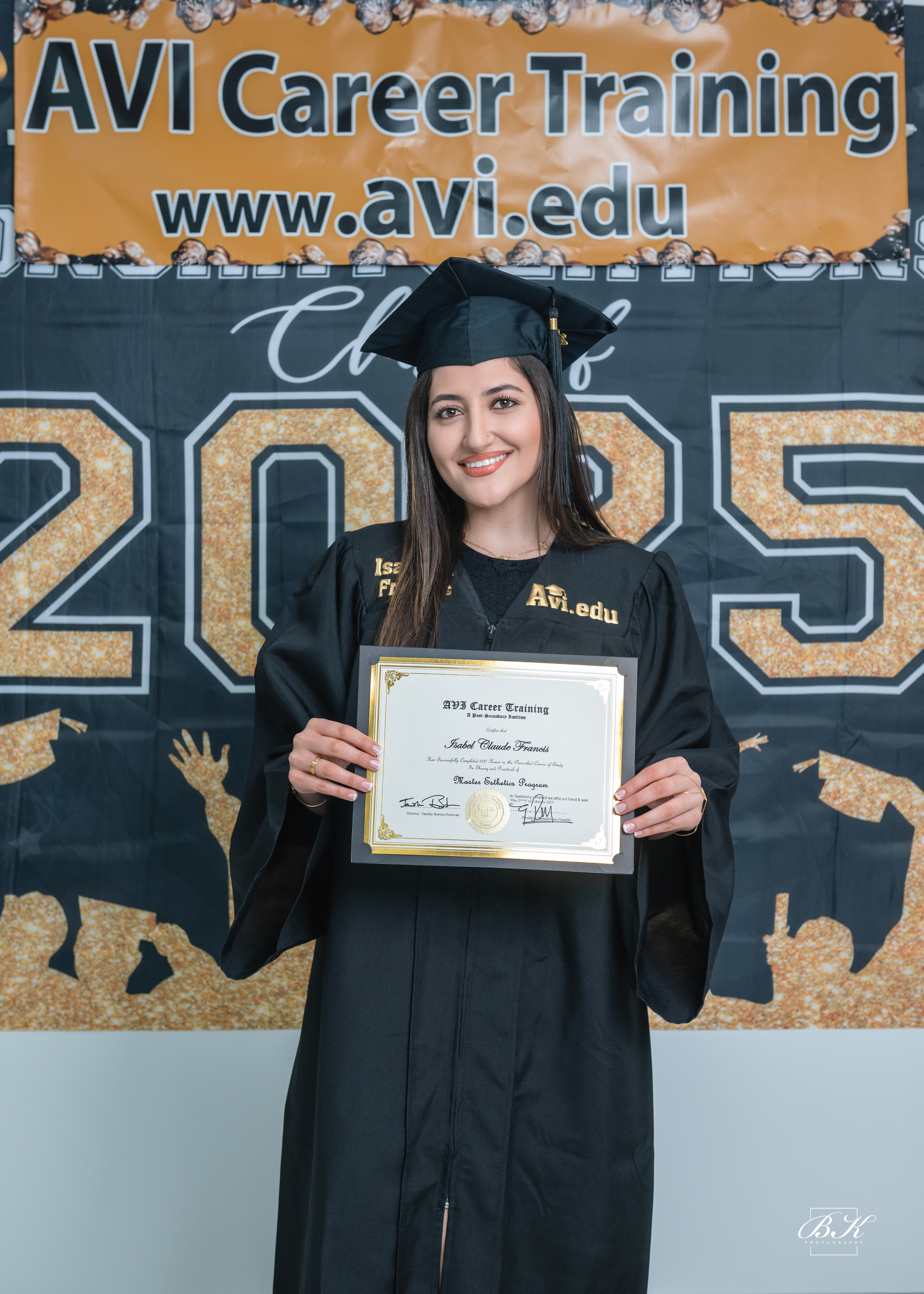
To enroll in a medical esthetician program, you must already hold a basic esthetics license in Virginia. The additional 600-hour master esthetics program builds on that foundation with advanced clinical training—you’re not starting from scratch, you’re specializing. This means you need to complete your basic training, pass your state board exam, and often gain some real-world experience before pursuing the master level.
Career opportunities for master medical estheticians include dermatology clinics, plastic surgery centers, medical spas (med spas), oncology esthetics (helping cancer patients manage skin changes from treatment), and even training roles educating other estheticians. These positions often come with benefits, stable hours, and the professional respect that comes with working in healthcare settings rather than traditional spas.
The demand for medical esthetician training grew 35% between 2021 and 2023, driven by the expansion of med spas and the increasing overlap between medical and cosmetic skincare. Clients want results, and they’re willing to pay for treatments that combine medical-grade technology with personalized care from a skilled esthetician. This trend isn’t slowing—the skincare industry is growing from $162 billion in 2025 to a projected $222 billion by 2030, with medical esthetics leading that growth.
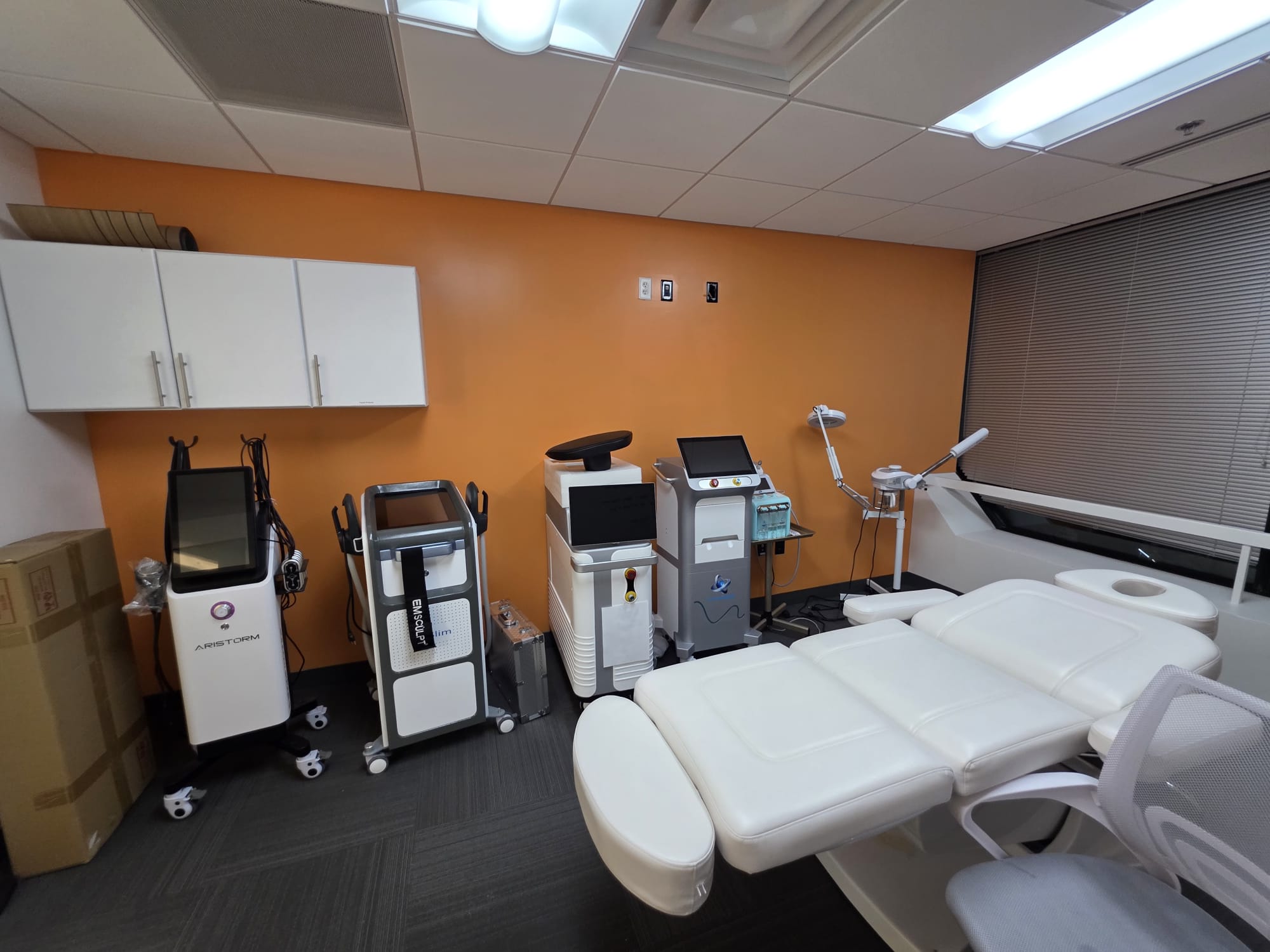
Look for programs that include training on devices and technologies common in medical settings: microdermabrasion machines, chemical peel protocols for different skin types and conditions, laser safety (even if you won’t operate lasers, you need to understand contraindications), and consultation skills for working with clients who have medical skin concerns. Some programs also cover basics of medical billing and insurance, which is valuable if you plan to work in a practice that bills procedures to insurance.
Jobs That Pay Well With No Experience: How Esthetics Compares to Other Career Paths
When people search for jobs that pay well with no experience, they’re usually looking at trades, healthcare support roles, sales positions, and beauty careers. Esthetics holds its own in this comparison. The training is shorter than most trades (electricians and plumbers typically need 4-5 year apprenticeships), the work environment is generally more comfortable, and the career offers more creative expression than many alternatives.
Compared to other jobs for women without a degree—retail management, administrative work, customer service—esthetics offers better long-term earning potential and more control over your schedule. Once you’re licensed and experienced, you can work for an employer with benefits, rent booth space and work independently, or build a mobile business serving clients in their homes. That level of flexibility is rare in entry-level careers that don’t require a four-year degree.
Starting salaries for newly licensed estheticians in Virginia range from $35,000 to $45,000 annually, which is competitive with many entry-level jobs requiring a bachelor’s degree. With experience, advanced certifications, and a strong client base, estheticians regularly earn $50,000-$70,000 or more. Master estheticians and those in medical settings often exceed $75,000. Factor in tips and product commissions—common in spa and salon environments—and your actual take-home pay can be 20-30% higher than your base salary.
The beauty industry also offers multiple advancement paths that don’t require going back to school for years. You can specialize in medical esthetics, become a lash artist, train in permanent makeup, pursue instructor certifications to teach other estheticians, or open your own spa or salon. Each path builds on your existing license and experience rather than requiring you to start over. That’s different from many high paying jobs with no experience and no degree, where advancement often means switching careers entirely or going back for formal education you initially avoided.
Starting Your Esthetics Training in Fairfax County, VA: Next Steps
Cosmetology school offers a realistic path to creative, flexible work without the time and debt of traditional college. In Fairfax County, VA, you can complete esthetician training in 4-12 months depending on your schedule, access financial aid to make it affordable, and start earning in a field with consistent demand and room to grow.
The work requires technical skill, people skills, and genuine interest in helping others feel confident. But if you’re looking for a career that combines creativity with tangible results, offers specialization options, and doesn’t require four years of your life and six figures of debt, esthetics deserves serious consideration. Programs typically cost $16,500-$20,000 total, which is a fraction of what you’d spend on a bachelor’s degree, and you can often access federal financial aid including grants that don’t need to be repaid.
Whether you’re interested in basic esthetics, master medical esthetician work, lash artistry, or building a mobile beauty business, the foundation starts with quality training from an accredited program. Visit schools in person, talk to current students and graduates, and make sure the program aligns with your career goals and learning style. When you’re ready to take the next step, reach out to us to learn about our programs, tour our Tysons Corner facility, and see if cosmetology school is the right fit for your future.