
Why The Best Esthetician Program For 2026 Focuses On Prejuvenation And Barrier Support
The best esthetician program for 2026 focuses on prejuvenation and barrier support because today’s clients are younger, more ingredient-savvy, and determined to protect their skin before visible aging begins — and schools that teach these forward-thinking techniques are producing graduates who are genuinely ready for the modern treatment room. At AVI Career Training in Vienna, VA, our Basic Esthetics and Master Esthetics programs are built around exactly these priorities, blending time-tested fundamentals with the science-driven skills the industry demands right now.
Key Takeaways
- Prejuvenation — proactive skincare that prevents premature aging — is the fastest-growing service request among millennial and Gen Z clients.
- Barrier support education teaches estheticians how to protect and restore the skin’s natural lipid layer, reducing sensitivity and chronic inflammation.
- AVI Career Training’s Basic Esthetics program covers 600 hours; the Master Esthetics program covers 750 hours, both recognized by the Commission on Excellence in Education (COE).
- Title IV federal financial aid is available for qualifying programs, making professional training accessible regardless of financial background.
- Graduates who understand prejuvenation and barrier science can command higher service prices and build stronger client retention.
- Vienna, VA is a growing market for premium wellness services, putting AVI graduates right where demand is rising.
What Is Prejuvenation — And Why Does It Define Modern Esthetics?
A decade ago, most clients scheduled their first facial appointment after they noticed fine lines or sun damage. That timeline has flipped. Clients in their mid-twenties and early thirties now arrive asking about antioxidants, SPF layering, peptide serums, and how to keep collagen intact long before it starts to break down. The industry term for this mindset is prejuvenation: proactive, science-backed strategies that slow the visible signs of aging rather than reversing them after the fact.
For estheticians, this shift is significant. It means clients are no longer passive; they come in with research, ingredient lists, and expectations. An esthetician who can speak fluently about ceramide ratios, niacinamide percentages, and the role of UV-induced oxidative stress is not just a service provider — they become a trusted skin health advisor. That level of expertise requires intentional, current training, which is exactly what separates a great esthetics program from an outdated one.
The Skin Barrier: Why It’s Now Central To Every Treatment Plan
Barrier support has moved from niche concern to mainstream priority. The skin’s outermost layer — the stratum corneum — acts as a protective shield, regulating moisture loss and blocking environmental aggressors. When that barrier is compromised by over-exfoliation, harsh actives, stress, or pollution, the result is redness, dehydration, sensitivity, and accelerated aging. Many clients seeking esthetics services today are, unknowingly, dealing with a damaged barrier caused by over-ambitious at-home routines they found on social media.
Estheticians trained in barrier science know how to assess skin health accurately, recommend appropriate active ingredients without causing further disruption, and design treatment plans that rebuild lipid integrity over time. This approach produces measurable results that clients can see and feel — which translates directly into repeat bookings and word-of-mouth referrals.
How AVI Career Training Prepares You For This Shift
At AVI Career Training, located at 112 Lawyers Rd NW Suite 3, Vienna, VA 22180, the esthetics curriculum is designed to reflect what the industry actually needs — not what it needed ten years ago. Whether you choose the Basic Esthetics track at 600 hours or the more advanced Master Esthetics track at 750 hours, your training will include the practical and theoretical foundations that support a prejuvenation-focused career.
Basic Esthetics (600 Hours)
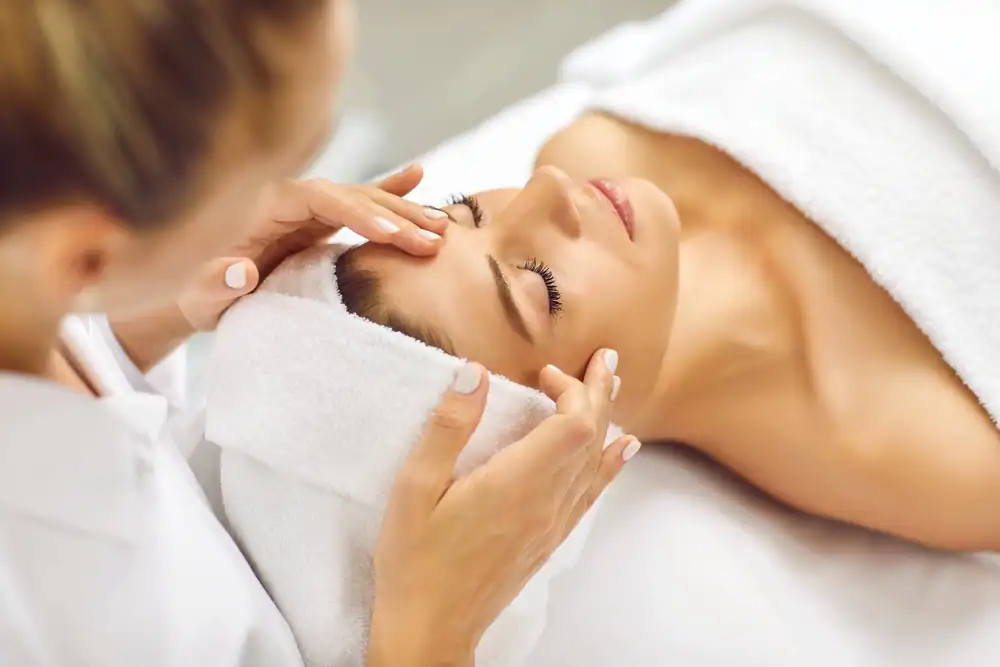
The Basic Esthetics program covers the essential competencies every licensed esthetician needs: skin analysis, manual extractions, facial massage, chemical exfoliation, hair removal, and client consultation. Critically, it weaves in the science of skin physiology — including how the barrier functions, what disrupts it, and how different treatment modalities interact with skin health. Graduates are eligible to sit for the Virginia state licensing exam and can immediately begin working in spas, salons, medical offices, or wellness centers.
Master Esthetics (750 Hours)
The Master Esthetics program is designed for students who want to work in clinical or medical esthetics environments where the scope of practice is broader and the treatments are more advanced. At 750 hours, this track introduces more complex modalities and deepens the science foundation, preparing graduates for roles alongside dermatologists, plastic surgeons, and integrative wellness practitioners — exactly the settings where prejuvenation consultations and advanced barrier protocols are standard practice.
Financial Aid and Accessibility
AVI Career Training is accredited by the Commission on Excellence in Education (COE), and Title IV federal financial aid is available for qualifying programs. That means cost does not have to be the reason you delay starting your career. Call us at (571) 520-4417 to speak with an admissions advisor about your options, or visit us at our Vienna location to tour the school in person.
Ready to take the first step? Apply to AVI Career Training today and find out which esthetics track is right for your goals.
The Career Advantage of Learning These Skills Now
The timing matters. Estheticians entering the workforce in 2026 who already understand prejuvenation principles and barrier repair science will have a measurable advantage over graduates from programs that haven’t updated their curriculum. Here’s why that matters in practical terms:
- Higher service value: Clients are willing to invest more in estheticians who can explain why a treatment works, not just perform it.
- Stronger retail revenue: An esthetician who can connect barrier science to specific product ingredients drives retail sales naturally and ethically.
- Broader client base: Younger clients are actively seeking estheticians who speak their language. Meeting them where they are builds a loyal, long-term client roster.
- Medical esthetics readiness: Medical spas and dermatology clinics increasingly look for candidates with advanced skin science knowledge — skills taught in AVI’s Master Esthetics track.
Vienna, VA and the broader Northern Virginia and DC metro area are home to a highly educated, health-conscious population with strong disposable income. Wellness and premium skincare services are not a trend here — they are a consistent market reality. AVI Career Training puts you directly in that ecosystem from day one of your education.
Frequently Asked Questions
1. What is the difference between Basic Esthetics and Master Esthetics at AVI Career Training?
The Basic Esthetics program is 600 hours and covers foundational skills including skin analysis, facials, hair removal, and chemical exfoliation — everything needed to pass the Virginia state licensing exam and begin working as a licensed esthetician. The Master Esthetics program is 750 hours and builds on that foundation with more advanced treatment modalities and a deeper focus on clinical and medical esthetics environments. If you’re interested in working alongside medical professionals or in a medical spa setting, the Master Esthetics track is the stronger choice.
2. Is financial aid available for the esthetics programs at AVI Career Training?
Yes. AVI Career Training is COE-accredited and offers Title IV federal financial aid for qualifying programs, which may include grants and loans depending on your eligibility. We encourage you to speak directly with our admissions team by calling (571) 520-4417 or by visiting us at 112 Lawyers Rd NW Suite 3, Vienna, VA 22180 to discuss your specific financial situation and what options are available to you.
3. Do I need prior skincare or beauty experience to enroll in an esthetics program?
No prior professional experience is required. AVI Career Training welcomes students who are making a career change, entering the workforce for the first time, or already working in a related field and looking to formalize their credentials. Our programs are designed to take you from foundational knowledge through to professional competency, so you graduate prepared — regardless of where you’re starting from.
4. How does prejuvenation training fit into the esthetics curriculum?
Rather than being a single module or elective topic, prejuvenation principles are woven throughout the curriculum. Students learn skin physiology in a way that explains why protecting barrier function and addressing early signs of aging is more effective than reactive treatment. This includes understanding how key ingredients like ceramides, peptides, antioxidants, and retinoids function, how lifestyle factors affect skin health over time, and how to build personalized treatment plans that address a client’s skin at its current age and condition.
5. What other programs does AVI Career Training offer besides esthetics?
AVI Career Training offers a full range of beauty, wellness, and healthcare career programs. These include Cosmetology (1,000 hours), Massage Therapy (625 hours, Title IV eligible), Nail Technology (150 hours), Laser Technician (120 hours), Medical Assistant (600 hours), and English as a Second Language at 1,200 hours. Each program is designed with professional outcomes in mind, and many are supported by Title IV federal financial aid for eligible students.
Your Next Step Starts Here
The skincare industry in 2026 will reward estheticians who understand skin at a biological level, who can speak confidently about barrier health, and who position themselves as proactive partners in their clients’ long-term wellness. That’s not a distant future — it’s already the standard at the forward-thinking practices hiring right now.
AVI Career Training at 112 Lawyers Rd NW Suite 3, Vienna, VA 22180 is committed to making sure every graduate walks out of our program ready to meet that standard. Our COE-accredited esthetics programs, accessible financial aid options, and knowledgeable instructors put your success at the center of everything we do.
Don’t wait to build the career you want. Start your application at AVI Career Training today or call (571) 520-4417 to speak with an advisor who can walk you through your options, program start dates, and financial aid availability. We’re here to help you move forward.