Summary:
What Makes Licensed Estheticians Different from Beauty Influencers
The difference isn’t just a piece of paper on the wall. Licensed estheticians complete hundreds of hours of esthetician training in skin physiology, sanitation protocols, facial techniques, hair removal, and product chemistry. They study how skin actually works—not just what looks good on camera.
In Virginia, that means completing a state-approved 600-hour esthetician program, passing both written and practical exams, and maintaining licensure through continuing education. Influencers? They need a ring light and an opinion. When you’re looking at top esthetician schools, you’re investing in credentials that matter—training that’s recognized by state boards, employers, and clients who want real results.
Licensed professionals are held to standards. They’re trained to assess individual skin types, recognize contraindications, and adjust treatments based on what your skin actually needs. That’s not something you can learn from a 60-second Reel.
Why Professional Esthetician Training Matters for Skin Health
Skin is an organ. It’s complex, reactive, and deeply personal. What works for one person can cause breakouts, irritation, or even damage for someone else. That’s why professional esthetician training goes so much deeper than product recommendations.
During esthetics classes, students learn about skin anatomy, the layers of the epidermis and dermis, how cells regenerate, and what happens when the skin barrier is compromised. They study conditions like rosacea, acne, hyperpigmentation, and sensitivity—not just how to cover them up, but how to treat them safely.
They also learn sanitation and safety. Cross-contamination, sterilization techniques, and infection control aren’t sexy topics, but they’re critical when you’re working on someone’s face. Influencers don’t talk about that because it doesn’t get views. But it’s exactly what protects clients.
And here’s the thing: licensed estheticians are trained to recognize when something is beyond their scope. If a client has a suspicious mole, a severe skin condition, or signs of an allergic reaction, a licensed professional knows when to refer them to a dermatologist. That’s not gatekeeping. That’s responsibility.
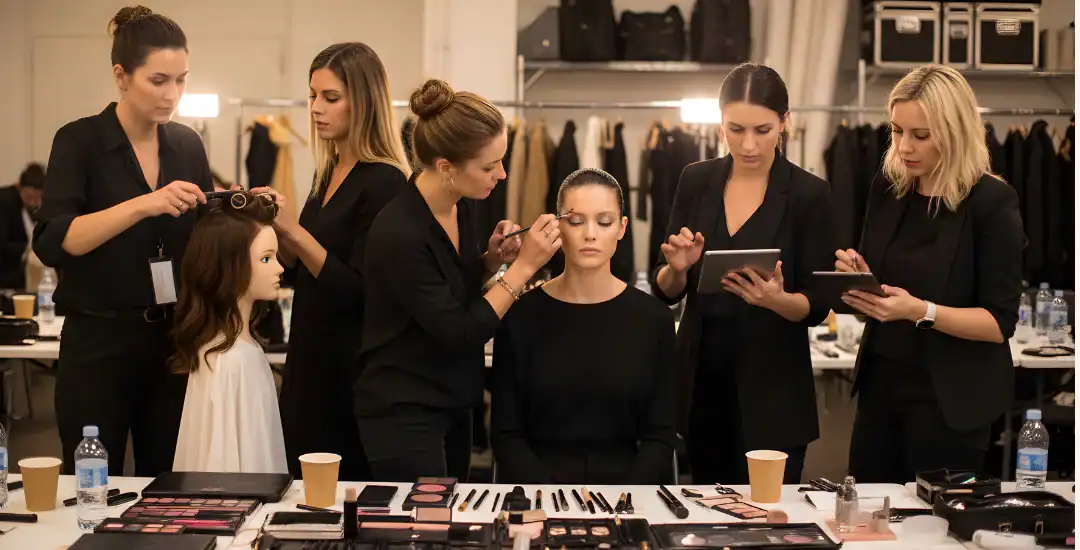
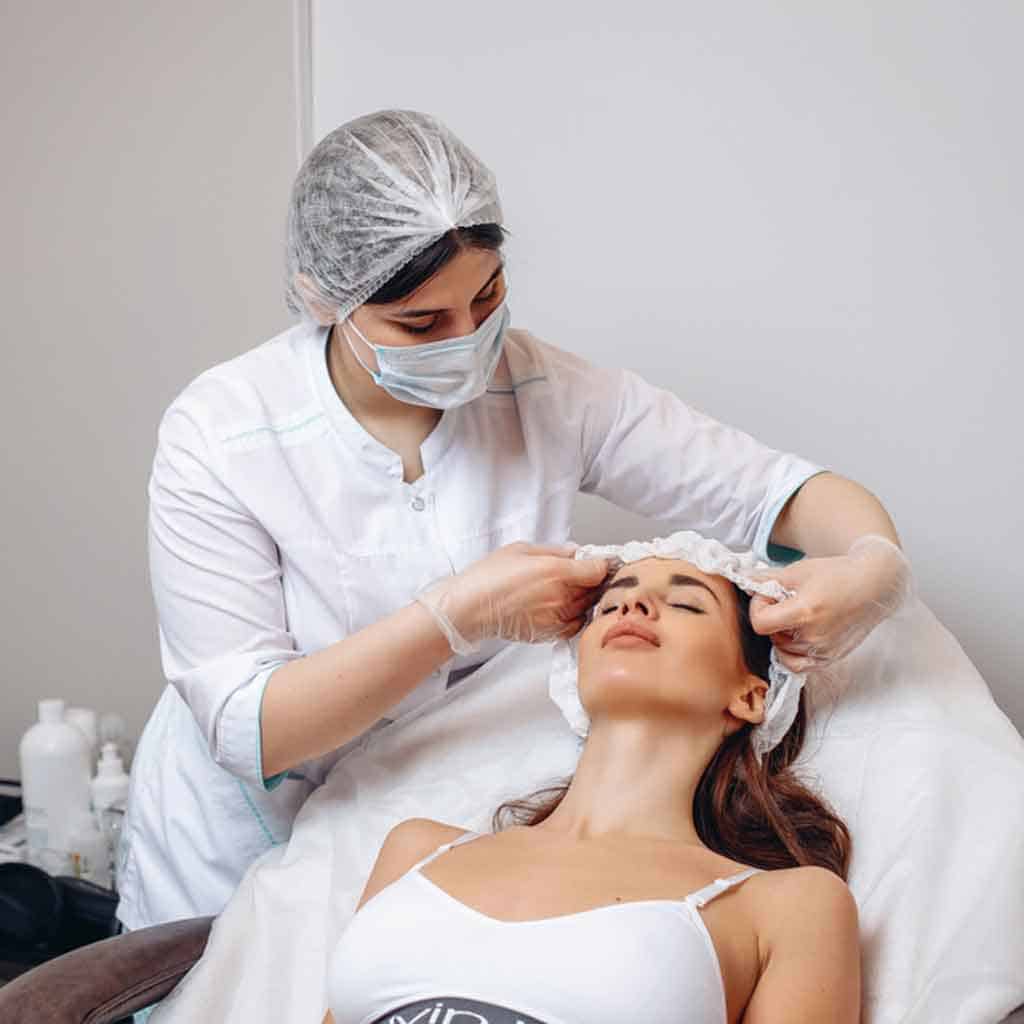
An aesthetician course at accredited schools in Fairfax County, VA combines classroom theory with hands-on practice. Students work on real clients under supervision, building confidence and competence before they ever work independently. That clinical experience is irreplaceable—and it’s something no amount of social media scrolling can replicate. The advanced esthetics training we offer in Northern Virginia prepares graduates to handle complex skin concerns with professionalism and expertise.
The Problem with One-Size-Fits-All Skincare Advice from Influencers
Here’s a common scenario: someone sees their favorite influencer rave about a new serum. It gave them glowing skin, cleared their breakouts, changed their life. So they buy it. And two weeks later, their skin is worse than before.
Why? Because skincare isn’t universal. An influencer with oily, resilient skin might love a product that’s way too harsh for someone with dry, sensitive skin. A routine that works for someone in their early twenties might be completely wrong for someone dealing with hormonal changes in their thirties.
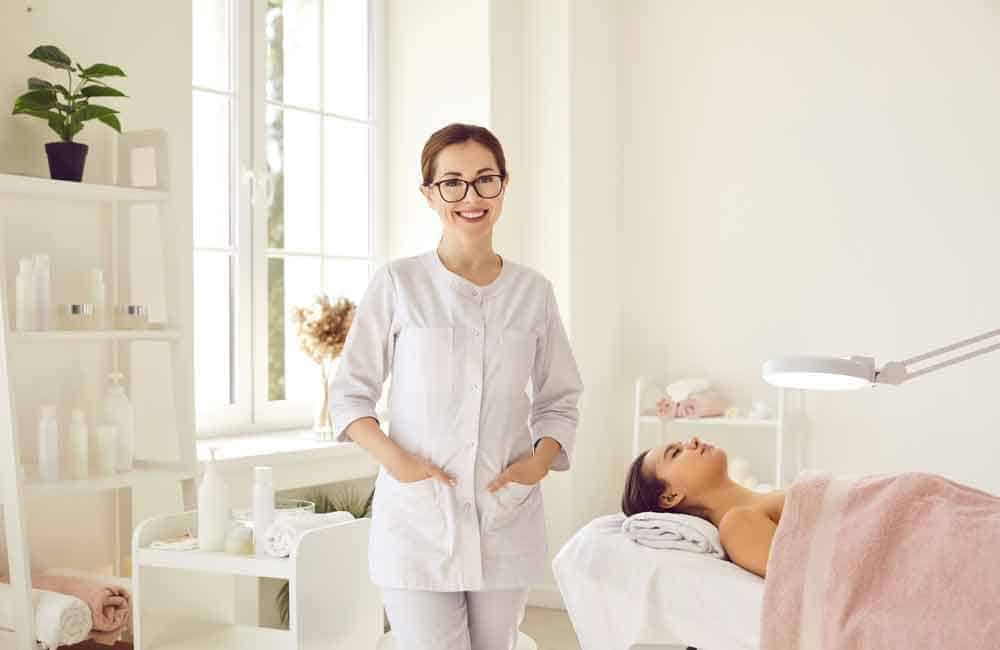
Licensed estheticians don’t guess. They assess. They look at your skin type, your concerns, your lifestyle, and your goals. They ask about your current routine, your skin’s history, and even things like stress levels and diet. Then they create a plan that’s tailored to you—not to their audience.
And that plan evolves. Your skin changes with the seasons, with age, with stress. A good esthetician tracks your progress and adjusts treatments and product recommendations accordingly. They know your skin because they’ve been working with it consistently, not just promoting whatever brand paid them this month.
Influencers can’t offer that. They’re speaking to thousands—sometimes millions—of people at once. Their advice has to be broad, general, and engaging. It’s not designed to solve your specific problem. It’s designed to get clicks.
There’s also the issue of ingredient knowledge. Licensed estheticians study cosmetic chemistry. They understand how active ingredients work, what concentrations are effective, and what combinations can cause irritation or negate each other’s benefits. They know the difference between a marketing claim and actual efficacy.
When an influencer says a product is “clean” or “non-toxic,” what does that even mean? Often, nothing. But it sounds good. Licensed professionals, on the other hand, can explain what’s in a product, how it works, and whether it’s appropriate for your skin. That’s the kind of transparency that builds trust—and gets real results.
How Esthetician School Prepares You to Serve Real Clients
If you’re considering a career as a licensed esthetician, you’re not just learning how to do facials. You’re learning how to be a trusted professional in an industry that’s increasingly skeptical of shortcuts and trends.
Esthetician training programs teach you the science, the technique, and the business skills to succeed. You’ll learn everything from skin analysis and treatment planning to client communication and retail knowledge. And you’ll do it in an environment that prioritizes safety, ethics, and real-world readiness.
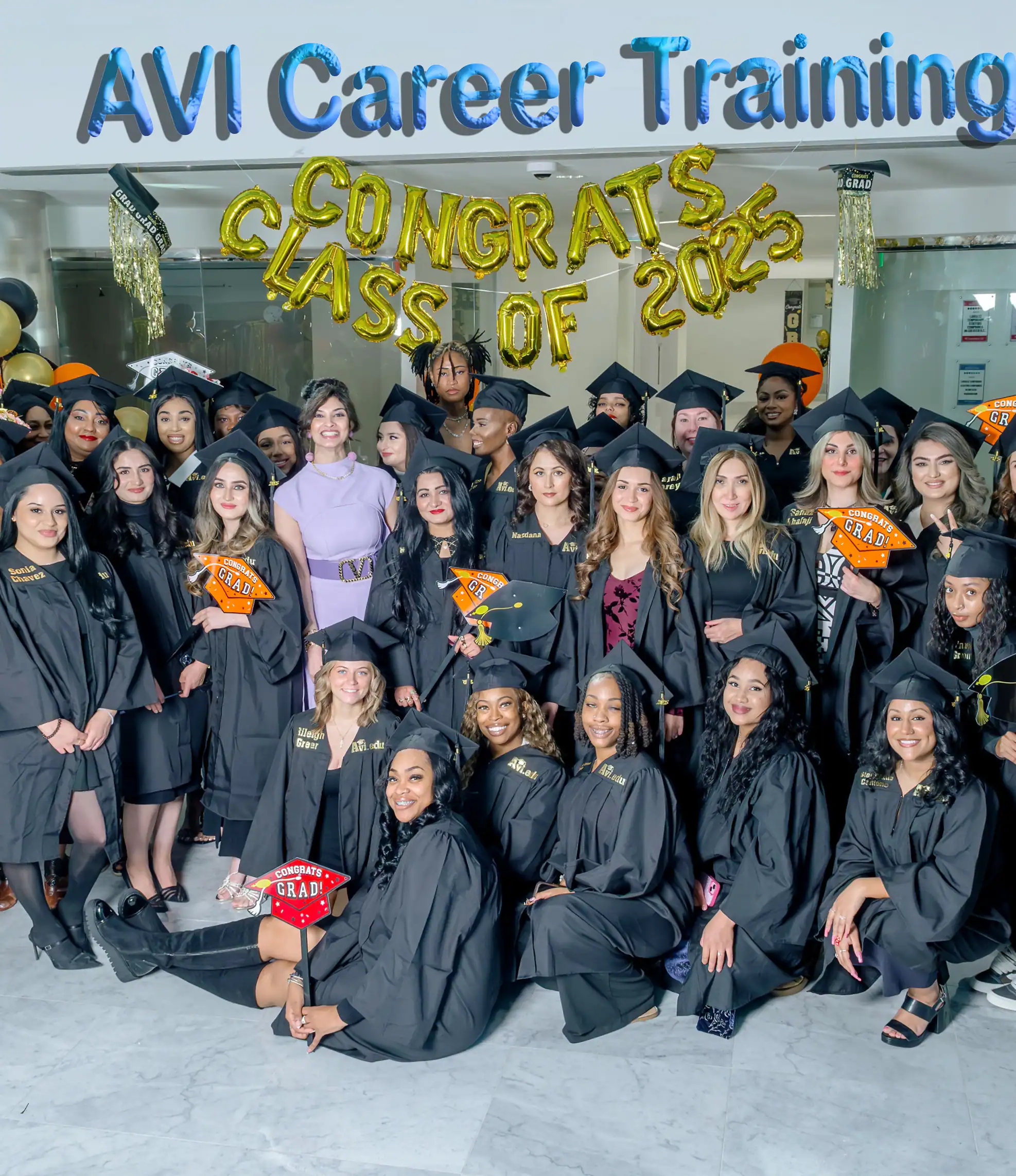
At AVI Career Training in Fairfax County, VA, we offer comprehensive programs that combine classroom instruction with hands-on clinical hours. You’ll work with real clients, practice professional treatments, and build a portfolio of experience before you graduate. That’s what separates quality esthetician training from watching tutorials online.
What You Learn in a Quality Esthetician Training Program
A quality esthetician course covers a lot of ground. You’ll start with the fundamentals: skin anatomy and physiology, cell structure, the functions of the skin, and how aging and environmental factors affect it. You’ll study different skin types and conditions, learning how to identify and address concerns like acne, dehydration, sensitivity, and sun damage.
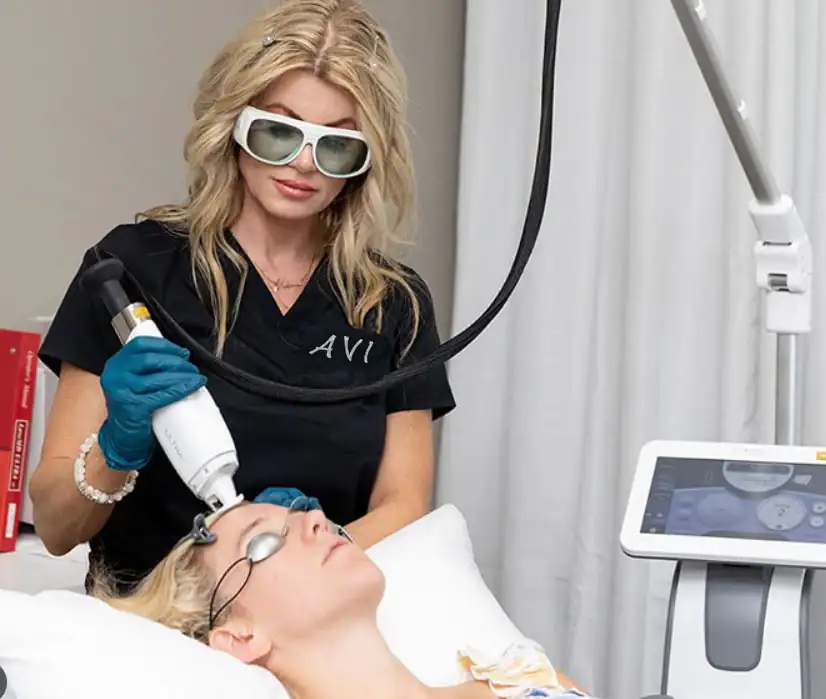
From there, you’ll move into hands-on techniques. Facials are a core skill, but you’ll also learn extractions, exfoliation methods, mask application, facial massage, and advanced treatments like chemical peels, microdermabrasion, and LED therapy depending on your program level. Hair removal techniques—waxing, threading, and tweezing—are also part of the curriculum, along with proper sanitation and safety protocols for each service.
Product knowledge is another major component. You’ll learn how to read ingredient labels, understand active ingredients like retinoids and AHAs, and recommend homecare routines that support in-spa treatments. Many esthetician programs, including ours at AVI Career Training, incorporate professional product lines like Dermalogica® and IMAGE Skincare®, giving students hands-on experience with industry-leading brands.
But it’s not just about the technical skills. Esthetician school also teaches you how to run consultations, communicate with clients, manage expectations, and handle difficult situations. You’ll learn how to build trust, educate clients without overwhelming them, and create treatment plans that actually fit their lives.
And then there’s the business side. Whether you want to work in a spa, open your own practice, or eventually teach, you need to understand scheduling, pricing, retail sales, marketing, and client retention. Top esthetician schools build that into the curriculum because they know that being a great esthetician means more than just being good with your hands.
In Virginia, esthetician programs require 600 hours of training to qualify for state licensure. That’s 600 hours of learning, practicing, and refining your skills under the guidance of experienced instructors. Compare that to the zero hours of formal training most influencers have, and the difference becomes pretty clear. When you complete an accredited program, you’re not just getting a certificate—you’re earning professional credibility.
Why Clients Trust Licensed Estheticians Over Social Media Trends
Trust is everything in the beauty industry. And right now, trust is shifting away from influencers and back toward licensed professionals. Clients are tired of trial and error. They’re tired of buying products that don’t work, following routines that make things worse, and feeling like they’re guessing their way through skincare.
When you work with a licensed esthetician, you’re working with someone who has a professional reputation to uphold. They’re accountable—not just to you, but to their licensing board, their employer, and their industry. If something goes wrong, there’s a system in place to address it. Influencers have no such accountability. If their recommendation doesn’t work for you, they move on to the next post.
Licensed estheticians also build relationships. They see you regularly. They track your skin’s progress. They know what treatments you’ve had, what products you’re using, and how your skin has responded over time. That continuity matters. It’s the difference between a one-time transaction and ongoing care.
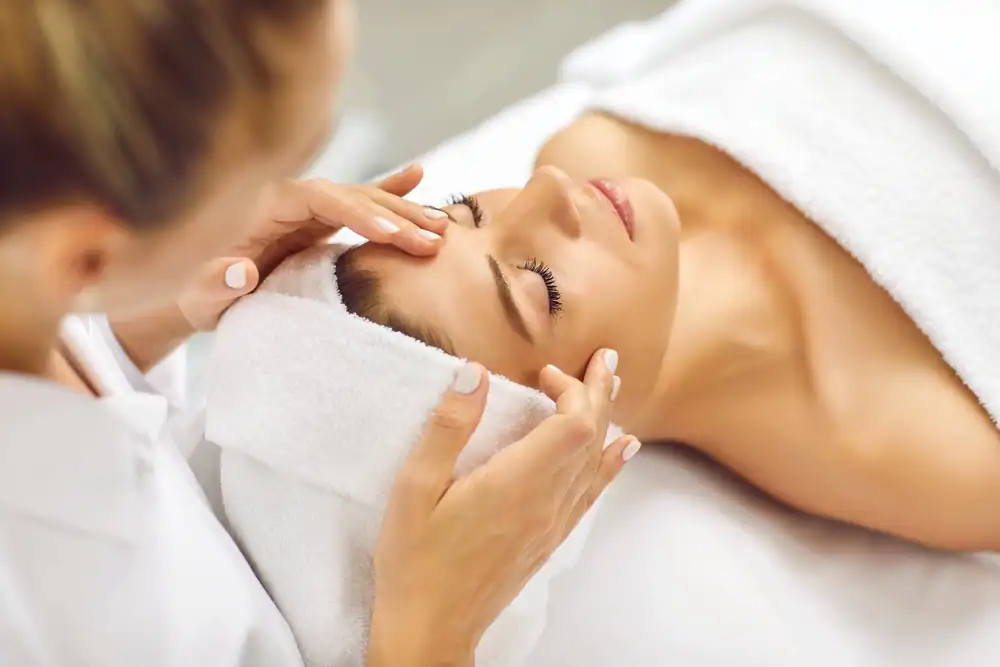
And here’s something influencers can’t offer: customization in real time. During a facial, an esthetician can adjust the treatment based on how your skin is reacting that day. If you’re more sensitive than usual, they’ll modify the exfoliation. If your skin is congested, they’ll spend more time on extractions. That kind of responsiveness requires training, experience, and professional judgment.
Clients are also becoming more aware of the risks of DIY and trend-driven skincare. Social media is full of “hacks” that sound clever but can actually damage your skin—things like using lemon juice for brightening, or layering too many active ingredients without understanding how they interact. Licensed estheticians educate clients on what’s safe, what’s effective, and what’s just internet noise.
There’s also a growing preference for science-backed advice. People want to understand why a treatment works, not just that it’s popular. Estheticians can explain the biology behind a chemical peel, the mechanism of action for a retinoid, or why hydration is more important than adding another serum. That level of education builds confidence—and loyalty.
The bottom line? Clients want results, not just content. And they’re realizing that the best results come from trained professionals who understand their skin, not influencers who understand algorithms. This shift is creating more opportunities than ever for graduates of quality esthetician training programs.
Why Now Is the Time to Pursue Esthetician Training in Fairfax County
The demand for licensed estheticians is growing. As consumers become more educated and more skeptical of influencer advice, they’re seeking out professionals who can deliver real, personalized care. That creates opportunity—for stable careers, for entrepreneurship, and for making a genuine impact on people’s confidence and well-being.
If you’re passionate about skincare and want to turn that passion into a profession, esthetician school is the path forward. You’ll gain the knowledge, skills, and credentials that set you apart in a crowded industry. You’ll learn how to serve clients with integrity, build a career with growth potential, and establish yourself as a trusted expert—not just another voice in the noise.
Our programs at AVI Career Training provide the foundation you need to succeed. With experienced instructors, hands-on training, industry partnerships, and a curriculum designed for real-world readiness, you’ll graduate prepared to make a difference. Ready to take the next step? Reach out to us and start building your future in esthetics.