Is CNA a Good Career? A Parent’s Guide for Vienna, VA
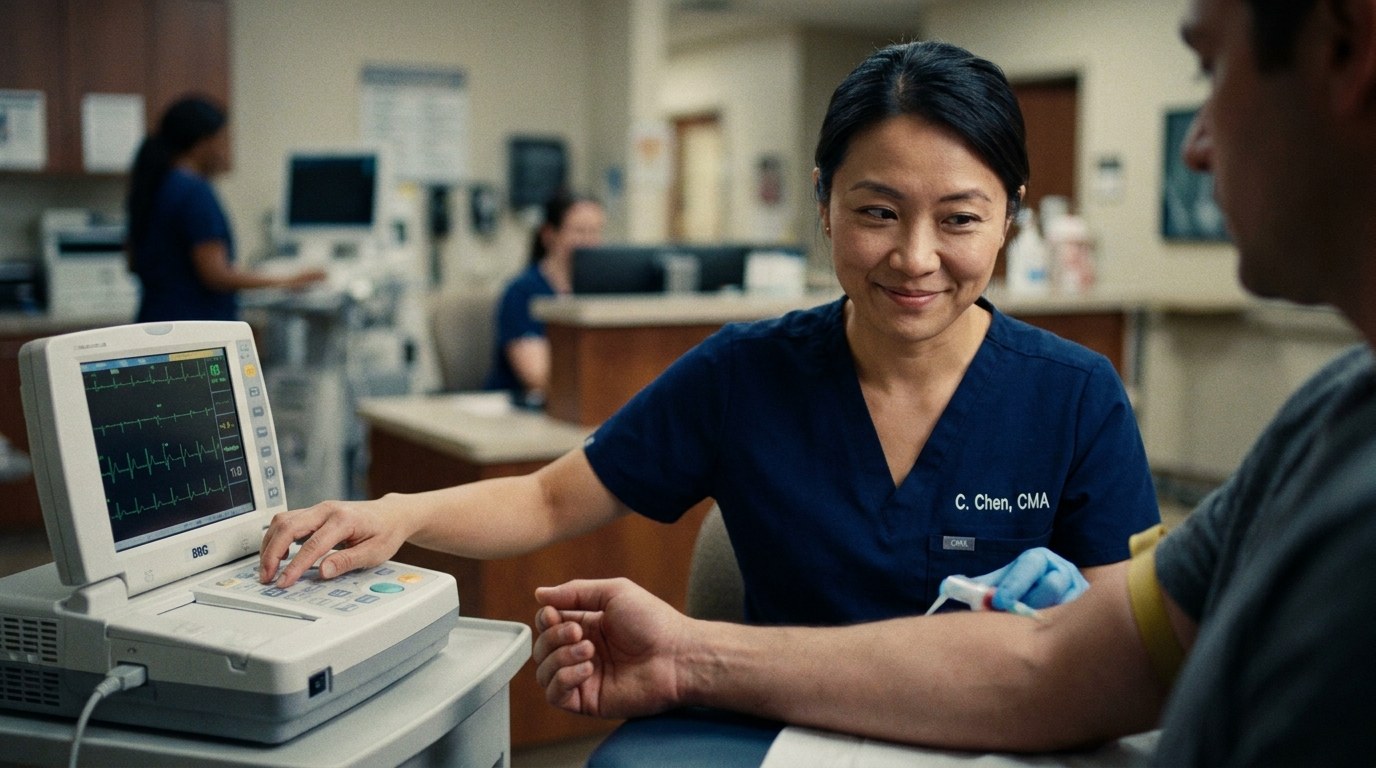
Is CNA a good career? For the right person, yes — but it comes with real trade-offs that many guides skip over entirely. If your teen or young adult is weighing CNA training against other short-term career paths in Northern Virginia, this guide gives you honest numbers, clear requirements, and a side-by-side look at comparable wellness trade options so you can make a decision grounded in facts, not marketing.
Apply to AVI Career Training →
CNA (Certified Nursing Assistant) training is one of the most popular short-term career programs in Virginia — and it makes sense why. Healthcare demand is real, training is fast, and entry-level jobs are plentiful. But “plentiful” doesn’t always mean “the best fit.” Parents in Vienna, VA and the broader Northern Virginia area are increasingly asking whether CNA is the right first move — or whether a licensed wellness trade might offer a better long-term outcome.
Let’s break it down.
⚡ Key Takeaways
- Virginia requires a minimum of 75 training hours plus a written and skills competency exam to become a certified nurse aide.
- Virginia CNA median annual earnings range from approximately $33,000–$38,000 in the Northern Virginia market, with a clear income ceiling without further nursing education.
- Comparable wellness careers — massage therapy, esthetics, cosmetic laser — offer similar or higher earning potential with flexible career structures and no shift-work requirements.
- AVI Career Training in Vienna, VA offers COE-accredited, hands-on programs in Massage Therapy, Basic Esthetics, and Cosmetic Laser Technology — all without requiring a 4-year degree.
- The right question isn’t just “Is CNA a good career?” — it’s “Is CNA the best career path for my student’s goals, lifestyle, and earning potential?”
—
What Does a CNA Actually Do Day-to-Day?
A Certified Nursing Assistant (CNA) provides direct, hands-on patient care — and the work is as demanding as it sounds.
CNAs help patients with basic daily activities: bathing, dressing, eating, repositioning, and toileting. They take vital signs, monitor patient conditions, and relay observations to nurses and medical staff. In long-term care facilities — where many CNAs begin their careers — a single aide may be responsible for 10 to 15 residents during a single shift.
The Physical and Emotional Reality
This role requires standing for 8 to 12 hours at a time, regular heavy lifting, and sustained emotional presence with patients who are often in pain, confused, or declining. The work is genuinely meaningful — CNAs provide human connection to some of the most vulnerable people in a community. But that meaning comes with a physical and emotional cost that doesn’t appear in the job listing.
Shift work is standard. Many entry-level CNA positions require evenings, nights, or weekends. For teenagers and young adults, that reality directly affects school, social life, and long-term scheduling flexibility.
None of this disqualifies CNA as a career path. But parents who understand the day-to-day reality can help their teens make a more honest, sustainable decision — not just chase the fastest credential.
—
CNA Salary and Job Outlook in Virginia (Real Numbers)
The earning potential for CNAs in Virginia is real — but so is the ceiling.
Virginia CNA median hourly wage (BLS)
Annual median in Northern Virginia market
Projected job growth (BLS, 2022–2032)
Minimum Virginia training requirement
According to the Bureau of Labor Statistics Occupational Outlook Handbook, nursing assistants earn a national median of around $38,200 annually. In Northern Virginia — where the cost of living runs higher than most of the state — CNAs typically earn toward the upper end of the Virginia range, reflecting the region’s healthcare facility density in the DMV area.
The Income Ceiling Problem
Here’s the honest reality most CNA guides don’t tell you: the salary ceiling is low, and it comes quickly.
Most CNAs top out in the $40,000–$45,000 range without additional credentials. Breaking through that ceiling requires enrolling in LPN (Licensed Practical Nurse) or RN (Registered Nurse) programs — both of which require significantly more time, tuition, and commitment. CNA is often framed as a “stepping stone” into nursing, which is accurate — but that means the career itself has a built-in endpoint for many who enter it.
If your teen’s goal is to work in patient care and eventually become a nurse, CNA is a logical first step. If the goal is simply to get licensed quickly and start building a career they can sustain long-term, there are comparable options worth examining.
Northern Virginia wage premium: The Tysons Corner area and surrounding DMV region command above-average wages in nearly every licensed trade — healthcare and wellness alike. Location matters when comparing earning potential across career paths.
—
Virginia CNA Certification Requirements: What Your Teen Needs to Know
Becoming a certified nurse aide in Virginia follows a clear, state-regulated process — and it’s faster than most people expect.
Virginia Board of Nursing Requirements
The Virginia Department of Health Professions oversees nurse aide certification through the Virginia Board of Nursing. Here is what the process requires:
- Complete a state-approved CNA training program of at least 75 hours (classroom and clinical combined)
- Pass the Virginia Nurse Aide Competency Evaluation — both a written knowledge test and a hands-on skills demonstration
- Submit to a criminal background check before clinical placement (certain offenses may disqualify applicants)
- Renew certification every 24 months with documented paid work hours in a nursing role
- Maintain listing on the Virginia Nurse Aide Registry to remain eligible for employment
Age and Eligibility Considerations for Teens
Most Virginia CNA programs accept students who are 16 or older, though some facilities require aides to be 18 for certain clinical environments. For parents researching this path for a high school junior or senior, it’s worth confirming age requirements with the specific training program and facility type before enrolling.
The 75-hour minimum can be completed in a matter of weeks in an intensive program — which is genuinely appealing as a fast track to employment. However, “fast” and “best fit” aren’t always the same thing.
—
How CNA Compares to Other Short-Term Career Paths in Northern Virginia
This is the comparison most guides skip — and the one that matters most for families doing real research.
CNA is not the only short-term, license-bearing career track available to teens and young adults in Northern Virginia. Beauty and wellness trades — including Massage Therapy, Basic Esthetics, and Cosmetic Laser Technology — offer comparable or faster licensing timelines, similar or higher earning potential, and career structures that many students find more sustainable long-term.
Here’s how the paths compare on the dimensions Northern Virginia parents care about most:
| Factor | CNA | Massage Therapy (AVI) | Esthetics (AVI) | Cosmetic Laser (AVI) |
|---|---|---|---|---|
| Training Length | 75+ hours (weeks) | 500 hours (months) | 650 hours (months) | Shorter certificate program |
| Licensing Body | Virginia Board of Nursing | VA DPOR | VA DPOR | VA DPOR |
| Starting Pay (N. Virginia) | $16–$18/hr | $18–$25/hr + gratuity | $18–$28/hr (medical spa) | $20–$35/hr (clinic-based) |
| Income Ceiling | ~$40–45K (without RN/LPN) | Higher with private clients | Higher in medical esthetics | Strong upward trajectory |
| Shift Work Required | Often yes (nights/weekends) | Flexible scheduling | Flexible scheduling | Typically clinic hours |
| Physical Demands | High (lifting, long shifts) | Moderate | Low to moderate | Low |
| 4-Year Degree Required? | No | No | No | No |
| Federal Financial Aid | Varies by program | Available at AVI (500+ hrs) | Available at AVI (650 hrs) | Check program hours |
Why Wellness Careers Deserve a Serious Look
Wellness careers without a 4-year degree are among the fastest-growing sectors in the Northern Virginia economy. The medical spa and aesthetic clinic industry in the DMV area has expanded significantly, creating strong local demand for licensed estheticians, massage therapists, and cosmetic laser technicians.
Unlike CNA roles — which are largely institutional (hospitals, nursing homes, assisted living) — wellness career graduates can work in spa settings, medical offices, hotel chains, or build their own clientele. That flexibility is meaningful, especially for young adults who want career growth that doesn’t require going back to school for an entirely different credential.
Explore AVI’s Wellness Programs →
What Is the Difference Between CNA and Medical Esthetics Careers?
A CNA provides direct patient care in medical settings — assisting with activities of daily living, taking vitals, and supporting nursing staff. A medical esthetician or cosmetic laser technician provides skin care, aesthetic treatments, and laser services in clinical and spa environments. Both require state licensing. Both serve clients in health-adjacent settings. The key differences are the type of care delivered, the physical demands of the role, and the earning trajectory over time. Medical esthetics careers in Northern Virginia often command higher hourly rates — especially in Tysons Corner-area clinics — and offer stronger self-employment potential.
—
Questions Vienna VA Parents Should Ask Before Choosing a Career Training Program
Choosing a career training program is one of the most consequential decisions a family makes — and the right questions cut through the marketing quickly.
1. Is the School Accredited — and by Whom?
Accreditation is not optional. It determines whether credits transfer, whether financial aid is available, and whether employers recognize the credential. Look specifically