

Summary:
You’ve been thinking about a career change for months. Maybe longer. But between your full-time job, family responsibilities, and the bills that don’t stop coming, traditional school schedules feel impossible. You’re not looking to gamble with your stability—you need a path that works around the life you’ve already built.
That’s exactly what evening courses for adults are designed to solve. They give you the training, credentials, and hands-on experience you need to transition into a new career without walking away from your paycheck or missing your kid’s soccer games. Here’s how flexible career training actually works in Fairfax County, VA, and what it takes to make it happen while working full-time.
Evening Courses for Adults That Fit Your Schedule
Most career training programs are built for 18-year-olds with open schedules and no mortgage. That doesn’t work when you’re 32 with a job, a family, and real financial obligations. Evening courses for adults flip that model.
Classes run after work hours and on weekends, so you’re not choosing between earning a living and earning a license. You show up when you’re available. You learn the same skills, get the same certifications, and walk out with the same credentials as anyone in a daytime program—but you do it on a timeline that doesn’t blow up your life.
The difference isn’t just convenience. It’s whether a career change is even possible.
How evening and part-time schedules work for career training
Evening courses typically run weeknights between 5:00 PM and 9:30 PM, with weekend options on Saturdays or Sundays. Some programs offer hybrid schedules that mix evening and weekend sessions, giving you multiple ways to hit your required hours without quitting your day job.
At AVI Career Training in Fairfax County, VA, our programs are structured with rolling admissions, meaning classes start multiple times throughout the year. You’re not locked into a single September start date like traditional schools. If you’re ready in March, you start in March.
Part-time schedules stretch your program timeline, but that’s the trade-off. A full-time student might finish in six months. A part-time evening student might take 12 to 18 months. The credential is identical. The only difference is how long it takes to get there—and whether you can pay rent while doing it.
The structure is intentional. Programs designed for working adults account for the fact that you can’t drop everything. They’re built around the assumption that you have a job, obligations, and limited time. That’s not a disadvantage. That’s the whole point.
Flexible scheduling also means you’re in class with people who get it. Your classmates are working parents, career changers, and people managing the same balancing act you are. You’re not the oldest person in the room wondering if you belong. You’re surrounded by adults who chose the same path for the same reasons.
What evening training looks like for working professionals
Evening programs don’t cut corners on practical experience just because you’re attending part-time. You still complete the same number of clinic hours, practice the same techniques, and meet the same state board requirements. The only thing that changes is when you show up.
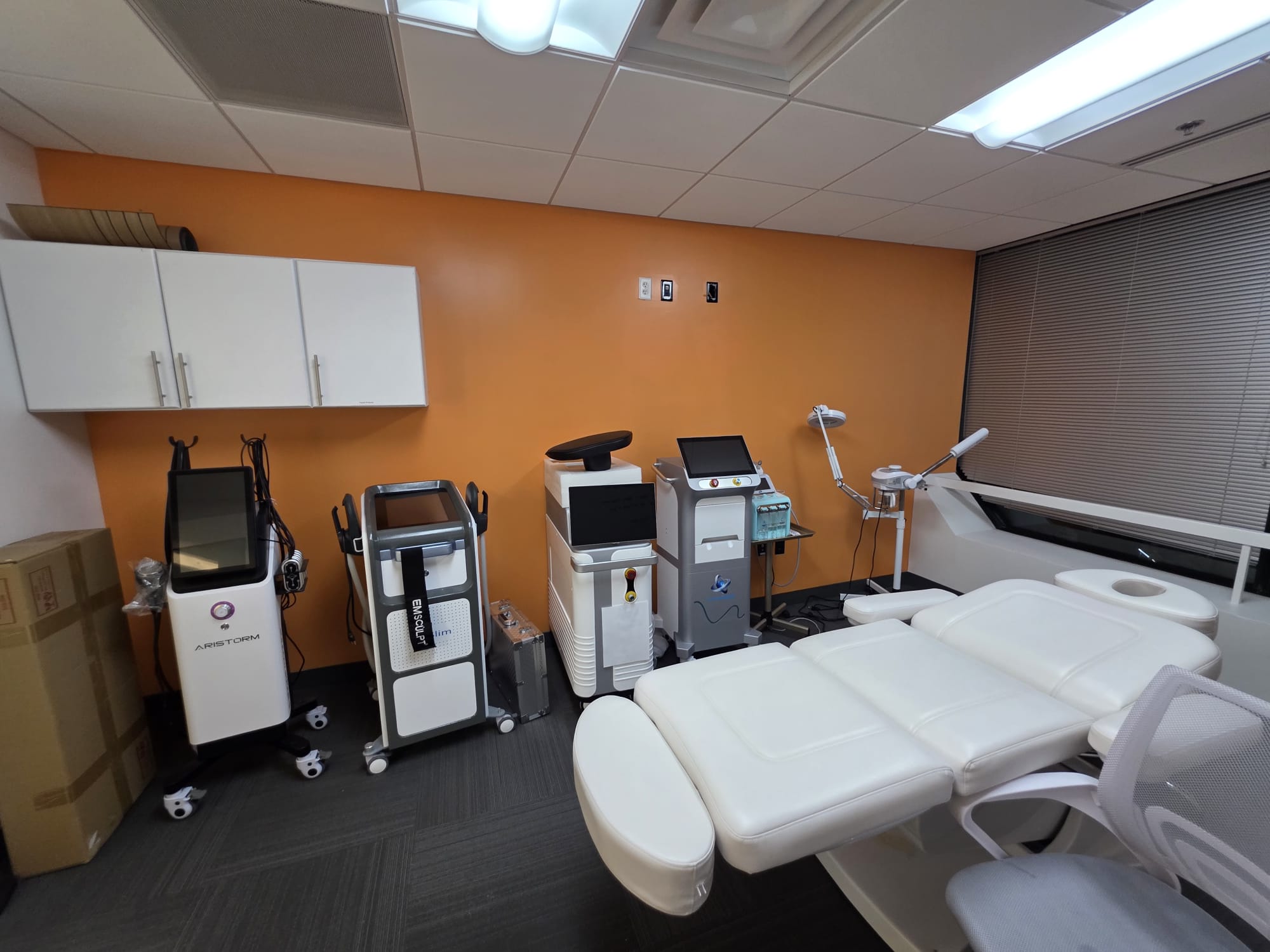
At AVI Career Training, our students work with Dermalogica® and IMAGE Skincare® products during training—the same professional lines you’ll use once you’re licensed. You’re not practicing with cheap substitutes. You’re learning on industry-standard tools so the transition from student to professional is seamless.
Our program also includes externship opportunities with our approved network of leading spas and salons across Northern Virginia. You’re not just learning in a classroom. You’re getting real-world experience in actual work environments, building your portfolio and confidence before you even graduate.
This matters because employers can tell the difference. They know which schools prioritize practical training and which ones focus on theory. When you walk into an interview with externship experience, a portfolio of real client work, and familiarity with professional products, you’re not starting from zero. You’re job-ready.
The beauty industry doesn’t care if you learned at 9 AM or 7 PM. It cares whether you can deliver results, work with clients, and handle the technical side of the job. Evening programs that emphasize real-world training give you all of that—just on a schedule that doesn’t require you to quit your current job first.
Hands On Career Training That Builds Real Skills
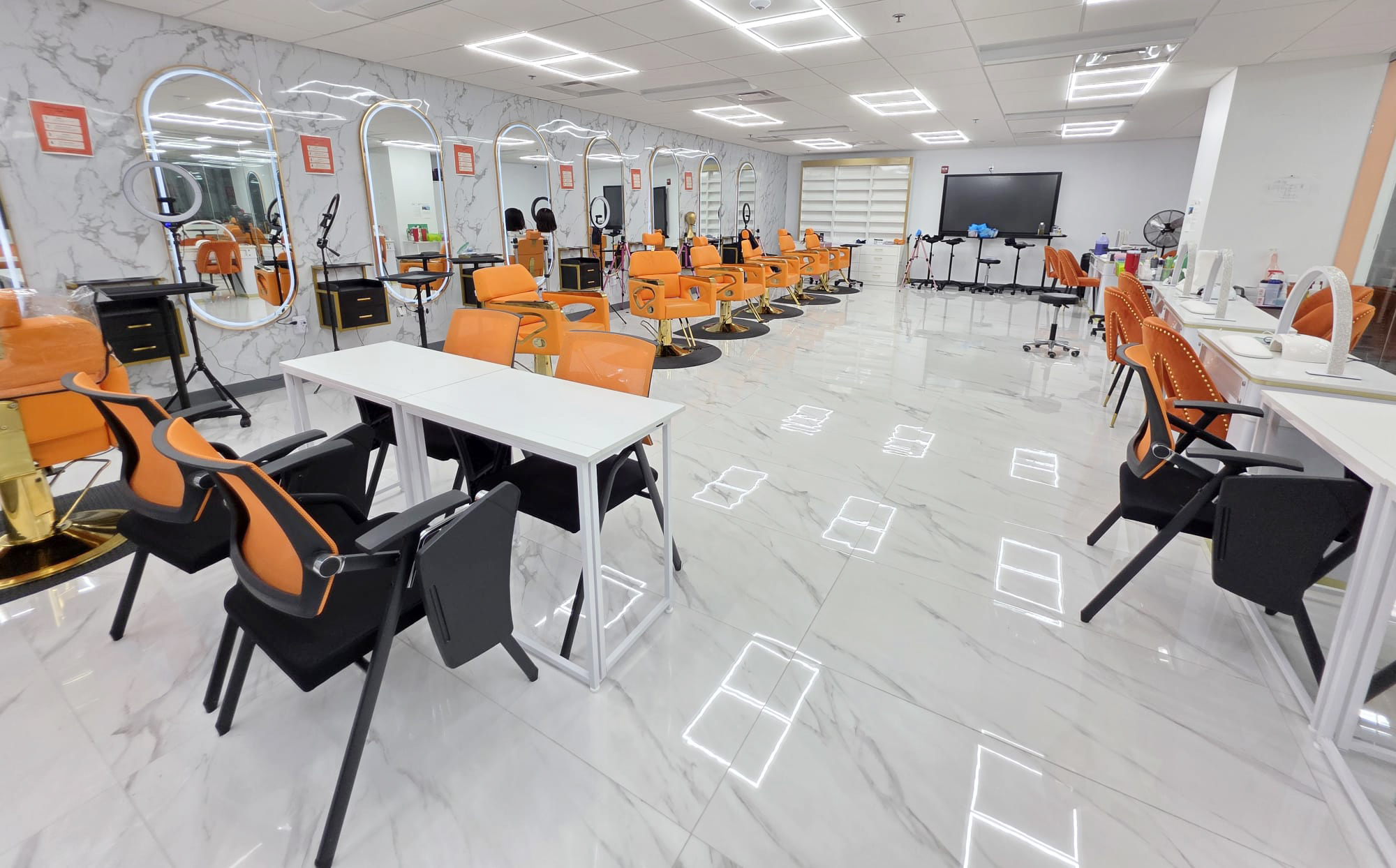
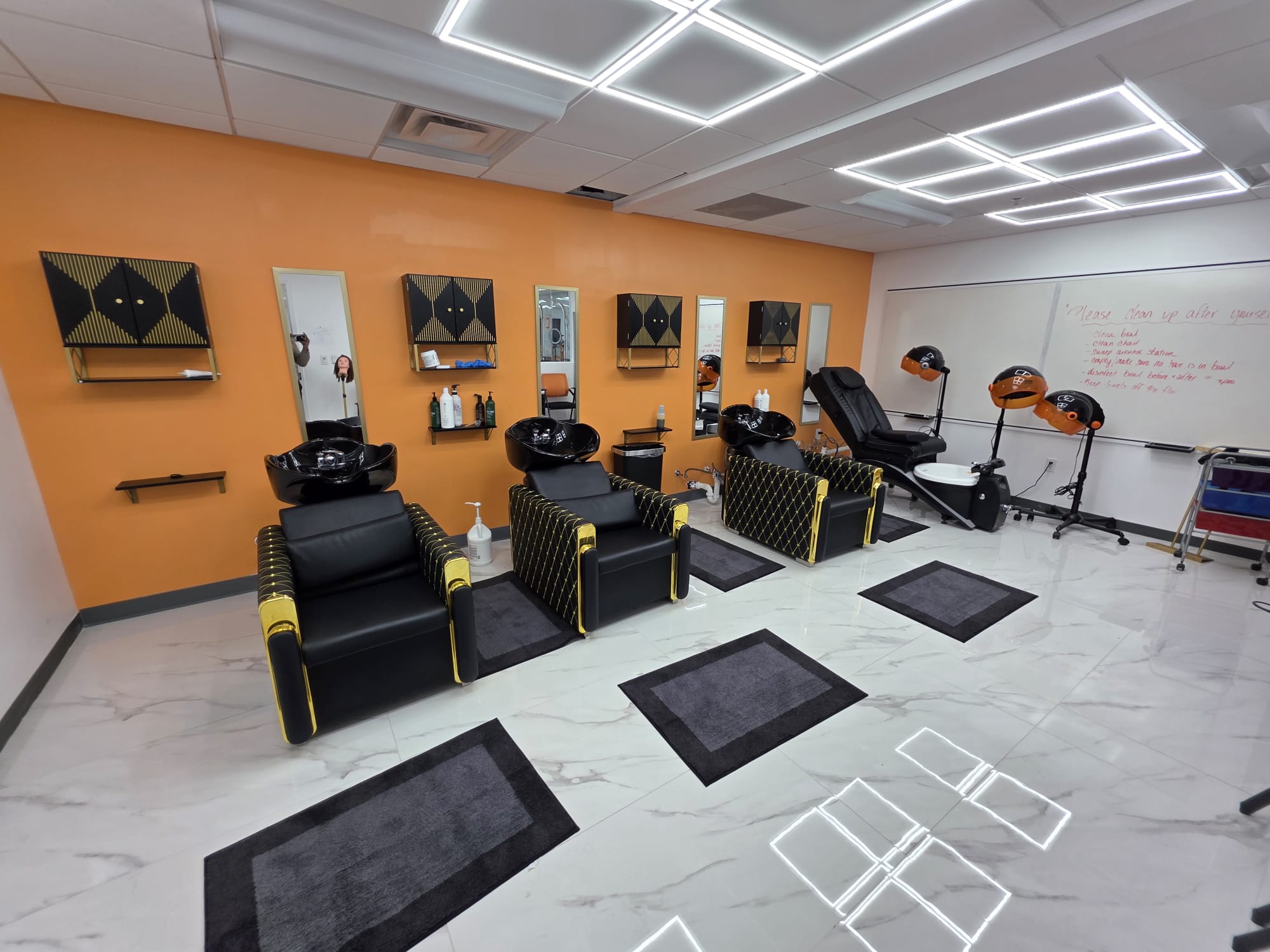
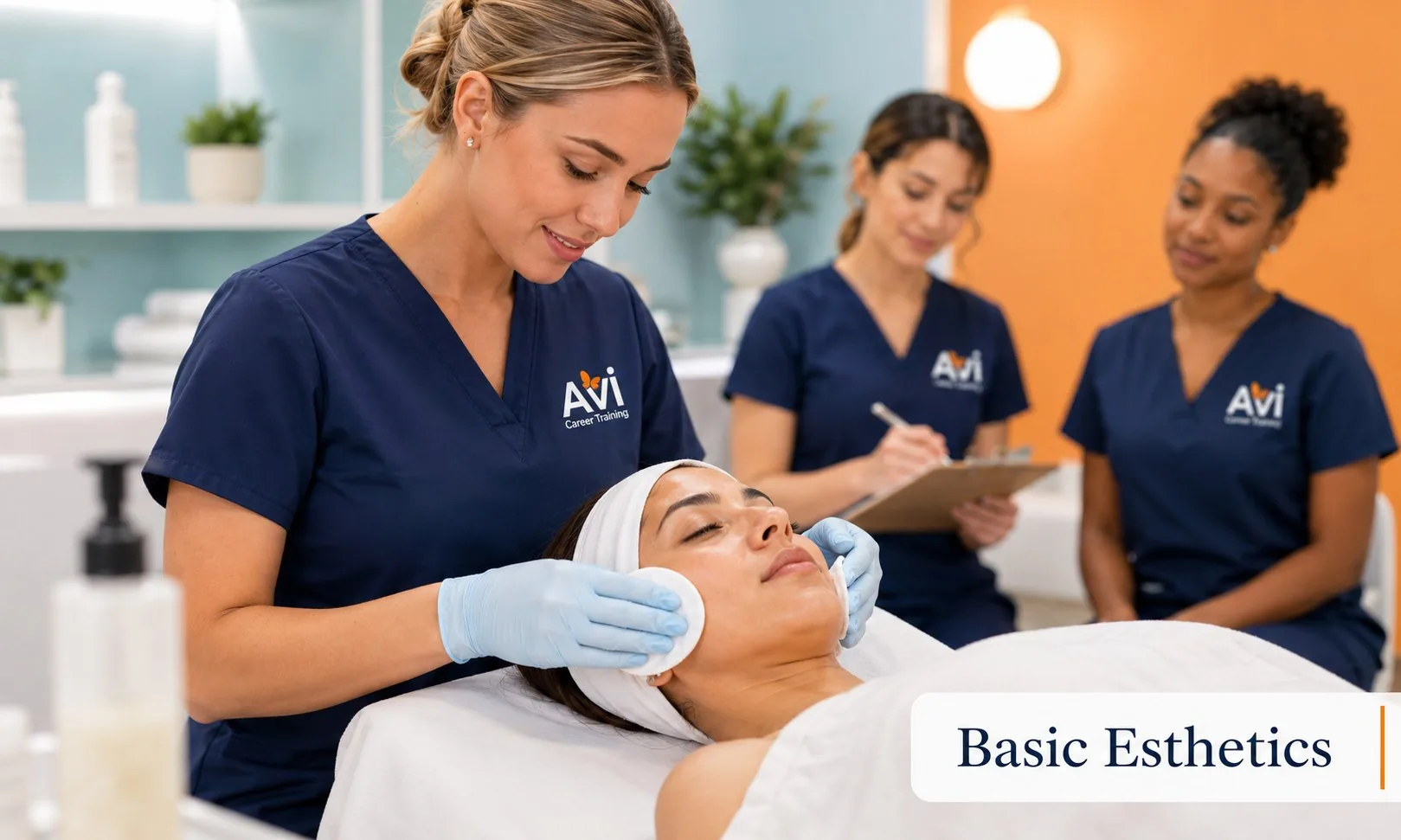
Hands on career training means you’re not just reading about facials or watching videos. You’re performing them. On real people. Under supervision. With professional-grade equipment and products used in actual salons and spas across Northern Virginia.
This isn’t theoretical knowledge you might use someday. It’s practical skill-building that prepares you for day one on the job. You learn by doing, and by the time you graduate, you’ve already logged hundreds of hours of real client interactions and technical work.
That’s what separates career-ready graduates from people who passed a test but can’t perform under pressure.
Financial aid and funding options for adult learners
Career training costs money, but you’re not expected to pay it all upfront or figure it out alone. Financial aid programs exist specifically to help working adults afford retraining without derailing their finances.
We’re approved by the U.S. Department of Education to offer Title IV funding, which includes Pell Grants and Direct Loans for those who qualify. If you’re a veteran, GI Bill benefits can cover your training costs. There are also private grants and payment plans designed to make tuition manageable on a working adult’s budget.
The application process is straightforward. You fill out the FAFSA (Free Application for Federal Student Aid), submit your enrollment paperwork, and work with our financial aid team to figure out what you’re eligible for. Many students are surprised by how much assistance is available once they actually apply.
Tuition for esthetics programs in Virginia averages around $7,296, but financial aid can significantly reduce what you pay out of pocket. Some students qualify for enough assistance that their direct costs are minimal. Others use a combination of grants, loans, and payment plans to spread costs over time.
The key is not assuming you can’t afford it before you explore your options. Adult learners often qualify for aid packages that traditional students don’t, precisely because you’re balancing work and education. Schools and lenders recognize that you’re a different kind of student with different financial realities, and programs are structured accordingly.
Investing in career training isn’t the same as paying for a four-year degree. You’re in and out in 12 to 18 months with a credential that leads directly to employment. The return on investment is faster, the debt load is lower, and the career opportunities are immediate.
Balancing work, family, and evening classes successfully
Let’s be honest—adding evening classes to an already packed schedule is hard. You’re not going to pretend it’s easy, and neither are we. But it’s doable, and thousands of working adults do it every year.
The first step is setting realistic expectations with your family and employer. If your spouse, kids, or roommates don’t know you’ll be in class three nights a week, the friction will derail you before you finish your first month. Communication upfront makes everything smoother.
Some students talk to their managers about their training schedule, especially if there’s flexibility in their work hours. Others keep their education separate from their job and manage the schedule privately. Either approach works as long as you’re clear about your commitments and protect your study time.
Time management becomes non-negotiable. You can’t wing it. Successful evening students block out specific hours for class, homework, and practice. They treat school like a second job because, in a way, it is. The difference is this job leads somewhere new.
Support systems matter. Whether it’s a partner who handles dinner on class nights, a friend who watches your kids, or a study group that keeps you accountable, you need people in your corner. Adult learners who try to do everything alone burn out faster.
Self-care also can’t fall off the list. If you’re working 40 hours, attending class 15 hours, and studying another 10, you’re running at capacity. Sleep, decent meals, and occasional downtime aren’t luxuries—they’re what keep you from flaming out halfway through.
The payoff is worth it. Every week you show up is a week closer to a career that doesn’t drain you. Every assignment you complete is progress toward a license that opens doors. And every sacrifice you make now is an investment in a future where you’re not stuck in a job you’ve outgrown.
Start Your Career Change With Evening Training in Fairfax County
Evening courses for adults aren’t a shortcut. They’re a realistic path for people who can’t afford to put life on pause but refuse to stay stuck. You get the same training, the same credentials, and the same career opportunities—just on a schedule that doesn’t require you to sacrifice your income or ignore your family.
The beauty industry is growing, and the demand for skilled estheticians and cosmetologists isn’t slowing down. With flexible evening schedules, hands-on training, financial aid options, and real industry connections, we make career change accessible for working adults in Fairfax County, VA.
If you’ve been waiting for the right time to make a move, this is it. Evening courses give you the structure, support, and flexibility to build something new without burning down what you’ve already built. Reach out to us to learn more about evening program options and take the first step toward a career that actually fits your life.