AVI Career Training

Medical Assistant Schools in Northern Virginia: Your Options

Share:

Medical Assistant Schools in Northern Virginia: Your Options

Northern Virginia has solid options for medical assistant training — and depending on what’s driving your interest, there may be an even faster, better-paying path worth knowing about before you enroll anywhere. If you’re ready to explore all your options now, apply online at AVI Career Training or keep reading to compare.

This guide covers what medical assistants actually do in Virginia, where to find programs near you, what you can expect to earn, and — critically — a set of healthcare-adjacent wellness careers that many people in your position end up choosing instead. If you’re still exploring, read the whole thing. The comparison in the middle might change your direction entirely.


Key Takeaways

  • Virginia does not require state licensure for medical assistants — certification is employer-driven, not state-mandated
  • Typical MA programs in Northern Virginia run 9–24 months and cost between $10,000–$20,000+
  • Virginia MA median salary: approximately $39,000–$44,000/year (BLS, 2023)
  • Esthetics licensing in Virginia requires just 600 clock hours — many students complete it in under a year
  • Massage Therapy in Virginia has a median salary of $45,000–$58,000/year — often exceeding MA wages
  • AVI Career Training in Vienna, VA offers accredited wellness programs with financial aid and GI Bill® acceptance

What Does a Medical Assistant Do in Virginia?

Medical assistants work in clinical and administrative roles across hospitals, physicians’ offices, urgent care centers, and specialty clinics. On any given day, an MA might take patient vitals, prepare exam rooms, draw blood, assist with minor procedures, schedule appointments, and manage patient records.

It’s genuinely varied work that keeps you close to patient care — without requiring a nursing or physician’s level of training. That’s a big part of the appeal.

Virginia does not regulate medical assistants at the state board level. There is no Virginia state license required to work as a medical assistant. Certification — through organizations like the American Association of Medical Assistants (AAMA) or the National Healthcareer Association (NHA) — is valuable and often preferred by employers, but it is employer-driven, not legally mandated.

This is a meaningful difference from careers like massage therapy or esthetics, where Virginia requires you to pass a state board exam and hold an active license before you can legally work. Both systems have trade-offs. The lack of state regulation for MAs means more flexibility — but also less professional standardization and fewer built-in protections for your credential over time.


Medical Assistant Programs Near Northern Virginia

Several types of institutions offer medical assistant training in and around the Northern Virginia and DC metro area. Here’s an honest overview of what’s available:

Community Colleges

Northern Virginia Community College (NOVA) and similar institutions offer certificate and associate degree programs in medical assisting. These programs typically run 12–24 months for an associate degree and 9–12 months for a certificate track. Tuition at community colleges tends to be lower than private vocational schools — often in the $6,000–$12,000 range for in-state students completing a certificate.

NOVA’s programs are well-regarded, and the associate degree path can open doors to higher-level administrative and clinical roles. The trade-off is time: two years is a real commitment before you’re earning in the field.

Vocational and Career Schools

Private career schools throughout Fairfax County and the broader Northern Virginia area offer accelerated MA certificate programs. These programs are often designed for working adults and can be completed in nine to twelve months. Costs vary widely — from $12,000 to $20,000 or more — depending on the school and the depth of the curriculum.

When evaluating any vocational school, look for programmatic accreditation from bodies like CAAHEP (Commission on Accreditation of Allied Health Education Programs) or ABHES (Accrediting Bureau of Health Education Schools). These accreditations matter for sitting for national certification exams after graduation.

Hospital-Affiliated and Workforce Programs

Some hospital systems in the DC metro area run their own medical assistant pipelines — workforce development programs tied directly to hiring needs. These are less common and harder to find, but worth researching if you’re interested in working within a specific health system.


How Much Do Medical Assistants Make in Northern Virginia?

According to the Bureau of Labor Statistics (BLS, May 2023), the national median annual wage for medical assistants is approximately $42,000. Virginia tracks closely — the state median sits in the $39,000–$44,000 range, with Northern Virginia and the DC metro corridor trending toward the higher end due to cost of living adjustments.

Entry-level MAs often start closer to $34,000–$37,000 in the region, with experienced MAs in specialty practices — cardiology, orthopedics, dermatology — reaching the upper end of the range or slightly above it.

These are honest, stable numbers. Medical assisting is not a get-rich-quick path, but it is a dependable one with consistent hiring demand across the healthcare sector.


Other Healthcare-Adjacent Careers With Strong Earning Potential

Here’s where the conversation gets interesting — especially if you’re still in the research phase and haven’t committed to a program yet.

A significant number of people who search for medical assistant programs are drawn to healthcare not because they want to work in clinical medicine specifically, but because they want to help people, work with their hands, build a stable career, and avoid a four-year degree. If that describes you, there are wellness careers worth knowing about that check all those boxes — sometimes faster and at a higher earning ceiling.

Massage Therapy

Virginia’s Board of Nursing oversees massage therapy licensure in the state. To become licensed, you need to complete 500 clock hours of approved training and pass the MBLEx (Massage and Bodywork Licensing Exam). That’s a shorter path than most MA programs.

The earning potential is strong. Virginia massage therapists earn a median of approximately $45,000–$58,000/year, and self-employed or specialty therapists — sports massage, prenatal, medical massage — can earn significantly more. The career sits squarely at the intersection of healthcare and wellness.

Esthetics

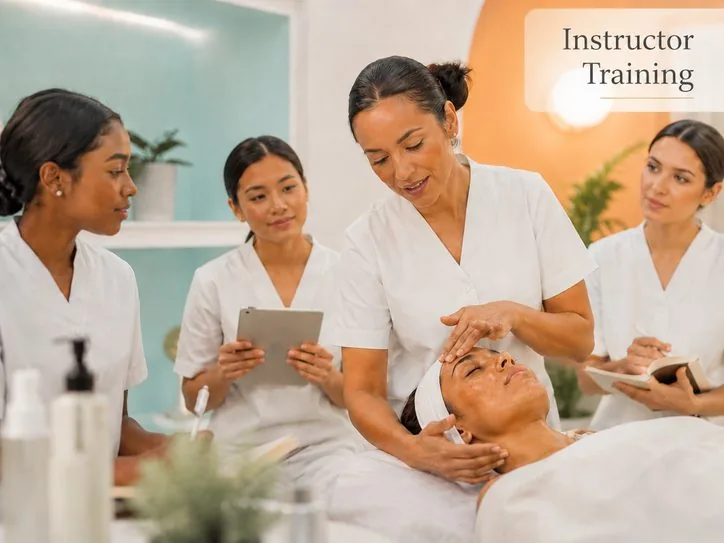
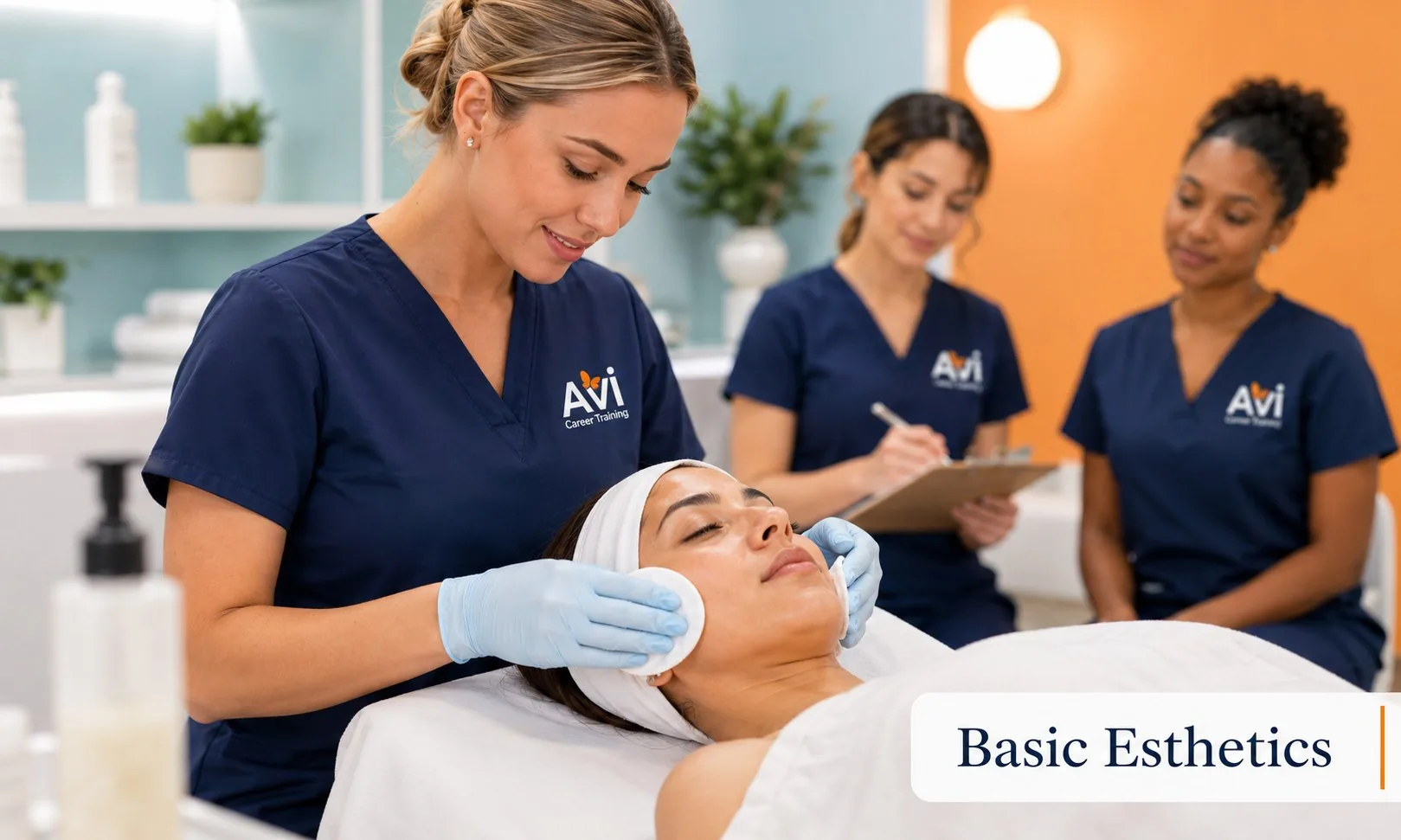
Licensed estheticians in Virginia complete 600 clock hours of training through a Virginia State Board of Cosmetology-approved program. After that, it’s a state board exam and you’re licensed to work.

The scope of esthetics has expanded considerably. Clinical esthetics — working in dermatology offices, medical spas, and plastic surgery practices — puts estheticians directly in healthcare-adjacent environments. Virginia estheticians earn a median of roughly $38,000–$52,000/year, with experienced clinical estheticians and self-employed practitioners frequently exceeding that range.


Mini-Story: The Career Changer Who Found a Faster Path

Priya had spent two years working the front desk at a physician’s office in Reston. She liked being part of a healthcare environment but wanted more direct client interaction and a role that let her use her hands. She started researching medical assistant programs — mostly looking at NOVA and a private career school in Fairfax — and kept running into the same issue: a 12-month commitment, significant tuition, and a salary range that wasn’t dramatically higher than what she was already earning in admin.

A colleague mentioned that esthetics programs were shorter and that clinical spas in the area were actively hiring. Priya looked into it, found that she could complete a 600-hour Esthetics program in about eight months, and that the salary range for clinical estheticians in Northern Virginia was comparable to MA wages — with better growth potential if she went the independent route eventually. She enrolled, completed her hours, passed her Virginia State Board exam, and was hired by a medical spa in Tysons within six weeks of licensure. Today she earns more than she would have as an entry-level MA — and she loves the work.


Cosmetic Laser Technology

This is one of the fastest-growing areas in aesthetic wellness. Laser technicians perform treatments like laser hair removal, photorejuvenation, and skin resurfacing — services that are increasingly moving from high-end medical practices into accessible med-spa settings.

Virginia’s regulatory framework for laser technology is evolving, and training through an accredited program positions you ahead of that curve. Laser technicians earn widely depending on setting — anywhere from $40,000 to $65,000+ — with medical spa and clinical environments at the higher end.

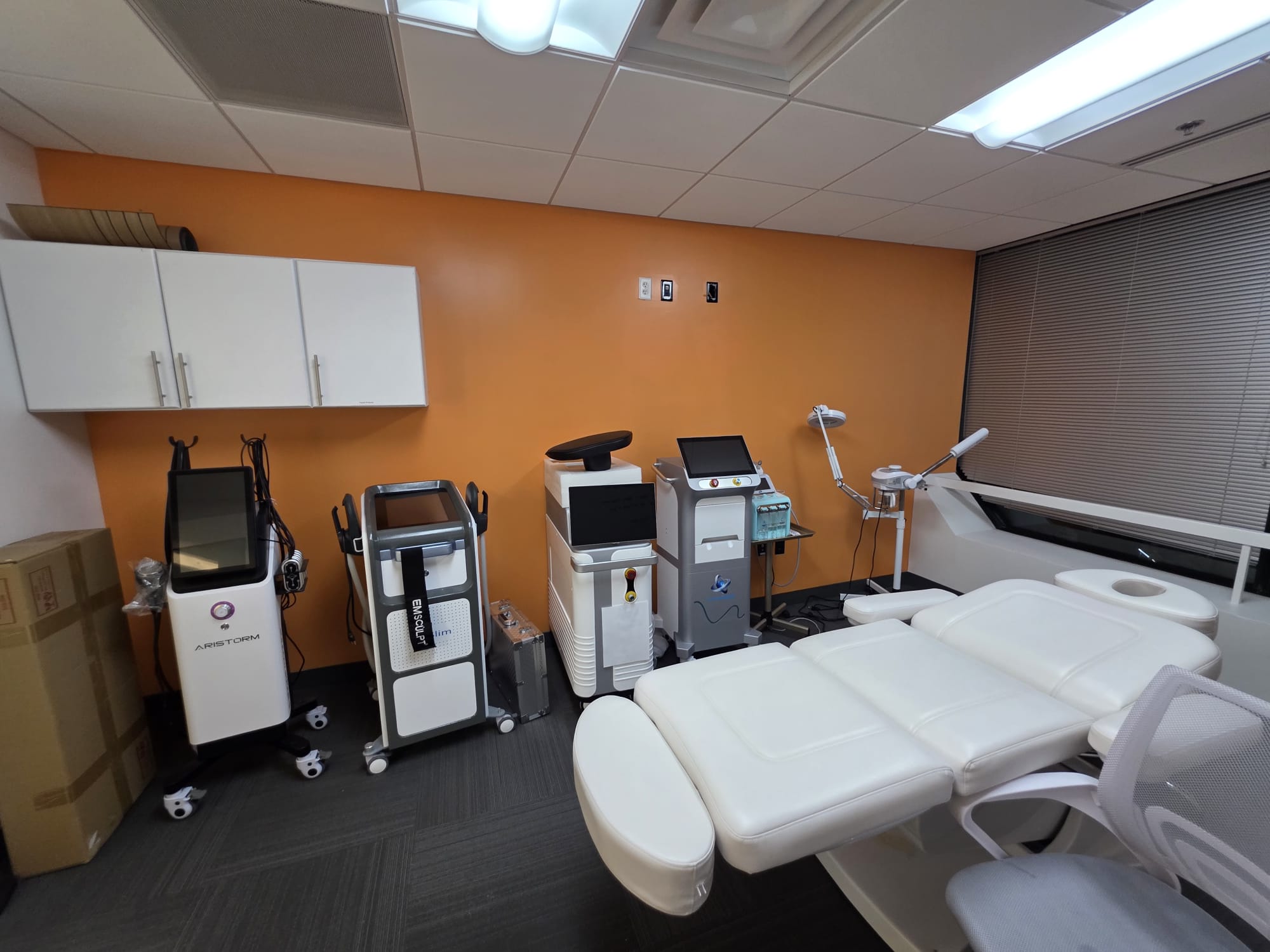
If you’re drawn to the technical, results-driven side of aesthetics — and you want a career that blends healthcare knowledge with hands-on skill — cosmetic laser is worth a serious look. AVI Career Training offers a Cosmetic Laser Technician program at its Vienna, VA campus.


How to Choose the Right Career Path for You

You’ve got real options here. Let’s make the comparison concrete.

Timeline Comparison

Career Path Virginia Training Hours Typical Program Length
Medical Assistant (Certificate) No state requirement 9–12 months
Esthetics 600 clock hours 6–10 months
Massage Therapy 500 clock hours 6–9 months
Nail Technician 150 clock hours 2–3 months
Cosmetic Laser Technician Varies by program 3–6 months

Salary Range Comparison (Virginia / Northern Virginia)

Career Estimated Annual Earnings
Medical Assistant $39,000–$44,000
Esthetician $38,000–$52,000
Massage Therapist $45,000–$58,000
Laser Technician $40,000–$65,000+

Sources: BLS.gov, Virginia DPOR, program data

Questions to Ask Yourself

Do you want to work in a clinical medical environment — think doctor’s offices, urgent care, hospitals? A traditional medical assistant program might be the right fit. Look at NOVA or an ABHES-accredited career school.

Are you drawn to one-on-one client work focused on wellness, appearance, and results? Esthetics, massage therapy, or cosmetic laser could be a better match — and often a faster one.

Do you want state licensure that travels with you? Esthetics, massage therapy, and nail technology all require Virginia State Board licensing — which means your credential is regulated, standardized, and recognized across most states.

Are you a veteran or military family member? AVI Career Training accepts the GI Bill® — a significant financial advantage for eligible students.


Mini-Story: The Recent Graduate Who Weighed Both Options

Marcus graduated from a high school in Fairfax County and knew he wanted a healthcare or wellness career — but a four-year university didn’t feel like the right move. He researched medical assistant programs and mapped out the timeline and cost. He also stumbled onto information about massage therapy while looking at allied health schools in Fairfax County.

What struck him was the salary data. Massage therapy in Virginia had a higher median wage than medical assisting, required fewer training hours, and — because Virginia licenses massage therapists through the Board of Nursing — gave him a portable, regulated credential. He enrolled in a Massage Therapy program, completed his 500 hours, passed the MBLEx, and was working at a sports and rehab clinic in Arlington less than a year after making his decision. He chose a path he’d almost never considered — because he took the time to compare.


Your Next Step in Northern Virginia

If a medical assistant program is truly the right fit for your goals, community colleges and accredited career schools in Fairfax County and the broader Northern Virginia area are worth exploring. Do your research on accreditation (CAAHEP or ABHES), compare total program costs including fees, and ask every school about their job placement rates.

But if anything in this guide made you pause — if the idea of esthetics, massage therapy, or cosmetic laser caught your attention even a little — that instinct is worth following.

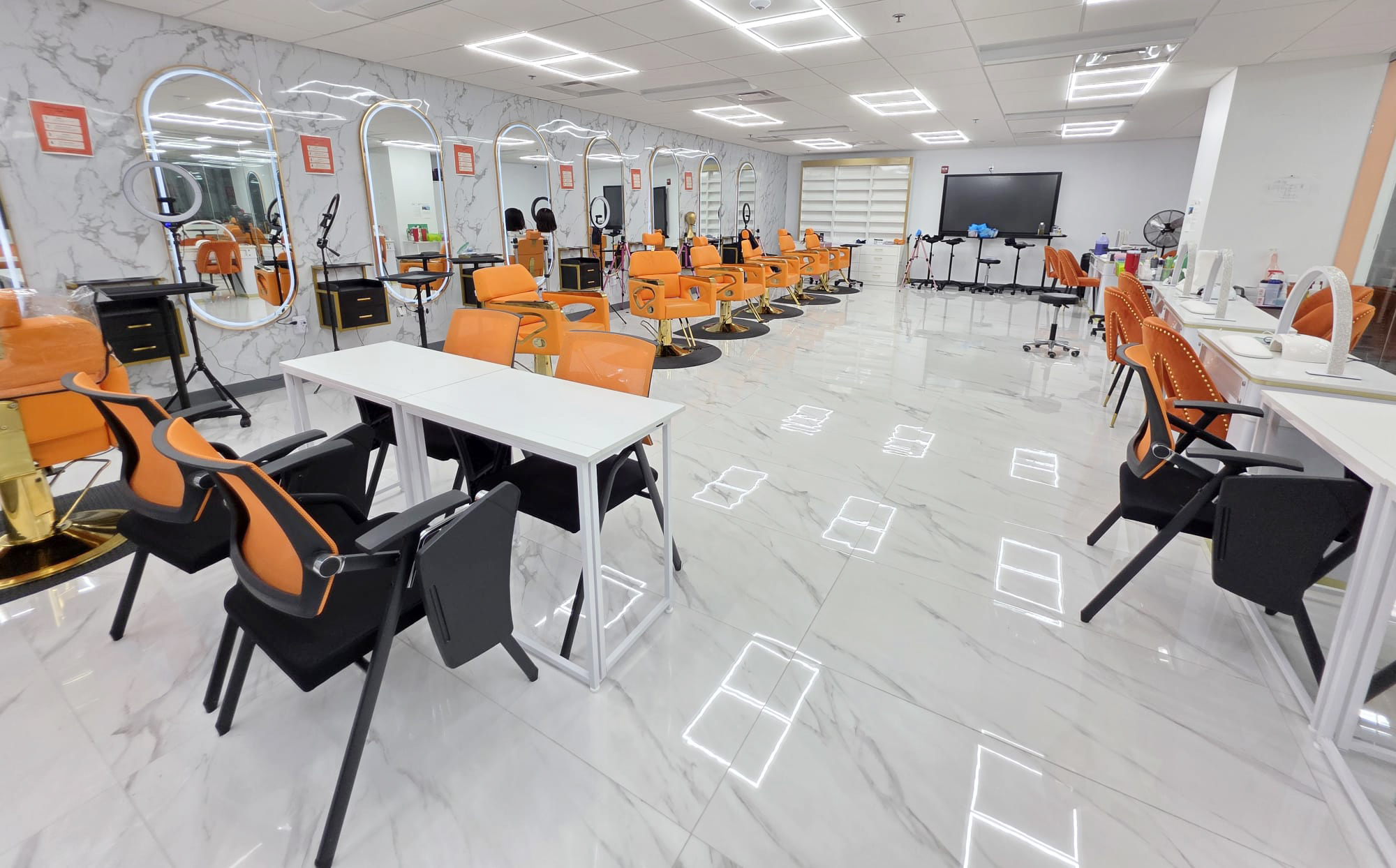
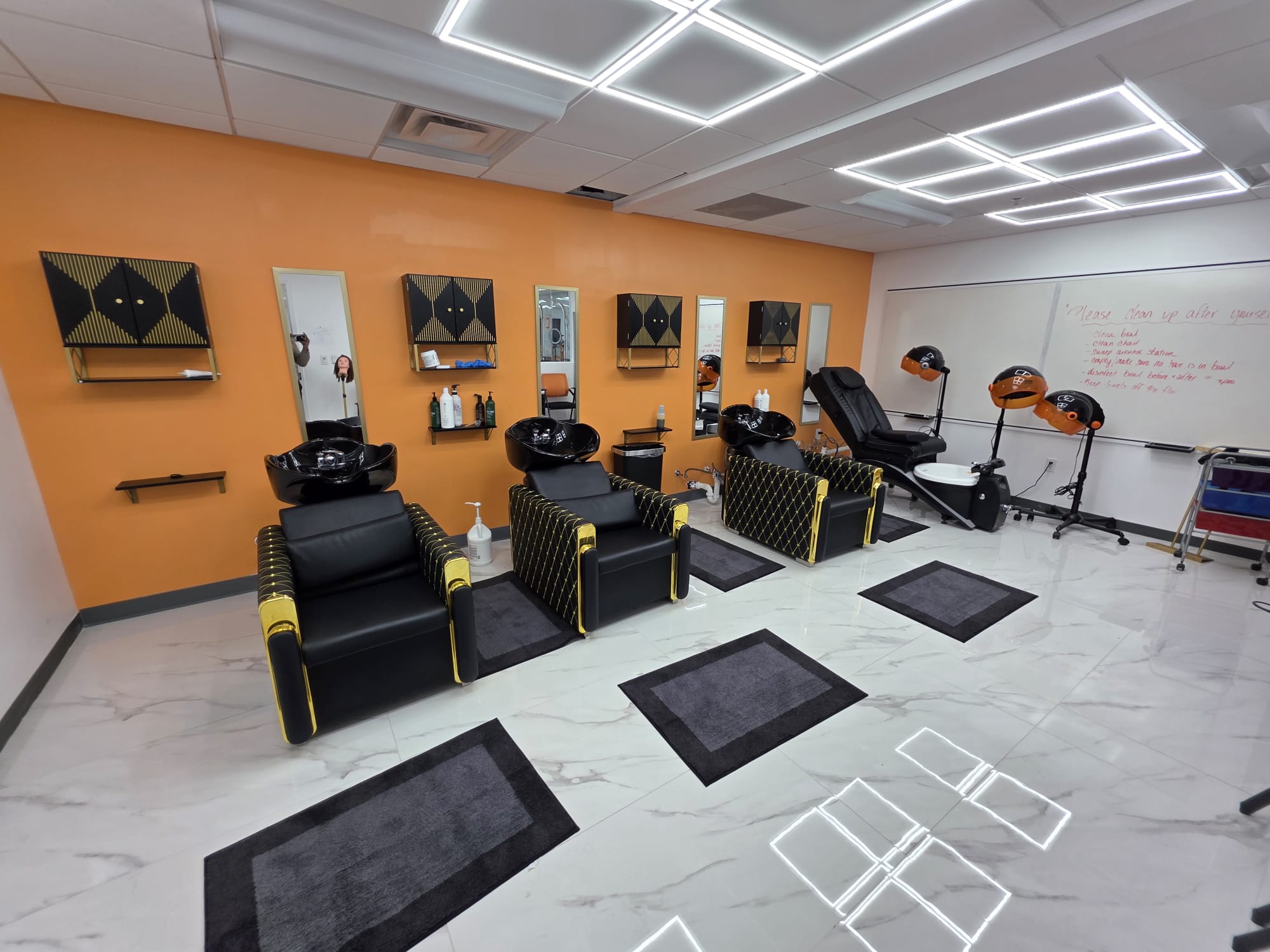
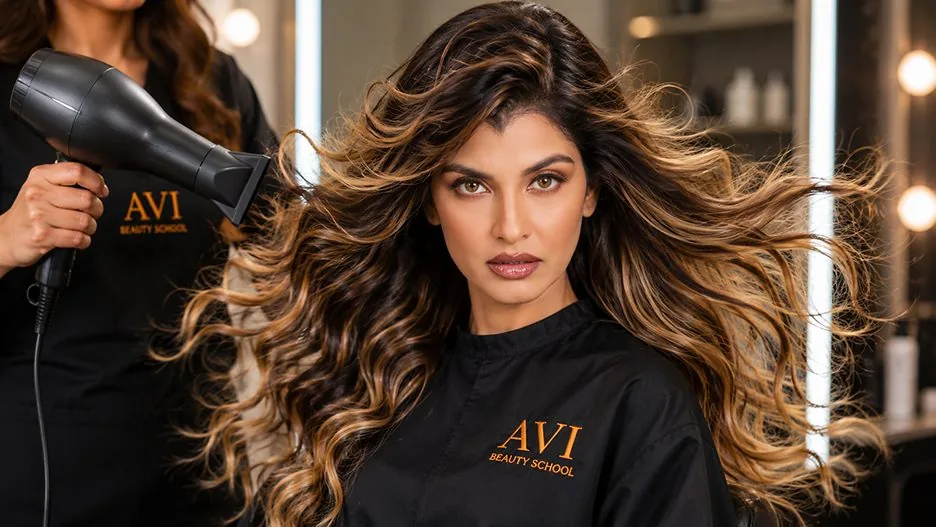
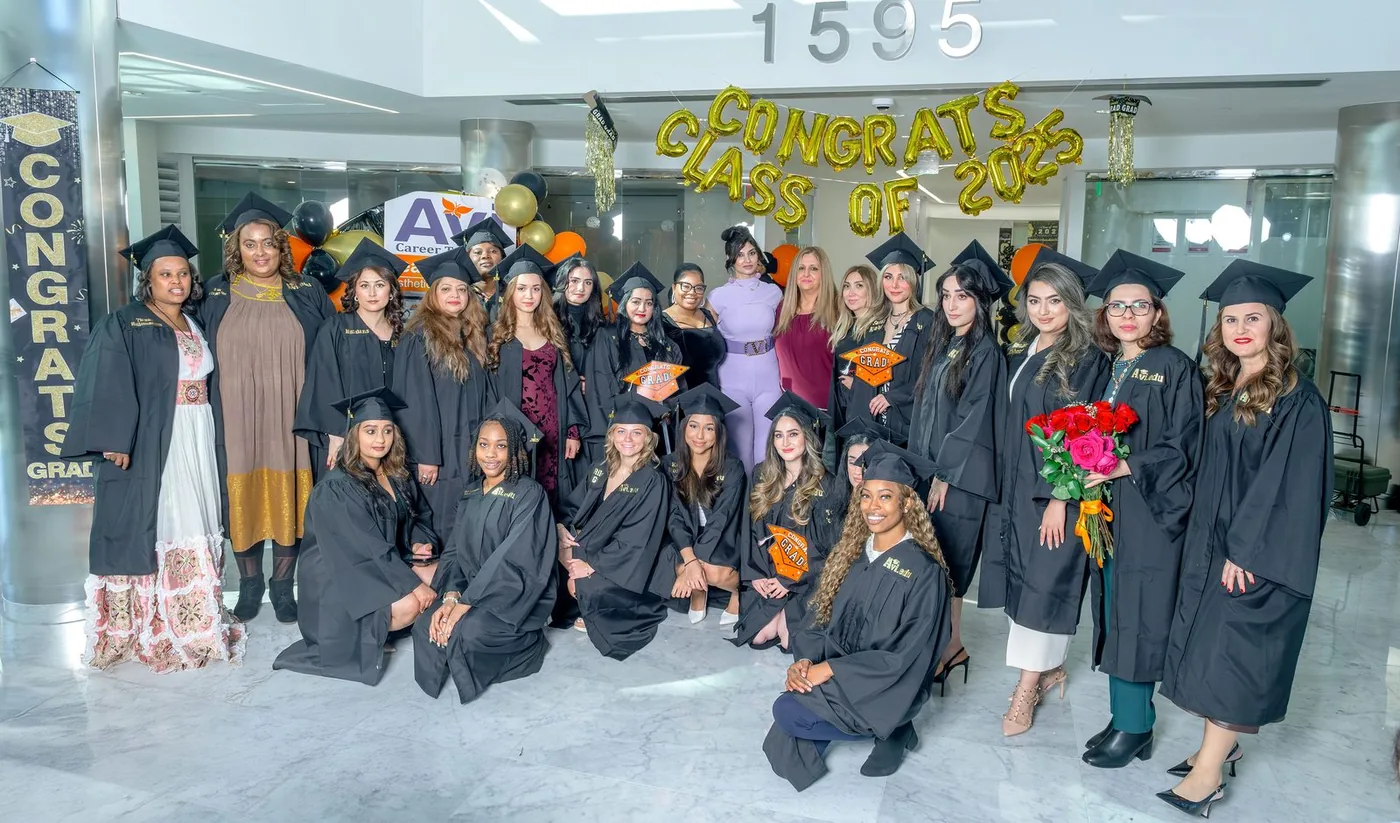
AVI Career Training is a COE-accredited, SCHEV-certified beauty and wellness school located at 1595 Spring Hill Rd #720, Vienna, VA 22182. We offer hands-on training in Basic Esthetics, Master Esthetics, Massage Therapy, Cosmetic Laser Technology, Nail Technology, Cosmetology, and Electrolysis. Financial aid is available, and we proudly serve veterans and military families through the GI Bill®.

Our programs are designed to get you licensed and working — not to stretch out your training longer than necessary. Most students are in the field within a year of starting.

If you’re ready to talk through your options, apply online today or call us at (703) 943-9841. If you want to see the campus, meet our instructors, and get a feel for the community before you commit, we’d love to have you visit — reach out here to set something up.

Your career in wellness starts with one decision. Make sure it’s the right one.


External resources used in this article: Bureau of Labor Statistics — Medical Assistants Occupational Outlook | Virginia DPOR — Board of Cosmetology

Article details:

Share: