Laser Technician Training in Virginia: Your Career Path
Laser technician training in Virginia opens the door to one of the fastest-growing sectors in beauty and wellness — and in the Northern Virginia and DC metro market, demand for skilled laser professionals has never been stronger. Whether you want to perform laser hair removal, skin rejuvenation, or pigmentation treatments, the right training program sets the foundation for a rewarding, well-paying career.
This guide walks you through exactly what laser technicians do, what Virginia requires for licensure, how to evaluate training programs, what you can expect to earn, and how AVI Career Training’s Cosmetic Laser Technology program can get you there.
If you’re ready to take the next step, apply to AVI Career Training’s Cosmetic Laser Technology program and speak with an admissions advisor about how the program aligns with Virginia’s requirements.
Key Takeaways
- Virginia requires cosmetic laser procedures to be performed under physician oversight, with documented training from a state-recognized program
- AVI Career Training is COE Accredited and SCHEV Certified, meeting Virginia’s state education standards
- Laser technicians in the Northern Virginia / DC metro area earn a wage premium above the state average, driven by high medical spa density
- Medical spas charge $150–$400+ per laser hair removal session, creating strong earning potential for skilled technicians
- AVI accepts financial aid and the GI Bill®, making training accessible for career-changers and veterans
What Does a Laser Technician Do?
A laser technician — sometimes called a laser esthetician or cosmetic laser specialist — uses FDA-cleared laser and light-based devices to provide a range of skin and hair treatments for clients. This is a hands-on, client-facing role that blends technical skill with the ability to assess skin conditions and communicate treatment plans clearly.
Core Services Laser Technicians Provide
Laser hair removal is the most well-known service, using concentrated light energy to target and disable hair follicles. A single client often returns for six to eight sessions, which means laser technicians build strong, repeat-visit client relationships.
Skin rejuvenation treatments use laser or intense pulsed light (IPL) to address fine lines, texture, and overall tone. These treatments are increasingly popular in medical spa settings, where clients pair them with other anti-aging services.
Pigmentation and vascular treatments target sunspots, melasma, age spots, and visible capillaries. These require precise protocol knowledge — especially when treating clients across different skin tones — to achieve safe, effective results.
Client consultations are a core part of the role. Before any treatment, a laser technician reviews the client’s skin type using the Fitzpatrick Scale (a classification system ranging from Type I to Type VI), assesses contraindications, explains the procedure, and documents informed consent. This step is not optional — it is a clinical and legal requirement.
A skilled laser technician is equal parts technician and communicator. You are reading the skin, adjusting equipment settings, tracking treatment progress across multiple sessions, and managing client expectations — all in a single appointment.
Virginia Licensing Requirements for Laser Technicians
Virginia has specific rules governing who can legally operate cosmetic lasers, and understanding them before you enroll in any program is essential. This is one area where generic “how to become a laser technician” articles fall short — the requirements vary significantly by state.
Who Oversees Laser Regulation in Virginia?
In Virginia, cosmetic laser procedures fall under the oversight of the Virginia Board of Medicine. The Board’s regulations require that non-physician laser operators work under the supervision of — or pursuant to standing orders from — a licensed physician. This means most laser technicians in Virginia work in medical spa or clinical environments where physician oversight is in place.
The Virginia Department of Professional and Occupational Regulation (DPOR) does not currently issue a standalone “laser technician license.” However, performing laser procedures without proper documented training and physician supervision violates the Board of Medicine’s guidelines for delegated medical acts. Employers — particularly medical spas and dermatology offices — require proof of formal training as a condition of employment and to satisfy their own regulatory obligations.
For training programs themselves, SCHEV (the State Council of Higher Education for Virginia) serves as Virginia’s state oversight body for postsecondary schools. Any school training laser technicians in Virginia should hold SCHEV certification. AVI Career Training is SCHEV Certified, meaning the program meets Virginia’s standards for postsecondary education.
What This Means for You
You do not need a standalone laser license to work in Virginia — but you absolutely need documented, formal training from a recognized program. Employers will ask for it. Physician supervisors require it. And for your own professional safety and client safety, it is non-negotiable.
⚠️ Note: Virginia’s regulations around delegated medical procedures are subject to change. Always verify current requirements directly with the Virginia Board of Medicine before enrolling in or completing a program.
What to Look for in a Laser Technician Training Program
Not all cosmetic laser programs are equal. Choosing the right school shapes not just what you learn, but how prepared you are to work safely and confidently on real clients from day one. Here is what separates a strong program from a weak one.
Hands-On Training Hours
Reading about laser safety is not the same as operating laser equipment. A quality program gives you significant hands-on time with actual devices — not just demonstrations. Ask any prospective school how many clock hours are dedicated to live equipment practice versus lecture. Programs that are heavy on theory and light on clinical hours leave graduates underprepared.
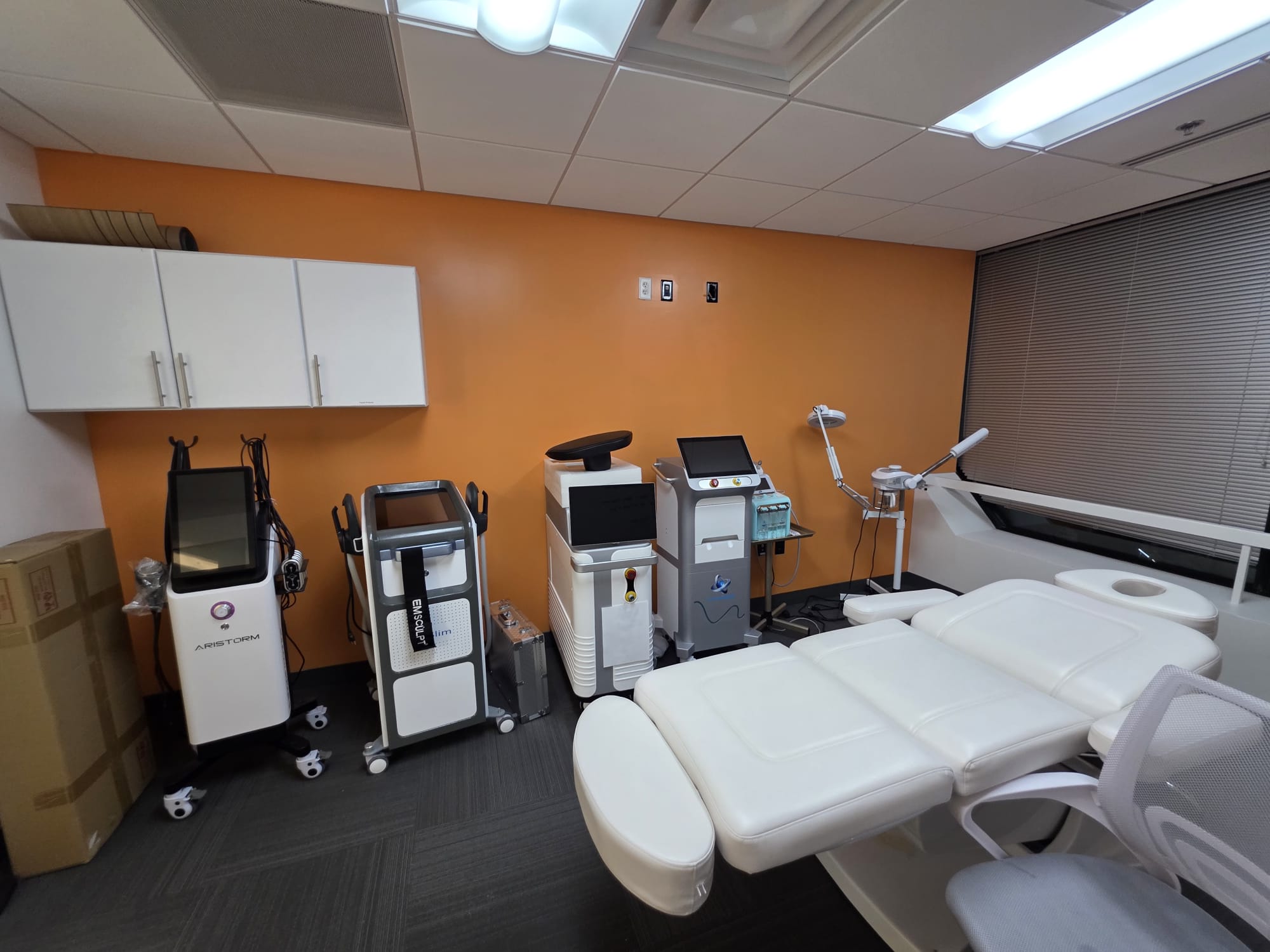
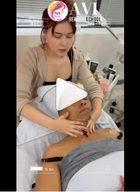
AVI Career Training’s Cosmetic Laser Technology program is built around hands-on learning. You practice on live models under instructor supervision, which means you graduate with real experience — not just a certificate.
Training Across All Fitzpatrick Skin Types
This is a critical differentiator that most programs and most articles about laser training completely ignore. Laser and light-based treatments carry meaningful risks when performed on deeper skin tones (Fitzpatrick Types IV–VI) without proper protocol knowledge. Incorrect wavelength selection, fluence settings, or pulse durations can cause burns, hyperpigmentation, or hypopigmentation on clients with more melanin in their skin.
A program that only trains you on lighter skin tones is not giving you a complete education — and it puts future clients at risk.
AVI Career Training is committed to inclusive training. The curriculum addresses technique, safety, and device settings across all six Fitzpatrick skin types. This is not just a brand value — it is a clinical necessity and a competitive advantage in the diverse Northern Virginia and DC metro market.
Accreditation and State Recognition
Look for programs at schools that are both COE Accredited and SCHEV Certified. COE (the Commission on Occupational Education) is a nationally recognized accrediting body that evaluates program quality, faculty credentials, student outcomes, and institutional integrity. SCHEV certification is Virginia’s state-level requirement for postsecondary schools.
AVI Career Training holds both — which means the Cosmetic Laser Technology program meets rigorous independent standards, not just minimum compliance.
Financial Aid and Veteran Support
Career-changers often ask whether laser technician training is affordable. At AVI, the answer is yes — financial aid is available for those who qualify, and AVI accepts the GI Bill®. For the significant veteran and military-connected population in Northern Virginia, this makes AVI one of the few local options that actively supports your transition into a new career.
Meet Marcus: A Career-Changer Who Made It Work
Marcus spent eight years working in IT support for a federal contractor in Reston. He was good at his job, but the work left him wanting something more human — more direct contact with people, and a career where he could see tangible results every day. A friend who worked at a medical spa in Tysons suggested he look into laser technician training.
Marcus was skeptical at first. He assumed he would need a nursing or esthetics background. After researching Virginia’s requirements and speaking with AVI’s admissions team, he learned that was not the case. He enrolled in AVI’s Cosmetic Laser Technology program, used his Post-9/11 GI Bill® benefits to cover tuition, and completed the program while working part-time.
Six months after graduation, Marcus was working full-time at a medical spa in McLean — performing laser hair removal and IPL treatments, building a regular client base, and earning more than he expected in his first year. He credits the hands-on training hours at AVI for his confidence on day one of the job.
Laser Technician Career Outlook and Salary in Virginia
The earning potential for laser technicians in Virginia — particularly in the Northern Virginia and DC metro corridor — is genuinely strong. Understanding the market helps you make a smart decision about whether this career path makes sense for you.
What the Data Shows
The Bureau of Labor Statistics classifies laser technicians under Skincare Specialists (SOC 39-5094). According to BLS data, the median annual wage for skincare specialists in Virginia trends above the national median, driven in part by the higher cost of living and concentration of medical and aesthetic facilities in Northern Virginia.
In the DC metro market specifically, experienced laser technicians working in medical spa or clinical settings command salaries that reflect the area’s premium wage environment. Entry-level positions typically start in the $40,000–$50,000 range, while experienced technicians in high-volume medical spas often earn $55,000–$75,000 or more annually — particularly when commission or performance bonuses are factored in.
For context: a single laser hair removal session at a Northern Virginia medical spa typically costs between $150 and $400+, depending on the treatment area. At high-volume clinics, a technician performing six to eight appointments per day generates significant revenue — and in commission-based compensation structures, that translates directly into your paycheck.
Where Laser Technicians Work
- Medical spas: The primary employer in Northern Virginia. Medical spas have grown significantly in the DC metro area, driven by demand for non-surgical aesthetic treatments
- Dermatology and plastic surgery clinics: Higher clinical rigor, often higher base compensation
- Day spas and wellness centers: Broader service offerings; laser may be one component of your role
- Self-employment / suite rental: Experienced technicians sometimes build independent practices, particularly in high-income communities like McLean, Great Falls, and Vienna
Industry Growth
The medical spa industry has been among the fastest-growing segments of the health and wellness sector, with the American Med Spa Association (AmSpa) reporting consistent year-over-year revenue growth. Northern Virginia’s high-income demographics, federal workforce, and proximity to DC make it one of the strongest regional markets in the country for aesthetic services.
Meet Danielle: From Esthetician to Laser Specialist
Danielle had been a licensed esthetician for three years at a day spa in Fairfax when she started noticing how many clients were asking about laser services the spa did not offer. She saw an opportunity — and a gap in her own credentials.
She enrolled in AVI Career Training’s Cosmetic Laser Technology program while continuing to work part-time at the spa. The training covered equipment she had never operated before, including IPL devices and diode laser systems. What surprised her most was how much time was spent on Fitzpatrick skin typing and adapting protocols for darker skin tones — something her original esthetics training had barely touched.
After completing the program, Danielle transitioned to a medical spa in Arlington that served a diverse clientele. Her inclusive training gave her a clear edge in consultations. Within 18 months, she had become the spa’s lead laser specialist, training two new hires and managing her own client schedule.
What Is the Difference Between a Laser Technician and an Esthetician?
This is one of the most common questions from people researching this career — and the answer matters for how you plan your education.
An esthetician is a licensed skincare professional trained in facials, waxing, chemical exfoliation, and other surface-level skin treatments. Virginia requires estheticians to complete 600 hours of training and pass the Virginia State Board exam to obtain licensure.
A laser technician (or laser esthetician) is trained specifically to operate laser and light-based devices for hair removal, skin rejuvenation, and related treatments. In Virginia, laser operation falls under physician-delegated medical acts rather than the esthetics scope of practice — which is why formal laser-specific training and physician supervision are required, independent of esthetics licensure.
Some professionals hold both credentials. Danielle’s story above is a real-world example of how estheticians add laser training to expand their scope and earning potential. But laser technician training is also a standalone path — you do not need an esthetics license first.
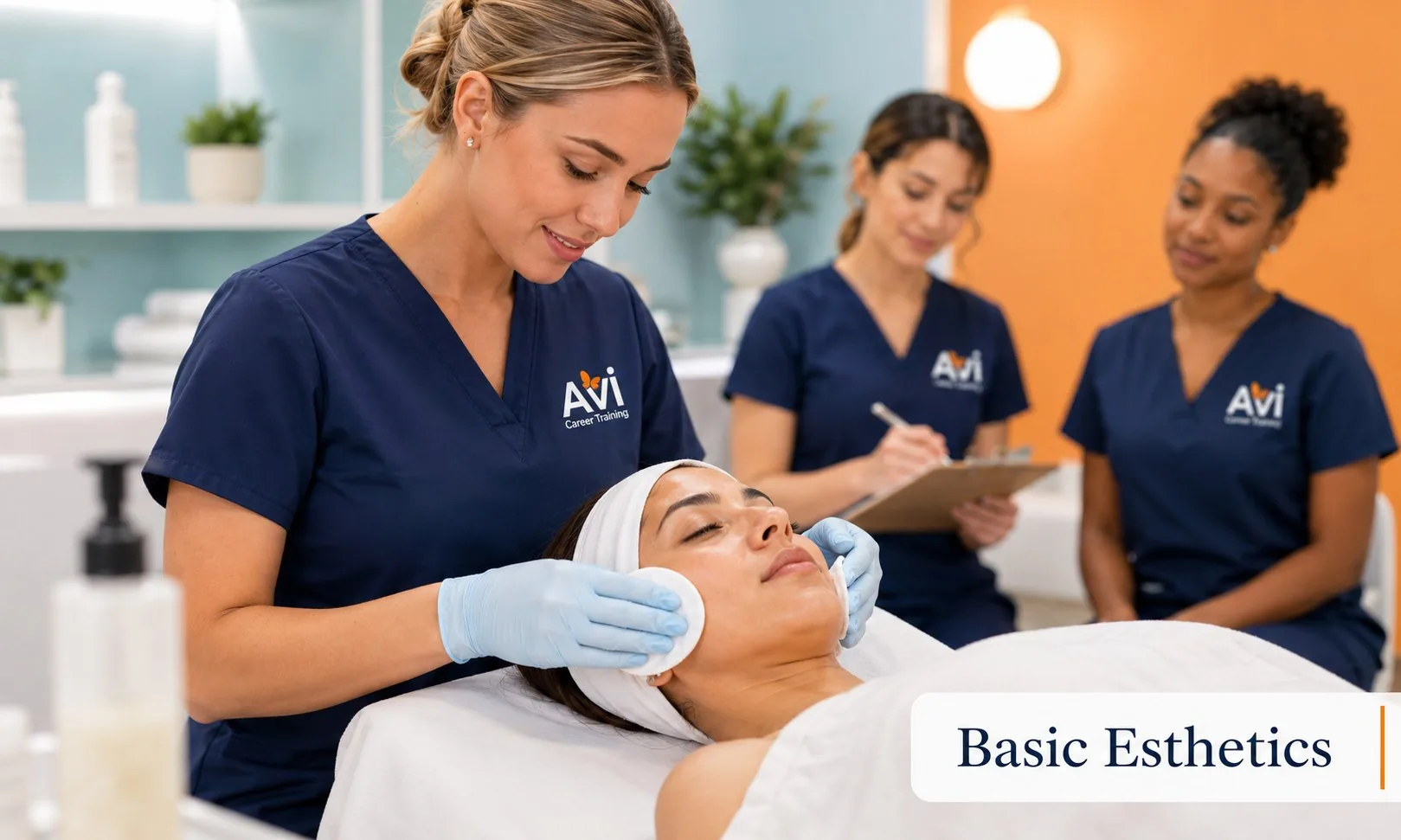
If you’re weighing both options, AVI offers programs in both Basic Esthetics and Cosmetic Laser Technology — and an admissions advisor can help you map out the right sequence for your goals.
Start Your Laser Technician Training at AVI Career Training
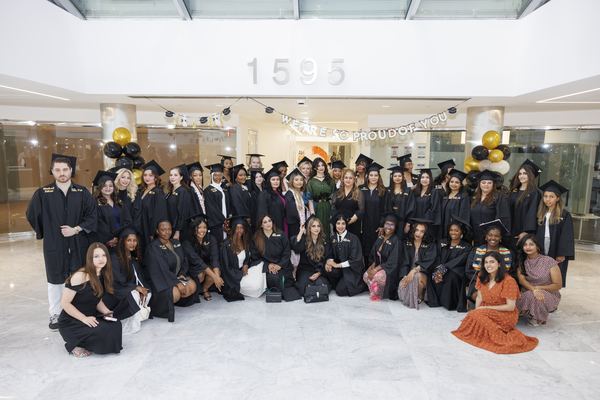
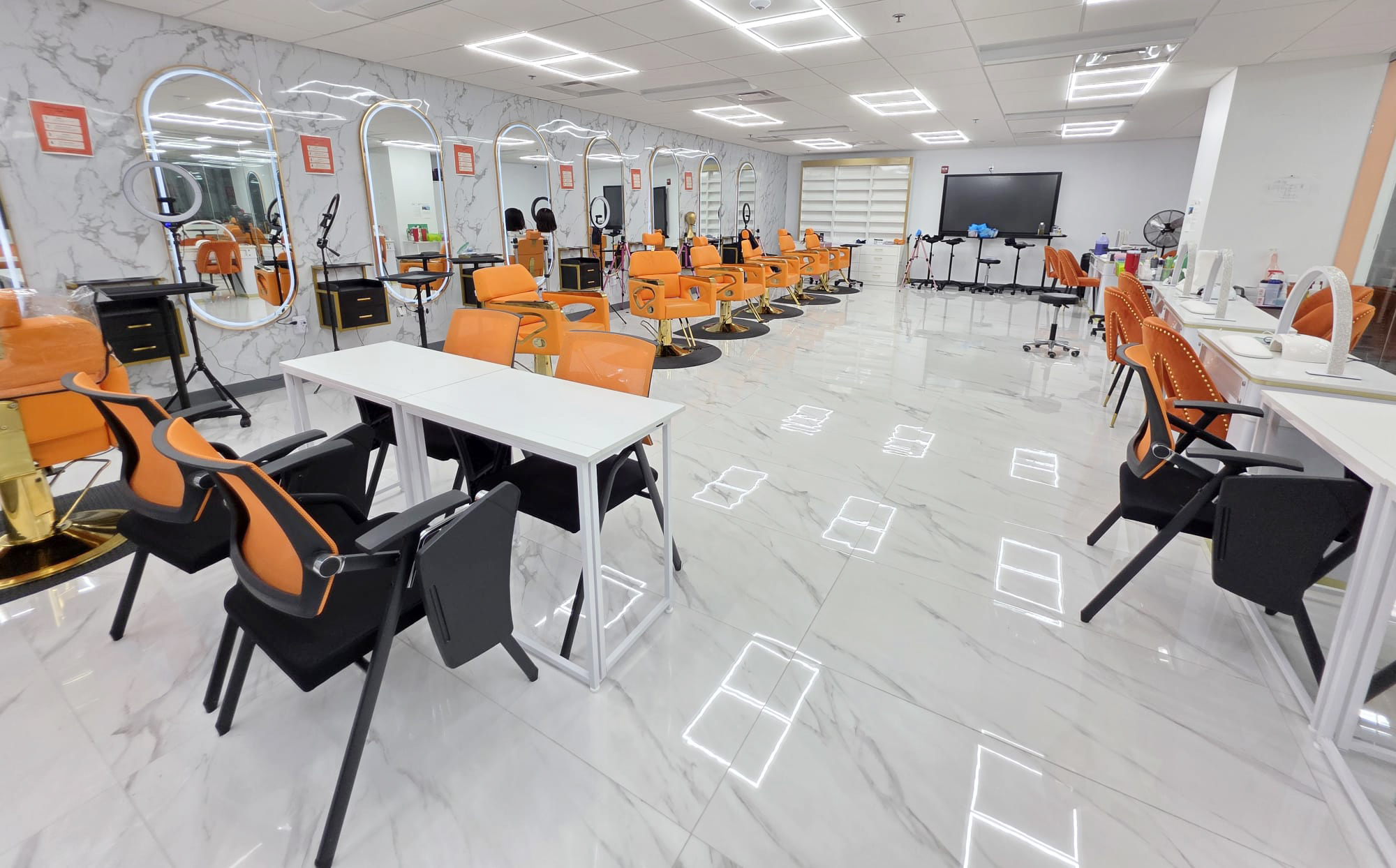
AVI Career Training’s Cosmetic Laser Technology program is designed for people who are serious about building a career in aesthetic medicine — not just curious about it. The program is hands-on, inclusive by design, and backed by the kind of institutional credibility that matters to employers and regulatory bodies in Virginia.
Here is what sets AVI apart:
- COE Accredited — independent quality verification that meets national standards
- SCHEV Certified — recognized by Virginia’s state postsecondary oversight body
- Hands-on training — live model hours under licensed instructor supervision
- Inclusive curriculum — training across all Fitzpatrick skin types (I–VI)
- Financial aid available — for students who qualify
- GI Bill® accepted — supporting veterans and military-connected students in the NoVA market
- Vienna, VA location — convenient to the entire Northern Virginia and DC metro area
The Northern Virginia medical spa market is growing. Employers are hiring. And the skills shortage for trained, credentialed laser technicians is real. This is a career you can move into quickly, with earning potential that reflects the investment you make in your training.
Apply to AVI Career Training today or call us at (703) 943-9841 to speak with an admissions advisor. You can also learn more about AVI Career Training and what makes our school different.
Your career as a laser technician in Virginia starts here.
AVI Career Training | 1595 Spring Hill Rd #720, Vienna, VA 22182 | (703) 943-9841
COE Accredited · SCHEV Certified · Financial Aid Available · GI Bill® Accepted