
AVI Career Training

Barber School in Northern Virginia: Licensing, Training & Career Guide

Share:

Barber School in Northern Virginia: Licensing, Training & Career Guide

Northern Virginia is one of the best markets in the country to build a barbering career — and it starts with choosing the right school and understanding exactly what Virginia requires to get licensed.

Whether you’re fresh out of high school, switching careers, or ready to turn a passion for precision cuts into a full-time income, this guide walks you through every step: Virginia’s licensing requirements, how barbering and cosmetology compare, what to look for in a quality training program near you, and what you can realistically earn in the NoVA/DC metro area.

If you’re ready to stop researching and start training, apply to AVI Career Training today and take the first step toward your barber career.


Key Takeaways

  • Virginia requires 1,500 hours of training at a licensed barber school before you can sit for the state licensing exam
  • Applicants must be at least 16 years old and hold a high school diploma or GED
  • The Virginia barber exam includes both a written (theory) and practical (hands-on) component, administered by PSI Exams
  • BLS projects ~8% growth in barber and hairstylist occupations through the early 2030s — the DC metro market commands wages well above the national median
  • Top barbers in high-traffic NoVA/DC markets can earn $55,000–$80,000+ through booth rental and tips (income varies by experience, clientele, and business model)
  • AVI Career Training is COE Accredited and SCHEV Certified — and accepts the GI Bill® for eligible veterans

What Does a Barber Actually Do?

Barbering is a skilled trade with a distinct identity. It’s not just cutting hair — it’s mastering a specific set of techniques that require precision, consistency, and an understanding of diverse hair types and facial structures.

Licensed barbers perform services including:

  • Haircuts and fades — from skin fades to scissor work across all hair textures
  • Straight razor shaves — a technique unique to barbering, not typically within a cosmetologist’s scope of practice
  • Beard grooming and shaping — detailing, lining, and full beard design
  • Scalp treatments — addressing dryness, buildup, and overall scalp health
  • Hair designs and clipper art — pattern work, part designs, and personalized styling

One of the most important professional competencies in modern barbering is the ability to work beautifully across all hair textures — from 1A straight to 4C coily — and on all skin tones. That’s not just an industry expectation; it’s what separates good barbers from great ones. Clients with natural hair, locs, waves, and tight curl patterns deserve the same precision and care as any other client. A well-rounded training program builds this skill from day one.

The barbering market has evolved significantly over the past decade. Traditional barbershops are thriving, but barbers are also building careers in upscale grooming lounges, hotel spas, film and TV sets, and mobile service businesses. The clientele is broader, the earning potential is higher, and the demand for skilled, licensed professionals continues to grow.


Virginia Barber License Requirements: What You Need to Know

Before you can legally work as a barber in Virginia, you need a state-issued license from the Virginia Board of Barbers, overseen by the Virginia Department of Professional and Occupational Regulation (DPOR). Here’s what that process looks like.

Eligibility Requirements

To apply for a Virginia barber license, you must:

  • Be at least 16 years old
  • Hold a high school diploma or GED (verify the current requirement directly with DPOR, as requirements can change)
  • Complete 1,500 hours of training at a DPOR-approved barber school
  • Pass both portions of the Virginia barber licensing exam

Always confirm the most current requirements at the Virginia DPOR website before enrolling in any program.

The 1,500-Hour Training Requirement

Virginia barber license hours total 1,500 — completed at a licensed barber school. This isn’t just clock time. Those hours cover theory, technique, sanitation and safety protocols, client services, and real hands-on practice. A quality program structures those hours to build competency progressively, starting with the fundamentals and advancing to full client services before you graduate.

The Virginia Barber Licensing Exam

After completing your 1,500 hours, you’ll apply to take the state exam through PSI Exams, the testing provider authorized by DPOR. The exam has two parts:

  1. Written (Theory): Covers barbering science, safety and sanitation, relevant laws and regulations, and core technical knowledge
  2. Practical (Hands-On): Demonstrates your real-world skills — executed on a mannequin or live model, depending on current exam format

Passing both portions earns you your Virginia barber license, which must be renewed on a regular schedule with continuing education.

How Virginia Compares to Neighboring States

Virginia’s 1,500-hour requirement is competitive with most neighboring states. Maryland requires 1,500 hours for a barber license; Washington, DC requires 1,000 hours. If you train and license in Virginia, your credential is among the strongest in the region — and reciprocity agreements may allow you to work across state lines. Confirm reciprocity details with DPOR and the licensing boards of any states where you plan to work.


Barbering vs. Cosmetology in Virginia — Which Path Is Right for You?

This is one of the most common questions prospective students ask — and the answer depends on where you want your career to go.

Scope of Practice

In Virginia, barbers and cosmetologists hold separate licenses with different scopes of practice:

  • Barbers are licensed to perform haircuts, shaves, beard grooming, scalp treatments, and limited hair care services, typically focused on a male-presenting clientele — though modern barbering serves all genders
  • Cosmetologists hold a broader license covering hair cutting and styling, chemical services (color, relaxers, perms), skincare, and nail care — a wider range of services across all clientele

The key trade-off: a barber license gets you to your specialization faster, while a cosmetology license opens more service categories and potentially more career flexibility.

Hour Requirements

License Virginia Training Hours Required
Barber 1,500 hours
Cosmetologist 1,500 hours

Virginia requires the same number of training hours for both licenses. The difference isn’t the time investment — it’s the content of the curriculum and the scope of what you’re licensed to do afterward.

Can a Cosmetologist Do Barbering in Virginia?

This is a frequent People Also Ask question — and the answer is nuanced. A licensed cosmetologist can perform many of the same services as a barber, including haircuts and some grooming techniques. However, certain barbering-specific services, particularly straight razor shaves, may fall under the barber scope of practice in Virginia. If razor work is central to your career vision, a barber license is the clearer path. Confirm the current scope-of-practice distinctions with DPOR, as regulations are subject to change.

Which Path Should You Choose?

Choose barbering if:
– You’re passionate about precision cuts, fades, and grooming
– You want to work in a barbershop, grooming lounge, or men’s wellness space
– Straight razor shaving is a service you want to offer

Choose cosmetology if:
– You want broader service capabilities, including color and chemical treatments
– You plan to work in a full-service salon or spa
– You want maximum career flexibility across different work environments

At AVI Career Training, our Cosmetology program is built around inclusive, comprehensive technique — preparing graduates for a wide range of career paths in the modern beauty industry. If you’re weighing your options, reach out to AVI admissions to talk through which program fits your goals.


What to Look for in a Barbering or Barber-Track Program Near You

Not all training programs are created equal. Here’s what to evaluate when comparing programs in the Northern Virginia area.

Accreditation and State Approval

Start here. Any program you enroll in must be DPOR-approved to count toward your Virginia license. Look for schools that also hold national accreditation — AVI Career Training is COE Accredited (Council on Occupational Education) and SCHEV Certified (State Council of Higher Education for Virginia). These credentials signal program quality and institutional accountability, and they matter for financial aid eligibility.

Hands-On Clinical Hours

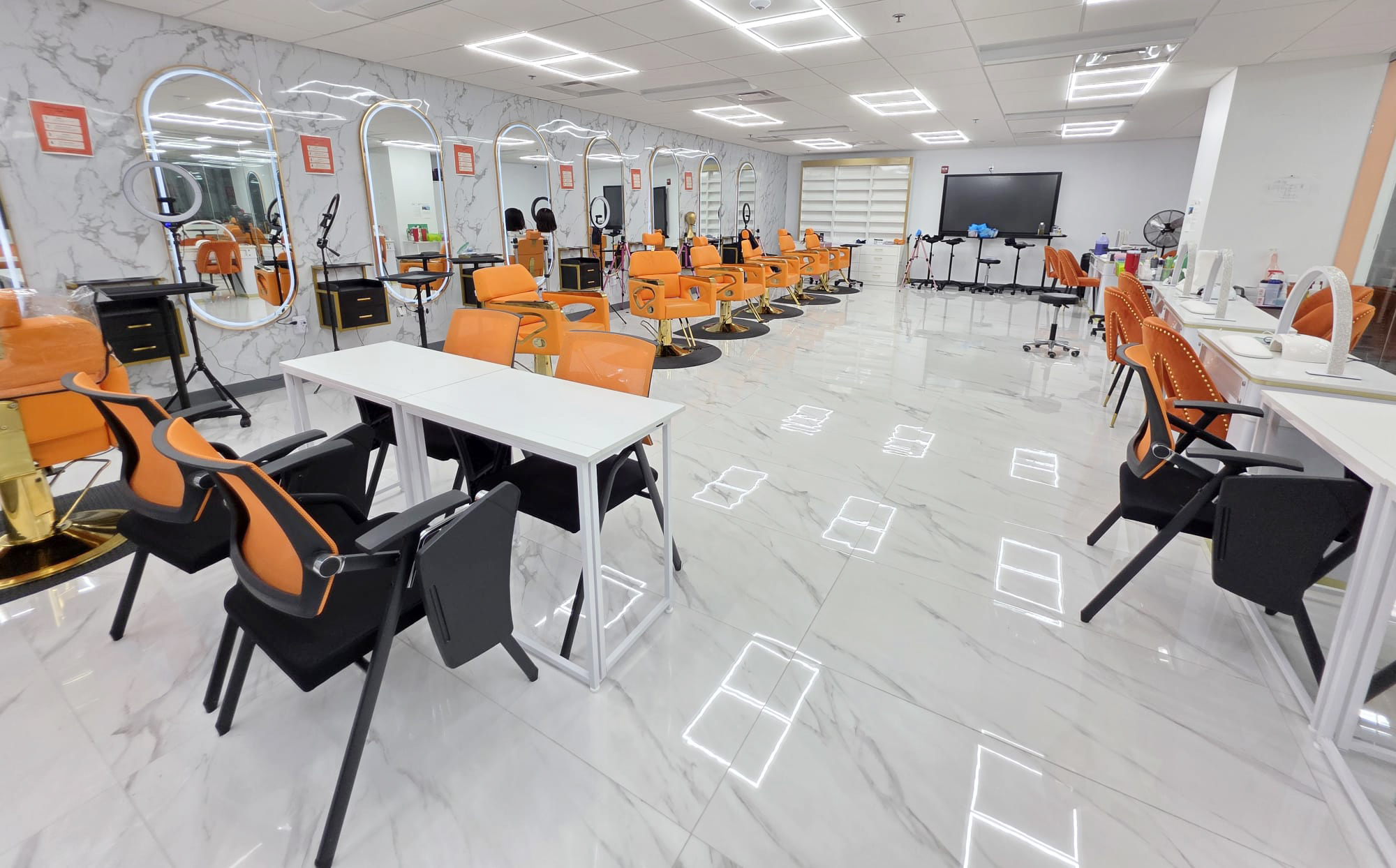
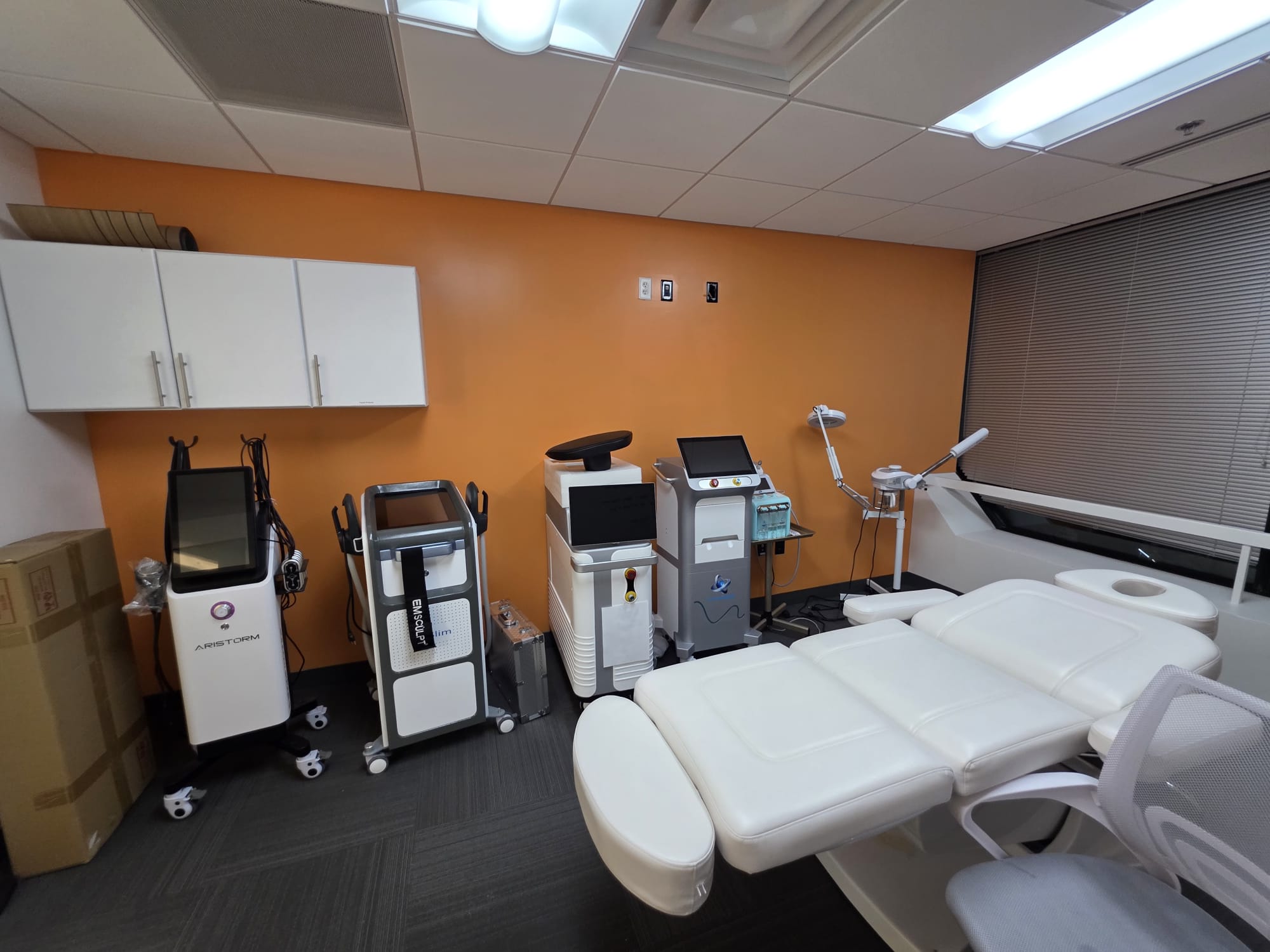
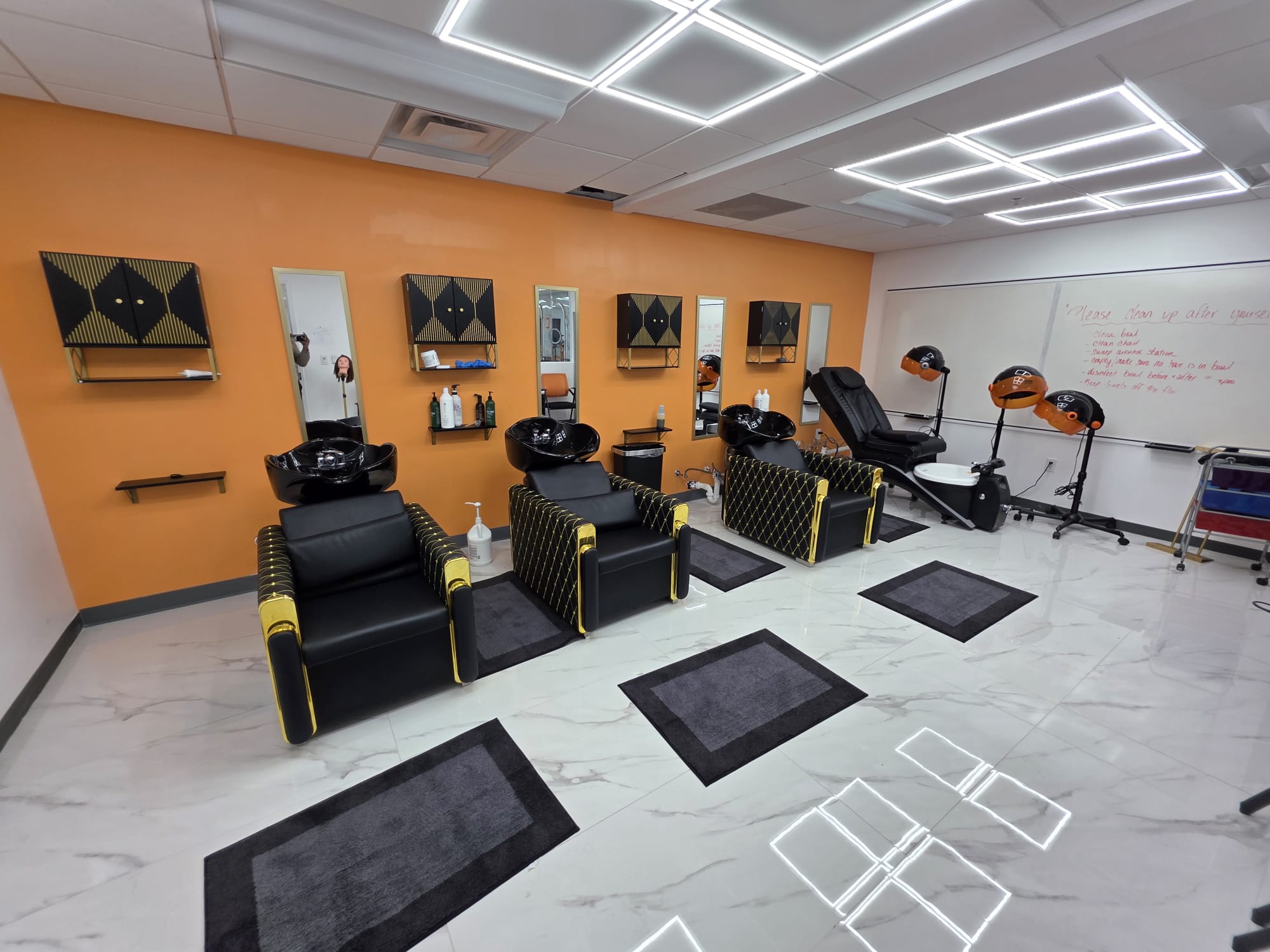
Licensing exams test real skills. A program that front-loads classroom theory without sufficient hands-on practice leaves you underprepared. Look for programs that put you behind the chair — or at the barber station — early and often, with supervised client services that build your confidence alongside your competency.

Inclusive Curriculum: All Hair Textures, All Skin Tones

This is non-negotiable. The Northern Virginia market is one of the most diverse in the country. Your future clients will have 4A–4C curl patterns, locs, waves, fine straight hair, and everything in between. A training program that teaches only one hair type or one client profile will leave you underprepared for the actual market.

AVI Career Training’s curriculum is built around inclusive techniques — because beauty education should prepare you to serve everyone beautifully. That’s not just a values statement; it’s a career advantage.

Experienced, Licensed Instructors

Your instructors shape your technique. Look for programs where instructors are actively licensed industry professionals — people who have worked in real salons, shops, and spas and bring that experience into the classroom.

Financial Aid and Veteran Benefits

Training costs money, and the right school helps you fund it. AVI Career Training offers financial aid for eligible students and proudly accepts the GI Bill® — a significant benefit for the large veteran and active-duty community in Northern Virginia. If you’re a veteran or active-duty service member, ask specifically about Post-9/11 GI Bill® benefits and eligibility.

Location and Schedule Accessibility

Convenience matters. AVI Career Training is located at 1595 Spring Hill Rd #720, Vienna, VA 22182 — centrally positioned in Northern Virginia with easy access from Tysons, Reston, Fairfax, and the broader DC metro area.


Meet Marcus: From Hobbyist to Licensed Professional

Marcus had been cutting his friends’ hair for years — just for fun, and because he was genuinely good at it. At 24, he was working a warehouse job and feeling stuck. He knew he wanted to work for himself eventually, but the idea of a four-year degree felt like the wrong direction.

A friend mentioned that beauty school was faster and more affordable than he expected. Marcus started researching barbering programs in Northern Virginia, and one thing stood out about AVI: the curriculum covered all hair textures from day one. As a Black man who grew up navigating salons that weren’t always equipped to handle his hair type, that mattered.

He enrolled, completed his training hours, passed both portions of the Virginia licensing exam, and within three months of graduating, he was renting a booth at a barbershop in Tysons. He now has a loyal client base and is working toward opening his own space.

Marcus’s story isn’t unusual. It’s what happens when the right training meets real motivation.


Career Outlook for Barbers in Northern Virginia & the DC Metro Area

The job market for skilled barbers in the NoVA/DC region is strong — and getting stronger.

What Barbers Earn in This Market

According to the U.S. Bureau of Labor Statistics, the national median annual wage for barbers is approximately $37,000–$42,000. The DC metro area — which includes Northern Virginia and suburban Maryland — consistently commands wages above the national median due to higher cost of living, denser population, and strong consumer spending on personal care services.

Top-performing barbers in high-traffic NoVA/DC markets — particularly those operating under a booth rental model with an established clientele — can earn $55,000–$80,000 or more when factoring in tips. This is an estimate, not a guarantee. Your income will depend on your client volume, service pricing, location, and how aggressively you build your book.

Employment Models: What Are Your Options?

As a licensed barber, you have flexibility in how you structure your career:

  • Employee/Commission: You work for a barbershop or salon and earn a percentage of your service revenue. Good for new graduates building clientele.
  • Booth Rental: You rent a station in an established shop and keep 100% of your service income, minus rent. Higher earning ceiling, but you manage your own business.
  • Suite Rental: You operate your own private suite within a shared facility. More overhead, maximum control.
  • Mobile Barbering: You bring services to clients — a growing model in the luxury and corporate wellness market.

Many barbers start as employees and transition to booth rental as their clientele grows. Northern Virginia’s dense, affluent, service-oriented market makes that transition faster than most regions.

Job Growth Projections

The BLS projects approximately 8% growth in barber, hairstylist, and cosmetologist occupations through the early 2030s — faster than average for all occupations. Skilled, licensed professionals with inclusive training and strong client service skills will be positioned to take full advantage of that growth.


Meet Priya: A Career-Changer Who Found Her Direction

Priya spent seven years in retail management before realizing she needed work that felt more creative and more personal. She looked at traditional college programs, but the timelines didn’t fit her life — she needed to be earning again within a year.

She found AVI Career Training while searching for cosmetology schools near Vienna, VA. What sold her wasn’t just the program length — it was talking to admissions and learning that the curriculum covered chemical services, skincare, and inclusive styling techniques for all hair types. Priya had grown up in a South Asian household where finding a stylist who understood her hair was always a challenge. She wanted to be the stylist her community needed.

She enrolled in the Cosmetology program, completed her training, passed the Virginia State Board exam, and now works at a full-service salon in Fairfax. She specializes in South Asian bridal hair and color — a niche she built intentionally because of the inclusive foundation her training gave her.


Your Next Step Toward a Barbering Career in Northern Virginia

The path to a barber license in Virginia is clear: 1,500 hours of approved training, pass the PSI exam, and you’re licensed to build the career you’ve been working toward. The DC metro market is ready for skilled, licensed professionals who can serve every client who walks through the door.

AVI Career Training is a COE-accredited, SCHEV-certified school in Vienna, Virginia — positioned at the center of one of the strongest beauty and wellness markets in the country. We offer financial aid for eligible students, accept the GI Bill®, and teach inclusive techniques designed to prepare you for the real, diverse market you’ll be entering.

Whether you’re drawn to barbering specifically or exploring a broader cosmetology track, the right conversation starts with reaching out. Talk to our admissions team, ask your questions, and find out which program fits your goals and your timeline.

Call us at (703) 943-9841, or apply to AVI Career Training to get started today.


GI Bill® is a registered trademark of the U.S. Department of Veterans Affairs. Use of the GI Bill® trademark does not imply endorsement by the Department of Veterans Affairs.

Article details:

Share: