
Barber School in Northern Virginia: Your Path to a License
Barber school in Northern Virginia puts you on a direct path to a licensed, in-demand career — and in the DC metro market, that career pays well.
Northern Virginia is one of the most diverse regions in the country. Clients here span every background, every hair texture, and every grooming preference. That makes trained, licensed barbers and cosmetologists more valuable here than almost anywhere else in the nation. If you’re weighing your options — barber school, cosmetology school, or something else — this guide lays out everything you need to know before you decide.
—
> ## Key Takeaways
> – Virginia requires 1,500 clock hours of training to earn a Barber License through DPOR
> – Both a barber license and a cosmetology license require 1,500 hours — but cosmetology covers a broader scope of services
> – A full-time student can typically complete a 1,500-hour program in approximately 12–14 months
> – U.S. barbers earn a median annual wage of $36,000–$40,000 (BLS), with the NoVA/DC metro commanding a premium above that
> – AVI Career Training, located in Vienna, VA, is COE-accredited and accepts financial aid and the GI Bill®
—
What Virginia Requires to Get Your Barber License
Getting your barber license in Virginia is straightforward — but it takes commitment. Here’s exactly what the Virginia Department of Professional and Occupational Regulation (DPOR) requires.
Clock Hours: You must complete 1,500 clock hours of barbering training at a licensed barber school. These hours cover hands-on technique, theory, and professional practice — not just classroom time.
Exams: After completing your program, you’ll sit for two Virginia State Board exams: a written exam and a practical exam. Both must be passed to receive your license.
Basic Eligibility: Applicants must be at least 16 years old and hold a high school diploma or GED.
License Renewal: Once licensed, you’ll renew your barber license every two years. Virginia requires continuing education hours as part of renewal, keeping your skills and knowledge current.
> ⚠️ Requirements can change. Always verify current Virginia barber license requirements directly at dpor.virginia.gov before enrolling.
Understanding these requirements upfront helps you plan. You know the finish line before you start running. If you’re ready to take that first step, apply now at AVI Career Training and speak with an admissions advisor who can walk you through the process.
—
Barber School vs. Cosmetology School in Virginia: What’s the Difference?
This is one of the most common questions prospective students ask — and the answer matters more than most people realize.
Scope of Practice
A barber license in Virginia authorizes you to cut hair, perform scalp treatments, shave with a straight razor, trim and shape beards, and provide other barbering services. Barbers are specialists, and the market for skilled barbers is strong.
A cosmetology license covers all of that cutting and styling work, plus chemical services (color, relaxers, perms), basic skin care, and nail services. Cosmetologists work across a broader range of services — and in many states, including Virginia, a cosmetology license technically permits hair cutting and styling services traditionally associated with barbering.
The Hours Are the Same
Here’s something that surprises many students: both a barber license and a cosmetology license in Virginia require 1,500 clock hours of training. The time investment is identical. The difference is in what those hours cover and what you’re licensed to do at the end.
Which One Is Right for You?
If your focus is exclusively on the barber chair — clipper cuts, fades, beard work, straight-razor shaving — a barber license is a clean, focused path.
But if you want maximum flexibility, especially in the Northern Virginia market where clients come from every cultural background and expect a wide range of services, a cosmetology license gives you more tools. Cosmetology-trained stylists can work on textured hair with chemical services, perform color treatments, and serve clients across every gender expression — all under one license.
Consider this: Northern Virginia has one of the most multicultural client bases in the country. A cosmetologist trained in inclusive techniques — on all hair textures and all skin tones — can serve that full market. That’s a real competitive advantage.
—
Mini-Story: Marcus’s Decision
Marcus came to AVI after spending three years managing a barbershop in Woodbridge. He loved the craft, but he kept turning away clients who wanted color work or chemical treatments — services he wasn’t licensed to perform. He enrolled in AVI’s Cosmetology program specifically to expand what he could offer. “Same hours as barber school,” he said after graduation, “but now I can do everything.” Marcus now works at a full-service salon in Arlington where his combined skill set commands a premium service menu and a loyal, diverse clientele.
—
What You’ll Learn in Barber or Cosmetology Training
Whether you’re pursuing barber training in Northern Virginia or enrolling in a cosmetology program, the foundational skills overlap more than you might expect.
Core Technical Skills
Clipper and Scissor Cutting: Mastering the tools is non-negotiable. You’ll practice technique on live models, developing precision with both clippers and shears across different hair types and densities.
Straight-Razor Shaving: Traditional barbering is built on the straight razor. You’ll learn shave preparation, angle control, skin stretching technique, and post-shave care — the skills that separate a trained barber from a hobbyist.
Fade and Taper Techniques: The fade is the backbone of modern barbering. You’ll spend significant hours developing the muscle memory for seamless blends — high fades, low fades, skin fades, and tapers on all hair textures.
Hair and Scalp Treatments: Healthy hair starts at the scalp. Your training will cover scalp analysis, treatment protocols, and product knowledge — skills that build client trust and generate add-on service revenue.
Client Consultation: Technical skill without communication is incomplete. You’ll learn how to read a client’s needs, set realistic expectations, and build the kind of rapport that turns a one-time visit into a long-term relationship.
Sanitation and Infection Control: State Board exams test this heavily — and for good reason. Proper sanitation protects your clients and your license. You’ll learn Virginia’s standards inside and out before you ever sit for your exam.
Inclusive Techniques Across All Hair Types
This matters enormously in Northern Virginia. The region’s population includes clients with Type 1 through Type 4 hair — straight, wavy, curly, and coily textures. Training that only covers one or two hair types leaves you underprepared for the actual market.
At AVI Career Training, the curriculum is built around inclusive techniques. You’ll learn to work beautifully on every hair texture and every skin tone — because beauty education should reflect the full diversity of the clients you’ll serve.
—
Career Outlook and Earning Potential for Barbers in Northern Virginia
National Data
According to the U.S. Bureau of Labor Statistics (BLS) Occupational Outlook Handbook, barbers earn a median annual wage in the range of $36,000–$40,000 nationally. That figure reflects median earnings — many experienced barbers, especially in high-demand urban markets, earn significantly more.
The BLS projects steady demand for barbers and cosmetologists, driven by population growth and continued expansion of the grooming industry. Demand for skilled barbers who can serve diverse clientele is particularly strong in metro areas.
The Northern Virginia Premium
The DC metro area is one of the highest cost-of-living regions in the country — and client spending power reflects that. Barbers and cosmetologists working in Northern Virginia, Washington DC, and surrounding suburbs consistently earn above the national median. While we won’t cite a specific local figure without verified data, the premium is real and well-documented by industry sources and local hiring patterns.
Put simply: the same skills that earn median wages elsewhere earn more here.
Self-Employment and Booth Rental
A large percentage of working barbers are self-employed. Many licensed barbers transition to booth rental — renting a chair inside an established shop — within one to three years of getting licensed. This model lets you set your own hours, build your own clientele, and keep a larger share of what you earn.
That path starts with a license. And a license starts with 1,500 hours of training.
—
Mini-Story: Priya’s Career Pivot
Priya spent eight years in healthcare administration before deciding she wanted to work with her hands and build something of her own. She enrolled at AVI Career Training’s cosmetology program and focused specifically on developing technical skills for textured hair care — her own background and a gap she saw clearly in her community. Within six months of graduation, she was building a steady clientele in a Vienna salon. Within two years, she signed a booth rental agreement and set her own schedule. “I wish I’d done this ten years ago,” she says.
—
How to Start Your Barber Training in Northern Virginia
Your Enrollment Steps
Starting is simpler than most people expect. Here’s the general path:
1. Research your program options — decide whether a barber program or a cosmetology program fits your goals
2. Connect with an admissions advisor — they’ll walk you through scheduling, financial aid, and program specifics
3. Complete your application — gather your high school diploma or GED, a valid ID, and any other required documents
4. Confirm financial aid eligibility — many students qualify for federal financial aid, and AVI accepts the GI Bill® for eligible veterans and military family members
5. Start your clock hours — begin building toward your 1,500 hours and your Virginia State Board exam
How Long Does Barber School Take in Virginia?
At a full-time enrollment pace, a 1,500-hour program can typically be completed in approximately 12–14 months. Part-time schedules extend that timeline. Your exact pace depends on the school’s schedule structure — AVI’s admissions team can give you a precise timeline based on current program offerings.
Financial Aid and GI Bill® Acceptance
Cost is a real consideration. AVI Career Training offers access to federal financial aid for students who qualify, and the school accepts the GI Bill® — making it an accessible option for veterans and active military family members pursuing a new career.
Speaking with an admissions advisor early helps you understand what funding may be available before you commit.
Why AVI Career Training in Vienna, VA
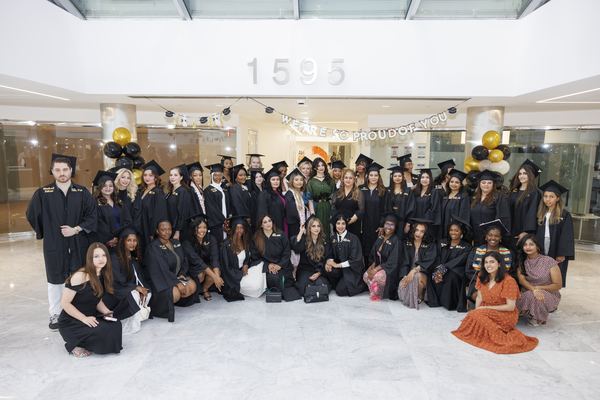
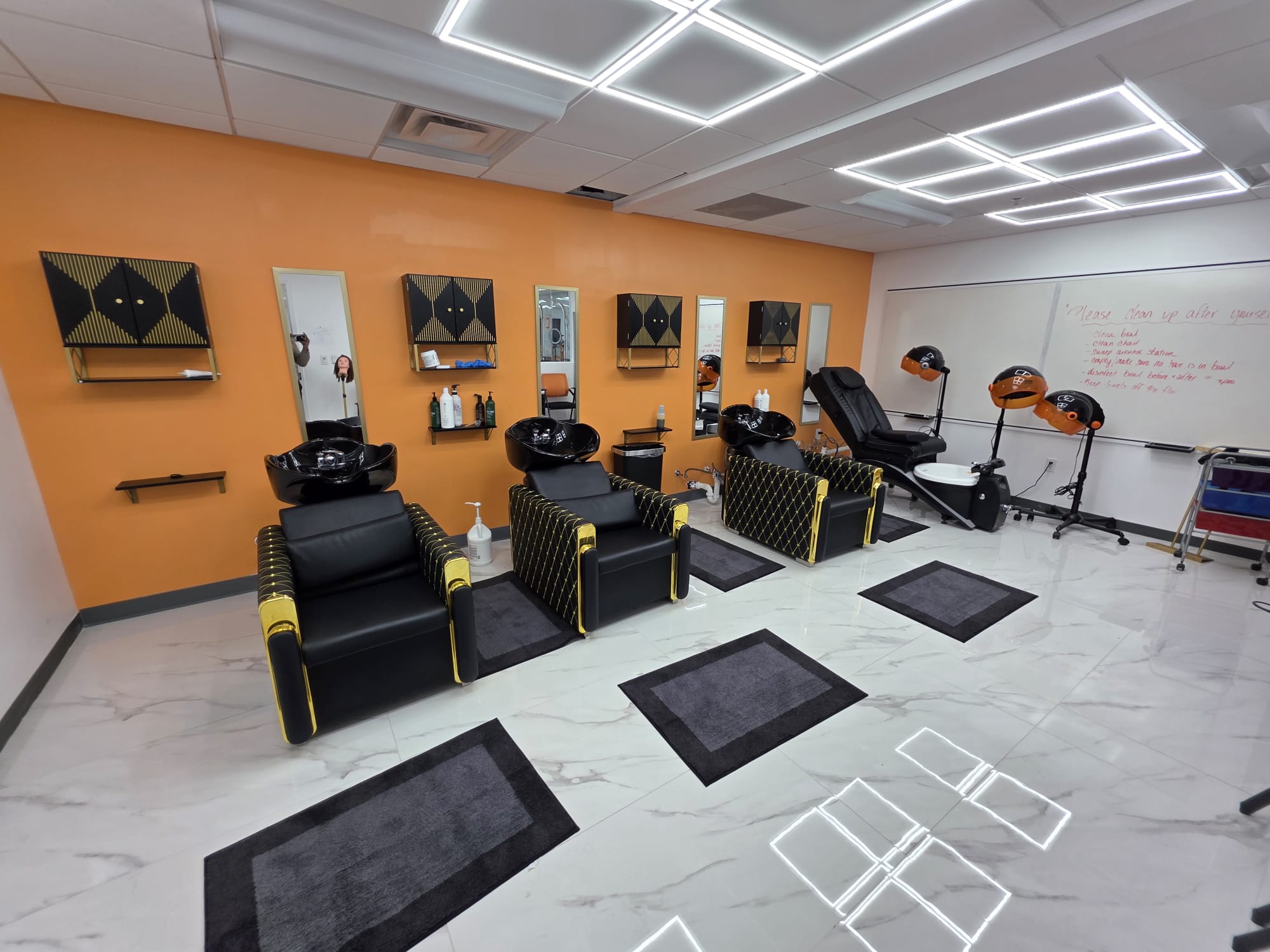
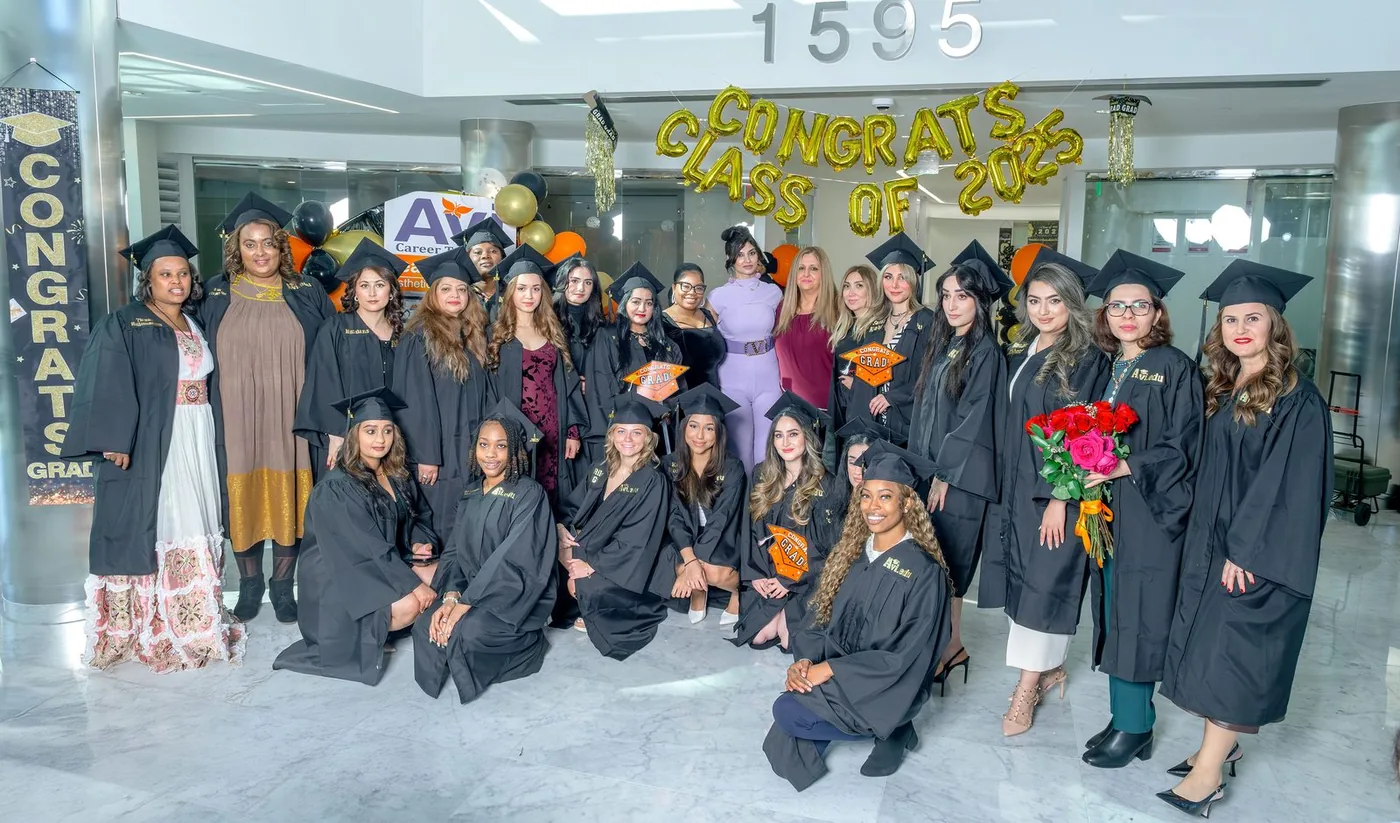
AVI Career Training is a COE-accredited, SCHEV-certified school located at 1595 Spring Hill Rd #720, Vienna, VA 22182 — in the heart of Northern Virginia. The school’s curriculum is built around inclusive techniques that prepare graduates to work on all hair textures and all skin tones. That’s not a marketing phrase. It’s a deliberate choice built into how AVI teaches.
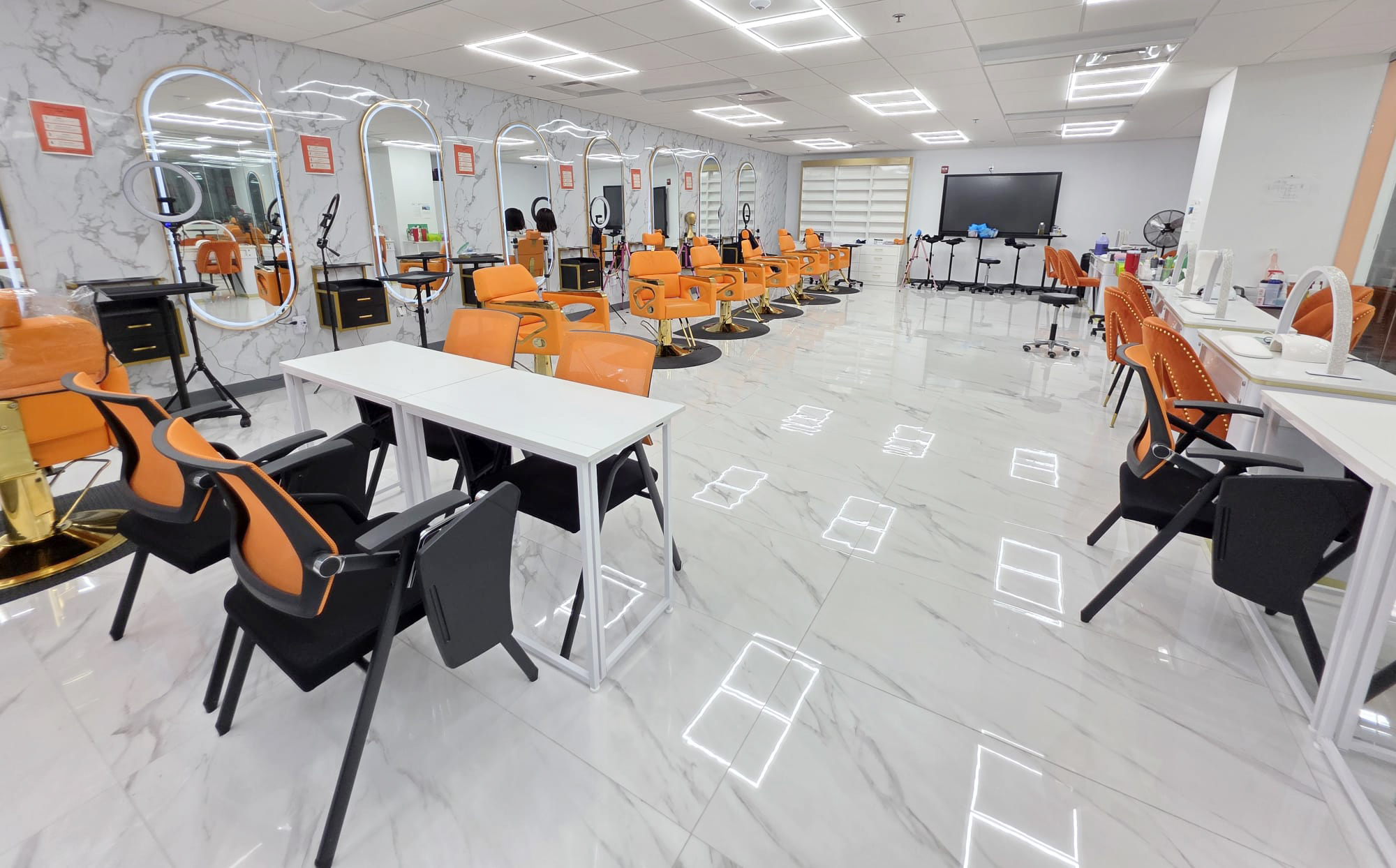
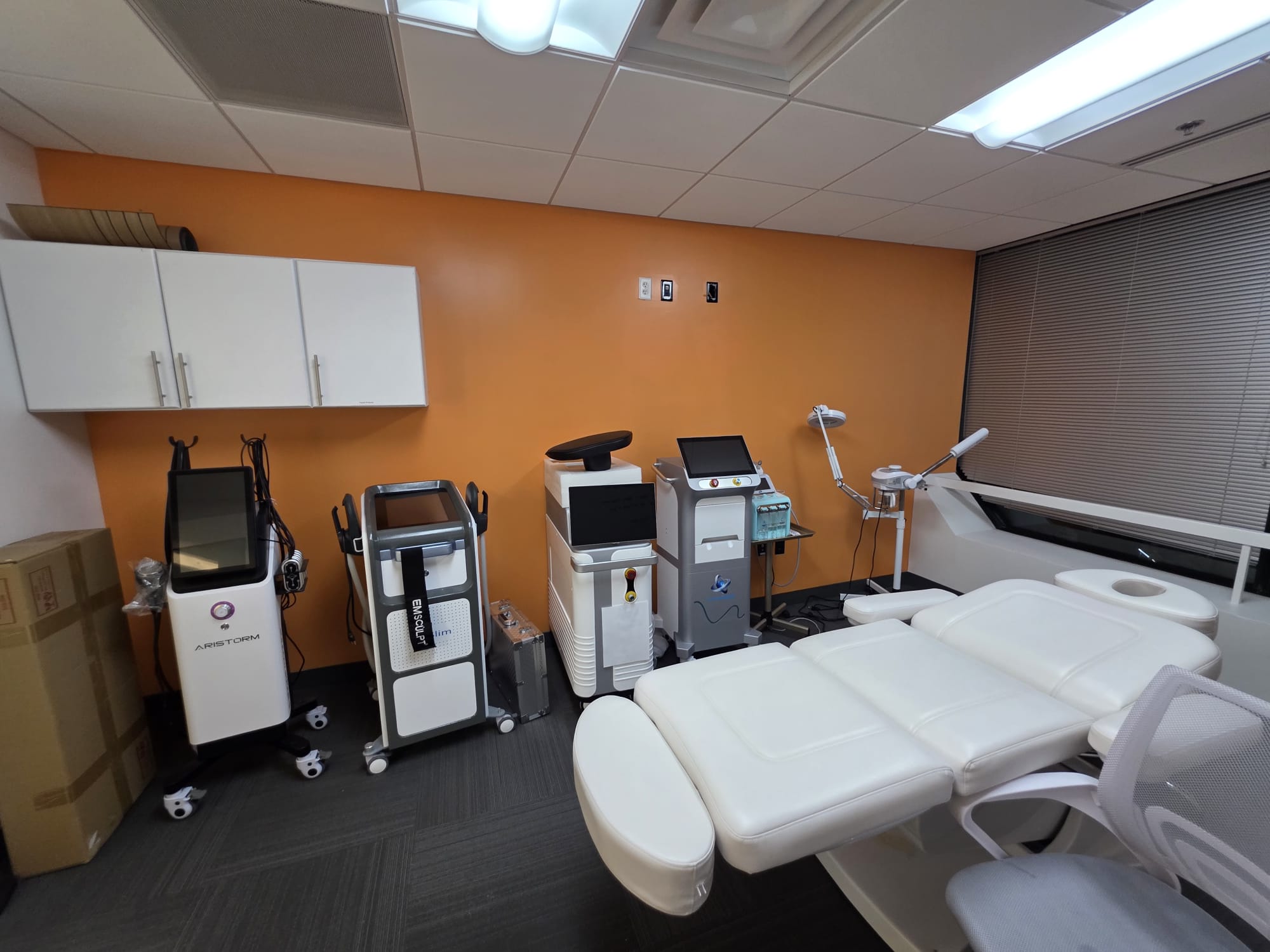
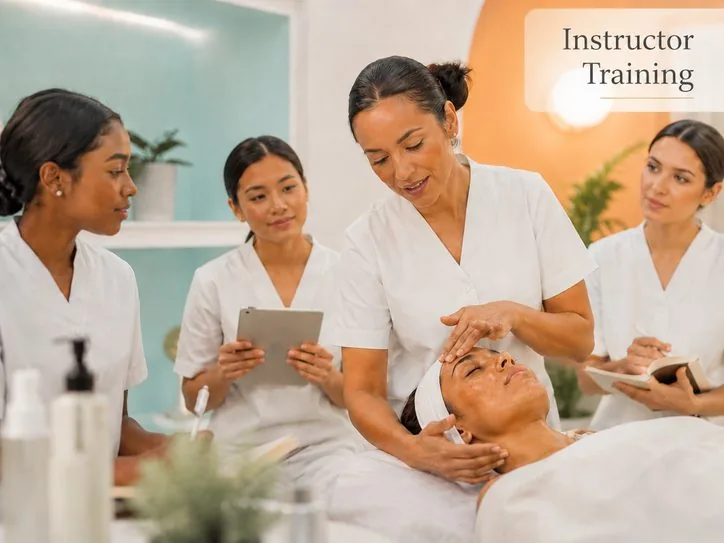
AVI’s instructors are licensed industry professionals — people who’ve worked in salons and spas and know what the real-world job looks like. Classroom learning is paired with hands-on practice so you graduate prepared for the Virginia State Board exam and for the clients waiting on the other side of it.
—
Your Next Step
A barbering career in Northern Virginia is a real, achievable goal. The licensing path is clear: 1,500 clock hours, two State Board exams, and a commitment to developing a skill set that serves one of the most diverse client markets in the country.
Whether you choose a barber program or decide that a cosmetology license gives you the broader foundation you want, the right school makes all the difference. AVI Career Training is in your backyard — COE-accredited, financially accessible, and built around the kind of inclusive training this market demands.
Ready to get started? Apply now at AVI Career Training — or call us at (703) 943-9841 to speak with an admissions advisor today.
—
Virginia DPOR barber license requirements are subject to change. Always verify current requirements at dpor.virginia.gov before enrolling in a program.