AVI Career Training

How to Become a Laser Technician in Virginia

Share:

How to Become a Laser Technician in Virginia

Becoming a licensed laser technician in Virginia starts with earning your esthetics license — 1,500 clock hours of accredited training — followed by laser-specific coursework and working within a licensed physician-supervised setting, as required by the Virginia Department of Professional and Occupational Regulation (DPOR).

That’s the short version. The full picture includes choosing the right program, understanding Virginia’s regulatory framework, and positioning yourself for the salary premiums the Northern Virginia and DC metro market can offer.

This guide walks you through every step: what laser technicians actually do, what Virginia requires, how to evaluate programs, what you can earn, and how AVI Career Training’s Cosmetic Laser Technology program in Vienna, VA can get you there.


Key Takeaways
– Virginia requires 1,500 clock hours of esthetics training as a prerequisite to licensure through DPOR
– Laser and light-based treatments in Virginia must be performed under licensed physician supervision or within a supervised medical setting
– Laser technicians in Northern Virginia’s medical spa market can earn $55,000–$80,000+ with tips and commission
– AVI Career Training is COE-accredited and SCHEV-certified, with financial aid and GI Bill® acceptance available
Apply to AVI’s Cosmetic Laser Technology program and take the first step toward a hands-on, high-demand career


What Does a Laser Technician Actually Do?

Laser technicians use controlled light energy to treat the skin — and the scope of what they can do is broader than most people expect.

On a typical day, a laser technician might perform laser hair removal on a client’s legs in the morning, treat another client’s sun damage with an intense pulsed light (IPL) session before lunch, and finish the afternoon with a skin rejuvenation treatment targeting fine lines and uneven texture. In a medical spa or dermatology clinic, that same technician might also assist with body contouring procedures that use laser or radiofrequency technology to reduce stubborn fat and tighten skin.

Common Procedures Laser Technicians Perform

  • Laser hair removal — the most in-demand service, using diode or Nd:YAG lasers to target hair follicles
  • IPL (Intense Pulsed Light) treatments — addresses redness, hyperpigmentation, sun spots, and rosacea
  • Skin rejuvenation and resurfacing — reduces fine lines, acne scars, and uneven skin tone
  • Body contouring — non-invasive fat reduction and skin tightening using laser or light-based devices
  • Vascular and pigmentation treatments — targeting broken capillaries, melasma, and post-inflammatory hyperpigmentation

Each of these procedures requires a deep understanding of skin anatomy, laser physics, safety protocols, and — critically — how different skin tones respond to laser energy. That last point matters more than most training programs acknowledge.

Laser treatments affect melanin, the pigment in skin. Clients with deeper skin tones (Fitzpatrick skin types IV–VI) face higher risk of burns, hyperpigmentation, or hypopigmentation if the wrong device, wavelength, or settings are used. A well-trained laser technician knows how to select the appropriate technology — like an Nd:YAG 1064nm laser, which is safer for darker complexions — and adjust parameters accordingly.

If you’re someone who wants a hands-on clinical career, works well with people, and takes precision seriously, this field is built for you.


Virginia Laser Technician Licensing Requirements

Virginia takes a structured approach to laser and light-based treatments, and that’s a good thing — it protects both clients and practitioners. Here’s how the licensing pathway works.

Step 1: Earn Your Esthetics License Through DPOR

In Virginia, you cannot legally perform cosmetic laser treatments without first holding an esthetics license issued through the Virginia Department of Professional and Occupational Regulation (DPOR). That license requires completing 1,500 clock hours of esthetics training at an approved school.

After completing your program, you’ll sit for both a written and practical exam administered through the Virginia State Board of Cosmetology. Pass both, and you’re a licensed esthetician — the foundational credential for everything that follows.

The esthetics program itself typically takes 6–8 months to complete, depending on whether you enroll full-time or part-time.

Step 2: Complete Laser-Specific Training

A general esthetics license alone doesn’t authorize you to operate laser equipment. Virginia requires additional laser-specific education covering:

  • Laser physics and how different wavelengths interact with tissue
  • Device operation and safety protocols
  • Client consultation, contraindications, and informed consent
  • Treatment protocols for hair removal, IPL, skin rejuvenation, and more
  • Emergency procedures and adverse event management

This is where a dedicated cosmetic laser technology program — like the one offered at AVI Career Training — comes in. Hands-on clinical hours with actual laser equipment are essential. You cannot develop safe technique from textbooks alone.

Step 3: Work Under Physician Supervision

This is a Virginia-specific requirement that surprises some graduates: laser and light-based treatments in the Commonwealth must be performed under the supervision of a licensed physician or within a licensed medical setting. This is a key part of why medical spas dominate the laser technician job market in Northern Virginia.

If you’re planning to work in a traditional salon or day spa, know that the scope of laser treatments you can legally perform there is limited. The highest-paying, highest-volume opportunities are in medically supervised environments — medspa chains, dermatology clinics, plastic surgery offices, and cosmetic laser centers.

Understanding this regulatory framework from day one helps you target your job search correctly after graduation.

⚠️ Licensing requirements can change. Always verify current hour requirements and scope-of-practice rules directly with DPOR before enrolling or practicing.


What to Look for in a Laser Technician Training Program

Not all cosmetic laser technician schools in Virginia are equal — and the differences matter when your license and your clients’ safety are on the line. Here’s what to evaluate before you commit.

Hands-On Clinical Hours

Ask any program how many of the total hours are spent actually operating laser equipment on clients or training mannequins — not watching demonstrations or sitting in lecture. The hands-on ratio separates programs that produce job-ready graduates from those that don’t.

You should graduate comfortable and confident operating multiple device types, performing full consultations, and handling adverse events if they arise.

Equipment Variety

The industry uses multiple laser platforms. A strong program exposes you to:

  • Diode lasers — workhorse devices for laser hair removal on lighter skin tones
  • Nd:YAG lasers — essential for safely treating deeper Fitzpatrick skin tones (IV–VI)
  • IPL systems — broad-spectrum light for pigmentation and vascular treatments
  • Fractional and resurfacing lasers — for anti-aging and scar revision protocols

If a program only trains you on one device type, you’ll be underprepared for the variety of equipment you’ll encounter in the real world.

Inclusive Skin Tone Training

This is non-negotiable. Northern Virginia is one of the most ethnically and racially diverse metro areas in the country. Your future clients will include every skin tone on the Fitzpatrick scale — and they deserve safe, expert treatment.

Proper training on skin types IV–VI requires specific instruction on wavelength selection, fluence adjustment, cooling protocols, and post-treatment care. Ask any program directly: “How do you train students to work safely and effectively on clients with deeper skin tones?” The answer will tell you a lot.

Accreditation and Credentials

Look for schools accredited by the Council on Occupational Education (COE) and certified by the State Council of Higher Education for Virginia (SCHEV). These credentials mean the program has met independently verified academic and operational standards — which matters for financial aid eligibility, transferability, and employer credibility.

AVI Career Training is both COE-accredited and SCHEV-certified. That’s not marketing language — it’s a measurable quality standard.

Instructor Credentials

Your instructors should be licensed professionals with real-world experience in laser and esthetics. Ask about their backgrounds, how recently they’ve worked in clinical settings, and whether they stay current with evolving device technology.


Laser Technician Salary and Career Outlook in Northern Virginia

Let’s talk numbers — because career decisions deserve honest data, not vague encouragement.

What Laser Technicians Earn in Virginia

The U.S. Bureau of Labor Statistics (BLS) classifies laser technicians under Skincare Specialists (SOC 39-5094), with a national median annual wage of approximately $42,000–$60,000. But that national median undersells what’s possible in Northern Virginia’s medical spa market.

In the DC metro area, laser technicians working in medical spa or clinical settings commonly earn $55,000–$80,000+ per year, when base pay is combined with tips, commission on product sales, and performance bonuses. High-volume locations — particularly med spas in Tysons, Arlington, Bethesda, and Alexandria — compete aggressively for qualified laser technicians.

These are ranges, not guarantees. Your earnings will depend on your employer, the services you offer, your volume of clients, and how quickly you build your technical reputation.

Why Demand Is Strong Right Now

Medical spas are among the fastest-growing employers of laser technicians nationally. The American Med Spa Association reports that the medical spa industry has grown dramatically over the past decade, driven by consumer demand for non-invasive aesthetic treatments — particularly laser hair removal and skin rejuvenation.

Northern Virginia is a particularly strong market. The region’s high household incomes, large professional workforce, and concentration of medical professionals make it one of the strongest medspa markets on the East Coast.

Demand isn’t slowing. As laser technology becomes more accessible and clients become more comfortable with light-based treatments, the market for trained, credentialed laser technicians will keep expanding.

A Real Scenario: Career-Changer to Laser Tech

Consider someone like Maya — a 32-year-old who spent eight years in retail management before deciding she wanted a career that felt more personal and skill-based. She enrolled in AVI’s esthetics program while working part-time, completed her 1,500 hours over seven months, passed her Virginia State Board exams, and then moved directly into AVI’s Cosmetic Laser Technology program. Within a year of first enrolling, she was hired at a medical spa in Tysons Corner performing laser hair removal and IPL treatments full-time. She built a loyal client base within six months and hit $65,000 in her first full year — with upside through retail commission on the skincare products she recommends post-treatment.

Maya’s path isn’t unusual. It’s what happens when the right person gets the right training.


Start Your Laser Technician Career at AVI Career Training

AVI Career Training’s Cosmetic Laser Technology program in Vienna, Virginia is designed for students who want more than a certificate — they want a career they can build on.

Here’s what sets AVI apart from other cosmetic laser technician schools in Virginia.

COE Accreditation and SCHEV Certification

AVI is accredited by the Council on Occupational Education (COE) and certified by SCHEV, two credentials that signal academic quality and unlock financial aid eligibility. Attending an accredited school means your credential carries weight with employers, and your training met an independent standard — not just the school’s own self-assessment.

Inclusive Curriculum Built for the Real World

AVI’s curriculum doesn’t default to one skin type. Students train on the full Fitzpatrick scale, learning how to adjust protocols, select appropriate wavelengths, and achieve safe, effective results for every client who walks through the door. In a market as diverse as Northern Virginia, that’s not a nice-to-have — it’s a professional requirement.

Hands-On Training on Professional Equipment

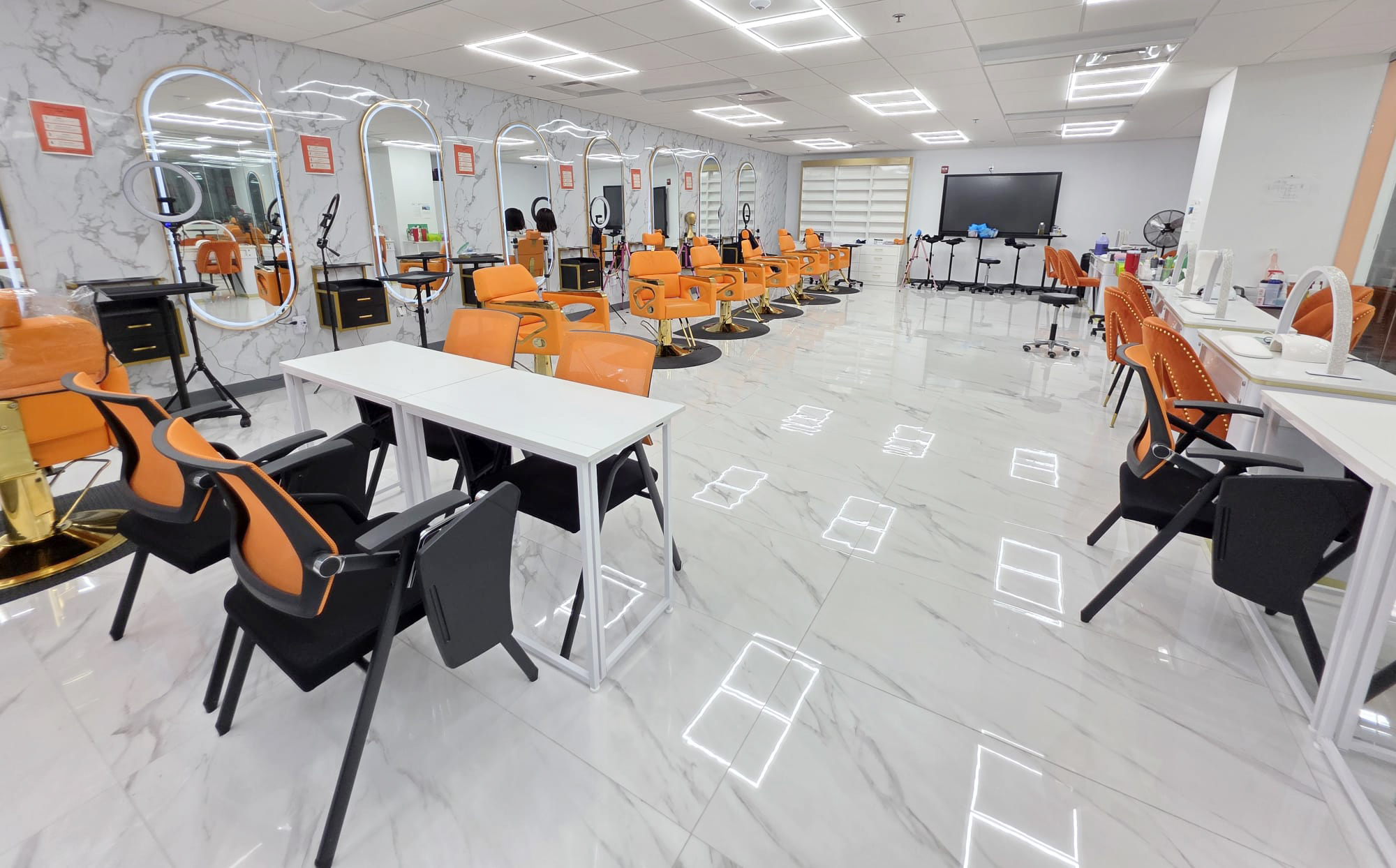
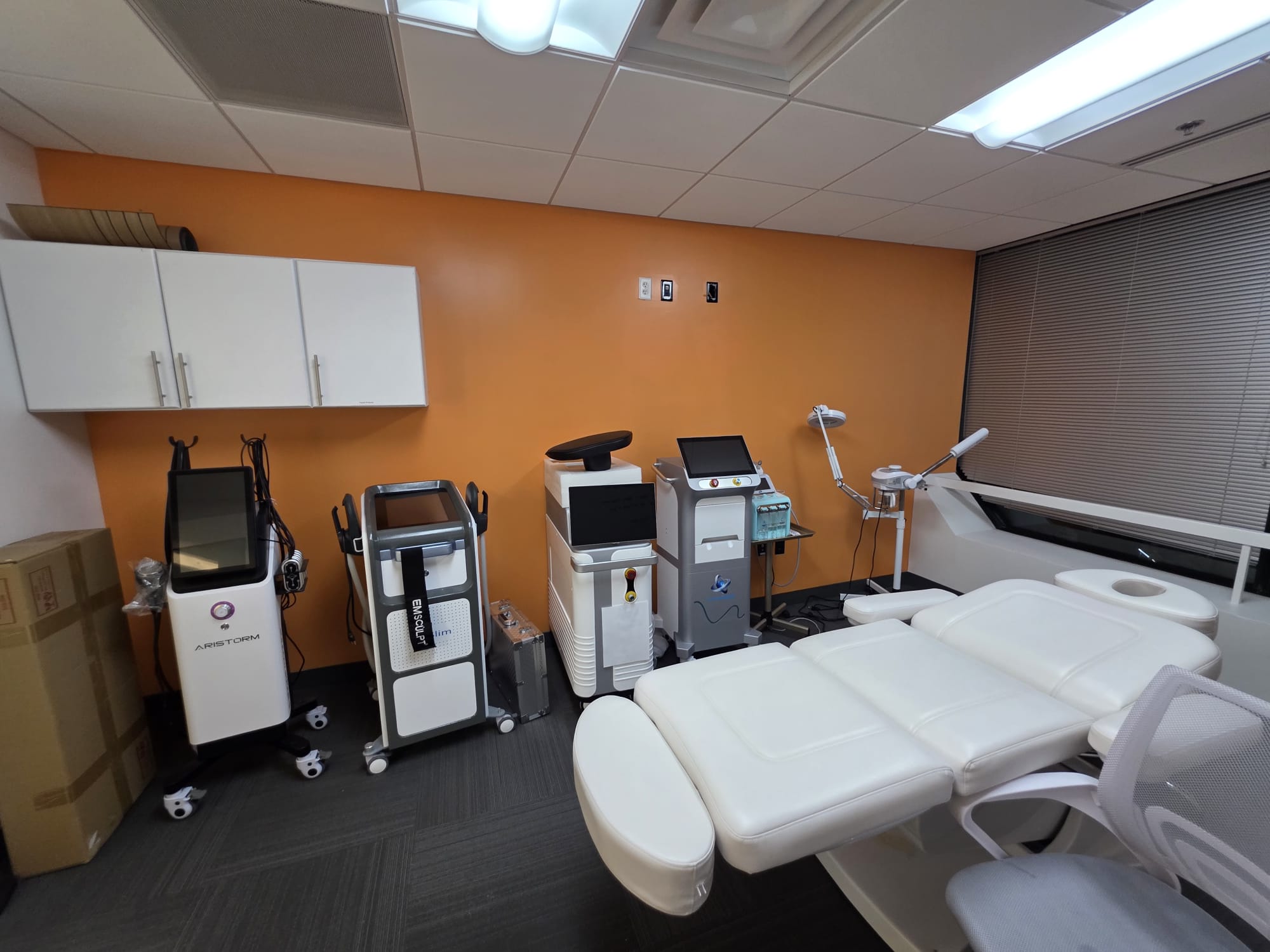
Students at AVI work on real laser equipment under the supervision of licensed instructors who bring real-world clinical experience into the classroom. By the time you graduate, you’ll have the hands-on hours and the confidence to walk into a medical spa or dermatology clinic and perform from day one.

Convenient Vienna, VA Location

AVI’s campus is located at 1595 Spring Hill Rd #720, Vienna, VA 22182 — easily accessible from throughout Northern Virginia and the DC metro area, including Tysons, Reston, Falls Church, McLean, and Fairfax.

Financial Aid and GI Bill® Acceptance

AVI offers financial aid for students who qualify, and accepts the GI Bill® for eligible veterans and service members. If you’ve served, your benefits can work toward building your next career here.

Your Next Step

You now know what laser technicians do, what Virginia requires, what to look for in a program, and what you can earn. The only question left is whether you’re ready to move.

Apply to AVI Career Training’s Cosmetic Laser Technology program today — or call us at (703) 943-9841 to speak with an admissions advisor who can walk you through the full program, timeline, and financial aid options.

Your career in laser aesthetics starts with one application. Let’s get you there.


Licensing requirements and clock hour minimums are subject to change. Verify current Virginia esthetics licensure requirements directly with the Virginia Department of Professional and Occupational Regulation (DPOR) and confirm program details with AVI admissions before enrolling.

Article details:

Share: