Summary:
You’re ready to start a career in esthetics, but the options feel overwhelming. Every school promises great training, industry connections, and job placement—but how do you know which one actually delivers?
The esthetician program you choose doesn’t just affect whether you pass your licensing exam. It determines whether employers want to hire you, whether you feel confident working with real clients, and whether you can actually build the career you’re envisioning. In Fairfax County’s competitive beauty market, where clients expect premium service and pay accordingly, your training makes all the difference.
This guide breaks down what actually matters when choosing an esthetician training program—and what you should be looking for before you commit.
Understanding Virginia's Esthetician Certification Requirements
Before you can work as an esthetician in Virginia, you need to meet specific state requirements. Virginia requires you to complete a minimum of 600 hours of training at a state-approved esthetic or cosmetology school. Once you’ve completed your hours, you’ll take both written and practical examinations administered by the Virginia Board for Barbers and Cosmetology.
The process is straightforward, but those 600 hours aren’t all equal. Some programs pack in hands-on client work and real-world scenarios while others focus heavily on theory with minimal practical application. Both will get you to 600 hours, but only one prepares you to actually work.
Virginia doesn’t require continuing education hours to maintain your basic esthetician license, which differs from many states. The industry moves fast, though—new techniques, products, and treatments emerge constantly. Strong programs don’t just prepare you for your license; they prepare you to keep learning and growing throughout your career.
How to Become a Licensed Esthetician in Virginia
Becoming a licensed esthetician follows a clear path, but understanding each step helps you choose the right program to guide you through it.
First, you’ll enroll in a state-approved esthetician training program. This is where the 600-hour requirement comes in. Your program should cover everything from skin anatomy and physiology to facial techniques, hair removal, makeup application, and sanitation protocols. The curriculum needs to align with what Virginia’s licensing board expects you to know.
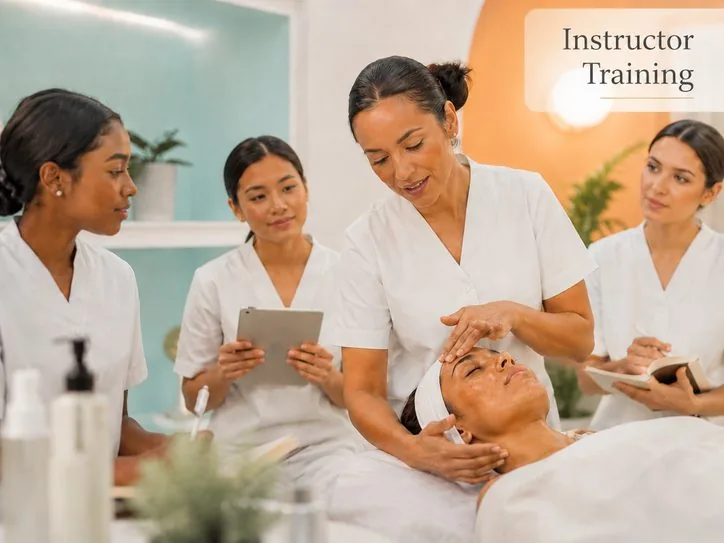
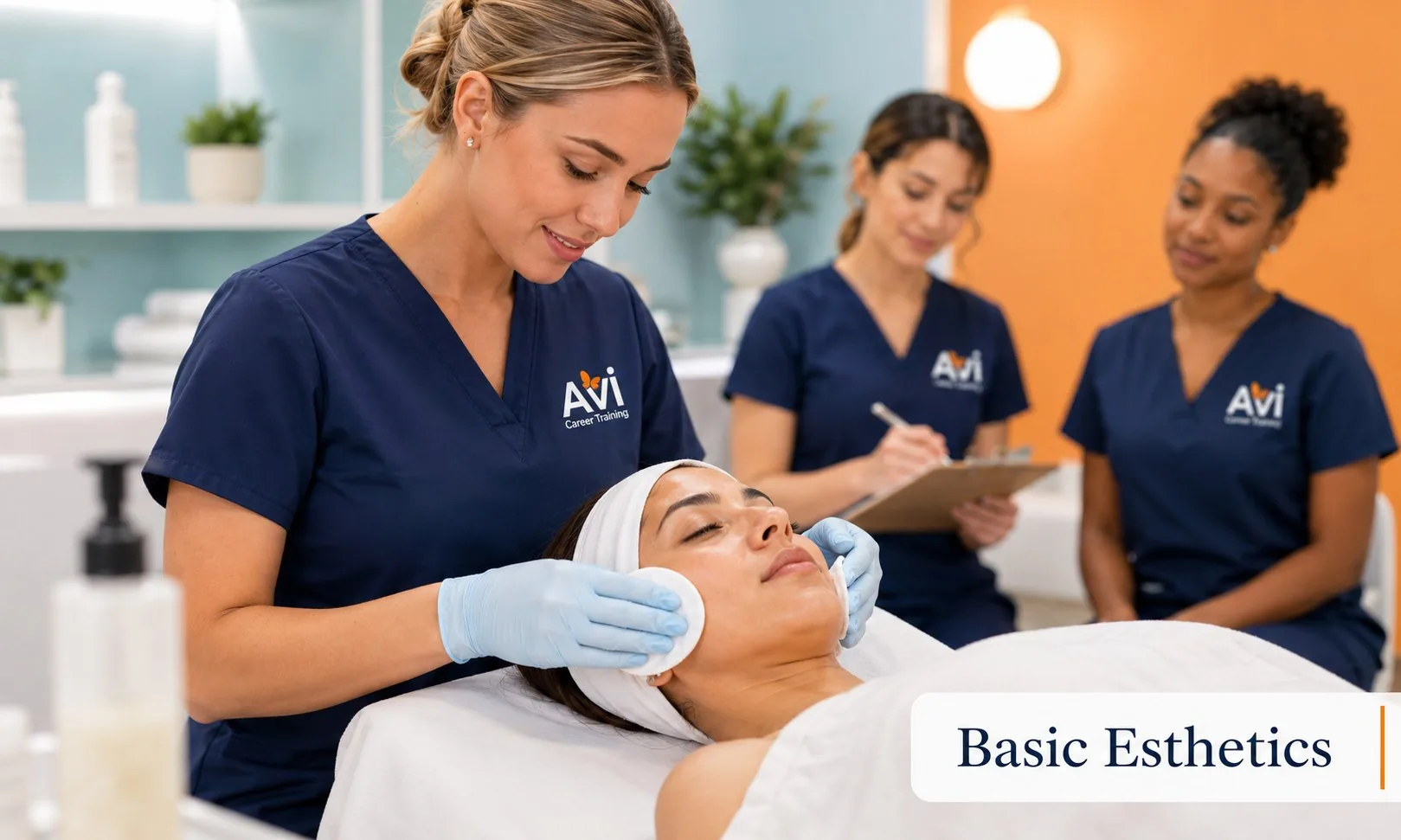
During your training, you’ll split time between classroom learning and hands-on practice. Early on, you might practice on mannequins or classmates. As you progress, quality programs connect you with real clients in supervised settings—where you build actual skills by learning to read skin, customize treatments, and handle situations textbooks don’t cover.
Once you’re within 80 hours of completing your program, you can apply to take Virginia’s esthetician licensing exam. The exam has two parts: a written test covering theoretical knowledge and a practical exam where you demonstrate your skills. Your school should prepare you thoroughly for both components, not just hand you study materials and wish you luck.
After passing both exams and submitting your application with the required fees—roughly $280-300 total—you’ll receive your Virginia esthetician license. From there, you’re legally able to work in salons, spas, medical offices, or anywhere else licensed estheticians practice.
The timeline varies based on whether you attend full-time or part-time. Full-time students typically complete their 600 hours in three to five months, while part-time programs take longer but offer flexibility if you’re working or managing other responsibilities.
What most people overlook: the quality of your training during those 600 hours matters far more than how quickly you get through them. Employers in Fairfax County’s upscale market can immediately tell the difference between someone who practiced on real clients under expert supervision versus someone who mostly watched demonstrations and practiced on classmates.
What Makes an Esthetician Training Program Worth Your Investment
The average esthetics program in Virginia costs around $7,296. That’s not pocket change, and you deserve to know your investment will actually pay off.
Start with accreditation. Programs accredited by recognized bodies like the Council on Occupational Education have met strict standards for curriculum quality, instructor qualifications, and student support. Accreditation also determines whether you qualify for federal financial aid, including Title IV funding, grants, and loans. Veterans will want a program approved for GI Bill benefits.
Accreditation is just the baseline, though. What separates good programs from great ones is what happens inside the classroom and clinic.
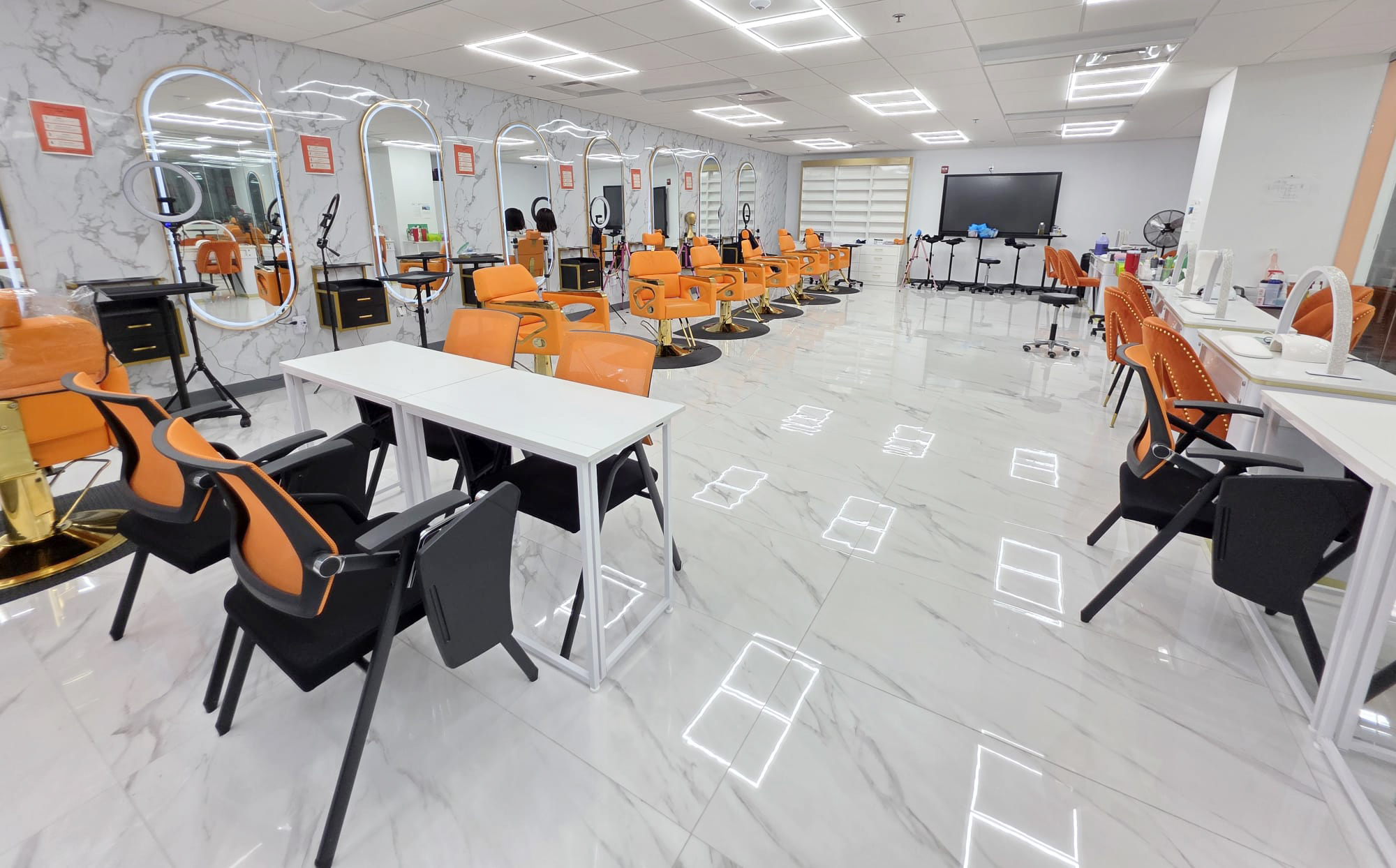
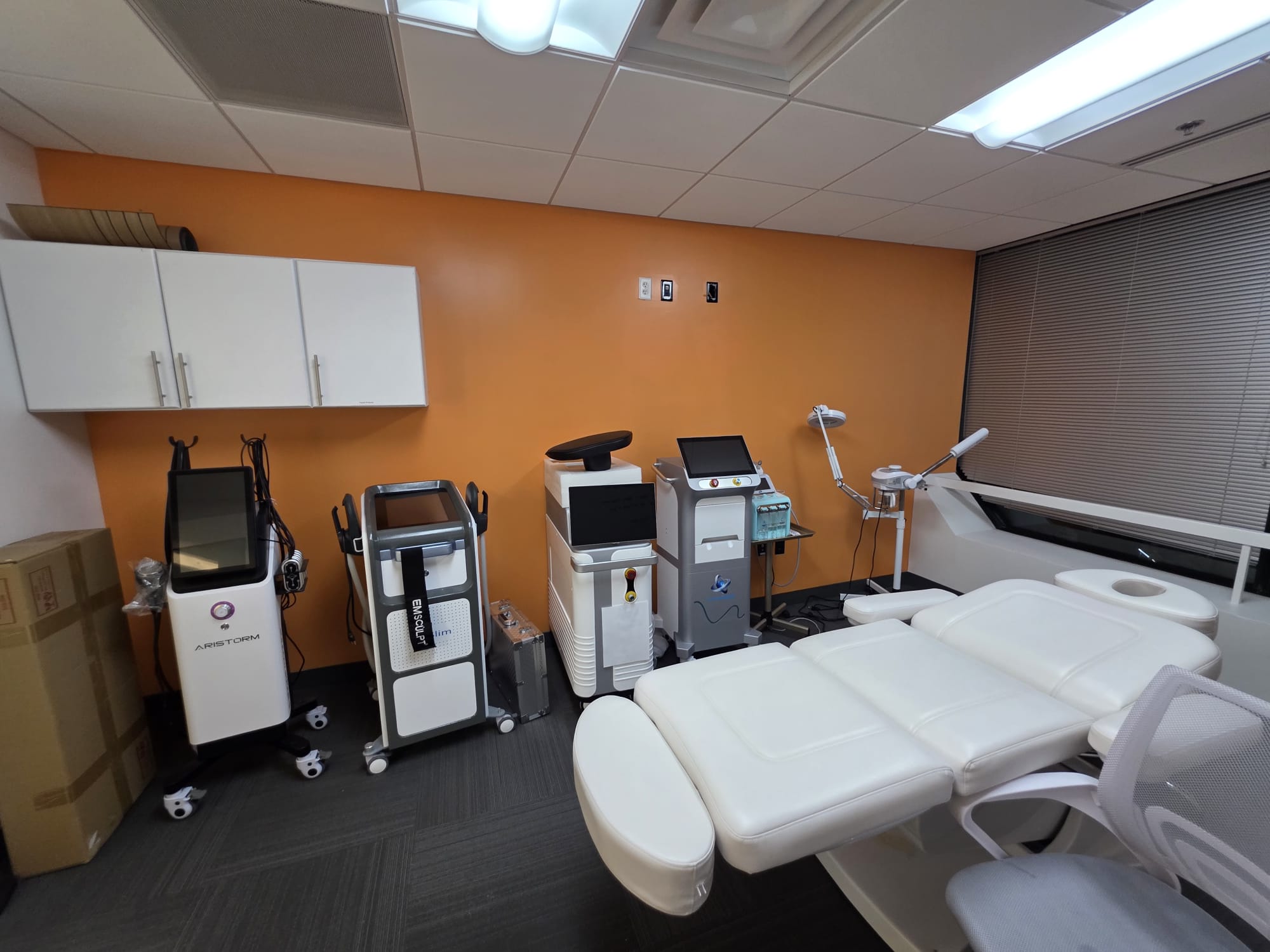
Look for programs with modern facilities and professional-grade equipment. You should be training on the same facial steamers, magnifying lamps, microdermabrasion units, and other tools you’ll use in actual spas and salons. Some schools cut costs with outdated equipment or minimal supplies—saving them money but not preparing you for the real world.
Instructor experience matters more than most people realize. Your teachers should be licensed professionals who’ve actually worked in the field, bringing real spa and salon experience into their teaching. They should share insights about client relationships, treatment customization, and the business side of esthetics—not just theory from a textbook.
Class size affects your learning experience too. Smaller classes mean more one-on-one attention, more opportunities to practice, and more feedback on your technique. In a class of 30, you might get one turn practicing a facial. In a class of 10, you might get five. That difference compounds over 600 hours.
Strong programs also build in business and professional development training. You’re not just learning how to perform facials—you’re preparing to build a career. That means understanding client communication, retail sales, appointment scheduling, sanitation compliance, and professional ethics. These skills matter just as much as your technical abilities when you’re trying to build a client base or advance in your career.
What to Look for When Becoming an Esthetician
Beyond meeting Virginia’s basic requirements, certain factors separate programs that launch careers from programs that just issue certificates.
Hands-on training with real clients is non-negotiable. You need experience working with actual people—different skin types, various concerns, diverse needs. Programs that partner with established spas and salons for externships give you supervised real-world experience before you graduate. You’ll build a portfolio of actual work, develop professional references, and learn what it’s really like to work with clients who have expectations and preferences.
Job placement support matters more than you might think. Some schools have strong relationships with local spas, salons, and medical practices, with employers visiting to recruit graduates—sometimes hiring students before they even finish their programs. Other schools hand you a certificate and leave you to find work on your own.
In Fairfax County, where over 180 esthetician positions are currently available and expanding chains actively recruit qualified graduates, having those industry connections makes a real difference. The area’s affluent demographic creates strong demand for professional skincare services, but employers are selective about who they hire.
Why Location Matters for Your Esthetician Career
Training location affects more than just your commute. It shapes your entire career trajectory.
Fairfax County ranks in the top 1% of U.S. household incomes. It’s home to Washington D.C.’s elite, with proximity to major employment centers like Tysons Corner and Reston Town Center. This demographic reality directly affects your earning potential and career opportunities.
The average esthetician in Fairfax County earns $29.05 per hour, significantly above Virginia’s statewide mean of $16.44 per hour. That gap exists because clients in this market expect premium services and pay accordingly. They’re not looking for the cheapest facial in town—they want skilled professionals who deliver results.
Training in this market means you’re learning in an environment where excellence is expected. You’re exposed to advanced techniques, high-quality products, and client expectations that push you to develop real expertise. Programs located in areas with lower standards might prepare you adequately for basic work, but they don’t push you to the level Fairfax County’s market demands.
Proximity to Washington D.C. also provides access to cutting-edge trends, advanced treatments, and networking opportunities you won’t find in smaller markets. Industry events, advanced training workshops, and connections with skincare companies and manufacturers happen here because this is where the market supports them.
When you train in Fairfax County, you’re not just getting an education. You’re positioning yourself in a market where skilled estheticians can truly thrive. The job opportunities are abundant, the earning potential is strong, and the professional growth possibilities extend well beyond entry-level positions. Virginia’s esthetician workforce has grown steadily from 1,256 licensed professionals in 2016 to a projected 1,403 by 2026—representing 11.7% growth in a field that’s proven recession-resistant.
Esthetician Continuing Education and Long-Term Career Growth
Virginia doesn’t require continuing education hours to maintain your basic esthetician license, but the industry doesn’t stand still.
New treatments, techniques, and technologies emerge constantly. Chemical peels evolve. Microneedling gains popularity. LED light therapy becomes standard. Clients ask about treatments they saw on social media or heard about from friends. If you can’t offer what they want, they’ll find someone who can.
Quality esthetician programs don’t just prepare you for your initial license. They instill a mindset of continuous learning and professional development. Some offer advanced certifications in specialized techniques while others provide workshops with industry experts and celebrity artists who share insights you won’t find in standard curriculum.
Programs with CIDESCO certification opportunities deserve special attention. CIDESCO represents the highest international qualification in esthetics and beauty therapy, recognized in over 33 countries. Employers worldwide know that CIDESCO-trained estheticians have undergone rigorous, comprehensive training that exceeds standard requirements. If you ever want to work internationally—on cruise ships, at resort spas, or in other countries—CIDESCO certification opens doors that basic state licensure doesn’t.
Career advancement in esthetics takes many forms. You might specialize in medical esthetics, working alongside dermatologists and plastic surgeons. You might become a master esthetician, which requires an additional 600 hours of training in Virginia and qualifies you for advanced procedures. Master estheticians can reach six-figure annual incomes by building strong client bases, offering high-demand services, and working in upscale salons or medical spas. You might move into spa management, product sales, brand education, or even open your own practice.
The program you choose should support these possibilities. Look for schools that offer pathways to advanced training, not just basic certification. Ask about their master esthetics programs, specialized certifications, and connections to medical practices or luxury spas where advanced opportunities exist. Professional development also includes business skills—many estheticians eventually work independently, renting booth space or running their own businesses. Understanding client retention, marketing, financial management, and business operations becomes crucial for long-term success.
Choosing the Esthetician Training Program That Fits Your Goals
Choosing an esthetician training program is one of the most important decisions you’ll make for your career. The right program doesn’t just help you pass Virginia’s licensing exam—it prepares you to excel in a competitive industry where skilled professionals are always in demand.
Look for programs with strong accreditation, hands-on training with real clients, experienced instructors, modern facilities, and genuine industry connections. Consider the location and what it means for your career opportunities. Evaluate financial aid options and job placement support. Think beyond just getting licensed to building a career you’re proud of.
In Fairfax County’s thriving beauty market, quality training makes all the difference. The investment you make now—in time, money, and effort—pays dividends throughout your entire career. Choose a program that takes that investment seriously and gives you everything you need to succeed.
If you’re ready to explore esthetician training that combines comprehensive education, hands-on experience, and real career preparation, we offer programs designed to launch successful careers in Virginia’s beauty industry.