

AVI Career Training

Medical vs. Wellness Careers: Which Path Is Right for You?

Share:

Medical vs. Wellness Careers: Which Path Is Right for You?

EKG technician training in Virginia leads to stable clinical healthcare work; licensed wellness careers in massage therapy, esthetics, or cosmetology lead to client-centered roles with strong entrepreneurial upside — and both are achievable without a four-year degree. The right path depends on where you want to work, how much schedule control matters to you, and whether you’d rather build your own practice or work within an institution.

Before you commit time and money to any training program, it’s worth understanding what each path actually looks like day-to-day, what Virginia requires for licensing or certification, and where your earning potential can realistically go. This guide breaks it all down so you can make a confident, informed decision.


Key Takeaways

  • EKG technician programs in Virginia typically run 4–16 weeks; no state license is required, but national certification (CET or CRAT) is employer-preferred
  • EKG technician salaries in Northern Virginia average 15–25% above the national median of $37,000–$57,000 due to the DC metro cost-of-living index
  • Virginia massage therapy licensure requires 500 clock hours; licensed massage therapists in Virginia earn $55,000–$75,000+, with significant self-employment upside
  • Virginia esthetics licensure requires 600 clock hours; cosmetology requires 1,500 clock hours — both can be completed at AVI Career Training in Vienna, VA
  • Wellness careers offer entrepreneurial flexibility, client-relationship depth, and schedule control that clinical healthcare roles rarely provide

What Does an EKG Technician Actually Do?

An EKG (electrocardiogram) technician is a healthcare professional who operates equipment that records the electrical activity of a patient’s heart. The data they collect helps cardiologists and physicians diagnose arrhythmias, heart disease, and other cardiac conditions.

On a typical day, an EKG technician might attach electrodes to a patient’s chest, arms, and legs, run a 12-lead EKG, and transmit the results to a supervising physician. Some technicians also perform Holter monitor setups, stress tests, and ambulatory monitoring — though those tasks often fall under the broader cardiovascular technologist role, which requires more advanced training.

The work environment is almost exclusively clinical. EKG technicians work in hospitals, cardiology clinics, urgent care centers, and physician offices. Shifts follow the medical facility’s schedule — which often means nights, weekends, and holidays, depending on the employer.

It’s meaningful, patient-facing work. But it’s firmly rooted in a structured, clinical setting with set protocols and institutional oversight.


EKG Technician Training and Certification in Virginia

Here’s something many career-changers don’t realize: Virginia does not require a state-issued license to work as an EKG technician. The role is not regulated at the state level the way nursing or physical therapy is.

That said, most employers in the Northern Virginia and DC metro area expect or require national certification. The two most recognized credentials are:

  • CET (Certified EKG Technician) — offered by the National Healthcareer Association (NHA)
  • CRAT (Cardiovascular Registry Aptitude Test) — offered by Cardiovascular Credentialing International (CCI)

Both require passing an exam, and most candidates complete a short training program first. EKG technician training programs in Virginia typically run 4–16 weeks, depending on whether the program is standalone or embedded in a broader allied health curriculum. You’ll find these programs at community colleges, hospital workforce development departments, and some private career schools.

One important distinction: EKG technician training schools are allied health programs — not beauty and wellness schools. If you’re searching for “EKG technician certification Virginia” and landing on a wellness school’s website, make sure you’re reading the fine print. The right school for your goal matters enormously.

Want to compare training paths side by side? Reach out to AVI Career Training to learn what a licensed wellness career could look like for you — including timelines, costs, and job placement.


EKG Technician Salary in Northern Virginia

Salary is often the deciding factor in any career training decision, so let’s be honest about the numbers.

According to the U.S. Bureau of Labor Statistics (BLS), the national median annual wage for cardiovascular technologists and technicians (SOC 29-2031) — the category that includes EKG technicians — is approximately $37,000–$57,000, depending on specialization and experience level. Entry-level EKG technicians tend to start at the lower end of that range.

In the Northern Virginia and DC metro area, wages typically run 15–25% above the national median, largely because of the region’s high cost of living. That’s a meaningful bump — but an entry-level EKG technician in the area might still earn $40,000–$48,000 to start, with limited upward mobility unless they pursue additional credentials like cardiovascular sonography or become a cardiovascular technologist (which requires significantly more education).

In other words: the EKG technician role is a solid entry point into healthcare. But it often functions as a stepping stone rather than a long-term career destination — unless you’re prepared to invest in further training down the road.

That’s a different trajectory than a licensed wellness career, where your earning potential scales with your client base, your specialization, and your entrepreneurial drive. More on that below.


How Wellness Careers Compare — Massage Therapy, Esthetics, and More

This is where the career comparison gets genuinely interesting — because licensed wellness careers in Virginia offer a fundamentally different value proposition than clinical healthcare roles.

The Flexibility Factor

Licensed massage therapists, estheticians, and cosmetologists can work in spas, salons, medical offices, hotels, cruise ships, or their own private practice. Many go independent within a few years of graduating — setting their own hours, building their own clientele, and keeping a much larger share of their revenue.

That entrepreneurial ceiling doesn’t exist in most clinical EKG technician positions, where you’re an hourly employee working within an institution’s structure.

Virginia Licensing at a Glance

Virginia regulates wellness careers through the Virginia Department of Professional and Occupational Regulation (DPOR), and the hour requirements are achievable:

  • Massage Therapy: 500 clock hours (licensed by the Virginia Board of Nursing)
  • Basic Esthetics: 600 clock hours
  • Cosmetology: 1,500 clock hours
  • Nail Technician: 150 clock hours

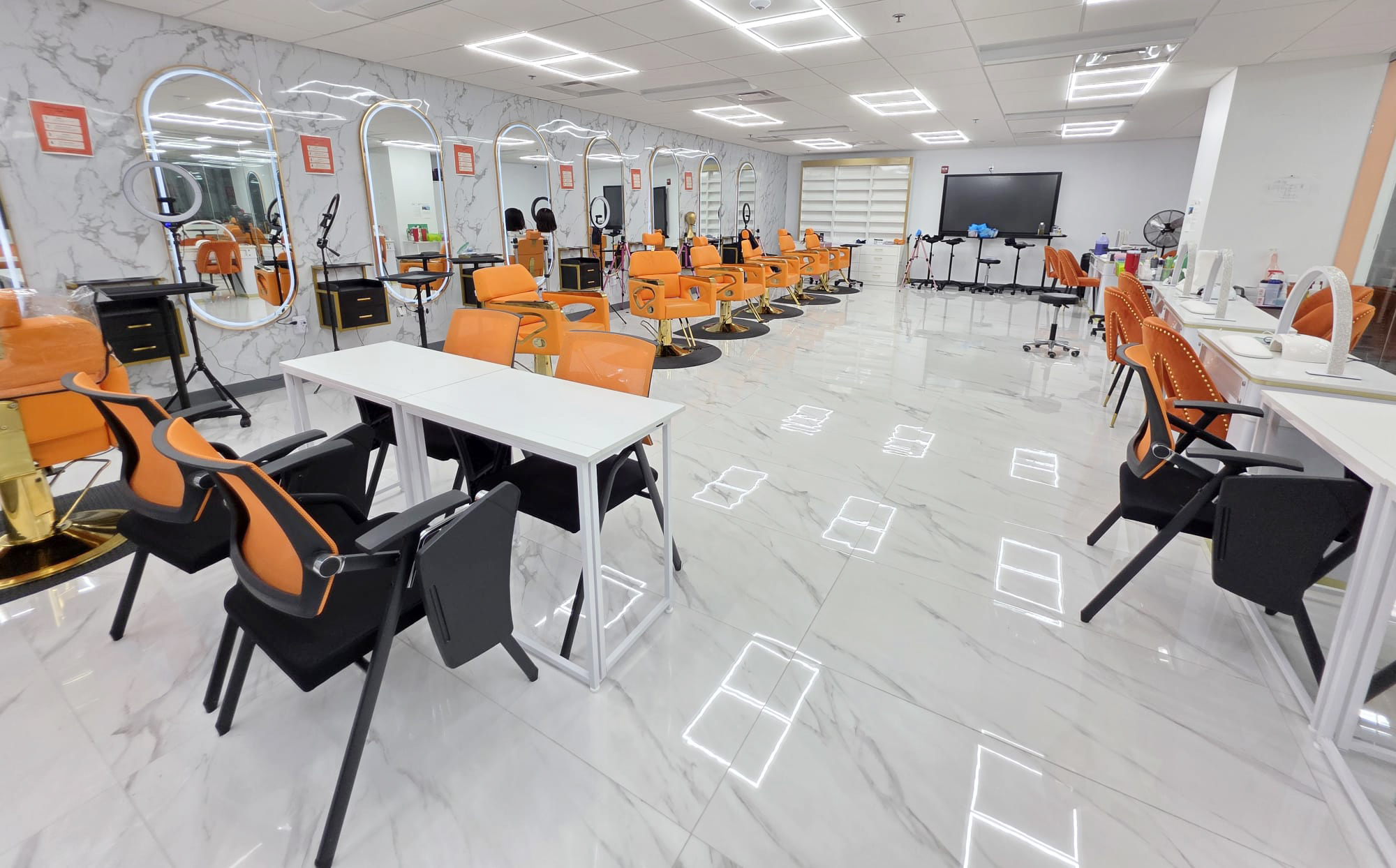
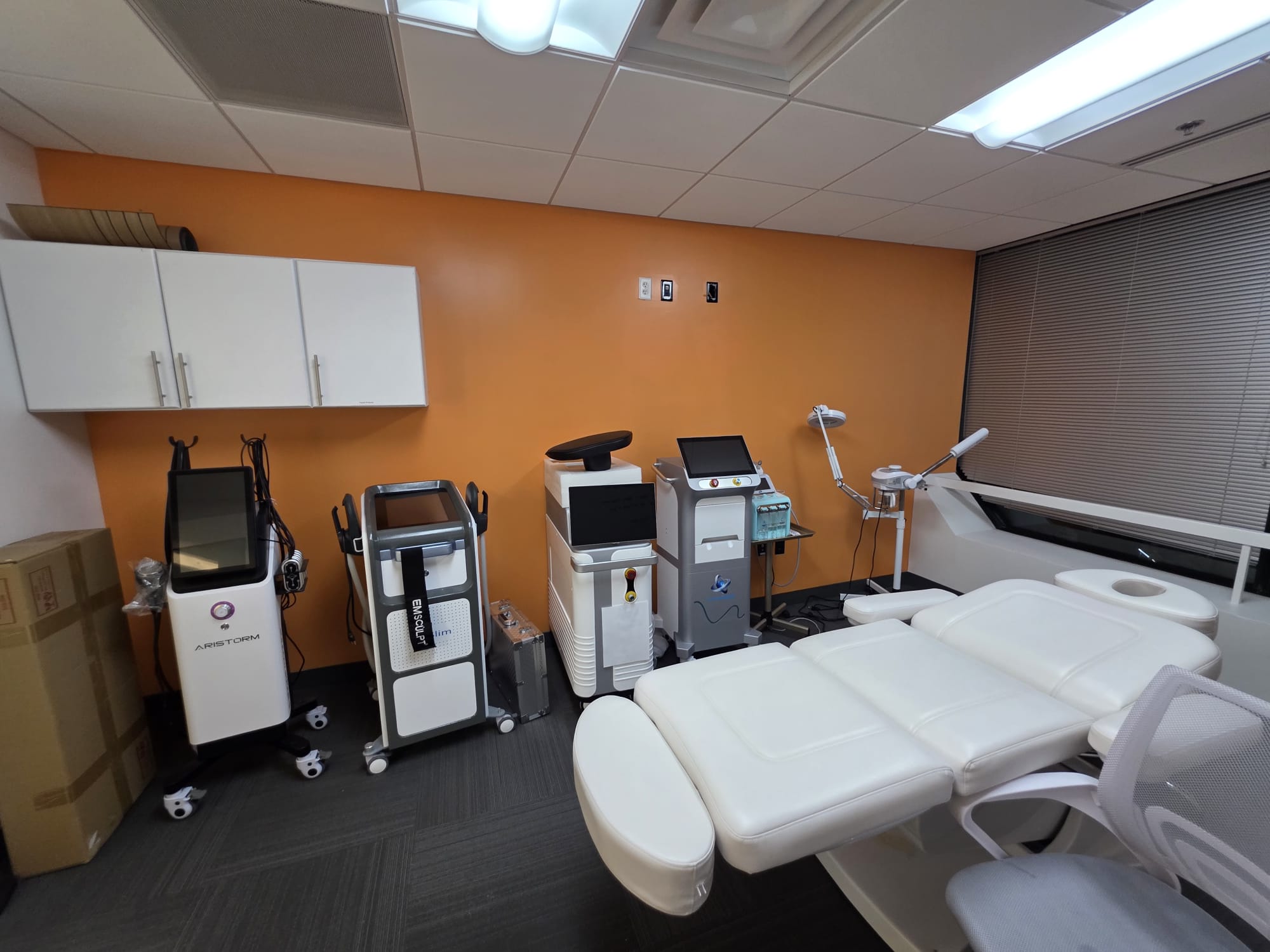
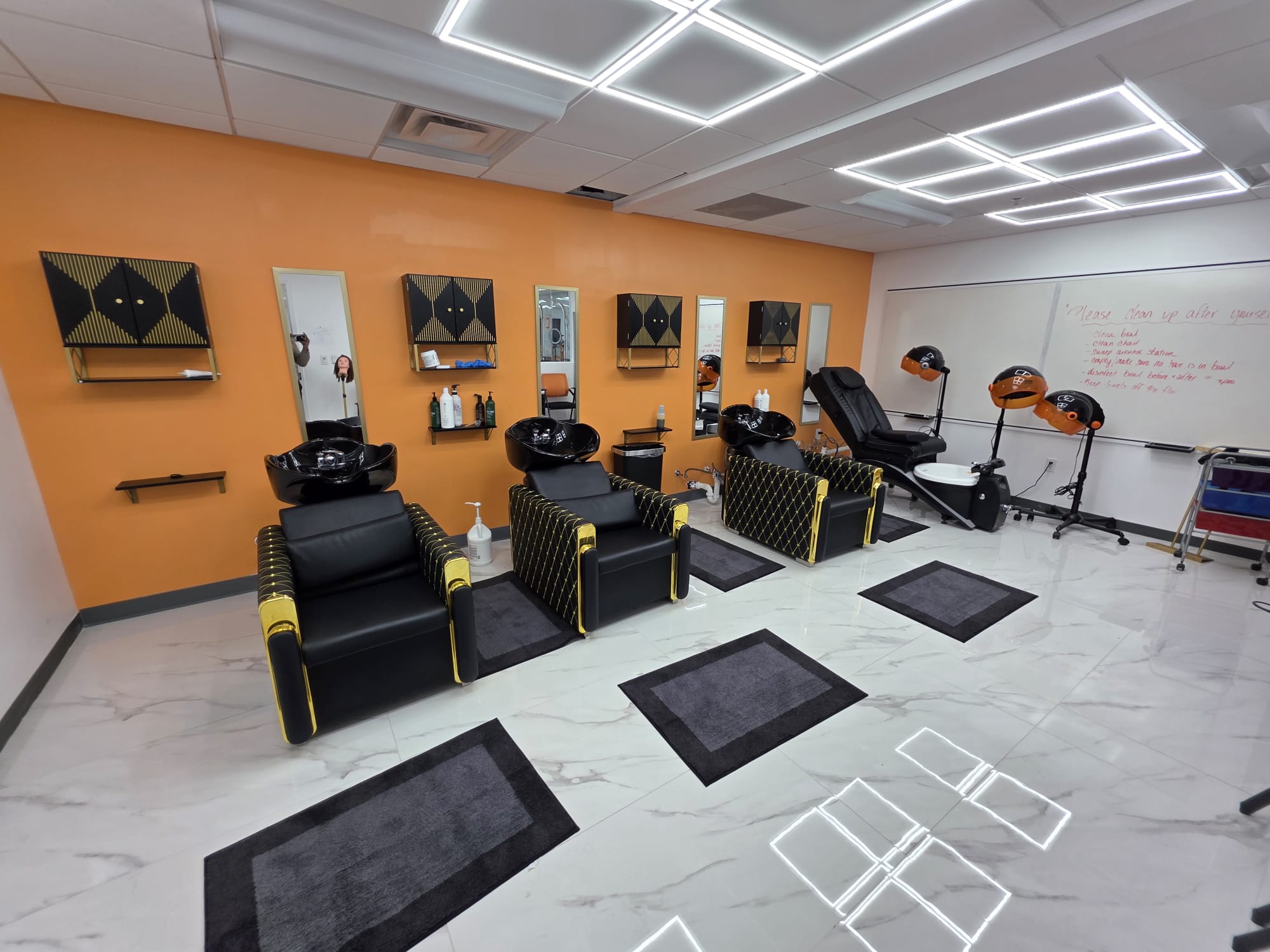
These programs are offered right here in Northern Virginia at AVI Career Training — a COE-accredited, SCHEV-certified beauty and wellness school in Vienna, VA. AVI’s programs are hands-on from day one, with licensed industry professionals as instructors and a curriculum built to prepare students for Virginia State Board exams and real-world careers.

The Earnings Picture

Licensed massage therapists in Virginia earn $55,000–$75,000+, with self-employed practitioners often earning more — especially in high-demand suburban markets like Northern Virginia. Estheticians with medical spa specializations or advanced certifications can reach similar income levels.

That’s comparable to — or above — an EKG technician’s Northern Virginia salary, often with lower student debt and a shorter training timeline.

A Real Student Story

Consider someone like Maria, a 34-year-old who spent eight years working in hospital administration. She explored EKG technician training in Virginia but kept coming back to one concern: she’d be trading one institutional environment for another. She wanted to work with people, not just process them through a clinical workflow.

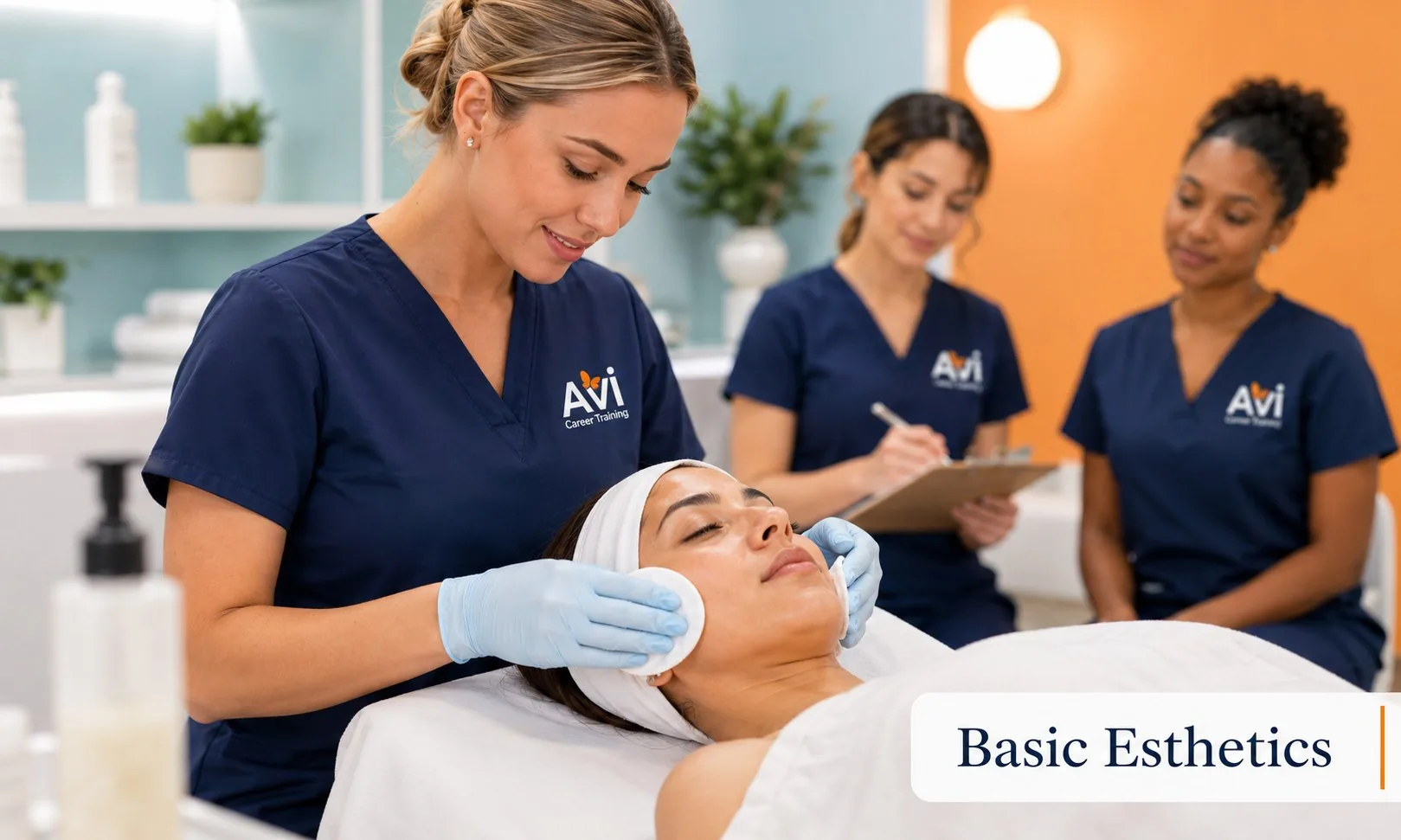
Maria enrolled in AVI’s Basic Esthetics program. Within 14 months of completing her 600 clock hours and passing her Virginia State Board exam, she was working as a licensed esthetician at a medical spa in McLean, earning more than she had in hospital administration — with a schedule she built herself. She’s now working toward her Master Esthetics certification and plans to open her own studio within three years.

Her path isn’t universal. But it illustrates what’s possible when you match your career choice to your actual working-style preferences, not just your salary target.


The Skills That Transfer Between Both Worlds

One thing both EKG technician work and wellness careers share: they’re deeply human jobs. You’re working with people’s bodies, their stress, their health, and their confidence. Patient-facing and client-facing skills overlap more than most people expect.

If you’re drawn to healthcare because you want to help people feel better, it’s worth asking whether that drive leads specifically to clinical settings — or whether it could be equally fulfilled through wellness.

Massage therapy, for example, is used therapeutically for chronic pain, anxiety, post-surgical recovery, and sports rehabilitation. Estheticians who specialize in oncology esthetics or medical esthetics work in healthcare-adjacent environments, serving clients navigating cancer treatment or dermatological conditions.

The line between “medical” and “wellness” is blurrier than the job titles suggest.

Another Student Worth Knowing About

Derek was a 28-year-old personal trainer who started researching “medical career training in Northern Virginia” after a knee injury sidelined him from training clients. He wanted something that felt closer to healthcare but didn’t require a four-year degree.

He discovered massage therapy through AVI’s program page and attended an open house in Vienna. The 500-hour requirement fit his timeline, the GI Bill® benefit (which AVI accepts) made it financially accessible, and the licensing pathway was clear. Derek is now a licensed massage therapist specializing in sports and injury recovery — working with the same athletic population he trained before, but with a different skill set and a practice he owns.


Choosing the Right Career Training in Northern Virginia

So how do you actually decide between a clinical path like EKG technician training and a licensed wellness path like massage therapy or esthetics?

Here are five questions worth sitting with before you enroll anywhere:

1. Where Do You Want to Work Every Day?

Clinical healthcare means hospitals, clinics, and medical offices — structured environments with institutional protocols. Wellness careers can mean spas, salons, private studios, medical offices, or your own business. Neither is better — but one is probably a better fit for your personality.

2. How Do You Feel About Institutional Schedules?

EKG technician positions often come with shift work, including nights and weekends. Most wellness careers give you far more schedule control, especially if you go independent.

3. What’s Your Timeline?

EKG technician programs run 4–16 weeks. Virginia wellness licenses require 150–1,500 clock hours depending on the field. Both are achievable without a four-year degree, but your preferred timeline matters.

4. Do You Want to Build Something, or Be Part of a System?

If entrepreneurship appeals to you — owning your client list, setting your prices, building a brand — wellness careers offer that upside. Clinical roles tend to be employee roles within larger systems.

5. What Does Your Financial Aid Picture Look Like?

Some EKG programs are eligible for federal financial aid; others aren’t. At AVI Career Training, financial aid is available for those who qualify, and AVI proudly accepts the GI Bill® for eligible veterans and military-connected students.


Programs at AVI Career Training — Vienna, VA

AVI Career Training offers the following COE-accredited programs at its campus at 1595 Spring Hill Rd #720, Vienna, VA 22182:

Program Virginia Clock Hours Required Setting
Massage Therapy 500 hours Spa, clinic, private practice
Basic Esthetics 600 hours Spa, medical spa, salon
Master Esthetics Advanced study Medical aesthetics, advanced spa
Cosmetology 1,500 hours Salon, freelance, editorial
Nail Technician 150 hours Salon, nail studio
Cosmetic Laser Technician Varies Medical spa, laser clinic
Electrolysis Varies Medical spa, private practice

Every program is taught by licensed industry professionals. AVI’s curriculum is built around inclusive techniques — training students to work confidently on every skin tone and hair texture. That commitment isn’t a marketing line. It’s built into how AVI trains.


Make Your Decision With Full Information

Both EKG technician training in Virginia and licensed wellness careers are legitimate, in-demand paths. Neither is a shortcut, and neither is a mistake — as long as you choose the one that actually fits your goals, your personality, and your vision for your daily life.

If clinical healthcare is your calling, pursue it with intention. Research accredited EKG programs at local community colleges, verify national certification requirements through the National Healthcareer Association, and make sure the program you choose prepares you for the CET exam.

If you’re drawn to hands-on, client-centered work — with the flexibility to build your own practice and the career depth that comes from mastering a licensed craft — a wellness career in Northern Virginia might be the better fit.

AVI Career Training is ready to walk you through every option. Tour the Vienna campus, talk to current students and instructors, and ask every question on your list before you decide.

Start your application today — or call AVI directly at (703) 943-9841 to speak with an admissions advisor.

Your career is a long game. Choose the path that’s built for who you actually are.

Article details:

Share: