
AVI Career Training

Barber School in Northern Virginia: Your Career Guide

Share:

Barber School in Northern Virginia: Your Career Guide

Becoming a licensed barber in Virginia requires 1,500 clock hours of accredited training, passing the Virginia State Board exams, and finding a program that actually prepares you to work on every client who sits in your chair — not just the easy ones.

If you’re searching for a barbering school in Northern Virginia, you’re already asking the right question. The DC metro area is one of the most diverse, densely populated grooming markets in the country. The barbers who build strong businesses here are the ones with real technical range and a license to back it up.

This guide covers everything you need to know: Virginia’s licensing requirements, what a quality barbering curriculum looks like, how barbering compares to cosmetology, what barbers earn in this market, and how to pick the program that will actually get you there.

Ready to take the first step? Apply to AVI Career Training and speak with an admissions advisor about starting your barbering career.


Key Takeaways

  • Virginia requires 1,500 clock hours to earn a Barber license
  • Barber school typically takes 12–15 months full-time to complete
  • Barbers in the DC metro area earn above the national median due to market density and cost of living
  • The national men’s grooming industry is valued at $26+ billion — and it’s still growing
  • Financial aid, including the GI Bill®, may be available through accredited programs like AVI Career Training

What Does a Barber License in Virginia Actually Require?

Virginia’s barbering requirements are set by the Virginia Department of Professional and Occupational Regulation (DPOR). Here’s what you need to earn your license.

The Hour Requirement

You must complete 1,500 clock hours of barbering education at an approved school. These hours cover everything from cutting and shaving techniques to sanitation standards, scalp treatments, and Virginia State Board regulations. Every single hour counts — this is a hands-on profession, and the state requires serious training before you touch a paying client.

Eligibility

To enroll in a Virginia barber program, you must be at least 16 years old and hold a high school diploma or GED. There are no prior cosmetology or beauty experience requirements. You’re starting from scratch, and that’s completely fine.

The State Board Exams

After completing your hours, you’ll sit for two Virginia State Board exams:

  • Written (theory) exam — covers barbering science, state law, sanitation, and safety
  • Practical (hands-on) exam — demonstrates your technical skills on a live model or mannequin

Passing both exams is required before you can apply for your license.

License Renewal

Virginia barber licenses are renewed every two years. Continuing education may be required at renewal — your program should prepare you for both the exam and the long-term professional standards you’ll need to maintain.

For the most current and complete requirements, visit the Virginia DPOR Barbering page.


Barbering vs. Cosmetology: Which License Is Right for You?

This is one of the most common questions prospective students ask — and it’s worth taking seriously before you commit to a program.

The Hour Comparison

Here’s a fact that surprises most people: in Virginia, both a Barber license and a Cosmetology license require the same 1,500 clock hours of training. The timeline is essentially equal. The difference is in what those hours cover.

Scope of Practice

Barbering is focused on:
– Men’s haircuts, fades, tapers, and clipper work
– Straight-razor shaving and beard design
– Scalp treatments and hair care
– Some states allow limited chemical services under a barber license — Virginia’s scope is defined by DPOR

Cosmetology covers a broader range, including:
– Hair cutting, coloring, and chemical services (relaxers, perms, keratin treatments)
– Skincare and facials (basic)
– Nail care (basic)
– Hair care across all genders and textures

Which Should You Choose?

Choose Barbering if your passion is precision cutting, fades, clipper technique, and the culture of the barbershop. The barbershop is a distinct professional environment with its own clientele, aesthetic, and community role. Many barbers build intensely loyal client bases — weekly appointments, not monthly ones.

Choose Cosmetology if you want the broadest possible scope of practice, including chemical services, and want the flexibility to work in salons, spas, or schools.

Some students pursue both licenses over time. But for most people, the clearest path is to pick the one that matches where you want to be working in two years — and commit to it.

AVI Career Training offers programs in both Cosmetology and Barbering. Explore your options here or call (703) 943-9841 to talk through which program fits your goals.


What You’ll Learn in a Barbering Program — and Why Curriculum Matters

Not all barbering programs teach the same skills. The 1,500-hour requirement sets a floor — what happens inside those hours depends entirely on the school and its instructors.

Core Technical Skills

A strong barber training program in Northern Virginia will cover:

  • Clipper and scissor cutting — lengths, layers, textures, and finishing
  • Fades and tapers — the technical foundation of modern barbering; low, mid, and high fades with clean lines
  • Straight-razor shaving — traditional technique, safety protocols, and skin preparation
  • Beard design and grooming — shaping, lining, and maintaining facial hair
  • Scalp treatments — recognizing scalp conditions, applying treatments, and recommending care

The Skill Gap Most Programs Ignore

Here’s something that matters enormously in Northern Virginia: most barbering programs still teach on a narrow range of hair textures.

That’s a problem in a market as diverse as the DC metro area. Northern Virginia has one of the most culturally and ethnically diverse populations in the country. Your future clients will walk in with straight hair, wavy hair, coily Type 3 curls, and tightly coiled 4A–4C curl patterns. They’ll have different scalp sensitivities, different growth patterns, and different expectations for what a great fade looks like on their hair.

If your training only covered two or three hair textures, you are not prepared to serve this market well — and clients will know it immediately.

AVI Career Training’s curriculum is built around inclusive technique from day one. Students learn to cut, taper, and fade across the full spectrum of hair textures and types. That’s not an add-on. It’s foundational. In a market like NoVA, barbers who can serve every client confidently build faster, more loyal clientele and earn stronger referral volume.

Beyond the Chair

Quality programs also cover:
Infection control and sanitation — Virginia State Board standards and professional protocols
Business basics — client consultation, scheduling, and the fundamentals of booth rental vs. employment
Professionalism and client communication — the soft skills that keep clients coming back


A Look at Two Paths Into Barbering

From the Military to the Barbershop

Marcus spent eight years in the Army before transitioning out and trying to figure out what came next. He’d always cut hair informally — in the barracks, for friends, as a side thing. He wanted to turn that into a real career but wasn’t sure where to start, and he was worried about the cost of school.

After researching programs in Northern Virginia, he learned that AVI Career Training accepts the GI Bill®, which covered a significant portion of his tuition. He enrolled in the barbering program, completed his 1,500 hours, and passed his Virginia State Board exams. Today he works at a men’s grooming studio in Tysons and is saving toward opening his own shop.

The transition from military service to a licensed craft career is a path more veterans are taking — and accredited schools with GI Bill® acceptance make it financially accessible.

Changing Careers at 34

Priya worked in retail management for a decade before deciding she wanted work that felt creative and connected. She’d always been drawn to barbering — the precision of it, the relationship barbers build with their clients. But she worried about starting over in her mid-thirties.

She enrolled at AVI, completed the program on a schedule that worked around her family obligations, and earned her Virginia Barber license. She now works at a full-service men’s grooming boutique in Arlington. Her existing skills in customer service and team management transferred directly into building a client-focused practice. Starting over wasn’t starting from scratch — it was applying what she already knew to something she actually loved.


Career Outlook and Earning Potential for Barbers in the DC Metro Area

Northern Virginia is one of the strongest markets in the country for building a barbering career. Here’s what the data shows.

What Barbers Earn

According to the U.S. Bureau of Labor Statistics (BLS), barbers earn a national median in the range of approximately $38,000–$45,000 per year. That figure represents employed barbers across all markets in the country.

In the Northern Virginia and DC metro area, wages trend above the national median for several reasons:

  • Higher cost of living translates to higher service pricing
  • Dense population means consistent demand and lower reliance on a single client base
  • A large professional and government workforce generates strong, regular grooming demand
  • Upscale men’s grooming establishments — which charge premium prices — are concentrated in this market

The Self-Employment Upside

Many experienced barbers don’t work as traditional employees. Booth rental is a common model: you pay the shop owner a set weekly fee and keep everything you earn above that. For barbers with a strong client base, this can significantly outpace a standard hourly or commissioned position.

Shop ownership is the next level — with the earning potential, independence, and community impact that comes with running your own business.

Industry Growth

The U.S. men’s grooming industry is valued at over $26 billion and continues to grow year over year. Men’s grooming is no longer an afterthought in the broader beauty market — it’s a distinct, expanding sector with its own product lines, service categories, and consumer expectations.

The BLS projects steady demand for barbers nationwide, and the NoVA/DC market specifically — with its combination of density, diversity, and professional demographics — is well-positioned to remain strong.

For current national salary data, visit BLS.gov’s Occupational Outlook for Barbers.


How to Choose the Right Barber School in Northern Virginia

There are several programs in the region. Here’s how to evaluate them before you commit.

Accreditation First

Accreditation is not optional. Attending a non-accredited program can disqualify you from federal financial aid and may complicate your licensing application.

Look for:
COE Accreditation (Council on Occupational Education) — the standard for career and technical education schools
SCHEV Certification — the Virginia State Council of Higher Education’s approval, required for schools operating in Virginia

AVI Career Training holds both. That matters for your eligibility, your financial aid options, and the credibility of your credential.

Financial Aid and Veteran Benefits

Barber school is an investment. Accredited programs can offer access to:

  • Federal financial aid (for eligible students) — including Pell Grants
  • GI Bill® benefits for qualifying veterans and service members
  • Payment plans and institutional financing options

Always ask a school directly about financial aid eligibility before assuming you can or can’t afford it. Many students are surprised by what’s available.

AVI Career Training accepts the GI Bill® and offers financial aid to eligible students. To find out what you qualify for, reach out to our admissions team.

Hands-On Hours and Inclusive Training

Ask programs directly: How much of the curriculum is hands-on vs. classroom? What range of hair textures do students train on? Do instructors have recent, active experience in the industry?

These questions separate programs that will prepare you for the real market from those that will prepare you only for the State Board exam.

Location and Schedule Flexibility

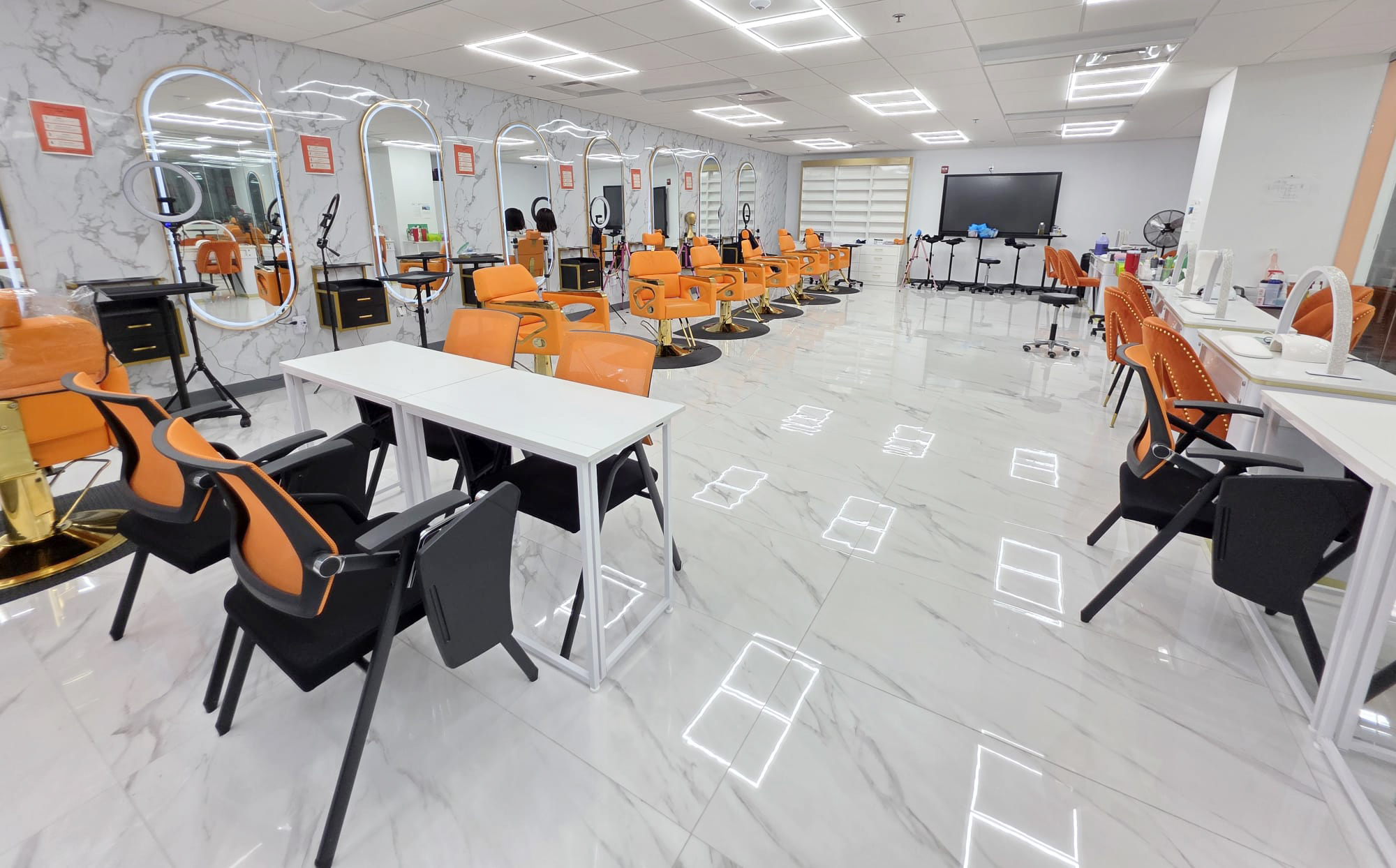
AVI Career Training is located at 1595 Spring Hill Rd #720, Vienna, VA 22182 — convenient to the Tysons area and accessible from across Northern Virginia and the DC metro. Ask about scheduling options that fit your life, whether you’re transitioning careers, managing family responsibilities, or coming from the military.


Your Next Step Toward a Barbering Career

The path to a Virginia Barber license is clear: 1,500 hours, a quality program, two State Board exams, and a commitment to developing real craft. In Northern Virginia’s diverse, high-demand grooming market, the barbers who invest in genuinely inclusive technical training are the ones who build lasting careers.

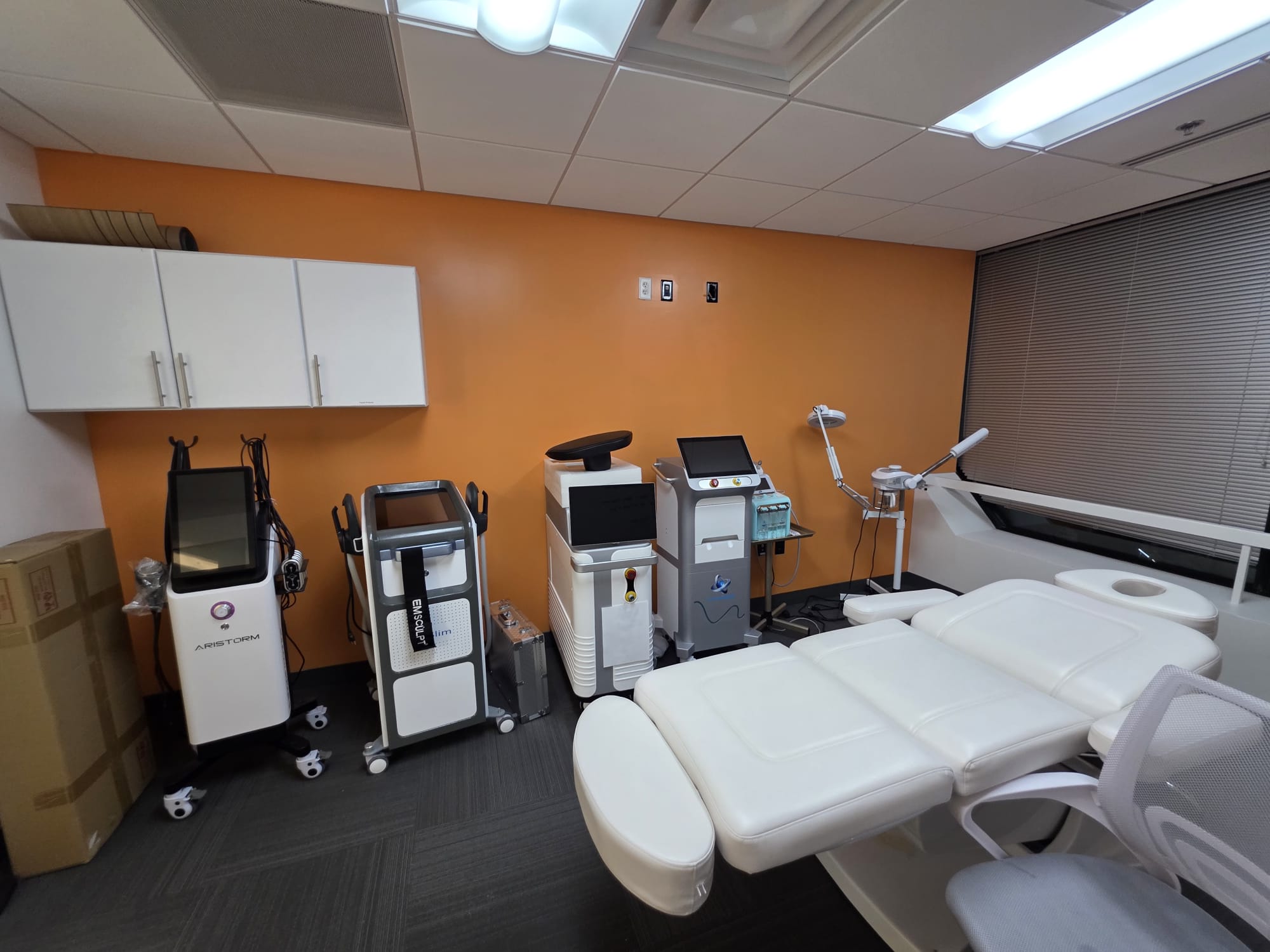
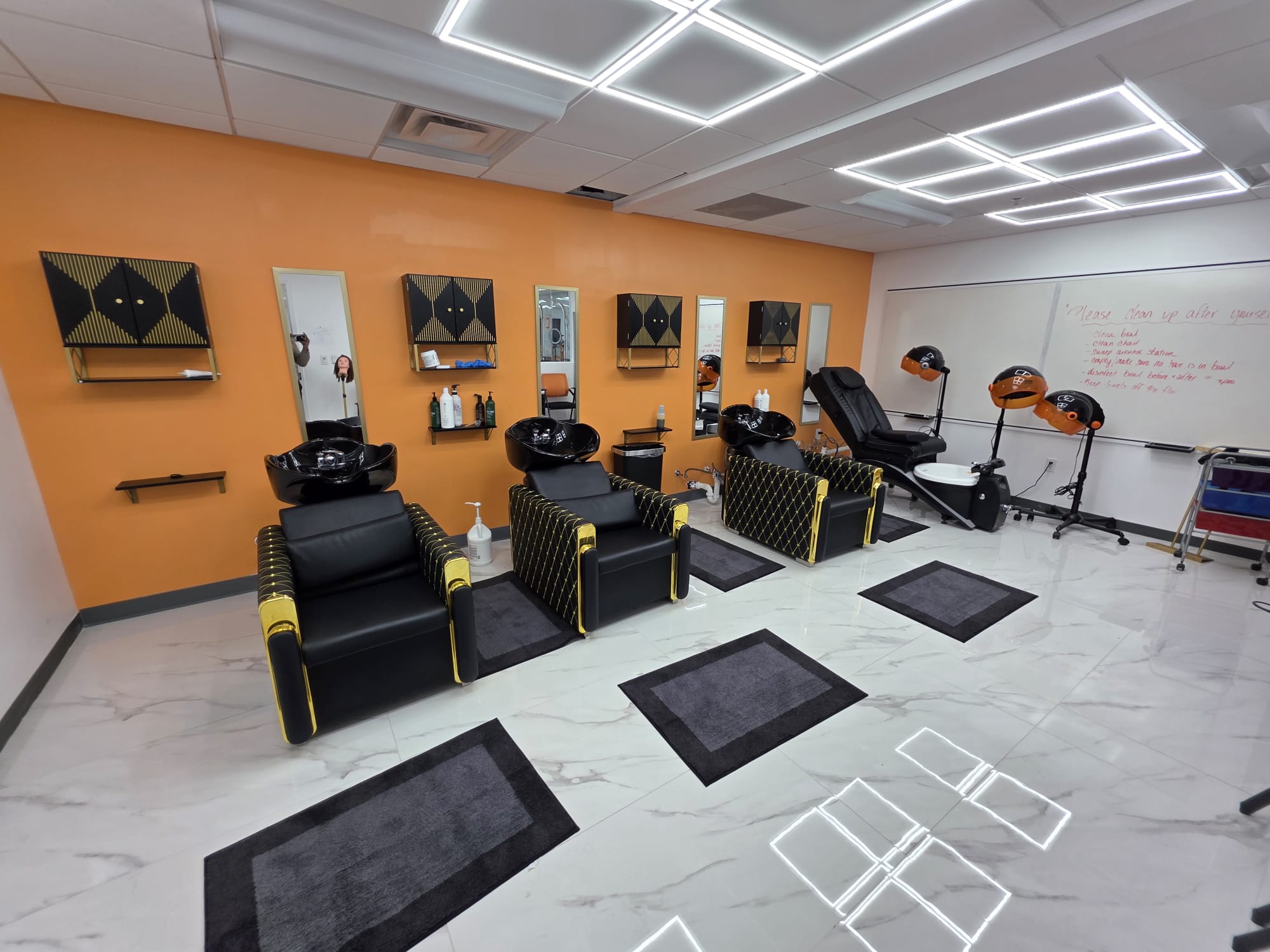
AVI Career Training is a COE-accredited, SCHEV-certified school in Vienna, VA, offering hands-on barbering and cosmetology programs designed to prepare you for the full range of clients you’ll actually serve.

If you’re ready to get started — or just want to talk through your options — we’d love to hear from you.

Apply now at AVI Career Training or call (703) 943-9841 to connect with our admissions team.


Virginia barber license requirements are set by the Virginia Department of Professional and Occupational Regulation (DPOR). Always verify current hour requirements, exam formats, and application procedures directly at dpor.virginia.gov before enrolling. Salary figures cited are based on BLS national data and regional market trends — individual earnings vary based on experience, clientele, location, and business model.

Article details:

Share: