AVI Career Training

Cosmetic Laser Technician Training in Northern Virginia

Share:

Cosmetic Laser Technician Training in Northern Virginia

Becoming a cosmetic laser technician in Northern Virginia requires earning your esthetics license and completing specialized laser training at a program equipped with real clinical technology. If you’re researching this career path, you’re looking at one of the fastest-growing roles in the medical spa and aesthetic skincare industry, with strong earning potential and a clear, focused training timeline.

Northern Virginia’s proximity to Washington, D.C. puts graduates in one of the most competitive and lucrative aesthetic markets in the country. Medical spas, dermatology clinics, and cosmetic wellness centers across the region are actively hiring trained laser professionals — and qualified candidates are in short supply.

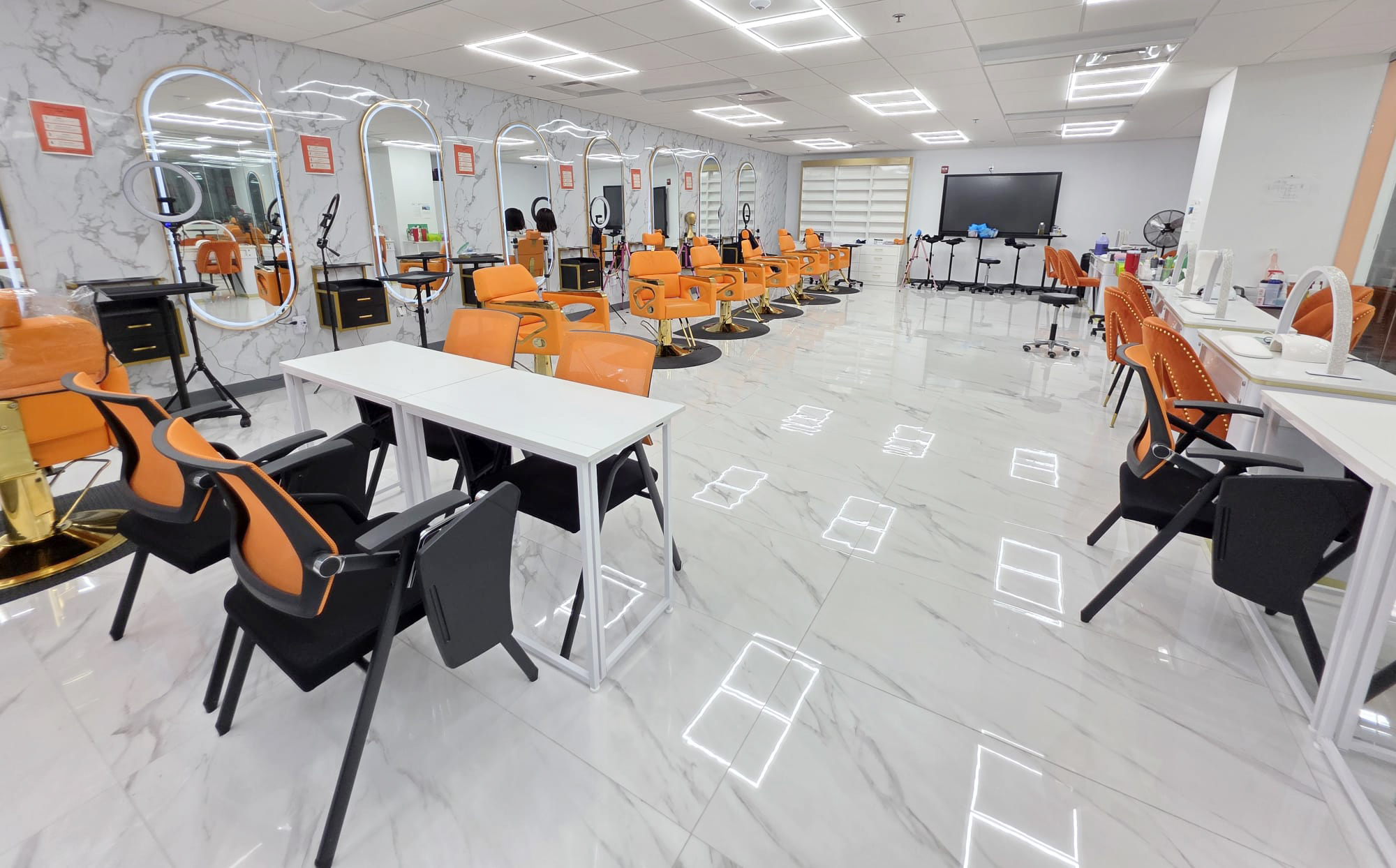
AVI Career Training offers a Cosmetic Laser Technology program at its Vienna, VA campus, built specifically for students who want hands-on, clinical-quality laser training in a COE-accredited environment. Whether you’re starting from scratch or already hold an esthetics license, here’s everything you need to know about the path forward.

Apply to AVI Career Training and an admissions advisor will walk you through your options based on your current credentials and goals.


Key Takeaways

  • Virginia requires esthetics licensure (600 clock hours) before most laser technicians can perform laser treatments independently in a clinical or spa setting.
  • Laser technician salaries in the Northern Virginia/DC metro area regularly exceed the national median of ~$38,970 for skincare specialists, with experienced laser professionals earning $55,000–$75,000+ in medical spa settings.
  • AVI’s Cosmetic Laser Technology program is hands-on, COE-accredited, and trains students on multiple device types across all skin tones using the Fitzpatrick scale.
  • The medical spa industry is projected to grow at 14%+ through 2030, creating sustained demand for trained laser technicians.
  • Financial aid and GI Bill® benefits are available for qualifying students at AVI Career Training.

What Does a Cosmetic Laser Technician Do?

A cosmetic laser technician uses controlled light-based technology to perform non-invasive skin treatments. These include laser hair removal, skin resurfacing, photorejuvenation, intense pulsed light (IPL) therapy, and pigmentation correction — among others.

Day to day, you’re consulting with clients, assessing their skin type, selecting the right device settings, performing treatments safely, and educating clients on aftercare. It’s a role that blends technical precision with genuine client care.

Common treatments a laser technician performs:

  • Laser hair removal — permanent hair reduction across the body and face
  • IPL photorejuvenation — targeting sun damage, rosacea, and uneven skin tone
  • Skin resurfacing — reducing fine lines, acne scars, and texture concerns
  • Laser toning — addressing hyperpigmentation and melasma
  • Body contouring and non-invasive fat reduction — at facilities with advanced technology platforms

The role is clinical without requiring a nursing or medical degree. It’s hands-on, client-facing, and technically demanding in a way that rewards people who enjoy learning and precision work. For career changers coming from healthcare, cosmetology, or customer service backgrounds, laser technology is a natural fit.

Where Do Laser Technicians Work?

Most cosmetic laser technicians in Northern Virginia work in:

  • Medical spas — the dominant employer in this specialty
  • Dermatology and plastic surgery practices
  • Aesthetic wellness centers
  • Hair removal studios
  • Cosmetic laser clinics

The Northern Virginia and D.C. metro corridor has one of the highest concentrations of medical spas per capita in the mid-Atlantic. For a trained laser technician, that translates to real employment options and competitive wages.


Virginia Licensing Requirements for Laser Technicians

Virginia does not issue a standalone “laser technician license.” Instead, the state regulates laser and light-based aesthetic treatments through the Virginia Department of Professional and Occupational Regulation (DPOR) in combination with physician oversight requirements in clinical settings.

Here’s what that means practically:

Esthetics licensure is the foundation. In Virginia, performing cosmetic laser treatments in a spa or clinical setting generally requires a licensed esthetician credential. That means completing a state-approved esthetics program and passing the Virginia State Board written and practical exams.

Virginia esthetics requirements include:
– 600 clock hours of esthetics training at a SCHEV-certified school
– Passing scores on the National-Interstate Council (NIC) written exam
– Passing score on the Virginia State Board practical exam
– Application through DPOR

Laser-specific training is layered on top. After earning your esthetics license, enrolling in a dedicated cosmetic laser training program gives you the clinical knowledge and device-specific skills that employers require. Some settings — particularly physician-owned medical spas — may also require direct physician supervision depending on the treatment type and equipment used.

This regulatory structure makes the combination of esthetics licensure plus laser training the gold standard for entering this field in Virginia. It’s why AVI’s approach integrates both pathways, giving students a clear route from enrollment to employment.


What to Look for in a Laser Technician Training Program

Not all laser programs are created equal. Some certifications are awarded after a single weekend workshop with minimal hands-on time. Others are embedded in accredited esthetics schools with real clinical equipment and experienced instructors. The difference matters — both for your skill development and your employability.

Here are the criteria worth evaluating when comparing cosmetic laser schools:

Hands-On Clinical Hours

Laser safety isn’t theoretical. You need actual time behind the device, working on real clients under instructor supervision. Ask any program how many hands-on clinical hours are included — not just classroom or lecture hours.

A program that front-loads theory and minimizes practice time will leave you underprepared for a medical spa environment where clients expect polished, confident technique from day one.

Equipment Access

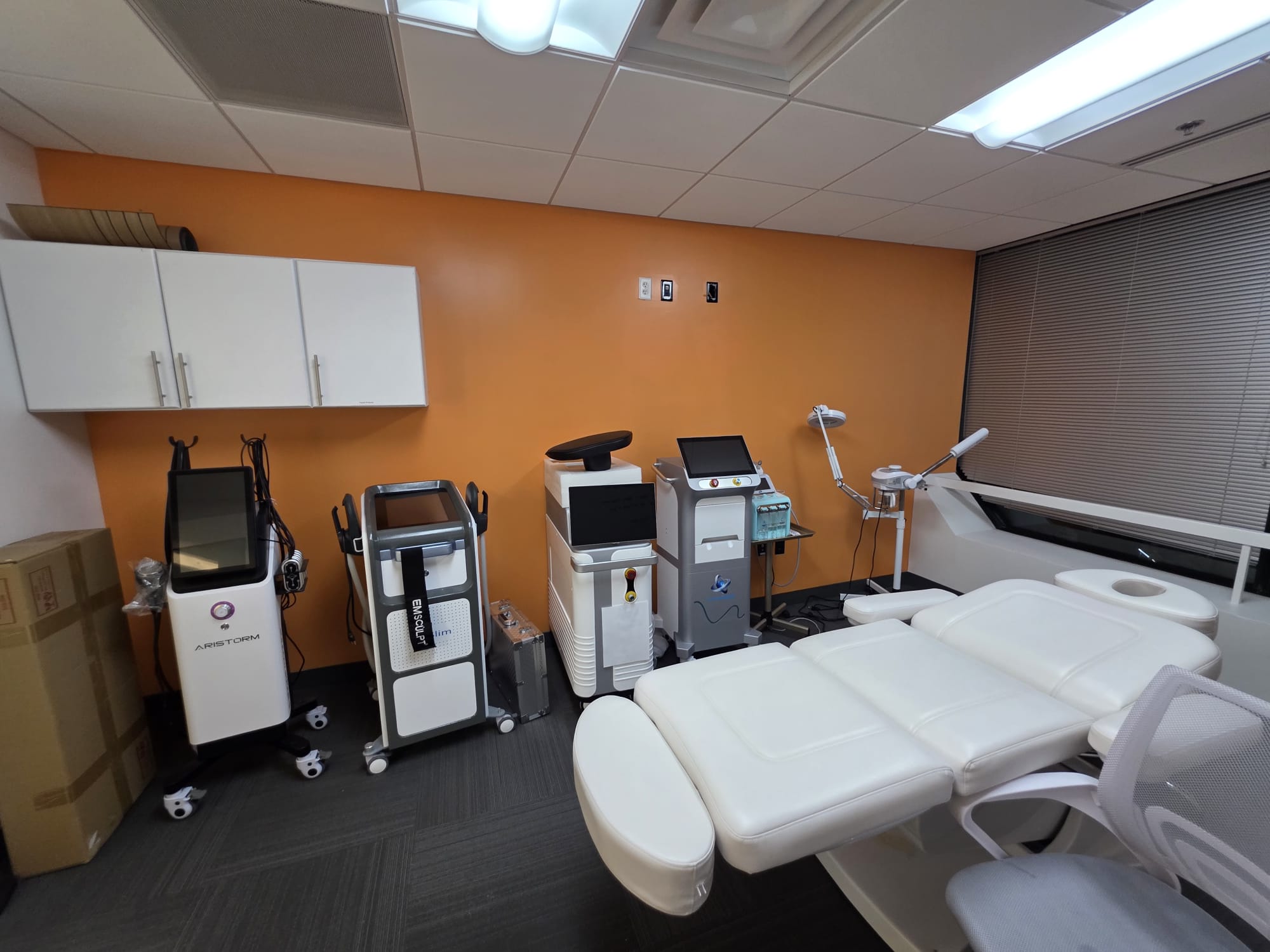
The devices you train on should reflect what’s actually used in the industry. Platforms like Nd:YAG, diode, and alexandrite lasers are industry standards for hair removal. IPL systems are widely used for skin rejuvenation. A program that trains you on outdated or low-grade equipment creates a skills gap the moment you’re hired.

Ask specifically: What devices does the program use? Are they the same platforms employers in this market run?

Fitzpatrick Scale Training and Skin Tone Inclusion

Laser safety and efficacy vary significantly across the Fitzpatrick scale — the clinical classification system for skin tone. Treatments that are straightforward on lighter skin tones require careful parameter adjustments on deeper skin tones to avoid hyperpigmentation, burns, or ineffective results.

A training program that doesn’t actively address all six Fitzpatrick skin types is leaving you underprepared for a diverse client population. In a metro market like Northern Virginia, where your clients will represent an enormous range of skin tones and backgrounds, inclusive training isn’t optional — it’s essential.

AVI Career Training builds Fitzpatrick scale education directly into its curriculum, because we believe beauty education should prepare you to serve everyone.

Instructor Credentials

Your instructors should be licensed professionals with real-world experience — not just classroom teachers. Look for programs where instructors have worked in medical spa or clinical settings and bring current industry knowledge into the classroom.

Accreditation

COE accreditation — the standard held by AVI — signals that a school meets rigorous quality benchmarks for curriculum, instruction, student services, and financial practices. It also unlocks access to federal financial aid for eligible students. When comparing programs, accreditation is a meaningful quality indicator, not just a credential formality.


Career Outlook: Laser Technician Salary in Virginia

The financial case for this career is compelling — especially in Northern Virginia.

The Bureau of Labor Statistics reports a national median wage for skincare specialists (the BLS category that captures laser technicians) of approximately $38,970 per year. But national medians don’t reflect what’s happening in the D.C. metro market.

In Northern Virginia, experienced laser technicians working in medical spas typically earn:

  • Entry-level: $38,000–$48,000 per year
  • Mid-career (2–5 years): $50,000–$65,000 per year
  • Experienced / senior: $65,000–$80,000+ per year, especially in high-end medical spa environments

Several factors drive earnings above the national median in this market:

Cost of living premium. Northern Virginia and the broader D.C. metro area commands higher wages across virtually every profession to reflect local cost of living.

Medical spa demand. The concentration of med spas and cosmetic clinics in Fairfax County, Loudoun County, Arlington, and the surrounding suburbs creates active competition for qualified laser technicians — which pushes wages up.

Tips and commission structures. Many medical spas and laser studios offer commission-based compensation on top of base pay, particularly for high-volume services like laser hair removal packages.

Specialization premium. Technicians who develop proficiency on multiple platforms and treatment modalities — not just hair removal — command stronger offers.

Job Growth Outlook

The medical spa industry is projected to grow at more than 14% through 2030, driven by increasing consumer demand for non-invasive aesthetic treatments, rising disposable income, and the mainstreaming of cosmetic procedures across age and demographic groups. BLS projects skincare specialist employment to grow 9% over the same period — faster than the average for all occupations.

For someone entering this field today, the timing is favorable.


Two Students Who Made the Switch

From Healthcare Administration to the Treatment Room

Maya had spent six years in healthcare billing — good pay, stable hours, zero satisfaction. She’d always been drawn to the aesthetic side of medicine but assumed she’d need to go back to school for years to make a pivot. When she found AVI’s Cosmetic Laser Technology program, the timeline changed everything.

She enrolled, completed her esthetics hours, and layered in the laser training. Within four months of graduating, she was hired at a medical spa in Tysons Corner, performing laser hair removal and IPL treatments. Her base salary was higher than her previous role — and for the first time, she was doing work she actually looked forward to each morning.

Maya’s experience reflects a pattern AVI sees regularly: career changers from healthcare backgrounds already understand clinical environment expectations, client communication, and safety protocols. Laser technology training gives them a new technical skill set on top of a foundation that transfers well.

From Retail to Running His Own Clientele

Darius had been managing a retail store in Northern Virginia for nearly a decade. He was good at his job, but the ceiling was visible and the path felt narrow. A friend who worked at a med spa suggested he look into laser training — she’d seen what skilled technicians earned, and she thought his attention to detail and ease with people would translate.

He enrolled at AVI, earned his esthetics license, and completed the Cosmetic Laser Technology program. He started at an established laser studio in Vienna, built a loyal client base over 18 months, and recently moved into a lead technician role that includes training new hires.

Darius didn’t take a roundabout path. He found a direct, accredited training route, completed it in under a year, and stepped into a career with clear upward mobility.


AVI’s Cosmetic Laser Technology Program

AVI Career Training’s Cosmetic Laser Technology program is designed for students who want real clinical preparation — not a certificate from a weekend seminar.

What the program covers:

  • Laser physics and light-tissue interaction
  • Laser safety protocols and ANSI Z136.3 standards
  • Device operation across multiple platforms (hair removal, IPL, skin rejuvenation)
  • Fitzpatrick skin typing and treatment parameter adjustment across all skin tones
  • Consultation, contraindication screening, and client documentation
  • Aftercare education and client retention
  • Virginia regulatory framework for laser practice

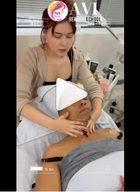
Hands-on training is central to the program — not an afterthought. Students practice on real clients under instructor supervision, developing the confidence and technique that employers look for in a first hire.

Program highlights:

  • COE Accredited, SCHEV Certified
  • Inclusive curriculum covering all six Fitzpatrick skin types
  • Licensed, experienced instructors with real clinical backgrounds
  • Access to industry-standard devices and equipment
  • Financial aid available for eligible students
  • GI Bill® accepted — AVI is proud to support active duty, veterans, and military families

AVI’s Vienna, VA campus is located at 1595 Spring Hill Rd #720, Vienna, VA 22182 — easily accessible from Tysons, Reston, McLean, Falls Church, and the broader Northern Virginia area.

If you’re ready to learn more about enrollment, program start dates, or financial aid options, apply directly online or call the admissions team at (703) 943-9841.


Is a Cosmetic Laser Career Right for You?

This career is a strong fit if you:

  • Enjoy working directly with clients in a clinical or spa setting
  • Like learning technical skills and operating specialized equipment
  • Want a career with real earning potential that doesn’t require a four-year degree
  • Are drawn to the aesthetic and wellness industry but want more than traditional esthetics work
  • Are a career changer looking for a focused, fast training path

It’s not the right fit if you’re looking for fully independent work immediately — laser treatments in Virginia require working within a licensed structure, and early-career positions are typically clinic or spa-based roles. But the path from new graduate to senior technician to potential practice ownership is well-established for people who commit to building their skills.

The Northern Virginia market rewards competence. A trained, confident laser technician who can work beautifully across all skin tones and communicate effectively with clients will not struggle to find opportunity here.


Frequently Asked Questions

How Long Does It Take to Become a Laser Technician in Virginia?

Most students complete the esthetics licensure requirements (600 clock hours) and the Cosmetic Laser Technology program within 12 months or less, depending on schedule and program format. Contact AVI at (703) 943-9841 for current program schedules and enrollment dates.

Do You Need a License to Do Laser Hair Removal in Virginia?

Virginia does not issue a standalone laser license, but performing cosmetic laser treatments typically requires esthetics licensure and, in physician-supervised medical spa settings, compliance with any additional employer or facility credentialing requirements. DPOR governs Virginia esthetics licensing — verify current requirements directly with DPOR.

Can Estheticians Do Laser Treatments in Virginia?

Yes — licensed estheticians with specialized laser training can perform cosmetic laser treatments in appropriate settings. The combination of esthetics licensure and accredited laser training is the standard pathway for entering this field in Virginia.

What Certifications Do You Need for Laser Esthetics?

Beyond your Virginia esthetics license, employers frequently look for training on specific device platforms and familiarity with laser safety standards. Industry credentials from organizations like the National Coalition of Estheticians (NCEA) or Certified Laser Instructor Association (CLIA) can strengthen your resume, particularly in competitive medical spa environments.

How Much Does a Cosmetic Laser Technician Make in Virginia?

Salaries range from approximately $38,000 at entry level to $75,000+ for experienced technicians in Northern Virginia’s medical spa market, with commission structures available at many employers.


Start Your Path Toward a Laser Career in Northern Virginia

The cosmetic laser field offers a rare combination: technical skill development, genuine client impact, strong earning potential, and a focused training timeline. In Northern Virginia’s growing medical spa market, the demand for qualified, well-trained laser technicians is real — and it’s not slowing down.

AVI Career Training exists to put that career within reach. Our COE-accredited program gives you hands-on clinical training, inclusive technique education, and the credentials Virginia employers respect — all from a campus in the heart of Northern Virginia.

Apply to AVI Career Training today and take the first step toward a laser career that’s built to last. You can also reach our admissions team directly at (703) 943-9841 or visit us at 1595 Spring Hill Rd #720, Vienna, VA 22182.

Your next career doesn’t require four years. It requires the right training — and the right school.

Article details:

Share: