AVI Career Training

Laser Technician Training in Northern Virginia

Share:

Laser Technician Training in Northern Virginia

AVI Career Training’s Cosmetic Laser Technology program in Vienna, VA gives you the hands-on skills and Virginia-compliant credential you need to work as a laser technician in one of the most in-demand beauty markets on the East Coast. If you’re serious about breaking into medical spa and clinical aesthetics work — or adding laser services to an existing esthetics career — this is where that path starts.

Northern Virginia is home to a dense corridor of medical spas, dermatology clinics, and luxury wellness centers stretching from Tysons Corner to Arlington to Alexandria. Qualified laser technicians are in steady demand across every one of those markets. The question isn’t whether the jobs are there. The question is whether you have the credential, the clinical hours, and the inclusive training to compete for them.

Here’s everything you need to know — Virginia licensing requirements, what the training covers, what you can realistically earn, and why AVI is the right school to get you there.

Apply now or call (703) 943-9841 to speak with an admissions advisor.


Key Takeaways

  • Virginia laser technicians must complete a Board-approved training program and operate under licensed medical supervision (physician, RN, or licensed practitioner) in a clinical setting.
  • AVI’s Cosmetic Laser Technology program is designed to be completed in weeks, not years — contact AVI directly at (703) 943-9841 to confirm current clock hours and schedule options.
  • Laser technicians in the Northern Virginia / DC metro market typically earn 10–20% above the national median, with medical spa techs reporting $25–$45/hour depending on experience and setting.
  • AVI’s curriculum includes Fitzpatrick skin typing across all six skin tone categories — because safe, effective laser work requires training on every client, not just a narrow range.
  • Financial aid is available, and AVI accepts the GI Bill® — making this credential accessible to career changers and veterans.

What Does a Laser Technician Do?

A laser technician uses light-based devices to perform non-surgical cosmetic treatments on the skin. The scope of practice is broader than most people expect when they first research the field.

Core services include laser hair removal, skin rejuvenation treatments (often called photorejuvenation or IPL therapy), pigmentation correction, acne scar reduction, and vascular lesion treatment. Some technicians also work with non-ablative resurfacing devices and radiofrequency equipment, depending on the clinical setting and state regulations.

Day-to-day, the job involves consulting with clients, reviewing contraindications and intake forms, calibrating laser parameters to match the client’s Fitzpatrick skin type and treatment area, performing the procedure, and documenting outcomes. Safety is not secondary — it is the job. Improper parameter settings can cause burns, blistering, and permanent hyperpigmentation, particularly on deeper skin tones. Technicians who don’t understand the Fitzpatrick scale across all six categories don’t belong near laser equipment.

Most laser technicians in Northern Virginia work in:

  • Medical spas (the largest employer category in this market)
  • Dermatology and plastic surgery clinics
  • Luxury day spas with clinical service menus
  • Laser specialty centers

The role blends clinical precision with client-facing service — which is why it appeals to both people coming from a healthcare background and those already working in esthetics who want to expand into more advanced treatments.


Virginia Licensing Requirements for Laser Technicians

This is the question that generates the most confusion, and getting it wrong has real legal consequences. Here’s what Virginia requires.

Who Governs Laser Technicians in Virginia?

The Virginia Department of Professional and Occupational Regulation (DPOR) oversees cosmetology and esthetics licensing in Virginia, including laser and light-based device operation. The Board for Barbers and Cosmetology falls under DPOR’s authority. You can verify current regulatory requirements directly through Virginia DPOR’s official website.

Do You Need a License to Operate Laser Equipment?

Yes. Virginia requires completion of a Board-approved training program before you can commercially operate laser or intense pulsed light (IPL) equipment on clients. Operating without that credential isn’t a gray area — it’s unlicensed practice.

The Supervision Requirement

Virginia law requires that laser technicians performing cosmetic laser procedures operate under the supervision of a licensed medical professional. Depending on the setting, that typically means a physician, registered nurse, or other licensed practitioner is either on-site or available for oversight. This is why most laser tech jobs in Virginia are based inside medical spas, dermatology clinics, or physician-owned aesthetic centers rather than standalone beauty salons.

If you’re an existing licensed esthetician, adding a laser certification creates a clear legal pathway to offer these services in a supervised medical or clinical setting — which significantly expands both your scope and your earning potential.

What About Estheticians Who Want to Add Laser?

Virginia does not automatically grant estheticians the right to use laser equipment just because they hold an esthetics license. Laser work requires separate, specific training — which is exactly what a Cosmetic Laser Technology program provides. Think of it as a credential layer on top of your existing license, not a replacement for it.

Important Note: Virginia’s regulatory framework is subject to updates. Always verify current requirements with Virginia DPOR or speak with AVI admissions at (703) 943-9841 for current program compliance details.


What to Expect from a Cosmetic Laser Technology Program

Not all laser training programs are built the same. A quality program covers far more than how to press a button on a device. Here’s what a rigorous curriculum looks like — and what to ask about when evaluating any school.

Laser Safety and Physics

Before touching any equipment, students need to understand how laser and light-based devices actually work. That means learning the principles of selective photothermolysis (how light energy targets specific chromophores in the skin), laser classifications, wavelength differences between devices, and OSHA laser safety standards. This isn’t background reading — it’s foundational to every decision you’ll make in a treatment room.

Skin Anatomy and Physiology

Laser work is skin-deep — literally. Understanding the layers of the skin, how melanin behaves under different wavelengths, and how the skin’s healing response works is essential to performing effective treatments without causing harm. This section of a quality program connects science directly to clinical practice.

Fitzpatrick Skin Typing and Inclusive Practice

The Fitzpatrick scale classifies skin tones from Type I (very fair, always burns) to Type VI (deeply pigmented, never burns). Laser parameter settings — including fluence, pulse width, and spot size — must be adjusted based on a client’s Fitzpatrick type. Getting this wrong on a Type IV, V, or VI client can cause serious burns and post-inflammatory hyperpigmentation.

AVI’s Cosmetic Laser Technology program trains students across all six Fitzpatrick categories. This isn’t optional or aspirational — it’s a clinical safety requirement and a competitive differentiator in a diverse market like Northern Virginia.

Contraindications and Client Assessment

Students learn which clients are not candidates for laser treatment — including those with certain medications, active skin conditions, recent sun exposure, or pregnancy. Proper intake and screening prevents adverse events and protects both client and technician.

Hands-On Clinical Hours

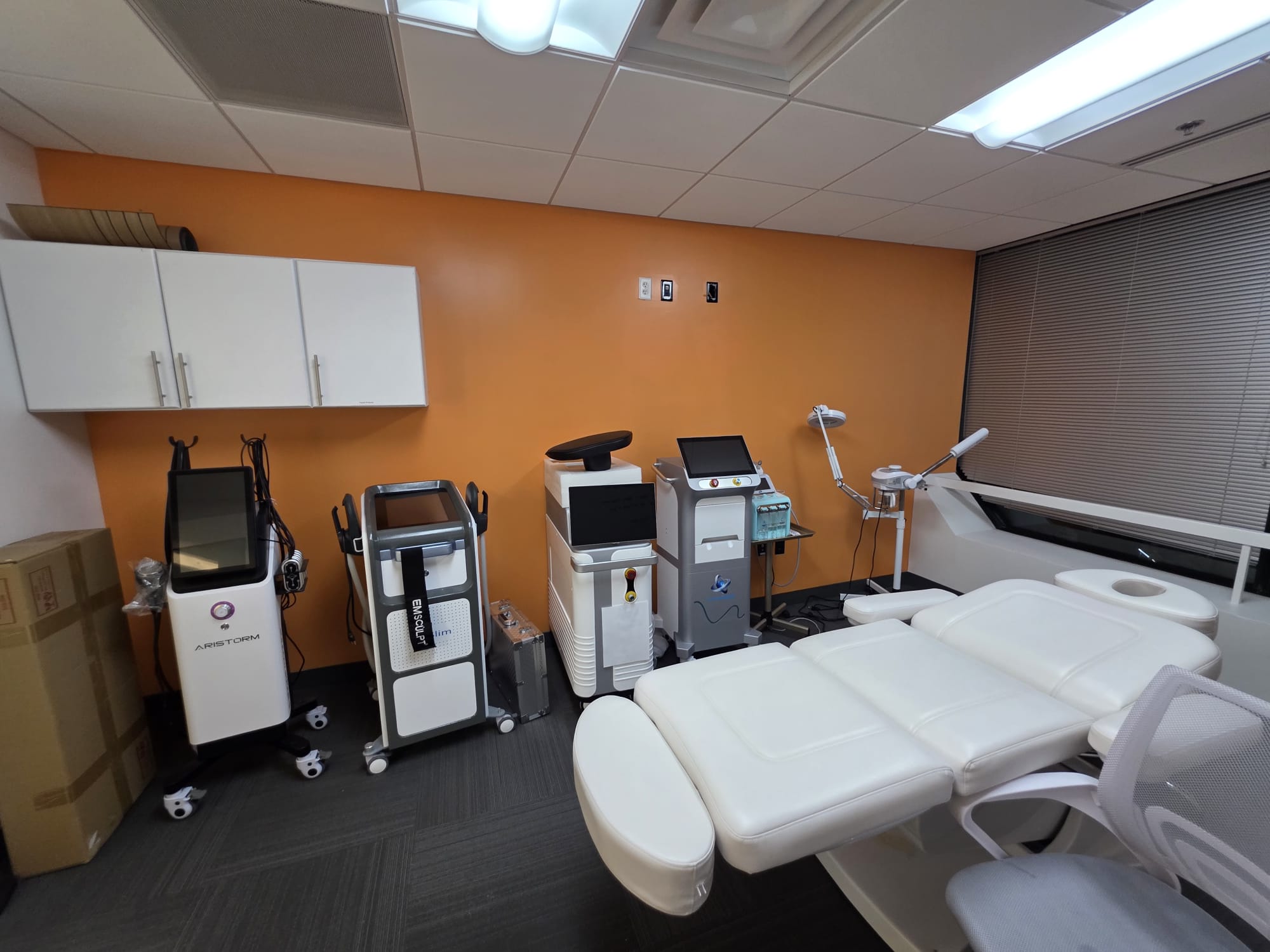
Classroom learning matters. Hands-on practice is what makes you employable. A strong program includes supervised clinical time operating actual laser equipment on real clients under instructor oversight. This is where technique, confidence, and professional judgment develop.

Equipment Operation and Documentation

Students train on industry-standard equipment and learn proper documentation practices — treatment records, parameter logs, and outcome notes — that any medical spa or clinical setting will expect.

Ready to see what AVI’s program covers in detail? Apply now or call (703) 943-9841 to speak with an admissions advisor.


Laser Technician Salary and Career Outlook in Virginia

Let’s talk numbers — because this credential is a career investment, and you deserve honest data before you enroll.

What Laser Technicians Earn in Virginia

The U.S. Bureau of Labor Statistics (BLS) classifies laser and light therapy technicians under Skincare Specialists (SOC 39-5094), reporting a national median annual wage of approximately $40,000–$60,000 for skincare specialists — with significant variation based on setting, specialization, and geography.

Northern Virginia and the DC metro area consistently pay 10–20% above national median wages for personal care and aesthetic services roles. The region’s high cost of living, concentration of affluent clients, and density of medical spa employers all drive wages upward.

Medical spa laser technicians in Northern Virginia specifically report earning $25–$45/hour, with total compensation varying based on base pay, commission on service revenue, and tips. Technicians who build a strong client base and specialize in high-demand treatments (such as laser hair removal for darker skin tones, where fewer technicians are adequately trained) can command rates toward the upper end of that range.

Where the Jobs Are

The Northern Virginia medical spa corridor is one of the strongest markets for laser tech employment in the mid-Atlantic. Key demand centers include:

  • Tysons Corner — dense cluster of luxury medical spas and cosmetic clinics
  • Arlington and Rosslyn — high-income professional clientele with strong demand for cosmetic services
  • Alexandria — growing medical spa market with proximity to DC
  • Reston and Herndon — expanding suburban wellness and aesthetics market
  • Fairfax and Vienna — established day spa and clinical aesthetics corridor

Demand drivers include an aging population seeking non-surgical cosmetic treatments, rising consumer comfort with medical spa services, and year-over-year growth in the aesthetics industry nationally.

The ROI Case

A four-year degree costs, on average, over $100,000 and four years of your working life. A Cosmetic Laser Technology program at AVI can be completed in weeks, at a fraction of the cost, and puts you into an active job market immediately after credentialing. For career changers and first-time students alike, the short-term certification model offers one of the strongest return-on-investment profiles in vocational education.


What Is the Difference Between a Laser Technician and an Esthetician?

This question comes up constantly — especially from students trying to decide which path makes sense, or from licensed estheticians wondering whether laser training is worth adding.

Scope of Practice

A licensed esthetician in Virginia is trained and authorized to perform skin care services including facials, chemical peels, waxing, and other surface-level skin treatments. Virginia estheticians complete either the Basic Esthetics program (600 hours) or the Master Esthetics program (1,100 hours) and must pass the Virginia State Board exam.

A laser technician is specifically trained to operate laser and light-based devices for cosmetic procedures. These are technology-driven, energy-based treatments with a different risk profile and a different regulatory framework than traditional esthetics services.

The two credentials are complementary — not interchangeable. A licensed esthetician with laser certification can offer a significantly broader menu of services and is a highly attractive hire for medical spas looking for clinically trained staff who also understand skin care.

Which One Should You Pursue?

If you’re starting from zero, some students choose to complete esthetics training first to build foundational skin science knowledge, then add laser certification. Others enter laser training directly — particularly if they’re coming from a healthcare background with relevant anatomy and physiology coursework.

If you’re already a licensed esthetician, adding a cosmetic laser certification is one of the highest-ROI credential upgrades available in the Virginia beauty and wellness market right now.


Meet Two Students Who Made This Work

From Healthcare Coordinator to Medical Spa Lead Tech

Priya had spent six years working in a dermatology clinic as a patient coordinator. She understood the clinical environment, loved interacting with patients about cosmetic treatments, and had watched laser technicians perform procedures day after day. What she didn’t have was the credential to step into that role herself.

She enrolled in AVI’s Cosmetic Laser Technology program while continuing her coordinator role part-time. The schedule flexibility made it possible. Within weeks of completing the program, she applied for a laser tech position at a Tysons Corner medical spa — and got it. She brought her clinical communication skills, her dermatology background, and now a formal laser credential to a role that paid significantly more than her coordinator salary.

From Salon Esthetician to In-Demand Specialist

Marcus had been a licensed esthetician for four years, building a steady facial and waxing clientele at a Vienna day spa. He was good at his work, but his earning ceiling felt fixed. He kept hearing from clients who wanted laser hair removal and skin rejuvenation treatments — services he couldn’t legally offer.

He enrolled in AVI’s laser program specifically to bridge that gap. The Fitzpatrick training stood out to him immediately — his client base was diverse, and he’d seen other technicians turn away or poorly serve clients with deeper skin tones. After completing the program, he approached the med spa two doors down from his current salon. They hired him before he’d even finished telling them about his Fitzpatrick training. He now splits his week between his existing facial clientele and a growing laser book — at a blended hourly rate well above what the salon alone could offer.


Why Train at AVI Career Training in Vienna, VA

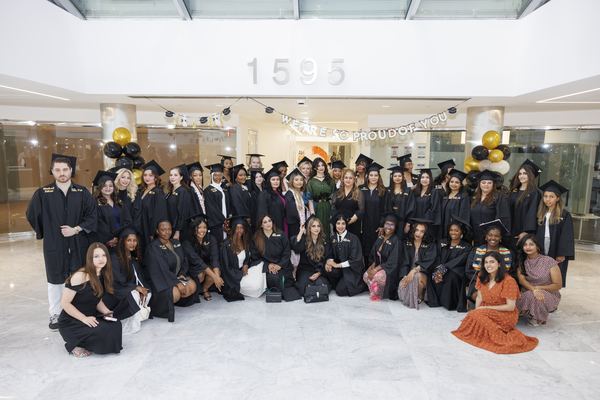
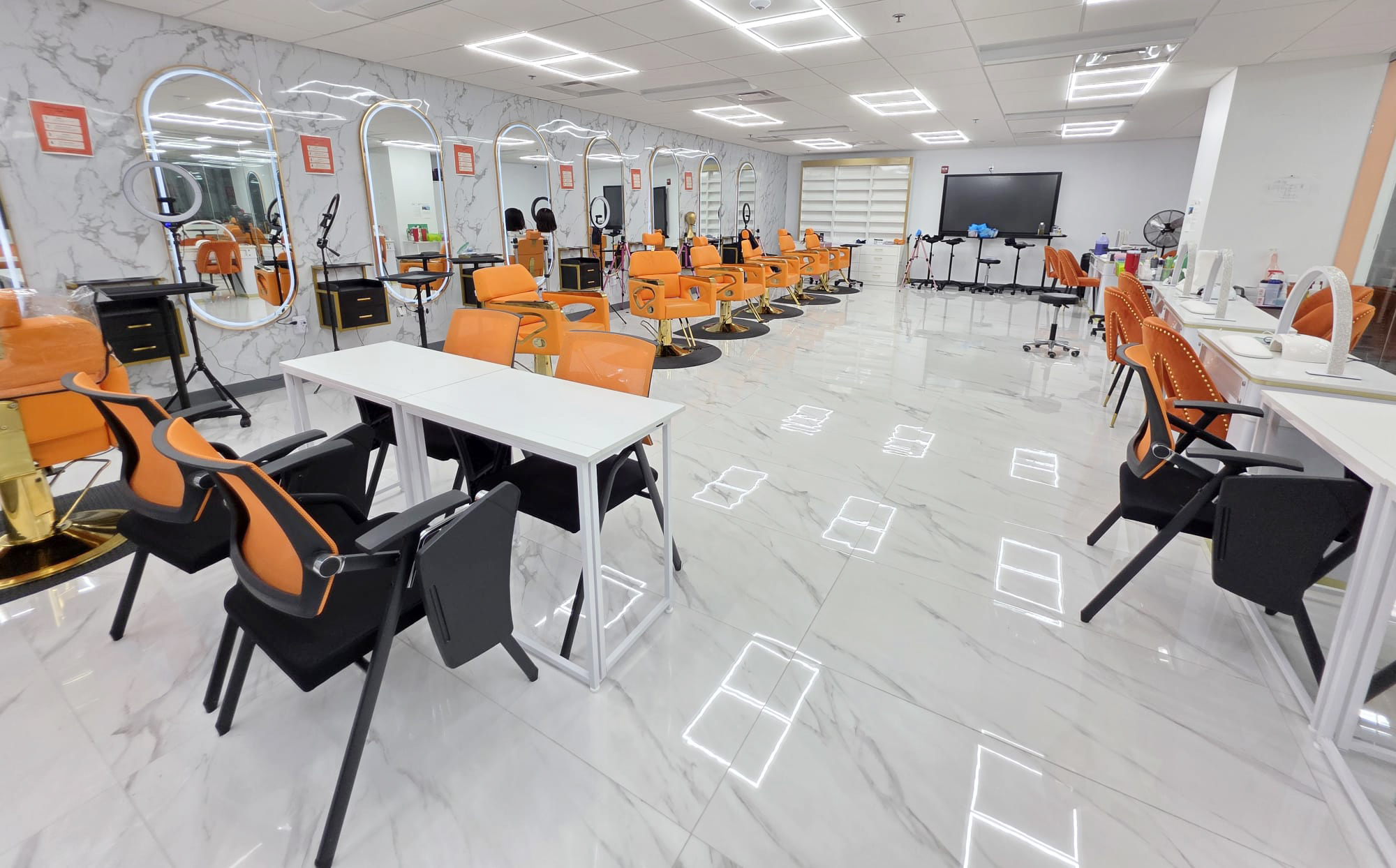
AVI Career Training is a COE-accredited, SCHEV-certified beauty and wellness school located at 1595 Spring Hill Rd #720, Vienna, VA 22182 — in the heart of Northern Virginia’s professional and medical aesthetics market. The Cosmetic Laser Technology program is built for people who want to enter this field correctly: with proper credentials, real clinical hours, and the inclusive training that a diverse market actually demands.

What Sets AVI Apart

Inclusive curriculum by design. AVI’s laser program trains students on all Fitzpatrick skin types — I through VI. In a market as culturally and ethnically diverse as Northern Virginia and the DC metro area, this is not a nice-to-have. It’s the difference between being broadly employable and being limited in who you can safely serve.

Hands-on clinical hours. AVI students don’t just watch demonstrations — they practice. Supervised clinical time on actual equipment is built into the program because it’s what turns knowledge into competence.

Experienced, licensed instructors. AVI’s instructors are active industry professionals, not career academics. They bring real-world medical spa and clinical aesthetics experience into the classroom.

Financial aid and veteran support. Financial aid is available for qualified students. AVI accepts the GI Bill® — making this credential accessible to active-duty military, veterans, and military spouses who are transitioning into civilian careers. Contact AVI to discuss your specific eligibility.

Location and market access. Vienna puts you minutes from Tysons Corner, accessible to Arlington, Alexandria, Reston, and the full Northern Virginia corridor — exactly where medical spa employers are concentrated.

Program timeline. AVI’s Cosmetic Laser Technology program is designed to be completed in weeks, not semesters. Confirm exact clock hours, schedule formats (full-time and part-time options), and current start dates by calling (703) 943-9841 or visiting the campus directly.


How to Become a Laser Technician in Virginia: Your Next Steps

The path is straightforward. Enroll in a Board-approved Cosmetic Laser Technology program. Complete your required training hours. Graduate with your credential and the documented clinical experience employers expect. Enter one of the strongest aesthetics job markets in the mid-Atlantic.

What AVI offers is the Virginia-specific, clinically rigorous, inclusively designed training that gives you the best shot at landing — and keeping — a competitive laser tech role in Northern Virginia.

You don’t need a four-year degree. You don’t need years of lead time. You need the right program, the right credential, and the hands-on hours to back them both up.

Start your application at AVI Career Training today.

Questions before you apply? Call (703) 943-9841 or visit us at 1595 Spring Hill Rd #720, Vienna, VA 22182. The AVI admissions team can walk you through program details, current start dates, schedule options, and financial aid — everything you need to make a confident decision.


Regulatory requirements for laser technicians in Virginia are subject to change. Always verify current licensing requirements with the Virginia Department of Professional and Occupational Regulation (DPOR) before enrolling in any training program.

Article details:

Share: