Medical Assistant vs. Esthetician: Which Career Fits You?
If you’re comparing a medical assistant vs. esthetician career, both are hands-on, people-centered paths — but they lead to very different day-to-day realities, licensing structures, and earning ceilings, especially in the Northern Virginia and DC metro market.
This guide breaks down both careers side by side: what you’ll actually do every day, how long training takes, what you can earn, and which path gives you more independence and upward mobility. If you’re drawn to healthcare-adjacent work but also want a creative, client-focused career — read this before you make any decisions.
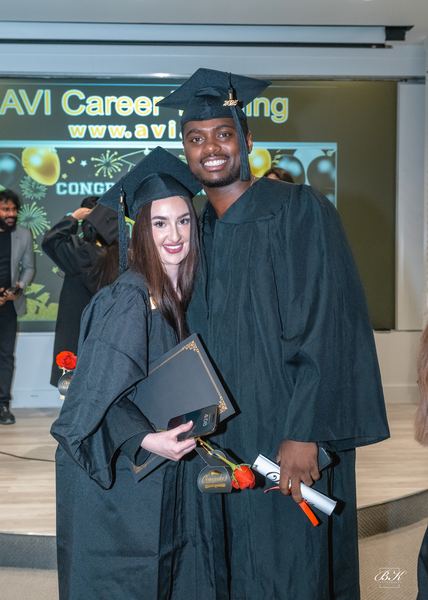
Quick note on AVI Career Training: AVI is a COE-accredited beauty and wellness school in Vienna, VA. We do not offer medical assistant training. What we do offer is a licensed path into the fastest-growing corner of the healthcare-beauty overlap — esthetics, medical esthetics, and cosmetic laser technology. We’ll be transparent about that throughout this article.
If you’re ready to explore the esthetics path, apply now to start your application at AVI Career Training.
Key Takeaways
- Medical assistants in Virginia work under physician supervision and do not hold an independent state license
- Virginia requires 600 clock hours of training to earn an esthetics license through DPOR
- Licensed estheticians in Northern Virginia’s med spa market can earn $50,000–$70,000+
- AVI’s Esthetics program can be completed in approximately 6–9 months
- Medical estheticians and cosmetic laser technicians work in clinical and medical spa settings — bridging beauty and healthcare
What Does a Medical Assistant Actually Do?
Medical assistants keep clinical operations moving. They work in physician offices, outpatient clinics, urgent care centers, and hospital departments — handling both administrative tasks and basic clinical duties.
On any given day, a medical assistant might take patient vitals, prepare exam rooms, draw blood, administer injections, update electronic health records, schedule appointments, and process insurance paperwork. The role is genuinely varied, and it places you at the center of patient care.
The Reality of the MA Role
Here’s what many career guides leave out: in Virginia, medical assistants are not licensed by the state. There is no Virginia state license for medical assisting. Your scope of practice is defined entirely by the supervising physician — and it can vary significantly from one practice to the next.
That means no independent practice. No ability to hang a shingle, set your own rates, or move into a private or entrepreneurial setting without a supervising physician’s authorization. Your career ceiling is largely determined by the clinic you work in, not by credentials you’ve earned.
That’s not a knock on medical assisting — it’s a legitimate, stable healthcare career. But if you’re someone who values professional independence, wants to build a clientele, or is drawn to the idea of eventually working for yourself, it’s an important structural limitation to understand.
MA Work Environment
Most medical assistants work in:
- Primary care and specialty physician offices
- Urgent care and walk-in clinics
- Hospital outpatient departments
- Community health centers
Hours are typically structured around clinic schedules — often Monday through Friday, daytime hours. Evenings and weekends are less common but not unheard of, particularly in urgent care settings.
What Is a Medical Esthetician — and How Is It Different?
A medical esthetician is a licensed esthetician who has expanded their practice into clinical and medical settings. This is not a separate license — it starts with the same Virginia esthetics license every working esthetician holds, then builds outward through advanced training and certification.
Medical estheticians perform services like:
- Chemical peels and enzyme treatments
- Microdermabrasion and microneedling (where permitted)
- Pre- and post-surgical skincare protocols
- Acne treatment programs
- Laser-adjacent and light-based treatments (with additional certification)
- Hydrafacials and clinical-grade skin treatments
They work in med spas, plastic surgery practices, dermatology offices, and high-end clinical wellness centers — exactly the settings that blur the line between healthcare and beauty.
Why This Path Appeals to “Medical-Minded” Career Seekers
If you’re drawn to the medical assistant path because you want science-based work, hands-on client interaction, and a clinical environment — the medical esthetician career path delivers all of that. And it adds something the MA role typically doesn’t: independent licensure.
Once you hold a Virginia esthetics license, you can work in a med spa, build a private client roster, rent a suite, or eventually open your own practice. Your credentials belong to you — not to your supervising physician.
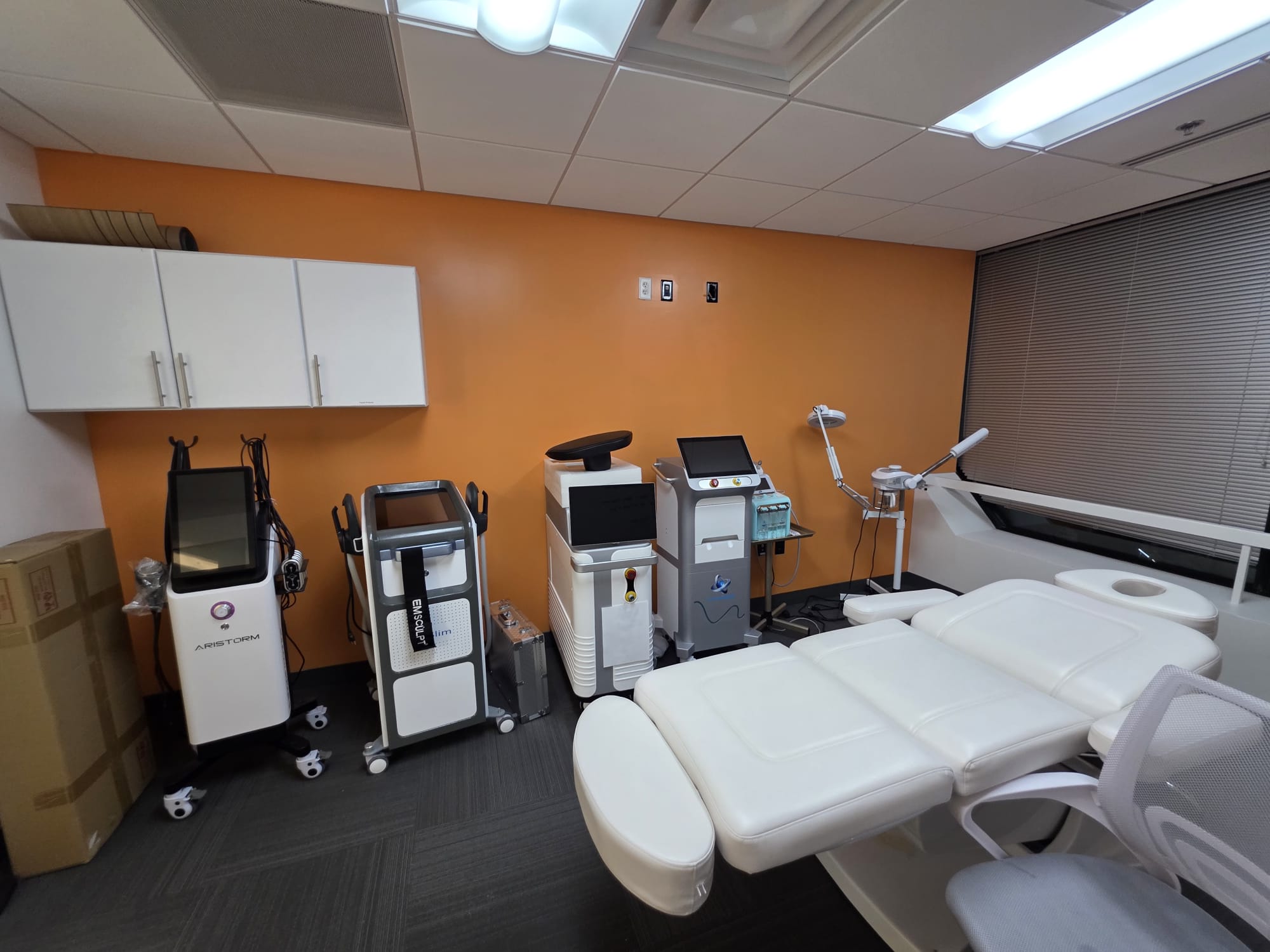
Adding a Cosmetic Laser Technician certification extends your reach even further. Laser hair removal, IPL photofacials, and other energy-based treatments are among the highest-demand services in the DC metro market right now — and licensed estheticians with laser training are positioned to earn at the top of the esthetics pay scale.
If you’re interested in exploring this path, AVI Career Training offers both Esthetics and Cosmetic Laser Technician programs at its Vienna, VA campus — with financial aid available and GI Bill® acceptance for eligible veterans.
Training Time, Cost, and Licensing — Side by Side
This is where the two paths start to look very different.
Medical Assistant Training
Most medical assistant programs are offered through community colleges, vocational schools, and for-profit career colleges. Program formats include:
- Certificate programs: Typically 9–12 months
- Associate degree programs: Typically 18–24 months
Medical assistant programs cover anatomy and physiology, medical terminology, clinical procedures, phlebotomy, EKG, and administrative software. Costs vary widely — community college programs may run $3,000–$8,000, while private career college programs can exceed $15,000.
Upon completion, many graduates sit for a voluntary national certification — the Certified Medical Assistant (CMA) through AAMA or the Registered Medical Assistant (RMA) through AMT. These certifications are valued by employers but not required by Virginia law.
There is no Virginia state license for medical assistants. No state board exam. No DPOR registration. Your credentials are portable across employers, but they don’t constitute an independent professional license.
Virginia Esthetics Licensure
The Virginia Department of Professional and Occupational Regulation (DPOR) requires 600 clock hours of approved esthetics training to sit for the Virginia State Board licensing exams. After completing those hours at an accredited school, you take both a written and a practical exam. Pass both, and you hold a Virginia Esthetics License — a state-issued professional credential that’s yours independently of any employer.
At AVI Career Training, the Esthetics program can be completed in approximately 6–9 months depending on your schedule. Financial aid is available for students who qualify, and AVI accepts the GI Bill® for eligible veterans and military-connected students.
Cosmetic Laser Technology: The Add-On That Changes the Math
Virginia does not currently require a separate state license for cosmetic laser operation — but formal certification from an accredited training program is increasingly expected by medical spas and clinical employers. AVI offers Cosmetic Laser Technician training as an additional credential that positions graduates for the highest-paying tier of the med spa job market.
Side-by-Side Comparison
| Factor | Medical Assistant | Licensed Esthetician |
|---|---|---|
| Training Length | 9–24 months | ~6–9 months (600 hours) |
| Virginia State License | No | Yes — issued by DPOR |
| Independent Practice | No | Yes |
| Entry into Med Spa | Limited | Direct |
| Laser Add-On Option | Rarely | Yes — Cosmetic Laser Certification |
| Entrepreneurial Path | Very limited | Strong |
Salary and Career Outlook in Northern Virginia and the DC Metro
Let’s talk numbers — honestly, using current Bureau of Labor Statistics data.
Medical Assistant Salaries
According to the BLS Occupational Outlook Handbook, the median annual wage for medical assistants was $38,270 nationally as of 2023 data. In Northern Virginia and the DC metro area, where cost of living and healthcare wages run higher, experienced medical assistants may earn closer to $42,000–$46,000.
Job growth for medical assistants is projected at approximately 14% through 2032 — faster than average — driven by an expanding healthcare system and aging population. It’s a stable, in-demand career.
The ceiling, however, is relatively defined. Moving up typically means transitioning into a different role entirely — medical office management, nursing (requiring additional education), or healthcare administration.
Esthetician Salaries in Virginia
The national median for estheticians is approximately $37,790 per year, per BLS data — slightly below the MA median at first glance. But that national figure obscures something important: the DC metro and Northern Virginia market dramatically skews local esthetics earnings upward.
Estheticians in this region benefit from:
- High concentrations of med spas and luxury wellness centers
- A high-income clientele willing to pay premium rates for skin services
- Strong demand for advanced, clinical-grade treatments
- A thriving medical spa industry in areas like Tysons Corner, McLean, Arlington, and Bethesda
Licensed estheticians working in med spa or clinical settings in Northern Virginia — especially those with cosmetic laser certification — can earn $50,000–$70,000 or more, with additional income potential through tips, commission structures, and product sales.
The esthetics path also has a higher ceiling for self-directed income. A licensed esthetician who builds a private clientele, adds laser services, or eventually opens a suite-rental practice is not capped by an employer’s pay scale. Income becomes a function of skill, reputation, and hustle — not just seniority.
Meet Danielle: From Receptionist to Med Spa Lead
Danielle spent three years working the front desk at a dermatology clinic in Fairfax. She understood the clinical environment, knew the treatments, and watched estheticians in the back consistently outpace her income while doing work they clearly loved.
She enrolled in AVI’s Esthetics program on a part-time schedule, completed her 600 hours while still working, and passed her Virginia State Board exams on the first attempt. Six months after graduating, she was hired as a licensed esthetician at a med spa in Tysons Corner. A year later, she added cosmetic laser certification and moved into a lead esthetician role. Her current take-home income has more than doubled what she earned at the front desk — and she’s building a loyal client base.
Danielle’s path isn’t unusual for this market. The Northern Virginia med spa sector is genuinely hungry for skilled, licensed estheticians with clinical awareness.
Healthcare-Adjacent Beauty Careers: More Options Than You Think
One thing this comparison reveals is a broader category that doesn’t get enough attention: healthcare-adjacent beauty careers. These are roles that sit at the intersection of clinical expertise and beauty services — not quite traditional healthcare, not quite a day spa.
This category includes:
- Medical estheticians in dermatology and plastic surgery practices
- Cosmetic laser technicians in med spas and clinical wellness centers
- Oncology estheticians providing skincare support for cancer patients
- Pre- and post-surgical skincare specialists
- Wellness estheticians in integrative health practices
For people who are drawn to medical careers because of the science, the clinical environment, and the desire to genuinely help people — not because they want to work in a hospital — these roles often offer a more satisfying fit. The work is deeply personal, deeply skilled, and increasingly well-compensated.
Meet Marcus: A Career Changer Who Ran the Numbers
Marcus was finishing a contract with the Army and exploring civilian career options. He had been looking at medical assistant programs at a community college in Fairfax but felt uncertain about the lack of independent licensing and the relatively flat income curve.
A friend in the DC area who worked at a med spa suggested he look into esthetics. Marcus was skeptical at first — he hadn’t considered beauty as a career field. But when he looked at the licensing structure (a state-issued credential, independently held), the earning potential in the DC metro market, and the fact that AVI Career Training accepts the GI Bill®, the math started to look very different.
He enrolled at AVI, completed the Esthetics program, and then added Cosmetic Laser Technician certification. He now works at a medical spa in Arlington, serving a client base that includes a high percentage of military and government professionals — a community he connects with naturally. His VA benefits covered a significant portion of his training costs.
Which Path Is Right for You? (And Where to Start in Northern Virginia)
Here’s a straightforward decision framework based on what most people are actually weighing when they research this comparison.
Choose medical assisting if:
- You want to work directly inside a clinical healthcare setting (hospital, clinic, physician office)
- You prefer a structured, employer-directed role over independent practice
- You’re interested in eventually transitioning into nursing or another clinical healthcare career and want foundational experience
- Schedule predictability is a priority
Choose esthetics (and consider the medical esthetics/laser path) if:
- You want an independent, state-issued professional license
- You’re drawn to hands-on, one-on-one client care with a creative and scientific component
- You want the option to work in medical or beauty settings — or eventually for yourself
- You’re interested in the fastest-growing segment of the spa industry: medical spa careers in Northern Virginia
- You want to complete training and enter the workforce faster
- You’re a veteran or military-connected student who wants to use your GI Bill® benefits toward a licensed career
For the Northern Virginia and DC metro market specifically, the esthetics and cosmetic laser path offers a combination of speed to licensure, earning potential, and professional independence that’s hard to match.
Start Your Esthetics Career at AVI Career Training in Vienna, VA
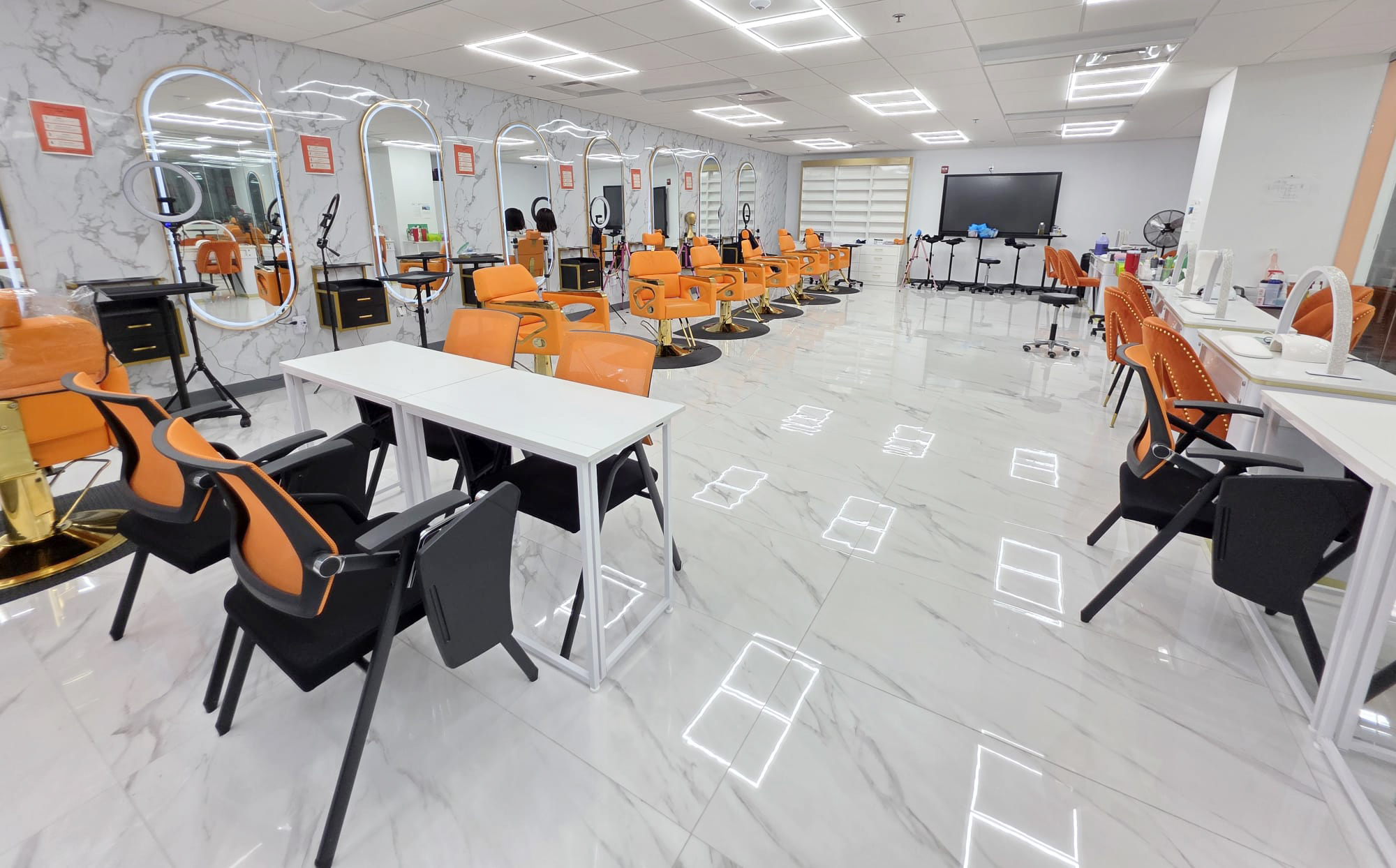
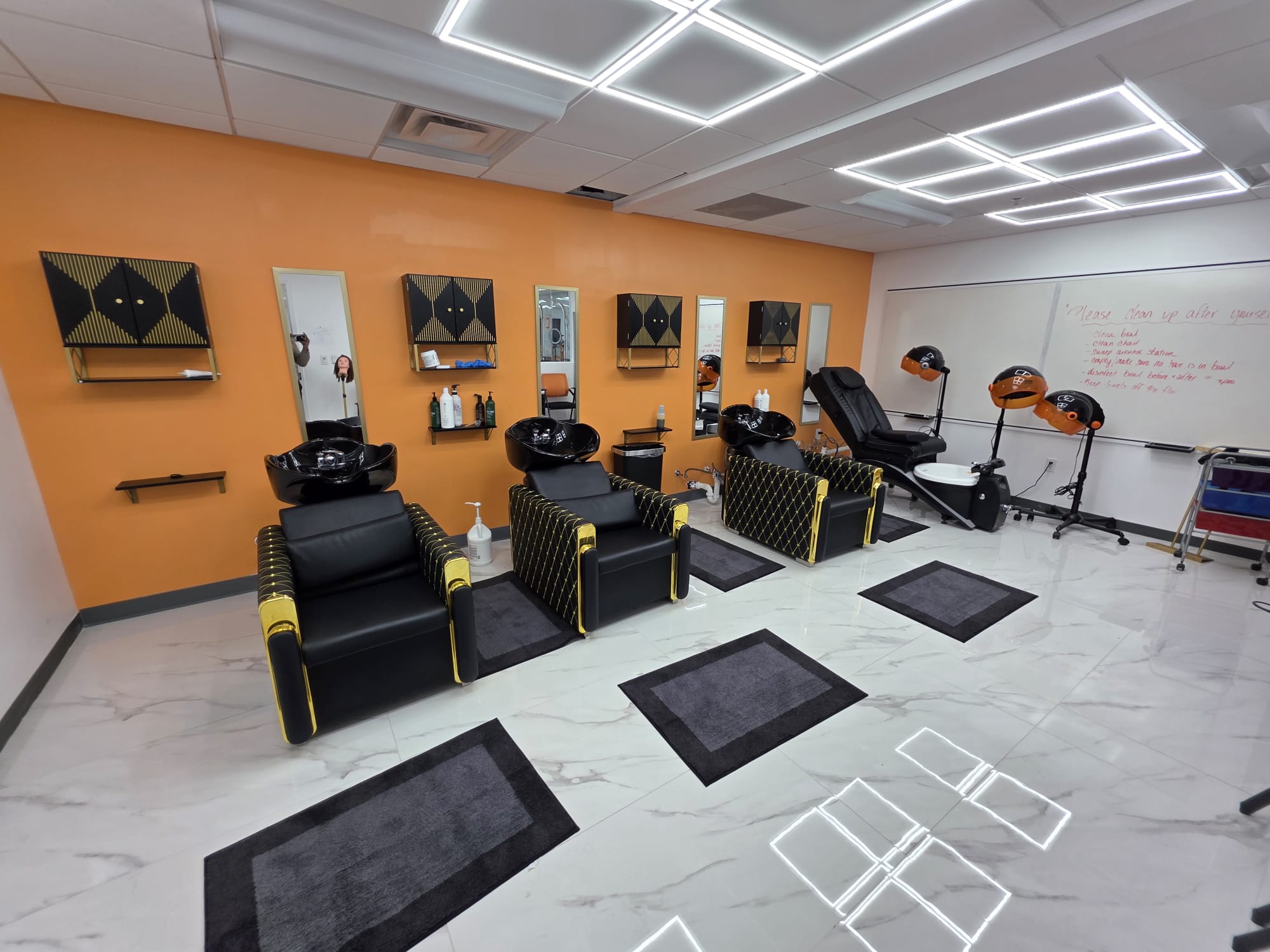
AVI Career Training is a COE-accredited, SCHEV-certified beauty and wellness school located at 1595 Spring Hill Rd #720, Vienna, VA 22182. Our Esthetics program meets Virginia DPOR’s 600-hour requirement and prepares students for both the written and practical Virginia State Board exams.
We also offer Cosmetic Laser Technician training — giving esthetics graduates the advanced credential that med spas in Northern Virginia are actively seeking.
At AVI, you’ll find:
- COE accreditation and SCHEV certification
- Financial aid available for qualifying students
- GI Bill® acceptance for eligible veterans and military-connected students
- Hands-on training on diverse skin tones and types
- Instructors who are licensed industry professionals
- A career-focused curriculum built for the Northern Virginia market
If you’re comparing careers and wondering whether esthetics is the right move, the best next step is a conversation. Apply now to start your application, or call us directly at (703) 943-9841 to speak with an admissions advisor.
You don’t need a four-year degree. You don’t need prior beauty experience. You need 600 hours, a state board exam, and the right school. AVI is ready when you are.
Salary data referenced from the U.S. Bureau of Labor Statistics Occupational Outlook Handbook (2023–2024 edition). Virginia licensing requirements sourced from the Virginia Department of Professional and Occupational Regulation (DPOR). Always verify current program hours, costs, and requirements directly with AVI Career Training and DPOR prior to enrollment.